REVIEW · MALIA
Crete: Jeep Safari Wine & Olive Oil testing Shepherd’s House
Book on GetYourGuide →Operated by GOCRETESAFARI · Bookable on GetYourGuide
Central Crete tastes better from a Jeep. This 8-hour Jeep safari links the dam country to rural villages, then brings you up close to Cretan olive oil and Cretan wine culture, with shepherd life and a sweet-making finale along the way.
I especially like the hands-on feel around olive oil production at a working farm, plus the rural food stops that go beyond a quick sample. If you enjoy learning by watching how people actually live, the day’s mix of village moments, tasting, and cooking fits well.
One consideration: the winery visit is not fully included. You should budget the winery entrance fee (about 10 euros), and some production parts may lean more into explanation than full step-by-step show-and-tell.
In This Review
- Key highlights worth marking on your map
- Why this Jeep Safari is a smart way to see central Crete
- Pickup, vehicle choice, and the pace you should expect
- Aposelemis Dam and the SFENTYLI sunken village view
- Avdou village: guided tour, shopping time, and food tasting
- Thrapsano wine stop and the real meaning of the tasting fee
- Kato Karouzana photo stop and the scenic break that resets your day
- Olive oil farm production: the part you’ll remember in a year
- Herb gathering, goats, and the view break you can’t schedule at home
- Raki in a traditional village: architecture, delicacies, and a slower rhythm
- Shepherd’s house cheese-making: where hands-on learning should happen
- The lunch-and-sweets finale at a traditional tavern
- Price and value: is $104 fair for 8 hours?
- Who should book this safari (and who might skip it)
- Should you book the Jeep Safari Wine & Olive Oil testing Shepherd’s House?
- FAQ
- What’s included in the tour price?
- Do I have to pay extra for the winery?
- How long is the tour?
- Are pickup and drop-off included?
- What languages is the live guide available in?
- What should I bring or wear?
- Is this tour suitable for people with mobility issues?
Key highlights worth marking on your map
- Aposelemis Dam + SFENTYLI viewpoints: scenic stops plus photos of the sunken village area.
- Working olive oil farm: you’ll see how Cretan olive oil is produced, not just hear slogans.
- Goat and herb path walk: pretty views, plus a fun, active break from the car.
- Village raki with local delicacies: a classic Crete interlude with architecture and local pace.
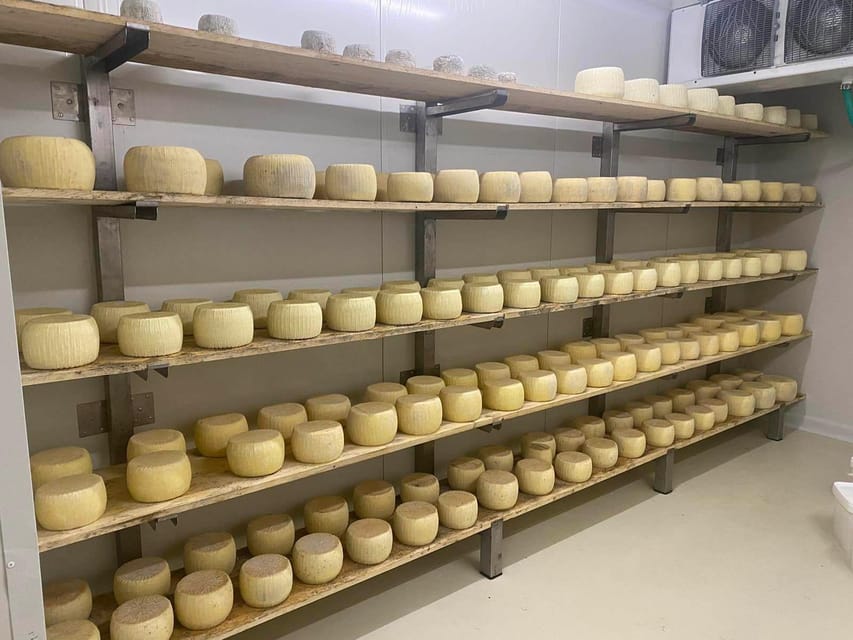
- Shepherd’s house cheese-making: you’ll participate in the process and see farm animals up close.
- Traditional lunch and Cretan sweets: the day ends with food that feels like a family table.
Why this Jeep Safari is a smart way to see central Crete
Crete’s interior doesn’t reward slow wandering the way the coasts do. Roads twist, villages are scattered, and the best viewpoints can sit just off the main routes. That’s why a Land Rover Defender or Nissan Pathfinder format makes sense here: you cover ground without losing the day to transit.
This tour also focuses on three flavors of the island’s identity: olive oil, wine, and farm food. The itinerary is built around stops where you can see production, taste what comes from it, and then eat it in a way that feels properly local.
It’s also timed for an 8-hour day, so you get real variety without turning it into an all-day marathon. That matters when you’re balancing beach time, Heraklion sightseeing, or day trips already in your plan.
Pickup, vehicle choice, and the pace you should expect
You’ll get hotel pickup and drop-off, with multiple pickup options around places like Heraklion, Malia, Hersonissos, and Sisi. The driver arrives within a small window, and they won’t wait long after the scheduled time, so keep your phone nearby and be ready in the lobby about 15 minutes early.
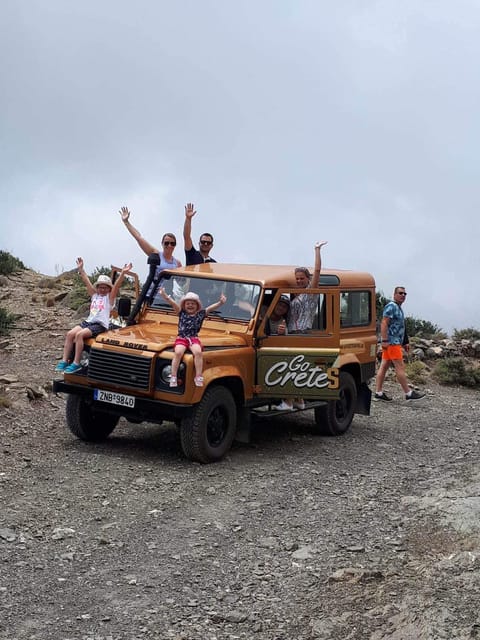
The vehicles are open for the job: Land Rover Defender or Nissan Pathfinder, plus fuel included. Expect a road-trip rhythm with short scenic photo stops and then longer seated stretches between the active moments—villages, tastings, and walks.
Walking is part of the day, including a scenic path and the shepherd’s-house segment. It’s not described as a rugged hike, but it does call for comfortable shoes and realistic patience for uneven ground.
Aposelemis Dam and the SFENTYLI sunken village view
Your first major stop is at Aposelemis Dam, with a photo stop and scenic views on the way (around 20 minutes). The point isn’t just a pretty overlook. The dam area is tied to the story of water, landscape change, and what communities had to leave behind.
You’ll also see the area linked to the sunken village of SFENTYLI. Even if you’re not a “history museum” traveler, these views give you context for why Crete’s interior feels the way it does—practical, shaped by geography, and full of place names that carry meaning.
Tip: bring your camera and plan for bright light. This is the kind of stop where a hat and sunglasses make you happier for the rest of the day.
Avdou village: guided tour, shopping time, and food tasting
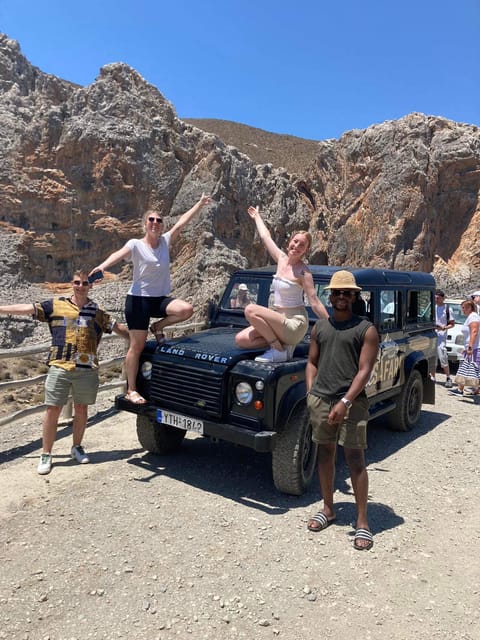
After the dam viewpoint, you head to Avdou for a guided visit (about 40 minutes), plus shopping and food tasting. This is where the day starts to shift from scenery into daily life.
A guided tour matters here. It turns a village visit from wandering without direction into something you can actually read—architecture, how people arrange their streets, what you notice when someone points it out.
The shopping and tasting window is a useful buffer too. You can pick up small gifts or snacks without turning the day into a fixed schedule where you only stop to take photos.
Thrapsano wine stop and the real meaning of the tasting fee
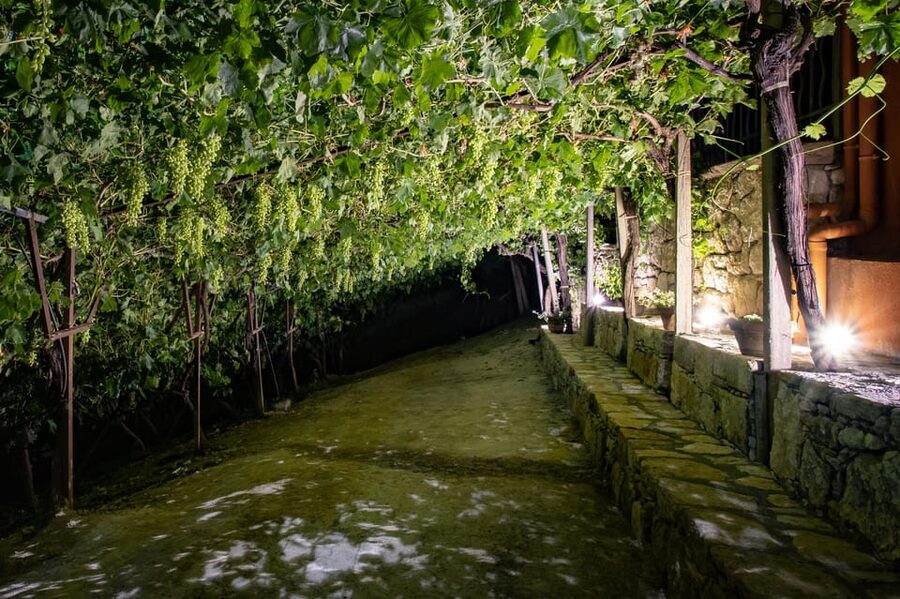
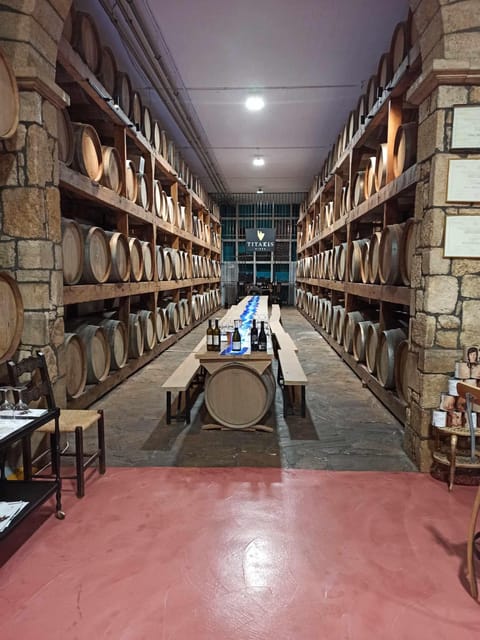
Wine is a centerpiece of the day, and Thrapsano is where the tasting happens, with guided tour time and local snacks (about 1 hour). This is not the kind of winery visit that stays locked behind glass doors. You should expect vineyard and cellar-style context, plus a structured tasting with local pairings.
Important reality check: the winery entrance is about 10 euros per person, and it’s not included in the base price. If you like to plan ahead, treat that as part of your total budget from the start.
That extra fee can be a deal-breaker for some people if you’re expecting deep production access with no extra cost. Some experiences are more informative than others. If you want maximum clarity on what you’re seeing—ask questions during the tasting and don’t be shy about clarifying what’s included in the tour vs what costs extra.
Also, the tasting plus local snacks can still be worth it even with the entrance fee, because the day is combining multiple Cretan food traditions. Wine here is one chapter, not the whole book.
Kato Karouzana photo stop and the scenic break that resets your day
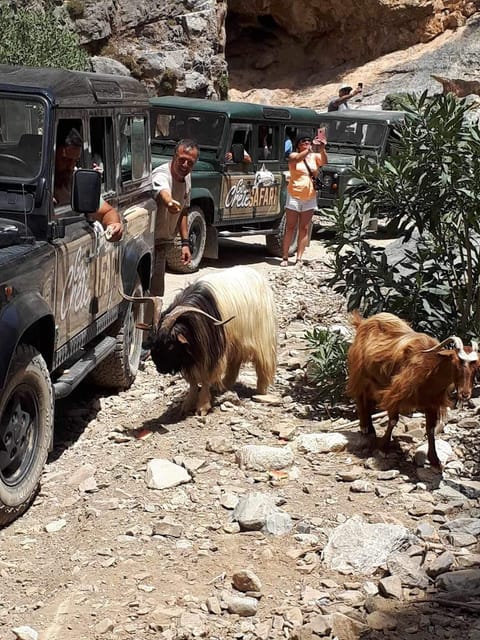
Next comes Kato Karouzana, first as a photo stop and then as a visit with guided time (about 35 minutes). Even if you’re not a serious photographer, these stops are useful because they slow the day down just enough to make the later farm moments feel more special.
There’s also a break later in this area for wine, lunch, free time, and local snacks (about 1.5 hours). That timing matters. After you’ve been through tastings and villages, a longer break gives you a chance to cool off, regroup, and eat before the shepherd’s-house portion.
Food included here is part of the value: traditional Cretan lunch with local wine and water. That’s a big practical point—many tours charge extra for the meal, and here it’s built in.
Olive oil farm production: the part you’ll remember in a year
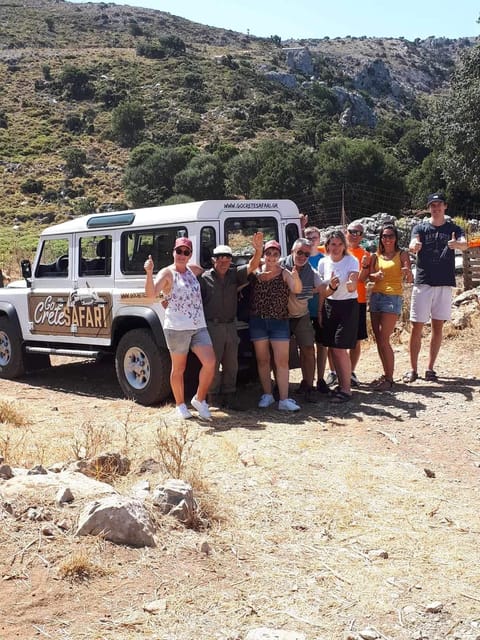
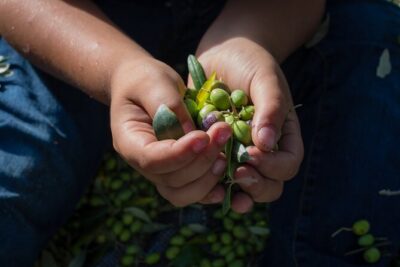
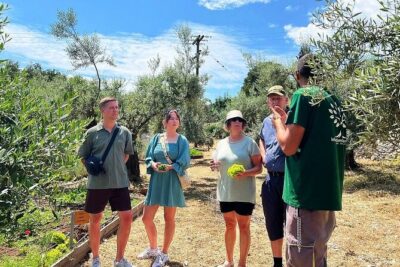
This is the stop I’d circle hardest. The day includes a visit to one of the best olive oil farm areas, where you can see how Cretan olive oil is produced. You’re not just walking past trees and leaving with a bottle like a souvenir.
The value is in how the production fits into daily life. Olive oil in Crete isn’t a trend—it’s work, seasonality, and technique. Seeing the process helps you understand why the taste is so tied to variety, harvest timing, and care. Even if you’re not an oil expert, watching a working farm makes the product feel real.
If you care about flavor, pay attention to what they say about olive varieties and harvesting. And when tasting, notice how the oil behaves—freshness, bitterness, and that peppery finish people associate with quality.
If you’re traveling with people who don’t care about farms, olive oil is one of the exceptions. It’s sensory, practical, and usually memorable even for non-food nerds.
Herb gathering, goats, and the view break you can’t schedule at home
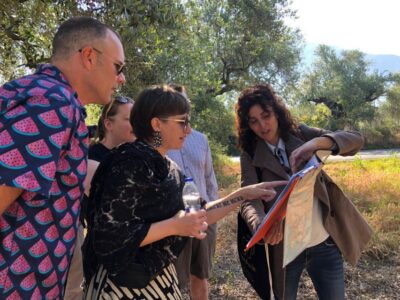
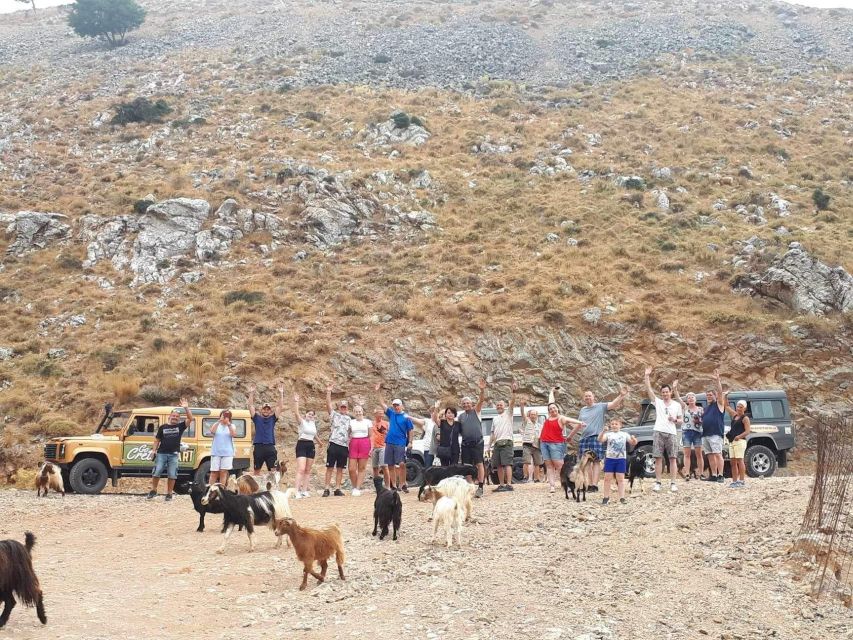
Between the farm and the next village-style stops, you’ll cross a path with an amazing view and a chance to gather herbs. You’ll also walk together with Cretan goats. This is one of those parts that isn’t just about the photo. It gives your day a movement break and a sense of play.
Herb gathering also connects the olive oil and food themes. Herbs are how rural cooking stays bright and recognizable, even when ingredients are simple.
Goats add the fun factor, but they also add unpredictability—so keep your footing in mind and stay aware when you’re near animals. Comfortable shoes matter more than you think on this kind of walk.
Raki in a traditional village: architecture, delicacies, and a slower rhythm
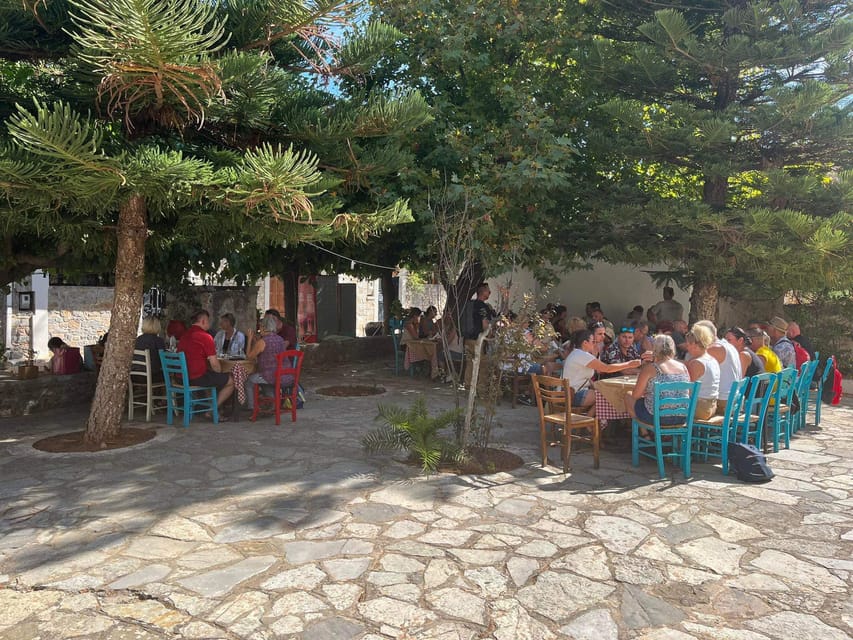
After the scenic path, you’ll enjoy raki with local delicacies in a traditional village. This is where the day becomes more Crete-in-the-small: architecture, the local pace, and food that feels like it’s meant for conversation.
A raki break is more than drinking. It’s a way of structuring rest during a long drive day. You sit, snack, and absorb the atmosphere for long enough to feel like you’re not just moving between stops.
If you’re someone who likes authenticity, this is the part that tends to deliver it—because it’s not about spectacle. It’s about routine.
Shepherd’s house cheese-making: where hands-on learning should happen
The day includes a visit to a shepherd’s house, where you’ll participate in the cheese production process. You’ll also see animals as part of the experience.
This is a high-interest stop for a specific type of traveler: the one who wants to understand how food gets made, not only what it tastes like. The best versions of this moment feel interactive—hands working, steps explained, and you leaving with a better mental map of how cheese fits into farm life.
That said, one caution from the reality of this kind of experience: sometimes the presentation can tilt more toward storytelling than hands-on demonstration. If you want maximum participation, ask early on what you’ll actually do during the process. You’ll get much better value by confirming the level of involvement before the cheese story starts.
The lunch-and-sweets finale at a traditional tavern
The tour finishes with a meal in a traditional tavern making Cretan sweets—described as a unique experience. This is where the day closes the loop: olive oil, wine, raki, cheese, and then dessert that belongs to the same cultural world.
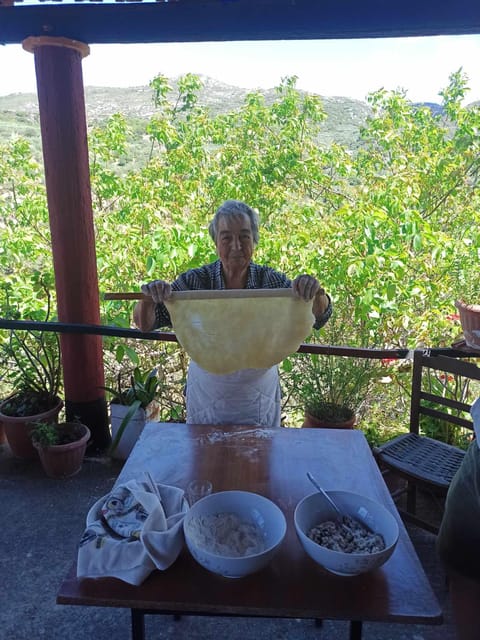
In particular, the lunch stop has a reputation for feeling personal, with cooking demonstrations that make it feel like you’re joining a household table rather than eating on autopilot. You’ll leave with flavors you can actually name, not just vague “Greek food was great” memories.
If you’re someone who tends to skip dessert on tours, this is one you shouldn’t. Cretan sweets are part of the island’s identity, and the making element is what makes it more than sugar on a plate.
Price and value: is $104 fair for 8 hours?
At around $104 per person for an 8-hour day, you’re paying for transportation, guide time, and multiple structured food stops. Hotel pickup/drop-off and the vehicle + fuel are included, along with a traditional lunch with local wine and water.
The main extra cost is the winery entrance fee, about 10 euros. That doesn’t erase the value, but it changes the math. The question becomes: does the winery visit match what you want from a winery?
If you’re happy with tasting and a guided context, the day’s overall mix makes sense. If you’re expecting a deep, no-extra-fee technical production tour every time, you may feel annoyed by the add-on.
So here’s how I’d think about value: this safari is strongest when you want a well-paced, food-centered day across central Crete—olive oil, wine, cheese, and sweets—rather than a single-theme masterclass.
Who should book this safari (and who might skip it)
Book this if you:
- Want a food-first Crete day with olive oil and wine as real learning topics
- Like rural villages and agricultural stops more than museums
- Enjoy short scenic breaks plus tastings, rather than nonstop walking
Consider skipping (or at least temper expectations) if you:
- Need fully accessible routes, because it’s not suitable for people with mobility impairments or recent surgeries
- Expect every production stop to be step-by-step hands-on with no extra costs anywhere
- Don’t like driving days, because the day includes plenty of car time between stops
One more small note: there’s private group available, and that often helps with question time and flexibility. Even on regular groups, the day is designed so guides can respond to what people ask.
Should you book the Jeep Safari Wine & Olive Oil testing Shepherd’s House?
If you want a single day that tastes like central Crete, I’d say yes—with one budget caveat. Plan for the winery entrance fee and arrive ready to ask questions, especially at the cheese-making and wine stops.
If you get a driver/guide who’s chatty and answers questions well (some guides like Janic and Costa are mentioned for keeping the day lively), this safari can feel like a friendly guided route through real food culture. And when lunch and sweets land well, that finale can turn the day from “nice tour” into “I’ll remember this.”
My call: book it if your priority is olive oil + village food + hands-on farm moments, and if you’re okay paying a small extra fee for the winery entrance.
FAQ
What’s included in the tour price?
The price includes hotel pickup and drop-off, a Land Rover Defender or Nissan Pathfinder with fuel, experienced drivers/guides, and a traditional Cretan lunch with local wine and water. Winery entrance is not included.
Do I have to pay extra for the winery?
Yes. Winery entrance costs about 10 euros per person (and it’s not included in the base price).
How long is the tour?
The duration is 8 hours.
Are pickup and drop-off included?
Yes. Pickup and drop-off are included to your hotel area, with 9 pickup options and 9 matching drop-off locations.
What languages is the live guide available in?
Live tour guide languages listed are Dutch, English, German, French, Greek, Italian, and Russian.
What should I bring or wear?
Wear comfortable shoes and comfortable clothes. Bring sunglasses and a sun hat, and a camera is useful since there are photo stops.
Is this tour suitable for people with mobility issues?
No. It is not suitable for people with mobility impairments or recent surgeries.