REVIEW · VIESTE
Discovering extra virgin olive oil
Book on Viator →Operated by OlioBiscotti · Bookable on Viator
Olive oil education, the real way. You’ll spend an easy, evening 2 hours at Azienda agricola Pierluigi Biscotti in Vieste, learning how olives go from tree to mill to glass. The best part is that you don’t just hear theory—you get guided tasting time, with extra virgin olive oil and local pairings built in.
I especially liked Pierluigi’s clear, English explanations of how an organic olive operation works all year. I also liked the full sequence: grove time, then the taste (including flavored oils) alongside a spread of Gargano specialties, with food that can extend into a home-style meal with his mother, Anna.
One thing to consider: this runs as a set evening slot (6:00 PM–8:00 PM), so it’s not the best choice if you’re looking for a long, daytime adventure or a flexible schedule that can stretch late.
In This Review
- Key highlights worth your time
- Meeting Pierluigi at his Vieste farm
- The grove lesson: pruning, soil work, and what year-round care really means
- From olives to extra virgin: how processing in the mill fits into the story
- Organic farming challenges: what “sustainable” costs in real time
- The tasting: extra virgin, flavored oils, and the Gargano flavor table
- What you actually eat: bruschetta, cured meats, cheeses, and seafood
- Pairing oil with local wines: learning without getting snobby
- Price and timing: what $60.47 buys you in value
- Who should book this oil and food evening
- Should you book this extra virgin olive oil experience?
- FAQ
- How long is the extra virgin olive oil experience?
- Where does the tour start?
- Where does the tour end?
- What time does it run?
- Is the tour private?
- What language is it offered in?
- Do I get a mobile ticket?
- What do you taste during the tour?
- What food is included?
- Can most travelers participate?
- Is there free cancellation?
Key highlights worth your time
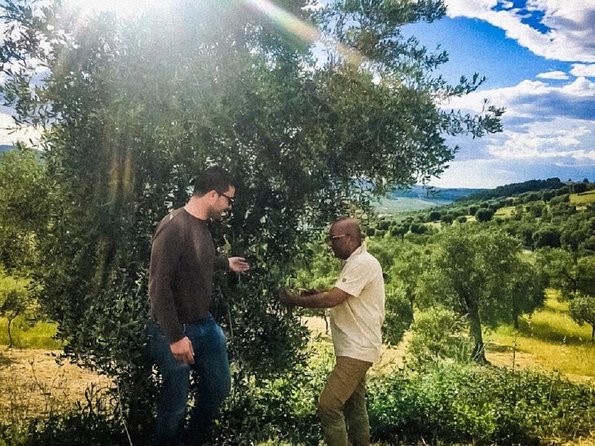
- Generational family farm: learning the process from someone living it every day
- Olive grove walking + care techniques: pruning, soil work, and why it matters for harvest
- Organic production reality check: the challenges of farming sustainably (not just the marketing)
- Mill process explained in plain terms: how olives become extra virgin olive oil
- Tasting that goes beyond plain oil: extra virgin, flavored variants, plus other local specialties
- Food pairing mindset: guidance on how to match oil with local dishes
Meeting Pierluigi at his Vieste farm
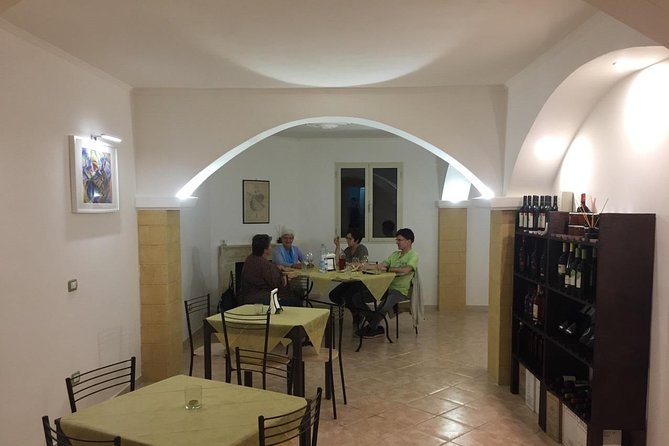
This experience starts at Azienda agricola Pierluigi Biscotti, a family agricultural property on the outskirts of Vieste. It’s an evening activity that typically runs about 2 hours, and it’s set up as a private tour, so your group stays together.
What I like about this format is that it feels grounded. You’re not rushing between five “photo stops.” Instead, you get a focused visit: background on the company, then the olive story from tree to press to the table. If you’re the type who enjoys food tourism that actually teaches you something you can use later, you’ll probably enjoy the pace.
The grove lesson: pruning, soil work, and what year-round care really means
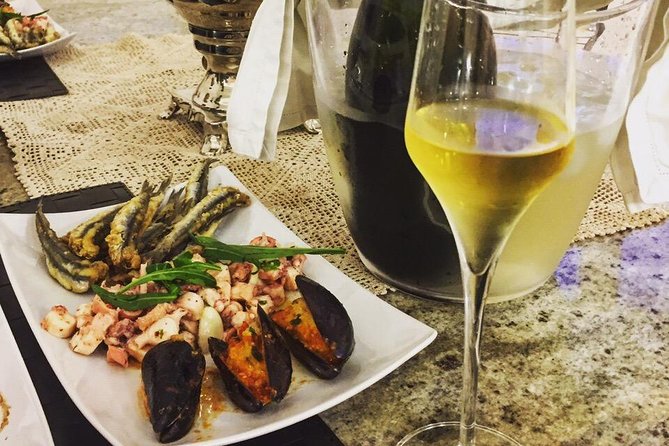
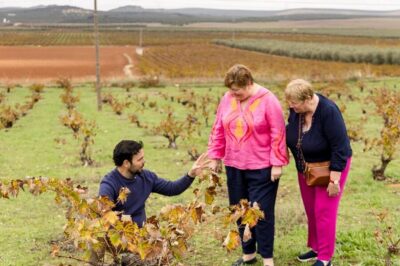
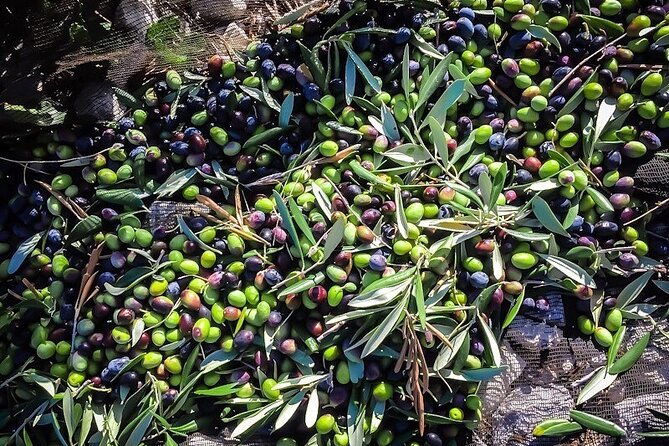
A big chunk of the value is the olive grove portion. You’ll learn about the main olive cultivars of the region, and you’ll also hear how agricultural techniques shape the outcome. The core theme is simple: you can’t make good oil with a last-minute sprint.
In the grove, the focus is on how trees are maintained and why. Pruning gets discussed as a way to maximize results, and you’ll get a sense of the long-term rhythm of the work. One standout detail from the experience is the use of a drone to inspect the trees for potential insect or other concerns. It’s a modern tool, but it’s used for practical farming decisions—exactly the kind of “old tradition + real-world technique” combo that makes this feel authentic.
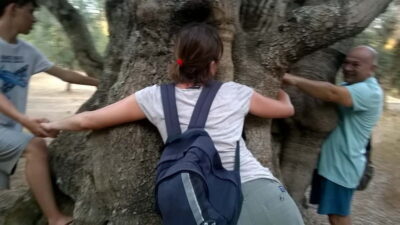
Also, the grove portion includes time with very old trees. That matters, because it changes the conversation from quick yields to stewardship. You’ll walk away understanding that olive growing is not a one-season hobby—it’s a repeated cycle of care.
From olives to extra virgin: how processing in the mill fits into the story
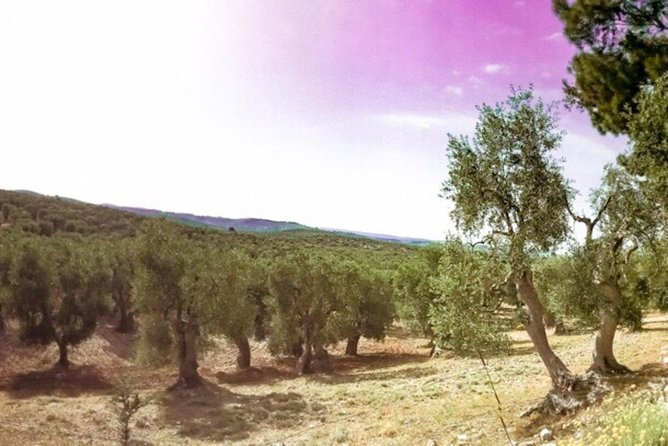
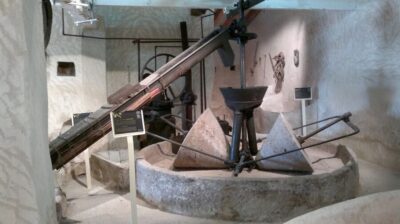
After the grove work, the tour shifts to processing. You’ll hear about how olives are handled and processed in the mill, and you’ll see how the farming choices connect directly to the final oil.
This part is valuable because most tastings skip the mechanics. Here, the explanation is tied to the reality of producing extra virgin olive oil rather than just describing flavors. You’ll also get a brief presentation of the company’s development—how Pierluigi’s operation began and how it looks now—so the technical discussion has a human backdrop.
If you’re the sort of traveler who wants to understand what “extra virgin” actually depends on, this is where your questions start getting answered instead of ignored.
Organic farming challenges: what “sustainable” costs in real time
A lot of tours say organic. This one talks about what it means day to day. You’ll learn about the challenges of running an organic olive operation, especially in a modern agricultural world where pests, weather swings, and labor demands don’t take weekends off.
What I like about this angle is the balance. It isn’t fear-mongering, and it isn’t a glossy pitch. You get practical context: why environmental choices complicate farming, and why that effort is tied to both health and quality.
It also gives you better taste-sense later. When you know the work that went into the oil—pruning strategy, soil care, and organic management—you’re more likely to notice differences during tasting, not just follow along for the “wow.”
The tasting: extra virgin, flavored oils, and the Gargano flavor table
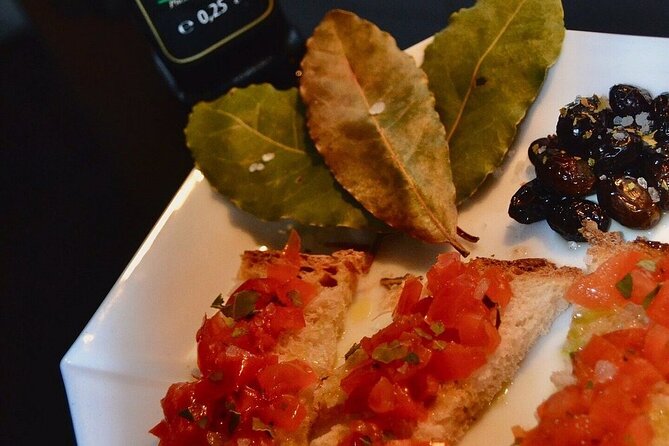
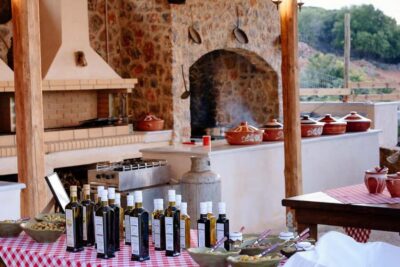
This is where the evening earns its keep: tasting time. You’ll try the farm’s olive oil and you’ll also get to taste flavored variants. That’s a fun twist, because flavored oils often teach you something about how people use oil in daily cooking—not just how it tastes straight.
Alongside oil, the experience includes other local specialties from the Gargano area and local wines. The tour doesn’t treat the tasting like a quick sip-and-go. Instead, it builds toward food pairing, so you taste with a purpose.
One helpful detail: after tasting, you’ll receive hints on culinary combinations—how to think about matching oil with ingredients instead of treating oil like a decorative finishing drizzle. Even if you cook only a little, these pairing instincts translate fast when you’re back home.
What you actually eat: bruschetta, cured meats, cheeses, and seafood
The sample food focus centers on a typical plate of local products. You can expect assorted bruschetta with local ingredients—cheeses and cured meats—and seafood specialties. That combo fits the Gargano style: simple building blocks, strong local flavors, and food that doesn’t need a lot of fuss to taste good.
I also appreciated that the meal concept feels social and generous rather than “tour-lunch corporate.” Several notes from the experience highlight plates prepared with care, including a home-style component at the end of the tour with Anna. If you have dietary requests, you’ll want to mention them in advance because the host has shown flexibility.
Practical tip: come hungry enough to enjoy it, but not so ravenous that you’re rushing to chase the first bite. The best part of the food here is pairing it with the oil tastings you just learned about.
Pairing oil with local wines: learning without getting snobby
Local wine is part of the tasting rhythm. You’ll be guided with pairings that make sense with Gargano foods and the oils you’re sampling.
What makes this useful is that you’re not forced into wine lectures. The aim is to connect flavors: oil characteristics plus food richness plus wine choices. It helps you understand why certain dishes in Puglia seem to “just work,” even when nobody is explaining the science at the table.
And if you’re the type who normally avoids tasting sessions because they feel scripted, this one’s different. It’s conversational, and the guidance on combining oil with dishes feels like it’s meant for real kitchens.
Price and timing: what $60.47 buys you in value
At $60.47 per person for around 2 hours, this is priced like a quality food experience, not a mass-produced tasting. The value comes from three things stacked together:
- Instruction: olive cultivars of the region, farming techniques, and processing at the mill
- Tasting: extra virgin plus flavored variants, plus local specialties and wines
- Food: a plate of local products and bruschetta-style bites tied to the region’s flavors
So you’re paying for both knowledge and an actual meal sequence, not just a “try a few drops of oil” moment. Also, since it’s a private tour, that pricing makes more sense if you’re comparing it with private food experiences elsewhere.
Timing is also part of the deal. Opening hours are 6:00 PM–8:00 PM (daily within the listed date range), and you’ll return to the meeting point at the end. That makes it easy to slot into an evening plan in Vieste.
Who should book this oil and food evening
This fits best if you want more than a souvenir. You’ll likely enjoy it if you care about:
- learning how olive oil is made and how farming decisions affect quality
- trying olive oil in a tasting format that includes flavored versions
- eating Gargano specialties alongside oil and local wine
- spending time with a host who explains with energy and clear care
It’s also a strong choice for couples and small groups who prefer a quieter, more personal experience rather than a big group tour.
If you’re strictly chasing a quick snack, you might find the whole structure a bit “lesson-heavy.” But if you enjoy understanding what you’re eating, this is a very satisfying use of your evening.
Should you book this extra virgin olive oil experience?
Yes—if you want an evening in Vieste that teaches you something real and feeds you well. This experience has a rare mix: grove knowledge, mill process explanations, and a tasting table that’s connected to food, not separate from it.
I’d especially recommend it if you like hands-on farming details (pruning, soil work, organic challenges) and you want to taste olive oil the way Italians actually use it. If your schedule is tight, remember it runs in a fixed 6:00–8:00 PM window, so plan dinner afterward accordingly.
FAQ
How long is the extra virgin olive oil experience?
It lasts about 2 hours.
Where does the tour start?
The tour starts at Azienda agricola Pierluigi Biscotti, C da Coppitella, 32, 71019 Vieste FG, Italy.
Where does the tour end?
This activity ends back at the meeting point.
What time does it run?
The listed hours are 6:00 PM to 8:00 PM, Monday through Sunday.
Is the tour private?
Yes. It’s a private tour/activity, so only your group participates.
What language is it offered in?
It’s offered in English.
Do I get a mobile ticket?
Yes. It includes a mobile ticket.
What do you taste during the tour?
You’ll taste extra virgin olive oil, including flavored variants, along with other Gargano specialties and a choice of local wines.
What food is included?
You’ll have a plate of typical local products and assorted bruschetta with local cheeses, cured meats, and seafood specialties.
Can most travelers participate?
Yes, most travelers can participate.
Is there free cancellation?
Yes. You can cancel for a full refund up to 24 hours in advance of the experience start time. Free cancellation is available under that condition.