REVIEW · GRANADA
Olive Oil Excursion to an olive mill in the Lecrín Valley
Book on Viator →Operated by Andalucia Travel Experience · Bookable on Viator
Granada’s olive oil story starts in the Lecrín Valley. This 2-hour experience takes you from the city to Niguelas for a visit to an Arab olive mill, where you’ll see how olives turn into extra virgin olive oil. What I like most is the focus on the process—old-world pressing explained in plain language, so it actually clicks.
Two big wins: you get pick up and drop off from a central meeting point, and you also get an extra virgin olive oil tasting to connect what you see with what you taste. The main thing to consider is that it’s short and there’s no lunch included, so plan around it if you’re hungry afterward.
In This Review
- Key takeaways before you go
- Olive Oil Excursion to the Lecrín Valley: what it’s really like
- Getting there from Granada: the 9:30 start and how it flows
- Stop in Niguelas and the Arab mill visit: what to expect
- Learning the production steps: turning facts into understanding
- The extra virgin olive oil tasting: how to make the most of it
- Small-group travel from Granada: why it matters for your experience
- Price and value: is $71.38 worth it?
- Who this olive oil excursion suits best
- Should you book it? My straight recommendation
- FAQ
- What time does the tour start, and where do I meet it?
- How long is the Olive Oil excursion?
- Is the tour offered in English?
- What’s included in the price?
- Is lunch included?
- How many people are in the group?
- Do I get a mobile ticket?
- What’s the cancellation policy?
Key takeaways before you go
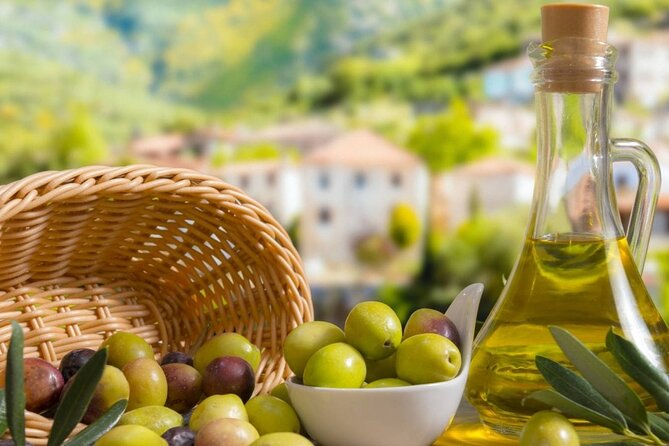
- Arab-era pressing process: You’ll follow how olives were handled and pressed, not just hear general facts.
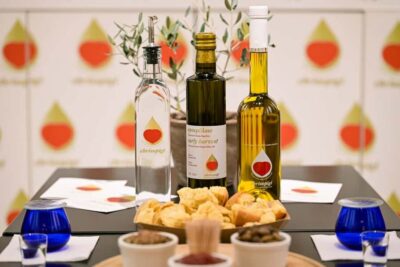
- Tasting included: The trip pairs the mill visit with tasting extra virgin oils.
- Small group size: Maximum 8 travelers means you should have room to ask questions.
- Convenient Granada pickup/drop-off: Easy start from Plaza de Mariana Pineda.
- English option: Offered in English for a smoother experience.
Olive Oil Excursion to the Lecrín Valley: what it’s really like
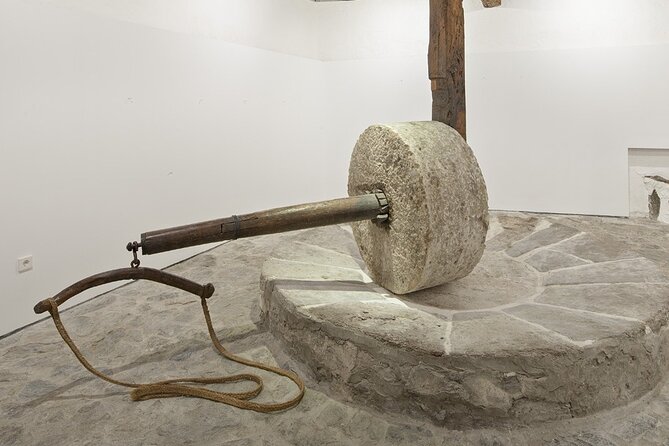
This is the kind of tour that works when you want something practical and real, not just a quick photo stop. You leave Granada, go out to the Lecrín Valley area, and visit an olive mill tied to an Arab-style tradition. The emphasis is on production—how olives get processed and how oil comes out—so the whole thing feels grounded.
I also appreciate that the format keeps it human-sized. The group max is 8 travelers, and you’ll have a local guide. That matters because olive oil can sound abstract until someone connects the steps. Here, the tour is set up to make the process understandable, including what’s happening at each stage.
If you’re looking for a long countryside day, this isn’t it. It’s about 2 hours (approx.), and the “after” part is on you—there’s no lunch included, and the experience returns to the same meeting point.
You can also read our reviews of more tours and experiences in Granada.

Getting there from Granada: the 9:30 start and how it flows
The meeting point is Plaza de Mariana Pineda, in central Granada (Pl. de Mariana Pineda, Centro, 18009). Start time is 9:30 am, and the experience ends back at the meeting point, so you don’t have to think about a complicated return.
They also say the activity is near public transportation. That’s useful if you want a backup plan or if you’re coming from somewhere else in Granada and don’t want to risk being late.
Why the timing matters: a morning departure usually keeps the outing comfortable and efficient. You’re also more likely to get a calm, focused mill visit rather than something rushed at the end of the day.
Stop in Niguelas and the Arab mill visit: what to expect
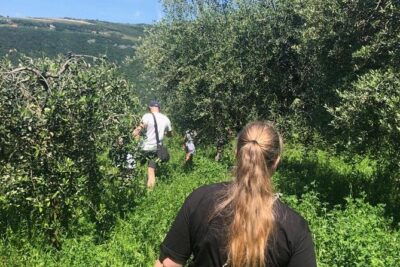
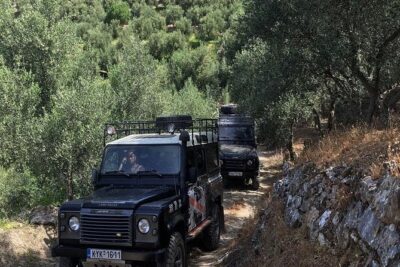
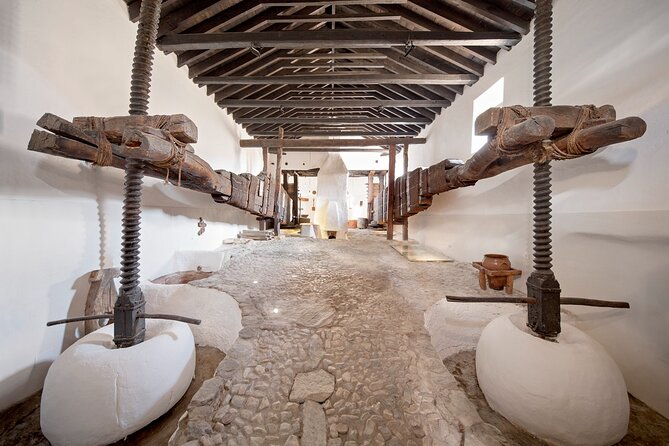
The day’s main stop is Niguelas, where you’ll travel into the Lecrín Valley to visit an Arab mill. This isn’t a lecture that stays in a single room. The point is to see the production approach tied to old Arabic pressing techniques, the same way the olives would have been processed long ago.
Here’s what you should pay attention to during the visit:
- How the olives are handled before pressing (because that’s where quality starts)
- What parts of the process are about extracting the oil versus separating it
- How the guide explains the logic of the steps—so it doesn’t feel like random machine talk
From the strong feedback attached to this experience, the best moments are when the guide connects the process to something you can picture in your head. One highlight is how the tour makes people genuinely curious about how olives and olive oil were produced in earlier times. That’s a good sign: it usually means you’re not just watching a demonstration—you’re learning the “why” behind each step.
A possible drawback? Because this tour is focused and time-limited, you may not get the kind of super-deep, hands-on workshop you’d see on longer food-focused farm days. Still, for most visitors, it’s the right length to learn something solid and then move on.
Learning the production steps: turning facts into understanding
Olive oil production has a few basic stages, but it’s easy to get lost if someone only lists terms. This experience is built around clarity. The guide leads the way through the mill visit, and you’ll get a narrative that connects the historic pressing process to the final result: extra virgin olive oil.
The value here isn’t just curiosity. It’s practical knowledge you can use later. After the tour, you’ll be better at understanding what you’re tasting—because you’ll know what happens before the oil ever reaches a bottle.
Also, the guide being warm and friendly is more than a comfort detail. In food tours, that friendliness often means better pacing and more room to ask basic questions without feeling awkward.
The extra virgin olive oil tasting: how to make the most of it
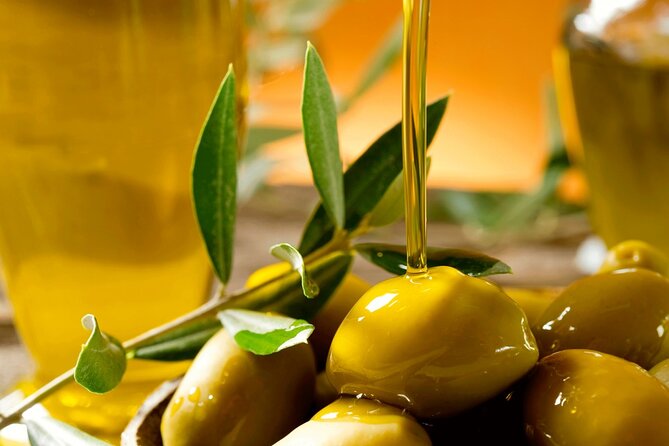
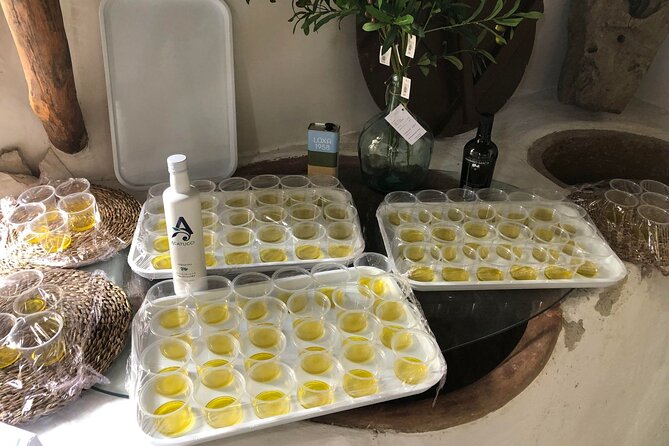
The tasting is included, and it’s not an add-on you can skim. It’s where the tour clicks into something you’ll remember.
Here’s how to get more out of it:
- Slow down and notice aroma first, then taste second
- Think in terms of what tastes fresh and what feels sharper or smoother
- If you like certain flavors, ask the guide what might explain it (production steps and selection of olives can influence the final profile)
Because it’s an olive mill setting, the tasting typically feels more meaningful than tasting in a generic shop. You’ve just seen how oil is made, so the tasting becomes a kind of feedback loop: what you learned helps you understand what you’re drinking (or rather, tasting).
One note: the tour includes tasting of extra virgin olive oils, but the exact number and variety of samples aren’t specified in the tour details. If you’re the type who wants to compare lots of different oils, you might find this more “focused and guided” than “flight-heavy.”
Small-group travel from Granada: why it matters for your experience
With a maximum of 8 travelers, you should expect a small, manageable group. That’s ideal for a mill visit, because you can hear explanations more easily and you’re less likely to be stuck waiting behind a bigger crowd.
It also tends to make the guide’s interaction better. When people ask questions, the guide can actually answer them instead of keeping pace with a large tour rhythm.
This is also a good choice if you want a break from city time. The outing works well as a morning reset: you get out of Granada, trade streets for production, and return feeling like you did something specific.
Price and value: is $71.38 worth it?
At $71.38 per person for about 2 hours, the price sits in the “reasonable but not a throwaway” category. The main reason it can feel worth it is that it includes three things that often cost extra on other tours:
- Pick up and drop off
- A local guide
- Tasting of extra virgin olive oils
That trio changes the value equation. If you had to arrange transportation yourself, or if you had to pay separately for the tasting, the overall cost would usually climb. Here, you’re paying for a guided, simple package that takes you from central Granada to the mill and back.
The other side of the value question is time. Since there’s no lunch included and the experience is short, make sure you treat it as a half-activity, not a full day meal-and-tour program. If you’re fine with that, the cost makes more sense.
Who this olive oil excursion suits best
This tour is a strong fit if you want:
- A short, guided food experience in the Granada area
- A focus on how something is made, not just a place to visit
- An outing that isn’t overly crowded (up to 8 people)
- An English-friendly format
It’s especially good for people who like practical travel—learning a craft process and then using the tasting to confirm what they learned.
If you’re after a long countryside tour with extended time at multiple stops, you might feel this is too compact. But if you want one clear mission—Arab mill process plus tasting—it does that well.
Should you book it? My straight recommendation
Book it if you want an easy morning break that includes both learning and tasting. The Arab mill focus is the real draw, and the strong feedback points to guides who explain the old pressing process in a way that makes you curious, not just passively entertained.
Skip it or consider alternatives if you need:
- A longer outing (this is around 2 hours)
- Lunch included (it’s not)
- Lots of different tasting comparisons (only tasting of extra virgin oils is stated, not a broad flight)
If you’re in Granada and want one memorable “food learning” experience without adding transport stress, this is a sensible pick.
FAQ
What time does the tour start, and where do I meet it?
The tour starts at 9:30 am. You meet at Plaza de Mariana Pineda (Pl. de Mariana Pineda, Centro, 18009 Granada, Spain), and it ends back at the same meeting point.
How long is the Olive Oil excursion?
It runs for about 2 hours (approx.).
Is the tour offered in English?
Yes. The experience is offered in English.
What’s included in the price?
The price includes pick up and drop-off, a local guide, and a tasting of extra virgin olive oils.
Is lunch included?
No. Lunch is not included.
How many people are in the group?
The tour has a maximum of 8 travelers.
Do I get a mobile ticket?
Yes. The tour includes a mobile ticket.
What’s the cancellation policy?
Free cancellation is available. You can cancel up to 24 hours in advance for a full refund. If you cancel less than 24 hours before the start time, the amount paid is not refunded.