REVIEW · LAGORCE
Olive oil: Visit to the olive grove, tasting
Book on GetYourGuide →Operated by Claire Sixtre-Grorud · Bookable on GetYourGuide
Olive trees slow you down fast. This one-hour visit in the Ardèche countryside is a hands-on look at how an organic olive grove actually works, from day-to-day care to a relaxed extra virgin olive oil tasting. I especially like the way Claire Sixtre-Grorud makes the grove feel personal and practical, and I love that you get to taste the result, not just hear about it. One consideration: it’s outdoors on natural ground, so good shoes matter.
You’ll walk a bit, learn about seasons and field tasks, and finish with a short informal get-together with the producer. The group stays small, and you can choose French or English during the tour, though having some French helps you catch everything.
In This Review
- Key things you’ll notice on this olive grove visit
- A One-Hour Olive Grove Walk in the Ardèche Countryside
- Meeting Claire at the Barn: Getting There Without Stress
- Through the Organic Grove: Trees, Seasons, and Real Farming Work
- Local Olive Varieties Explained: Grossane, Rougette, Aglandau, Picholine, Négrette
- Pruning and Harvesting: Why Those Tasks Shape the Olive Oil
- The Extra Virgin Olive Oil Tasting: How to Taste With Confidence
- Organic Farming on a Real Farm: What You’ll Take Away
- Price and Value: Is $8 Really a Good Deal?
- Who This Tour Suits Best (And Who Should Skip It)
- Quick Tips Before You Go (So You Enjoy the Hour)
- Should You Book This Olive Grove Visit?
- FAQ
- How long is the olive grove tour and tasting?
- How much does it cost?
- Where is the meeting point?
- What languages are available during the tour?
- Is the tour mostly a walking visit?
- What should I wear and bring?
- What happens if it rains?
- Are there small groups?
- Can I reach the site by any vehicle?
Key things you’ll notice on this olive grove visit
- An organic grove tour in the middle of the Ardèche countryside, not a showroom setup
- A real guide, Claire Sixtre-Grorud, who explains with real farm context
- Five local olive varieties covered in the walk: Grossane, Rougette, Aglandau, Picholine, Négrette
- Pruning and harvesting explained as part of the growers’ rhythm through the seasons
- A friendly tasting of their organic extra virgin olive oil at the end of the hour
- Small group feel, so you can ask questions instead of watching from the back
A One-Hour Olive Grove Walk in the Ardèche Countryside
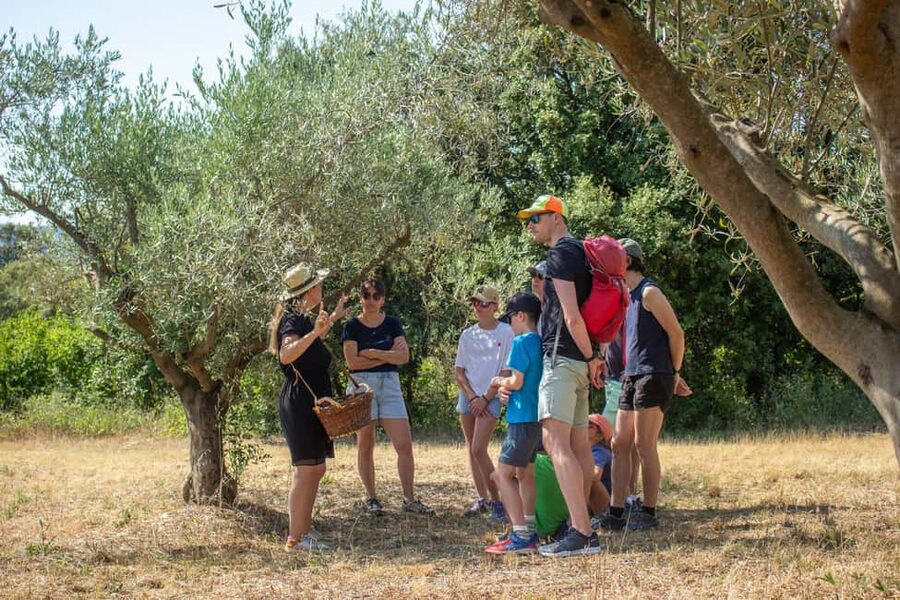
This is the kind of activity that works well when you want something real and local, without taking over your whole day. You’re in Auvergne-Rhône-Alpes, in the heart of the Ardèche countryside, where olive trees aren’t just scenery. They’re working plants, and the tour treats them that way.
Expect about 1 hour total. The guided walk takes around 45 minutes, and the rest is for the tasting and a bit of informal conversation. The pacing is friendly, and the focus stays on how olive growing happens on the ground: seasons, tasks, and the olive varieties that do well locally.
I also like that the experience isn’t trying to “wow” you with big claims. It’s more about helping you see what’s happening in the grove and then linking it directly to what ends up in the bottle. That simple connection is why this tour feels satisfying even if you’re only there for an hour.
Meeting Claire at the Barn: Getting There Without Stress
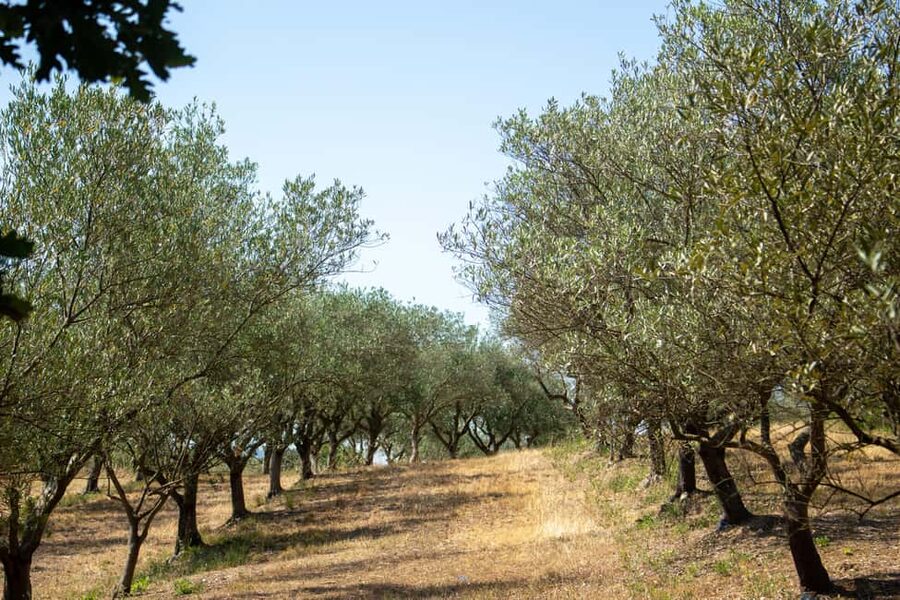
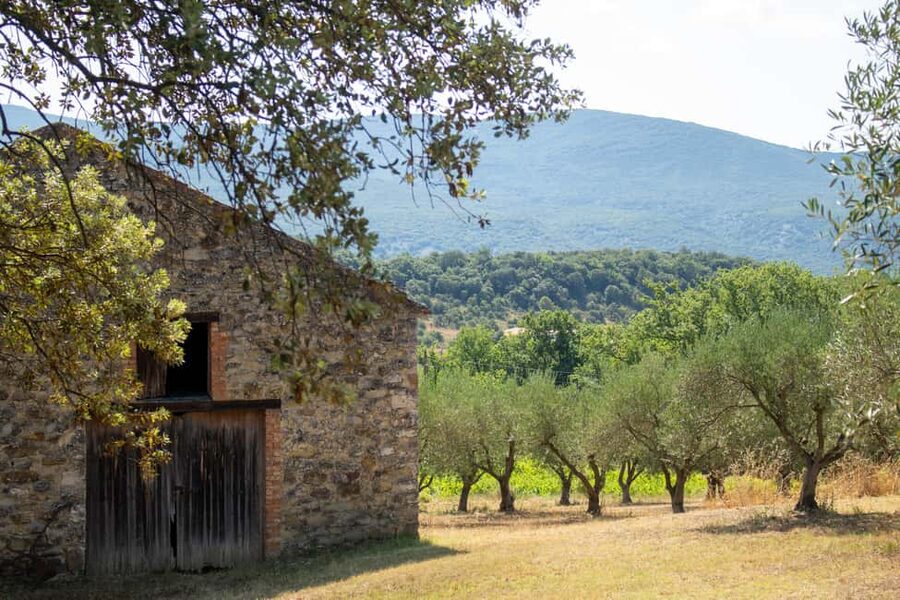
You’ll meet in front of the barn. It’s a straightforward start, and it sets the tone: this is a working farm setting.
One practical point that matters: access to the site requires a suitable vehicle because the road is sloping and unpaved. If your car or rental isn’t comfortable on that type of road, park further down and walk up. That walk is on natural ground, so plan for uneven footing.
Language is another quick planning note. The guide offers French and English, and the tour content may appear in the original language for some parts. From what I’ve seen in the guide style, having some basic French makes things easier, even if you choose English.
Arrive 5 to 10 minutes early. In a small-group setup, a late start can throw off everyone’s flow.
Through the Organic Grove: Trees, Seasons, and Real Farming Work
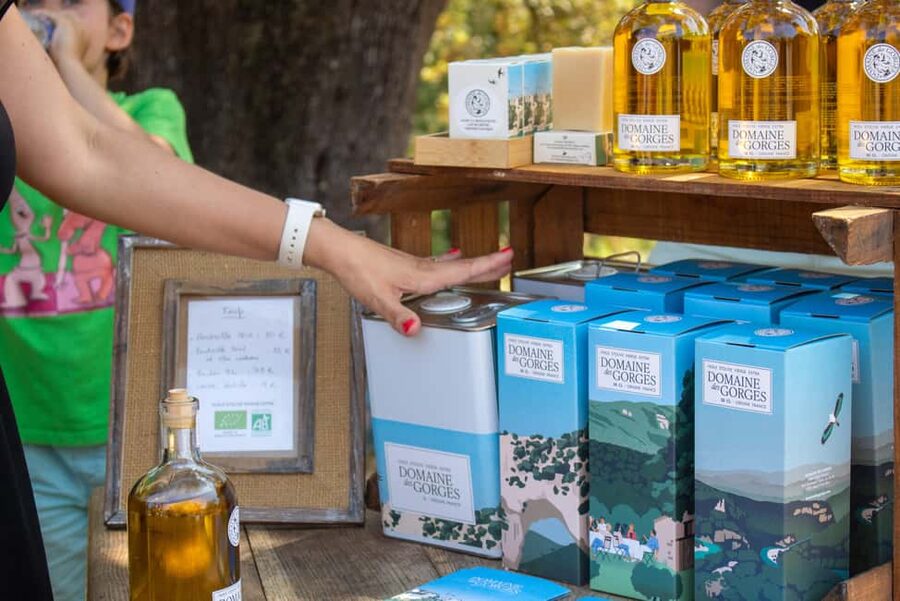
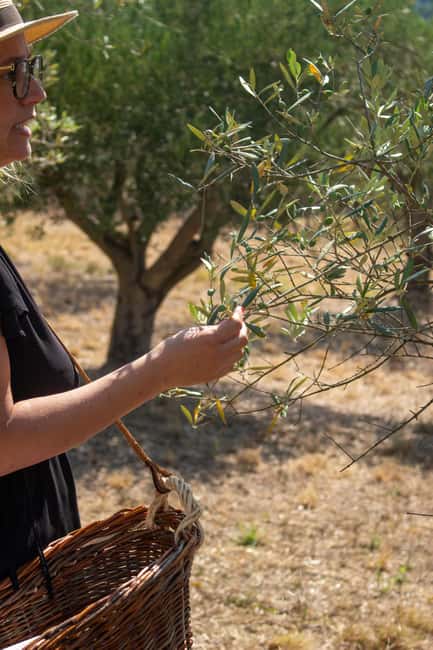
The heart of the tour is the guided walk through the olive grove itself. This isn’t a quick “look at the tree” stop. You’ll be shown the grove and taught how the growers think about it.
You’ll discover:
- the olive trees and how they’re cared for
- how the seasons shape what needs doing
- the growers’ daily life as olive farmers
- why organic practices change the way you manage the orchard
What I like here is the tone. The tour is about understanding the rhythm. Olive growing has timing built into it, and the guide explains tasks in a way that helps you connect the “now” in the grove to what the trees will need later.
And because the tour is done in a small group, you can actually ask questions. That matters when you’re learning something technical like farming tasks but you still want it explained in plain language.
Local Olive Varieties Explained: Grossane, Rougette, Aglandau, Picholine, Négrette
One of the most useful parts of this experience is the specific focus on local varieties. Instead of generic talk about olives, you get a tour that names the cultivars grown in the Ardèche and discusses their characteristics.
You’ll learn about these varieties:
- Grossane
- Rougette
- Aglandau
- Picholine
- Négrette
I find this matters because it changes how you see olive oil labels later. After the tour, “local variety” stops being marketing buzz and becomes something you can picture in a grove. Even if you don’t become an olive expert overnight, you’ll recognize that different trees can be part of different growing and oil-making choices.
Also, knowing the names makes the tasting more interesting. You’re not sampling in the dark. You’ve been told what’s growing here and how the farm approaches them, so your senses have context.
Pruning and Harvesting: Why Those Tasks Shape the Olive Oil
Olive growing isn’t one single big moment. The tour focuses on essential tasks, especially pruning and harvesting, and explains them as part of the growers’ routine.
Here’s what you can expect to learn as you walk:
- what pruning is meant to accomplish in an orchard
- how harvesting fits into the seasonal rhythm
- what the growers pay attention to as they manage the grove through time
- how these choices connect to the final extra virgin olive oil
I like that the tour doesn’t treat pruning and harvest as trivia. It frames them as real decisions growers make. That’s the practical value: you leave understanding that olive oil quality isn’t a mystery. It’s linked to ongoing work in the grove.
One small practical note: you’ll likely be on uneven natural ground while the guide points things out. Wear shoes you don’t mind getting a bit dusty or scuffed.
The Extra Virgin Olive Oil Tasting: How to Taste With Confidence
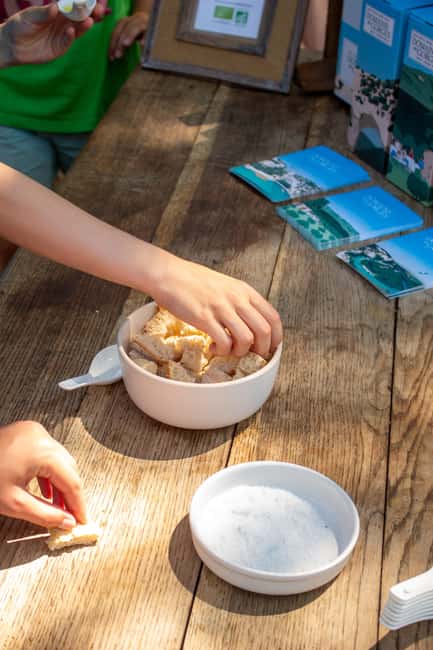
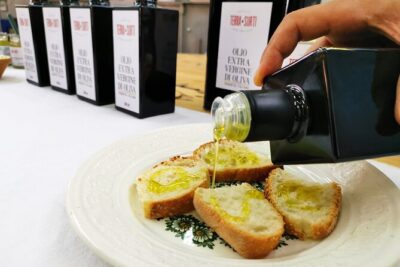
The tour ends with a tasting of their organic extra virgin olive oil. This is the part that turns the walk into something you can take home in your memory, not just your photos.
The guide leads you into the tasting so your senses aren’t left guessing. You’ll be able to taste the oil and learn how the producer thinks about it. The tasting is described as friendly and sensory-focused, with the goal of helping you notice differences rather than follow a strict chemistry lesson.
I’d treat the tasting like a mini practice session. Even if you’re not sure what you like yet, pay attention to:
- how it feels when you taste it
- what aromas you notice first
- whether the oil tastes more smooth or more lively (your own words, not “perfect” ones)
What makes this tasting feel worth it is the buildup. You learn about the grove, the local varieties, and the organic approach first. Then you taste the end result from the same place.
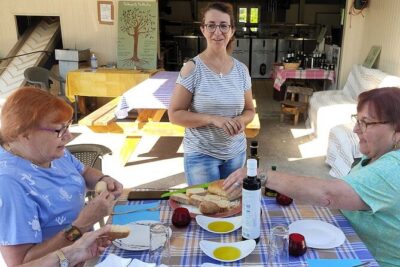
Afterward, there’s an informal get-together and discussion with the producer. That’s where you can ask simpler questions, like what’s going on in the orchard right now or how they approach organic farming day to day.
Organic Farming on a Real Farm: What You’ll Take Away
The tour includes an explanation of organic farming practices and the growers’ approach to farming in the Ardèche. You’re not just hearing what organic means in theory. You’re hearing how it plays out in the grove, tied to daily tasks and seasonal timing.
From a value perspective, this is important. Organic can sound like a label. Here, it’s presented as a working philosophy. You’ll hear how the growers describe their attachment to this land and how their profession shapes their choices.
I also like the practical tone. The tour doesn’t try to overwhelm you with jargon. It keeps coming back to the same themes: trees, seasons, work, and the link between the grove and the oil.
If you care about food provenance, this fits well. If you’re just curious, it still works. You’ll leave knowing more than you did at the start, but in a way that feels grounded.
Price and Value: Is $8 Really a Good Deal?
At about $8 per person, this tour is priced in the “easy yes” category. The value comes from the combination: a guided walk through an actual organic olive grove plus a tasting plus time to chat with the producer.
Even if you’re only interested in the tasting, you’re not paying for a generic olive oil experience. You’re paying for context: the varieties grown here, the farming tasks, and the organic approach that shapes what ends up in the bottle.
There are no obvious “extra charges” mentioned as part of the experience. And because the total time is about one hour, it’s easy to fit into a day without feeling like you’re committing to a long excursion.
If you’re doing a quick stop in Ardèche and want something authentic that isn’t just tasting for tasting’s sake, this price-to-experience ratio is strong.
Who This Tour Suits Best (And Who Should Skip It)
This is a great match if you want:
- an authentic food-and-farm experience in the Ardèche
- a guided explanation of how olive farming works
- a tasting of organic extra virgin olive oil connected to the grove
- a small-group feel where you can ask questions
It’s also ideal if you enjoy learning outdoors. Just remember it’s outdoors on natural ground, so bring what you need for sun and walking.
That said, it’s not suitable for people with mobility impairments or wheelchair users. The walk and access situation don’t fit those needs, based on how the site is approached and the terrain.
Quick Tips Before You Go (So You Enjoy the Hour)
- Wear comfortable shoes for uneven natural ground.
- Bring a hat, water, and sunscreen since the tour is outdoors.
- Plan to arrive 5 to 10 minutes early so the small-group schedule stays smooth.
- If rain shows up, the tour may be postponed or canceled, so keep an eye on timing.
If you speak English, that’s fine since French and English are both available. If you have any French, even basic, you’ll likely feel more confident following along with farm terms and explanations.
Should You Book This Olive Grove Visit?
Book it if you want a short, real experience that connects olive farming to the olive oil you taste. The guided component is the main draw: you learn about the grove, the seasons, organic practices, and specific local varieties, then you taste the product in a grounded, friendly way.
Skip it if you need wheelchair-friendly access or mobility support. Also think twice if you hate walking outdoors, because you’ll be on natural ground and you should be ready for uneven footing.
If you’re in Ardèche and you like learning by doing, this is the kind of tour that pays you back quickly. You come for an hour in the olive grove, and you leave with a better way to think about olive oil.
FAQ
How long is the olive grove tour and tasting?
The experience lasts about 1 hour total, with the guided olive grove walk taking around 45 minutes and the tasting included at the end.
How much does it cost?
The price is listed as $8 per person.
Where is the meeting point?
Meet the guide in front of the barn.
What languages are available during the tour?
The tour guide offers French and English.
Is the tour mostly a walking visit?
Yes. It takes place outdoors and includes a guided walk through the olive grove, with walking on natural ground.
What should I wear and bring?
Wear comfortable shoes. The tour is outdoors, so a hat, water, and sunscreen are recommended.
What happens if it rains?
In case of rain, the tour may be postponed or canceled.
Are there small groups?
Yes. The activity is carried out in small groups to encourage interaction.
Can I reach the site by any vehicle?
Access requires a suitable vehicle because the road is sloping and unpaved. If your vehicle isn’t suitable, you should park further down and walk up.