REVIEW · PALMA DE MALLORCA
Small group- Exclusive Olive Oil & Wine Tour Mallorca
Book on GetYourGuide →Operated by Elysee Tours UG (Haftungsbeschränkt) · Bookable on GetYourGuide
Mallorca tastes better once you leave Palma. On this small-group day trip, you get two hands-on tastings that explain the island, not just sell it: guided olive mill tasting plus a bodega visit with wine and tapas.
You also start and end with hotel pick-up and return transfer, so you’re not spending your morning figuring out buses or parking.
One consideration: this tour is not suitable for children under 18, and it also isn’t a fit for people with mobility impairments or pregnancy. If alcohol is part of your plans, remember that in Spain alcohol is only permitted from age 18.
In This Review
- Key points worth knowing
- Why an Olive Mill Visit Changes How You Taste Mallorca
- Hotel Pick-Up and a 7-Hour Day on Mallorca’s Real Schedule
- The Traditional Olive Oil Mill: What You’ll Actually Learn
- The Bodega Tour: Wine Tasting With Real Mallorcan Food Pairings
- Mallorca Wine History: The Context That Makes the Glass Make Sense
- Small-Group Energy (Up to 8 People): More Attention, Less Waiting
- Price and Value: Is $221 Worth It
- Tips to Make the Most of the Day
- Who This Tour Fits Best (and Who Should Skip It)
- Should You Book This Tour?
- FAQ
- How long is the tour?
- Is hotel pick-up included?
- How big is the group?
- What languages is the tour guide available in?
- What will I taste during the tour?
- Are there age restrictions?
- What should I bring, and what’s not allowed?
Key points worth knowing
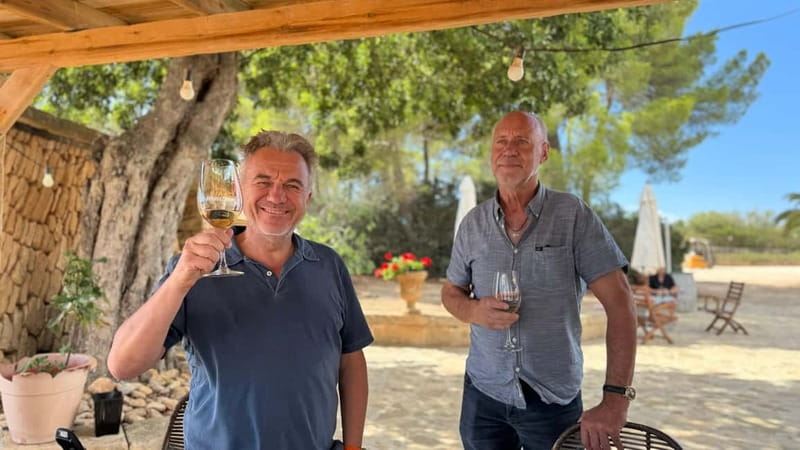
- Small group capped at 8 means more time with the guide and producers
- Hotel pick-up and return transfer saves energy for the tastings
- Traditional olive mill visit with a guided extra virgin olive oil tasting
- Authentic bodega tour plus wine tasting paired with local tapas
- Wine history explained in a way that connects to what you’re drinking
Why an Olive Mill Visit Changes How You Taste Mallorca
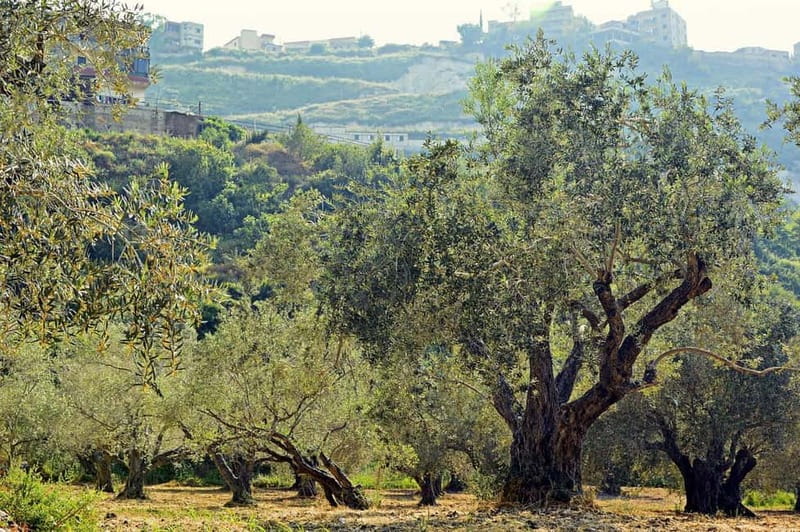
Most people in Mallorca try olive oil after they’ve already formed an opinion. This tour flips that. You taste first, with guidance, and suddenly your brain starts noticing details like bitterness level, peppery notes, and how the oil lingers. That’s the real value here: not just eating and drinking, but learning how to read flavors.
The olive mill stop is built around one big idea: extra virgin olive oil is a living product. It isn’t one flat taste. Even within the same category, you can experience different nuances depending on what’s being produced and how it’s handled. You’ll be guided through that difference, not left standing around with a bread basket.
I also like that the tasting isn’t treated like a stunt. You get fresh bread and local olives alongside the oils, so the tasting makes practical sense. You can think about how oil works in everyday Mallorcan eating, not just how it scores on a tasting sheet.
And yes, Mallorca is famous for olives. But the better takeaway is how locals talk about it as part of daily life. You’ll hear stories that make the whole thing feel grounded, not staged.
Hotel Pick-Up and a 7-Hour Day on Mallorca’s Real Schedule
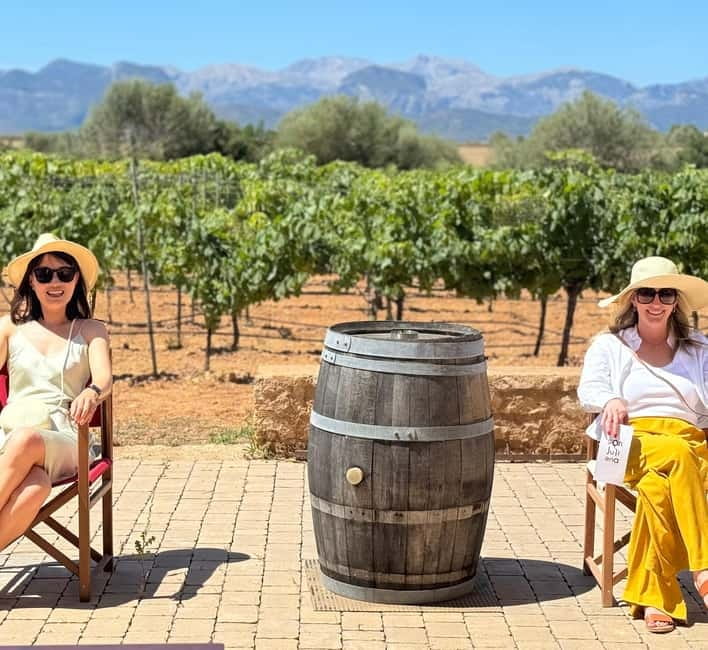
This is a full day, about 7 hours, and the pacing matters. You’re not trying to cram in three different regions with questionable transit. Instead, you get a tidy rhythm: pick-up, countryside time, two production stops, then back to your hotel.
The fact that hotel pick-up and return transfer are included is a big deal for value. It means your money goes into the experience itself, not into taxis, rental cars, or the stress tax that comes with figuring out transportation in a new place. It also makes this easier if you’re not renting a car in Mallorca.
Practical note: the tour recommends comfortable shoes, plus sunscreen and a hat. That’s your signal that you should expect some walking and time outdoors. Nothing extreme is mentioned, but this is not a sit-in-a-cozy-classroom kind of day.
Also, the tour is in English and German, so you should be able to follow along comfortably throughout both tastings.
The Traditional Olive Oil Mill: What You’ll Actually Learn
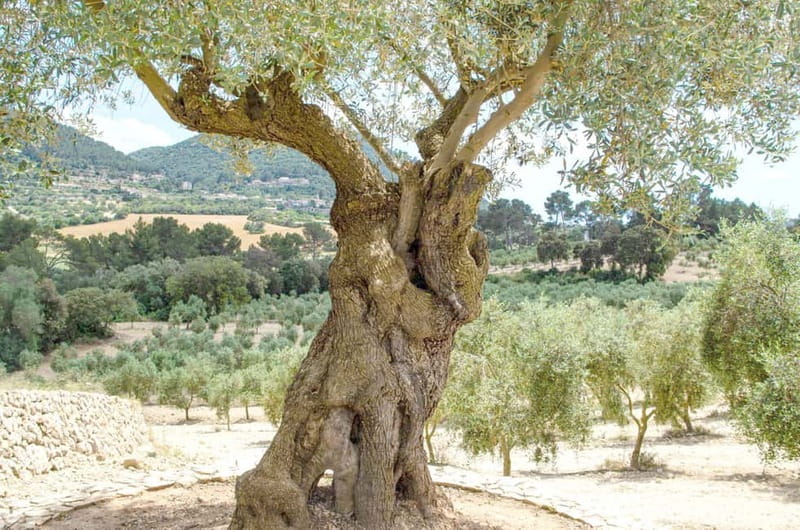
The olive mill stop is where the day earns its keep. You’re taken to a traditional olive oil mill where production still follows time-honored techniques. That detail matters because it explains why the flavor can be different. When people focus only on taste, they miss the connection between process and product.
During the guided tasting, you’ll learn how to distinguish the subtleties of premium extra virgin olive oils. The guide doesn’t just say this one is fruity and that one is peppery. Instead, you’ll be guided to notice the differences and connect them to what you’re experiencing in the glass.
What I like most is the format. You’re not handed a random sample and sent on your way. The tasting is part of a narrative, with you using bread and local olives as a kind of reset button between flavors. That helps you taste more clearly and avoid the common problem of your palate going numb after too many sips.
And because it’s guided, you can ask questions in real time. If you’ve ever wondered why “good olive oil” can taste like it has a little bite, this is exactly where that answer starts to make sense.
The Bodega Tour: Wine Tasting With Real Mallorcan Food Pairings
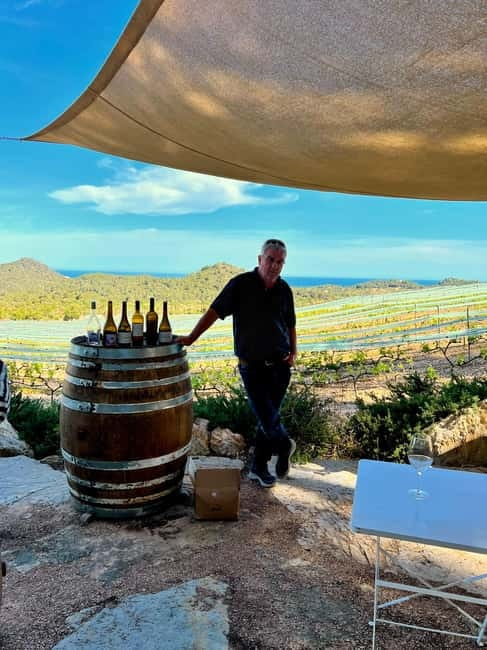
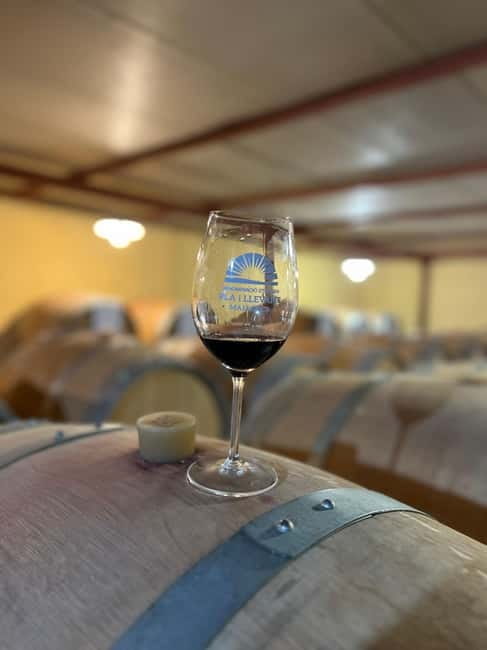
After the olive mill, the day shifts from olives to grapes. You’ll visit an authentic Mallorcan bodega in the vineyards area. Instead of a big showy place, this is described as a charming, local setting where the people who care about wine can explain it in a relaxed way.
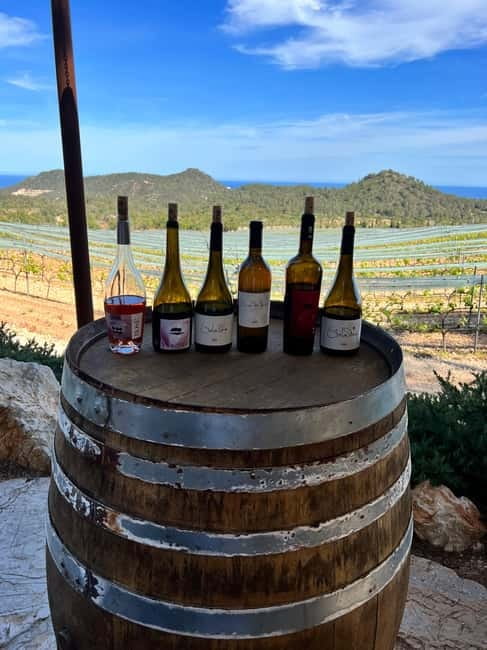
A passionate sommelier leads you through the tasting. You’ll sample a selection of wines, from crisp whites to bold reds. That range is useful because it helps you see Mallorca wine beyond one style. Even if you think you only like one kind of wine at home, tasting both ends of the spectrum can recalibrate what you enjoy.
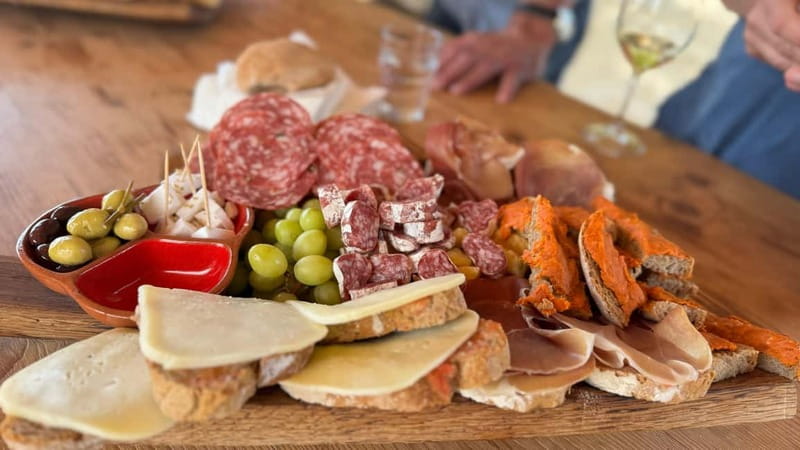
Then comes the part that makes it feel like a real meal: hand-selected local tapas. Pairings aren’t just a marketing phrase here. The tapas are part of how you learn to taste. Food changes how you perceive acidity, tannin, and even the way the wine finishes. With wine and tapas together, you get a more complete picture of how these wines actually fit into everyday local eating.
One more point: because the group is small, you’re more likely to get answers that fit your questions. That makes the tasting feel personal instead of generic.
Mallorca Wine History: The Context That Makes the Glass Make Sense
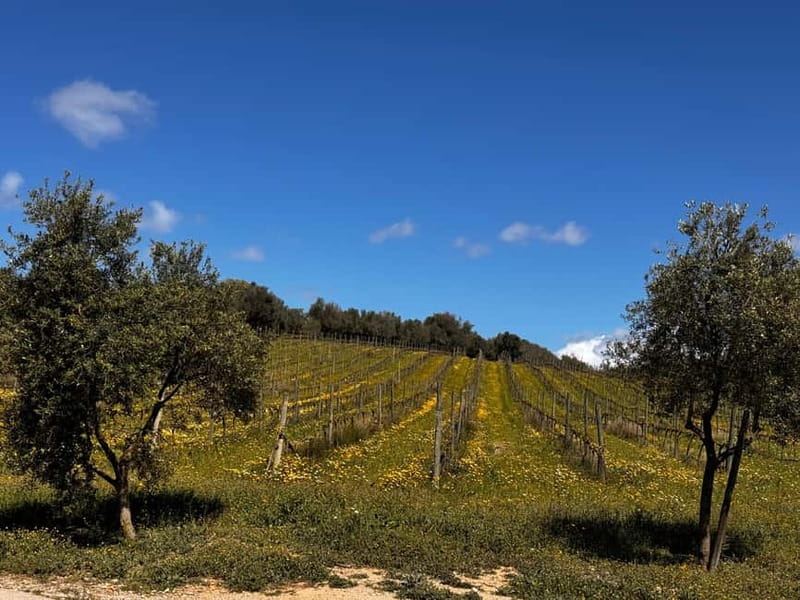
The tour includes insights into Mallorca’s wine history, and that’s where the experience turns from “tasty day trip” into “I learned something I can use.”
Even without getting lost in technical lessons, the goal is clear: you should leave with a sense of how wine fits into the island’s story and how local choices shape what ends up in the bottle. When history is explained this way, it stops being trivia and starts becoming context.
Here’s the practical effect: later, when you buy a bottle or order a glass, you’re less likely to rely only on label aesthetics. You’ll have a better sense of what to ask about and what to pay attention to in taste, pairing, and style.
And since you’re tasting at a bodega rather than just sampling at a storefront, the history feels grounded. The people making wine are part of the lesson, not just the background.
Small-Group Energy (Up to 8 People): More Attention, Less Waiting
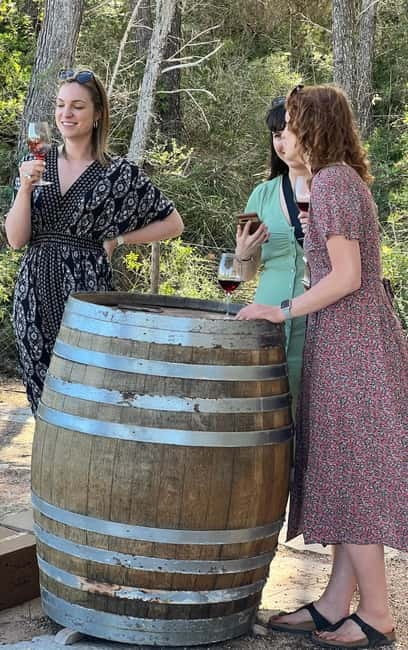
The tour’s small scale is not just a marketing line. With a maximum of 8 participants, you’re more likely to get direct answers and time for follow-up questions. That matters during tastings, because tasting is a slow activity. If the group is large, you end up taking fast sips and standing there while someone else asks questions.
Here, the tone is described as intimate and relaxed, and that’s what I’d expect with a group this size. You’re not rushed through the tastings. You get to ask, compare, and adjust your palate without feeling like you’re slowing down a long conveyor belt.
It also helps that you’re not carrying big bags. The tour notes no luggage or large bags, which keeps the day more comfortable and organized in the vehicles and at production sites.
Price and Value: Is $221 Worth It
At $221 per person for a 7-hour day, you’re paying for three things at once: access, instruction, and convenience.
First, you’re not just tasting at one place. You’re guided through a traditional olive oil mill and then a real bodega tour. You’re getting two sets of tastings and a pairing meal component (the tapas). That’s usually where the value sits: the difference between “sampling” and “learning through guided tastings.”
Second, the tour includes hotel pick-up and return transfer. In Mallorca, that convenience can be the difference between doing something fun and doing something complicated. When transport is included, you can focus on what you actually came for.
Third, this is an exclusive small-group experience. With fewer people, the quality of the interaction tends to improve. You’re more likely to get actual explanations instead of quick answers.
So, is it worth it? If you want a day built around tastings and stories from the people making the products, yes. If your goal is just to drink a glass of wine and move on, you can probably find cheaper options. This one is for food-and-flavor people who want the context.
Tips to Make the Most of the Day
A few small things will make a big difference.
- Eat lightly before you go. The tastings include bread, olives, wines, and local tapas. If you’re used to heavy lunches, consider skipping it beforehand. A lighter pre-day meal means you enjoy the flavors instead of fighting a full stomach.
- Wear comfortable shoes and clothes you can move in. Even if the walking is not extreme, you’ll be on your feet.
- Bring sunscreen and a sun hat. You’re outdoors part of the time, and the Mallorca sun does not negotiate.
- Keep your bag light. There’s no room for luggage or large bags.
- Plan for alcohol and age rules. Alcohol is only permitted from age 18 in Spain, and the tour isn’t suitable for children under 18.
If you’re traveling with friends, this is a great “shared tasting brain” day. You’ll want to talk about what you tasted while it’s fresh.
Who This Tour Fits Best (and Who Should Skip It)
This tour is a strong match if:
- You love food and drink with context and you enjoy guided tastings
- You want a small-group day with real producer interaction
- You’re staying in a hotel and would rather not manage transport for two stops
It may not be a good match if:
- Someone in your group needs mobility accommodations, since it’s not suitable for people with mobility impairments
- Anyone is under 18, since it’s not suitable for children under 18, and alcohol rules apply
- Someone is pregnant, since it’s not suitable for pregnant women
Should You Book This Tour?
If you want a Mallorca day that’s centered on two classic island products—olive oil and wine—this is one of the cleaner ways to do it. You get hotel convenience, guided tastings, and pairing food, all in a small group that keeps things relaxed.
I’d book it when you care about learning and tasting, not just ticking boxes. And I’d skip it if you’re looking for something purely sightseeing-driven or if your group has mobility, age, or pregnancy constraints.
If your travel style is: show me how it’s made, then show me how it tastes with local food, you’ll likely enjoy this one.
FAQ
How long is the tour?
The tour lasts 7 hours. Starting times vary, so you’ll need to check availability for the exact slot.
Is hotel pick-up included?
Yes. Hotel pick-up and return transfer are included. If your hotel is outside the marked area, you’re told to contact the provider so they can find a solution.
How big is the group?
It’s limited to 8 participants, so it stays small and gives you more attention during the tastings.
What languages is the tour guide available in?
The live tour guide is available in English and German.
What will I taste during the tour?
You’ll visit a traditional olive oil mill for a guided tasting, then an authentic bodega for a wine tour and tasting. The wine tasting includes hand-selected local tapas.
Are there age restrictions?
The tour is not suitable for children under 18. Also, in Spain alcohol is only permitted from age 18.
What should I bring, and what’s not allowed?
Bring comfortable shoes, a sun hat, sunscreen, and a camera. No luggage or large bags are allowed, and pets are not allowed (assistance dogs are allowed).