REVIEW · CHIETI
Sustainable Olive Mill Tour with Olive Oil Tasting in Chieti
Book on GetYourGuide →Operated by Slow Travel · Bookable on GetYourGuide
Three oils. One hillside mill story. This 90-minute sustainable olive mill tour in Chieti is built around real craft—seeing how extra virgin olive oil goes from harvest to bottling, then tasting the results right there. It’s a simple format that works: a guided look inside the mill, a short walk option in the groves, and a 3-oil tasting guided from start to finish.
What I like most is the tasting itself: you sample three different oils with clear explanations of what makes each one distinct. I also like how the guide connects the flavors to the process and the farming behind them, so the oils don’t feel like a random food experience. There’s a grounded, practical focus on making good oil through sustainable choices.
One consideration: the optional olive grove walk depends on safe access. If it rains or weather makes the grove route unsafe, the walk may not be included, so plan for a more stationary version with panoramic views instead.
In This Review
- Key takeaways before you go
- A Sustainable Olive Mill Tour in Chieti That Feels Like a Visit, Not a Production
- Arriving at Azienda Agraria Rabottini: Timing, Shoes, and the Flow of the Tour
- The Mill Tour: How Olive Oil Really Gets Made (Harvest to Bottling)
- Olive Grove Walk vs Panoramic Views: What Weather Can Change
- The Tasting: Three Olive Oils and a Guide Who Makes the Differences Make Sense
- Sustainability in Abruzzo: How Farming Choices Show Up in the Cup
- Who Should Book This Chieti Experience (and What Kids Drink Instead)
- Price and Value: What $36 Buys You in Real Learning
- Tips to Make Your Tasting Day Smooth
- Should You Book This Sustainable Olive Mill Tour in Chieti?
- FAQ
- How long is the sustainable olive mill tour in Chieti?
- Where does the tour meet?
- What’s included in the price?
- What language is the tour guide?
- Do children have to taste the olive oil?
- Is the olive grove walk guaranteed?
- Is transportation to the venue included?
- Is the tour wheelchair accessible?
- What are the cancellation rules?
Key takeaways before you go
- 3-oil guided tasting that links flavor to variety and production choices
- Mill tour focused on the full chain from harvesting to bottling
- Sustainability as a method, not a buzzword, tied to oil quality
- Panoramic views from the mill, with an optional grove stroll if conditions allow
- Isabella-style hosting that feels warm, personal, and easy to talk with
A Sustainable Olive Mill Tour in Chieti That Feels Like a Visit, Not a Production
Chieti is a good base if you want Abruzzo without the crowds. This tour fits that mood perfectly because it stays small, hands-on, and focused on the product—olive oil—rather than performing for tourists.
The big reason it works is the way the story is told. The guide doesn’t just point at machines. You’ll hear about the family side of the operation and why their approach matters. In the reviews, hosts—often led by Isabella—come across as genuinely welcoming, with a talent for making the process understandable. That warmth matters because olive oil tasting is easier when someone slows down and talks like a person, not a lecturer.
I also like that the experience is sustainable by design. The farming practices are part of the explanation, not a last-minute add-on. You leave with a clearer sense of why a well-made oil isn’t only about taste—it’s about how the trees are treated across seasons.
Arriving at Azienda Agraria Rabottini: Timing, Shoes, and the Flow of the Tour
Your meeting point is Azienda Agraria Rabottini. The total time is listed as 90 minutes, so you’re not committing to an all-afternoon event. That’s great if you’re building a day around food, sightseeing, or wine in the Abruzzo hills.
Come ready for time on your feet. You’ll want comfortable shoes and clothes, since there’s a mill visit and you may add the optional olive grove walk. Even if you skip the walk, you’ll still be moving around the production space and viewing areas.
Language is covered too: the tour runs with a live guide in English and Italian. That’s useful if your group has mixed comfort levels with Italian, because the guide can keep everyone with you rather than splitting into separate experiences.
The Mill Tour: How Olive Oil Really Gets Made (Harvest to Bottling)
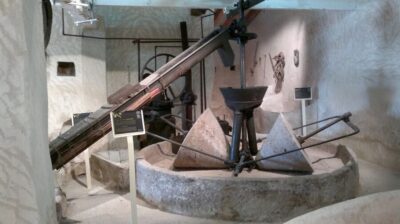
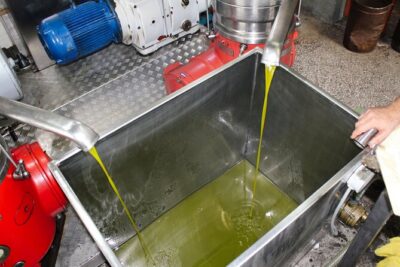
The heart of the experience is the mill tour. This is where you learn the meticulous production process behind monocultivar extra virgin olive oils—oils made from specific olive varieties grown for consistent character.
In practical terms, this part helps you connect three things:
- what happens to the olives after harvest
- how careful processing protects quality
- why the farming approach affects what you later taste
The guide walks you through the workflow from harvesting through production and finishing steps like bottling. You’ll get the sense that “extra virgin” isn’t just a label—it’s a set of standards that depends on timing, handling, and attention.
If you’ve ever tasted olive oil and thought it was confusing (too many terms, too many oils, not enough meaning), this format makes it easier. The tour builds a mental map: you understand the oil before you taste it, so the tasting clicks.
Olive Grove Walk vs Panoramic Views: What Weather Can Change
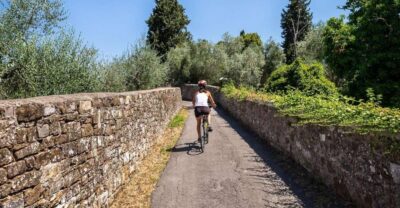
One of the nicest touches here is the optional experience outdoors. You can request an olive groves stroll for that slower, hillside feeling.
If conditions allow safe access, you get the chance to connect the oil to the trees it comes from. When weather doesn’t cooperate, the walk may be left out for safety, and you’ll rely on panoramic views from the mill structure instead. Either way, you still get the core value: production knowledge and the tasting.
My practical advice: if the forecast looks iffy, still bring shoes with decent grip. Even under cover, weather can affect surfaces. And if you’re traveling with someone who doesn’t love walking, you can keep expectations flexible—this tour can still deliver without the outdoor leg.
The Tasting: Three Olive Oils and a Guide Who Makes the Differences Make Sense
The tasting is the payoff. You sample three exceptional olive oils, each tied to a different variety. The guide explains the unique flavors and characteristics of each oil, so you’re not just taking sips—you’re learning how to notice.
A guided tasting like this works because it gives structure. You’ll know what to listen for (taste cues linked to the oil’s traits), and you’ll hear how the production choices influence what ends up in the bottle. That’s why the mill tour first is such a smart order. By the time you reach the table, you can connect cause and effect.
Here’s how to get the most out of the tasting:
- Take your time between oils instead of rushing to finish.
- Pay attention to how each oil changes your perception as you go (you’ll likely notice differences more clearly when you slow down).
- Ask questions about what the guide is focusing on. If you’re curious, this is the part where the explanations can actually stick.
This is also where the experience feels most personal. In multiple reviews, people describe the tasting as warm and friend-like—like learning from someone who cares about their product and their region.
Sustainability in Abruzzo: How Farming Choices Show Up in the Cup
This tour doesn’t treat sustainability like a poster. It’s baked into the story of how the oil is produced. You’ll learn about the importance of sustainable agriculture in creating high-quality oils, and you’ll see how eco-friendly practices connect to the final product.
Why that matters for you: olive oil quality can be hard to judge if you only taste and guess. Sustainability-focused explanations give you a framework for what might shape flavor and overall quality—tree health, farming methods, and the broader approach to stewardship.
Even if you don’t become an olive-farming expert by the end, you should walk away with a better question to ask next time you see a label: What kind of farming is behind this oil, and how consistently is quality protected?
Who Should Book This Chieti Experience (and What Kids Drink Instead)
This tour is a great fit if you like food experiences that are educational but not stiff. You’ll learn the production process, taste three oils, and get a sense of how sustainable farming supports quality.
It’s also family-friendly in a practical way. If you’re bringing children or underage participants, they can be offered fruit juice or soda instead of the olive oil tasting, if they don’t want to participate in sampling.
Wheelchair access is listed, and the experience includes both indoor milling space and a viewing component. The optional outdoor walk may be the part that changes with weather, but the main itinerary is built to work as a guided tour with tasting.
If your group has mixed interests—someone wants the science of how oil is made, someone just wants to taste good food—this format tends to satisfy both.
Price and Value: What $36 Buys You in Real Learning
At $36 per person for about 90 minutes, you’re paying for more than a casual sip of olive oil. You get:
- a guided tour of the olive oil mill
- tasting of three different oils
- explanations that connect farming, production, and flavor
- an optional stroll through the olive groves (when conditions allow)
So the value isn’t just in the tasting quantity. It’s in the interpretation. Olive oil tasting without guidance can leave you with a vague impression. With the mill tour and guided comparisons, you’re more likely to understand what you’re tasting and why.
If you’re also the type who likes small, off-the-beaten-path food experiences in Abruzzo, this price starts to make even more sense. You’re spending money where it counts: time with a guide, access to the actual operation, and a structured tasting you can’t easily replicate on your own.
Tips to Make Your Tasting Day Smooth
A few small things can help you enjoy the experience more.
- Wear comfortable shoes even if you think you’ll only do the indoor tour.
- Dress for Abruzzo weather. If there’s a chance of rain, your grove-walk plans should stay flexible.
- Bring curiosity. The experience works best when you ask about the process and the reasons behind sustainable practices.
- If you’re traveling with kids, plan ahead that juice or soda is available instead of olive oil tasting for those who prefer not to sample.
Should You Book This Sustainable Olive Mill Tour in Chieti?
Book it if you want an olive oil experience that feels human and grounded: see the mill process, taste three oils, and get clear, guided explanations connecting flavor to production. It’s a strong choice when you want to learn without turning the day into a textbook.
Skip—or at least temper expectations—if you’re only looking for a quick, casual stop. This is structured, and the value comes from the guided story. Also remember that weather can affect the optional olive grove walk, so you’ll want to be okay with panoramic views from the mill as your outdoor component.
If you’re staying in Abruzzo and want a memorable food stop that doesn’t feel like a checklist, this one is worth the time.
FAQ
How long is the sustainable olive mill tour in Chieti?
The tour lasts about 90 minutes.
Where does the tour meet?
The meeting point is Azienda Agraria Rabottini.
What’s included in the price?
You get a tour of the olive oil mill, a tasting of three different olive oils, and a knowledgeable guide, plus an optional stroll through their olive groves.
What language is the tour guide?
The live tour guide is available in English and Italian.
Do children have to taste the olive oil?
No. Children and underage participants can be offered fruit juice or soda instead of olive oil tasting if they don’t want to take part.
Is the olive grove walk guaranteed?
No. The walk is optional and may not be included if it rains or if weather conditions do not allow safe access to the olive grove.
Is transportation to the venue included?
No. Transportation to the venue is not included.
Is the tour wheelchair accessible?
Yes, the experience is listed as wheelchair accessible.
What are the cancellation rules?
You can cancel up to 24 hours in advance for a full refund, and there is free cancellation.