REVIEW · ARAGON
Visit to olive grove and olive mill with oil tasting and tasting
Book on Viator →Operated by Apadrinaunolivo.org · Bookable on Viator
Olive trees with a mission.
This Oliete experience pairs an olive grove recovery project with a working olive mill visit, then ends in tastings of two extra virgin olive oils plus a local toast.
I especially liked how the experience is built around real people and real work. I love the calm, patient guidance from hosts like Jaime and Raúl, and I love that you get both the oil tasting and a food finish tied to the orchard.
One consideration: transport isn’t included, so plan how you’ll reach Apadrinaunolivo.org in Oliete. If you’re traveling with a pet, note that pets aren’t allowed in the tasting area for health reasons.
In This Review
- Key highlights you’ll care about
- What Apadrinaunolivo.org is really about
- Meeting at Apadrinaunolivo.org: small group, simple flow
- The olive grove walk: recovery, collection, and what you’re actually seeing
- What to do with your eyes (and questions)
- Inside the olive mill: grinding, process, and quality factors
- Why the mill visit is worth it (even if you’ve toured other mills)
- Oil tasting: comparing two extra virgin olive oils
- A practical tip for getting more from the tasting
- Product tasting: roasted vegetables in olive-wood pruning and olive oil
- Food note for kids and planning
- Who this tour suits best in Aragón
- Price and value: $22.53 makes sense here
- Logistics you can handle in one minute
- Should you book Apadrinaunolivo’s olive grove and mill tour?
- FAQ
- How long is the olive grove and olive mill experience?
- How much does it cost?
- What does the tour include?
- Is transportation included?
- Where does the tour start and end?
- How many people are in a group?
- Are pets allowed?
- Can children join for free?
- Can I cancel for a refund?
Key highlights you’ll care about
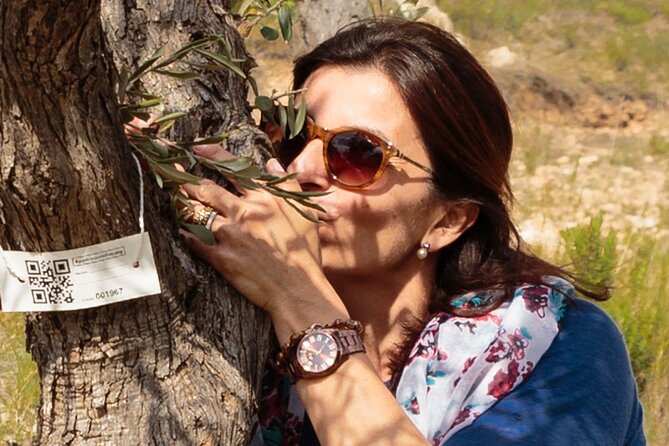
- From abandoned trees to active recovery: you see what’s being brought back and why it matters.
- Small group size (up to 10): you can ask questions and keep the pace comfortable.
- Mill process walkthrough: you learn how the olives become excellent quality EVOO.
- Tasting of 2 oils: you sample two extra virgin olive oils as part of the learning.
- Local product tasting included: roasted vegetables in olive-wood pruning, plus a toast and a drink.
- Supports rural sustainability: proceeds help recover barren olive trees in Oliete and support local jobs.
What Apadrinaunolivo.org is really about
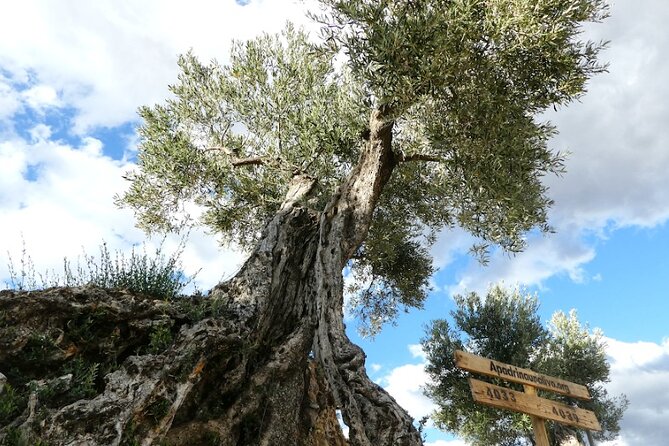
This isn’t just a stroll among olive trees. The heart of the experience is a rural development project in Oliete that focuses on recovering neglected, barren olive groves by reestablishing olive trees that are centuries old.
The tour’s value lands in that cause-and-effect. You’re learning how extra virgin olive oil is made, yes. But you’re also directly supporting employment and helping keep basic services running in rural areas, including keeping schools open.
It also comes with serious credibility. The project and its olive oil are tied to awards in Aragón, including recognition linked to ecotourism in 2024 and PDO oil under Aragon in 2020, 2022, and 2024. Even if you don’t care about medals, it signals that this is not a casual hobby set up for tourists.
Meeting at Apadrinaunolivo.org: small group, simple flow
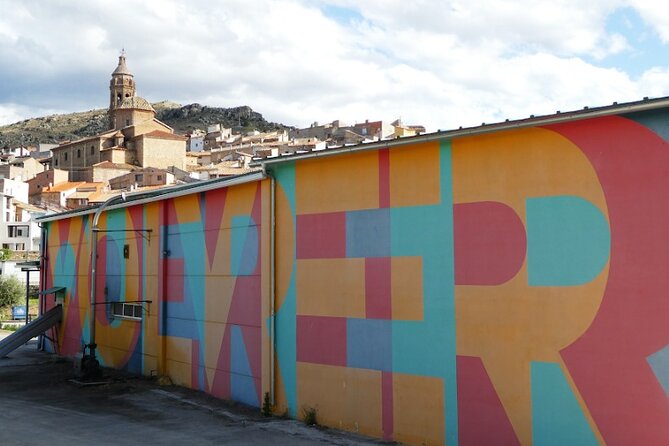
Your visit starts and ends back at Apadrinaunolivo.org at Camino de la Algecira, S/N, 44548 Oliete, Teruel. The time slot is about 2 hours 30 minutes, and you’ll receive confirmation at booking. Tickets are mobile, so you don’t need to print anything.
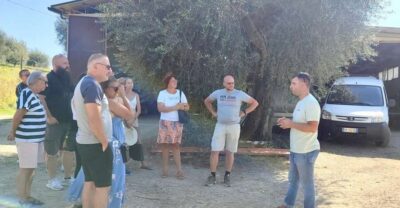
The group limit is 10 travelers, which makes a difference here. Olive groves and mills can be noisy, technical, or rushed. A smaller group helps the guide pace the walk, explain the process clearly, and still leave time for questions—something you’ll feel right away when you’re standing near the grove and later inside the mill area.
Two practical notes to keep in mind:
- Private transportation isn’t included, so you’ll want a plan to get to Oliete.
- Pets aren’t allowed in the tasting area (but they are welcome during the olive grove portion). If you’re bringing a pet, time it around that boundary.
The olive grove walk: recovery, collection, and what you’re actually seeing
The grove visit is where you get the “why” behind everything else. You’ll learn about the recovery process of an abandoned olive tree in Oliete—what changed, what characteristics matter, and how collection fits into the bigger picture.
This matters because olive oil quality isn’t random. The tour frames the groves as an active system: trees are tended, olives are collected, and those choices influence what ends up in the mill and what you taste later. If you’ve only ever bought olive oil from a supermarket shelf, this part helps you connect the bottle to the living process behind it.
You’ll also learn about the project’s approach to restoring trees that had been left behind. In plain terms, you see the difference between neglect and intentional care. That makes the later mill tour feel more meaningful, since you’re not just watching equipment—you’re understanding inputs.
What to do with your eyes (and questions)
During the grove portion, I’d focus on three things:
- How the guide explains the recovery steps—listen for what happens first and what comes later.
- How they link collection to quality—even general explanations can give you a mental map for tasting.
- What olive tree characteristics they point out—because you’re about to taste oils made from specific cultivation choices.
You might also want to wear shoes you’re comfortable walking in, since you’ll be moving through outdoor grove areas.
Inside the olive mill: grinding, process, and quality factors
Then you shift from outdoors to the heart of production: the mill. Here you learn the process of grinding the olives and the elements that influence how you get excellent quality extra virgin olive oil.
This is the part I find most useful for real-world shopping. Once you know the process steps, it becomes easier to understand why one oil tastes different from another—even when both are labeled extra virgin.
The mill tour is also where the guide’s teaching style really shows. Hosts like Jaime and Raúl have a reputation for taking their time with explanations and answering questions patiently. That’s important here because mill talk can get technical fast, and you don’t want to just nod along. You want to leave with a clear sequence: olives arrive, they’re processed through grinding steps, and quality depends on multiple factors along the way.
Why the mill visit is worth it (even if you’ve toured other mills)
Many mill tours can feel like a factory slideshow. This one has the advantage of being tied back to the grove recovery story, so the mill doesn’t feel disconnected. You’re not only learning how oil is made; you’re learning how a local recovery effort is translated into something you can taste.
Oil tasting: comparing two extra virgin olive oils
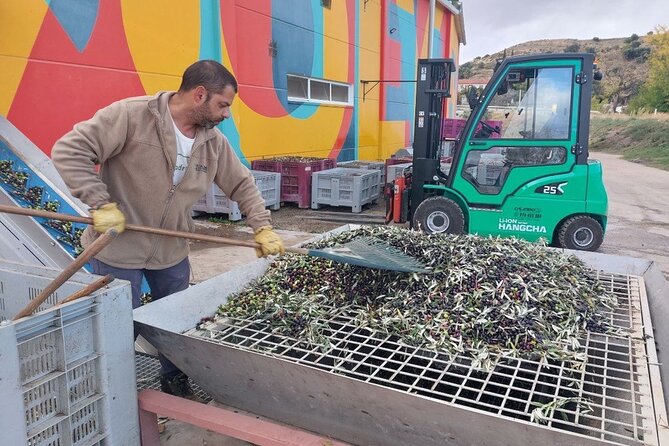
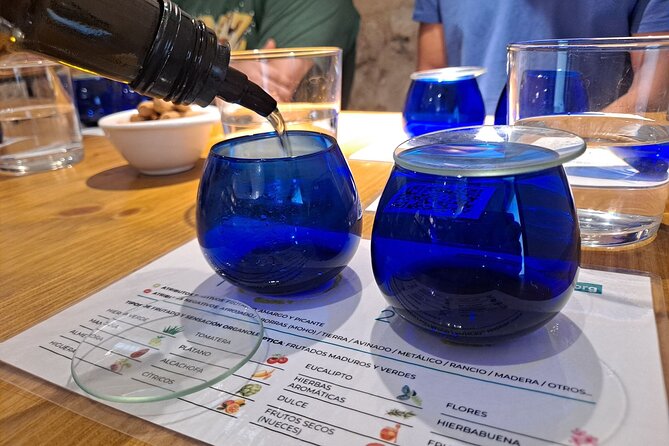
After learning the process, you get to test your understanding with an oil tasting of 2 oils. The tour frames the tasting as a way to learn the properties and categories of extra virgin olive oil, not just to consume something good.
This “two samples” format is smart. It gives you a built-in comparison point, so you can connect explanation to flavor and aroma without needing expert training.
You’ll hear guidance on what to pay attention to, aligned with the tour’s focus on qualities and categories. The oil tasting also links back to the awards and the project’s identity as a serious extra virgin olive oil producer, not just a tourism stop.
A practical tip for getting more from the tasting
Go slow and keep your questions for the guide. If something doesn’t make sense—like why one sample is stronger or different—ask. The biggest value of tastings like this isn’t the oil itself. It’s the way the guide helps you build your own quick mental checklist for future tastings.
Product tasting: roasted vegetables in olive-wood pruning and olive oil
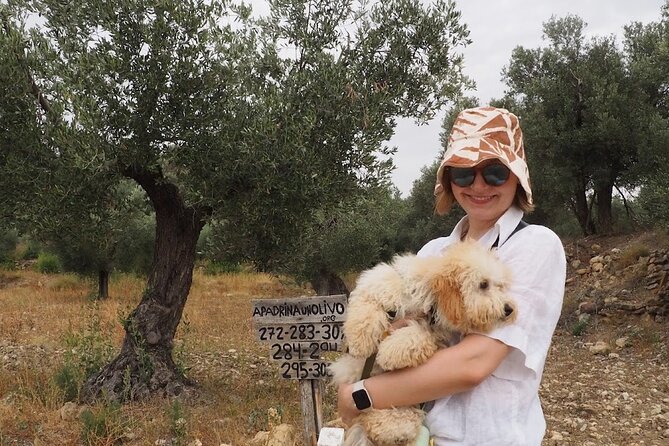
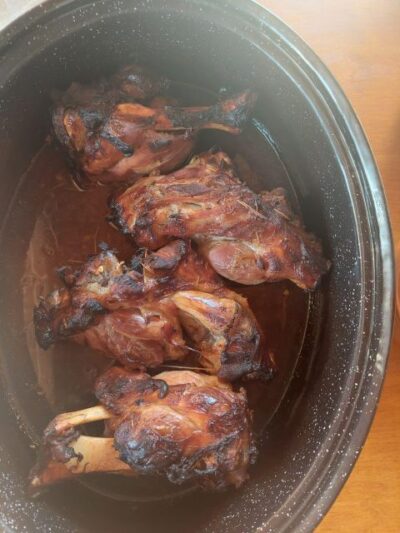
The experience doesn’t stop at the oils. You also get a product tasting featuring vegetables roasted using olive wood pruning and then preserved in olive oil.
You’ll have:
- One toast with the preserves
- One drink per participant
That toast-and-drink finish is a meaningful part of the day because it keeps the olive theme broad. It shows how olive-related resources get used beyond pressing olives. And it adds a local-food note that makes the tour feel more like a rural hospitality experience than a classroom.
Food note for kids and planning
The tasting and toast/drink are included for participants, but the data also notes that this isn’t included with free admission for children under 5 years. If you’re traveling with kids, that’s worth knowing so expectations match what’s actually served.
Who this tour suits best in Aragón
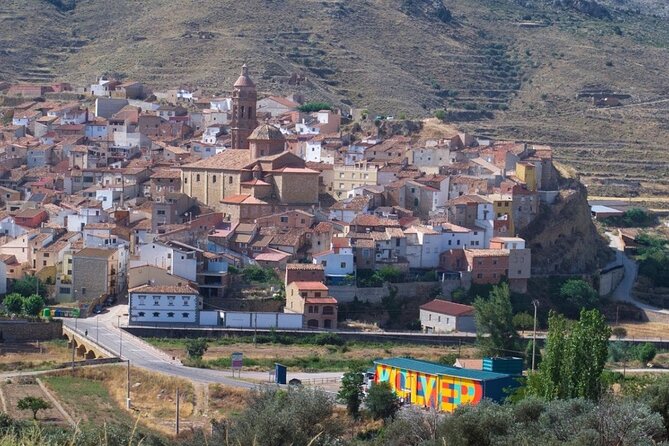
This is a strong fit if you want your food and nature experiences to have a direct link to people and place.
I think it’s especially good for:
- Food lovers who want more than a quick tasting and want context.
- Eco-minded travelers who like projects that support rural jobs and community services.
- Small groups and couples who want an unhurried pace with a guide.
It’s also a decent choice if you’re in the region and want an activity that’s structured but not overly rigid: grove walk, mill tour, oil tasting, then the local toast.
Because the group is capped at 10 travelers, it tends to feel friendly rather than crowded. You’re more likely to get time for questions, and the guide’s explanation style comes through.
Price and value: $22.53 makes sense here
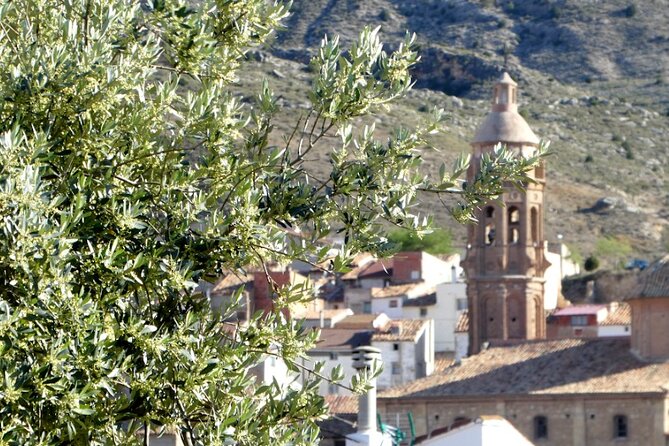
At $22.53 per person, this tour looks inexpensive on the surface. But the value comes from what’s included for that price: the grove visit, the mill visit, tasting of 2 oils, and the included product tasting toast plus a drink.
Many olive experiences charge extra for tastings and often feel like the “tour” is the ad, and the tastings are the real product. Here, the tastings are part of a full learning loop: recovery and collection in the grove, grinding and quality factors at the mill, then two oils to help you understand categories and qualities.
On top of that, the proceeds support the ongoing recovery of barren olive trees in Oliete. So your money is doing two jobs at once: paying for a guided experience and supporting the rural development project behind it.
If you’re deciding between a basic stop and something more structured, this one is built for people who want understanding, not just consumption.
Logistics you can handle in one minute
A few practical things to keep your day smooth:
- Plan your ride: private transport isn’t included.
- Arrive on time: the tour has a set duration around 2h30.
- Expect a walk: the grove portion is outdoors.
- Pet policy matters: pets are welcome during the grove visit, but not in the tasting area.
- Mobile ticket: have it ready on your phone.
Also, the experience has a maximum of 10 travelers, so booking earlier can help if your schedule is tight. The average booking lead time is listed as about 18 days.
Should you book Apadrinaunolivo’s olive grove and mill tour?
I’d book it if you want an olive oil experience that’s tied to real work: recovery of abandoned trees, a working mill explanation, and tastings that connect to what you learned. The best part for me is the balance—nature first, then production, then tasting—so your brain makes the connection from grove to bottle.
I’d think twice only if you’re relying on the provider for transportation. Since private transportation isn’t included, you’ll want to feel confident getting to Oliete and back.
If your goal is a short, high-value activity in Aragón that blends food, farming, and sustainability with guides like Jaime or Raúl and a small group vibe, this is a very sensible choice.
FAQ
How long is the olive grove and olive mill experience?
It’s approximately 2 hours 30 minutes.
How much does it cost?
The price is listed as $22.53 per person.
What does the tour include?
It includes the grove visit, the mill visit, oil tasting of 2 oils, and product tasting (one toast with preserves plus one drink per participant).
Is transportation included?
No. Private transportation isn’t included.
Where does the tour start and end?
It starts at Apadrinaunolivo.org on Camino de la Algecira, S/N, 44548 Oliete, Teruel, Spain, and ends back at the meeting point.
How many people are in a group?
The experience has a maximum of 10 travelers.
Are pets allowed?
Pets are not allowed in the tasting and tasting area for health reasons, but they are welcome during the olive grove visit.
Can children join for free?
The information notes that free admission for children under 5 exists, but the toast and drink are not included with that free admission.
Can I cancel for a refund?
Yes. You can cancel up to 24 hours in advance for a full refund.