REVIEW · BARDOLINO
Bardolino: Lake Garda Oil Mill Tour with Olive Oil Tasting
Book on GetYourGuide →Operated by CittàdiLazise · Bookable on GetYourGuide
Olive oil has a story worth tasting. This Bardolino oil mill tour pairs a guided look at how extra virgin olive oil is made with a tasting that includes Garda DOP, all wrapped in the Lake Garda olive culture. I love the clear explanations that connect the olive tree to the place itself, and I love getting to taste multiple oils side by side to actually notice differences. One thing to plan for: the group can be a bit large, so it may feel more like a lively workshop than an intimate stroll.
I also like that you’re not stuck only in a production room. You’ll visit the mill, watch a video to understand the process, then head to the outdoor garden for the tasting, and guides like Elke can make the info feel friendly and doable. If you’re the type who likes to ask questions, you’ll appreciate the guide’s pacing.
Logistics are simple. You can enter the Olio Viola mill by car with free parking on site, and the tour runs even if it rains, so you can keep the day moving. (One more note: it isn’t set up for people with mobility impairments.)
In This Review
- Key things to love about the Lake Garda oil mill experience
- Why Bardolino’s oil mill tour is more than a sip-and-go tasting
- Price and value: what $31 actually buys you on Lake Garda
- Getting to Olio Viola: parking-first, and planning your day
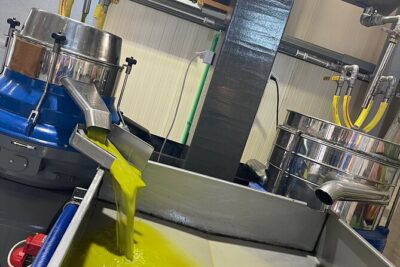
- Inside the mill: how the process gets explained without getting technical
- Secular olive trees and the Riviera degli Olivi story
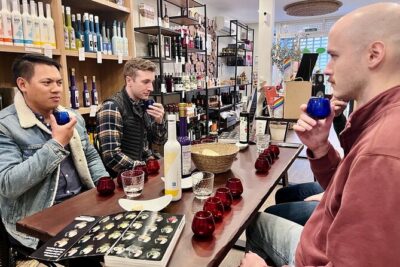
- The tasting: four extra virgin olive oils, compared in a single sitting
- A simple way to taste (so you don’t miss the point)
- Food pairing that’s actually useful: bread, salami, olive paté, and olives
- Rain or shine: what changes when the weather turns
- Group size and timing: the two things that can affect your comfort
- Languages and guide style: what you’ll get from the tour guide
- Who this tour suits best (and who should consider alternatives)
- Should you book the Bardolino oil mill tour?
- FAQ
- What’s included in the tasting?
- How long is the oil mill tour?
- What’s the price per person?
- Where does the tour meet?
- Do I need transportation booked separately?
- What languages are offered for the live guide?
- Does the tour run if it rains?
- Are dogs allowed?
- Is the tour suitable for people with mobility impairments?
- Can I skip the ticket line?
- What do I taste besides the oils?
Key things to love about the Lake Garda oil mill experience
- 4 extra virgin olive oils tasted, including Garda DOP, so you can compare flavors instead of just sampling one
- A guided walk through the mill, plus a short video that clarifies each step
- Secular olive trees on site, tied to the Riviera degli Olivi story
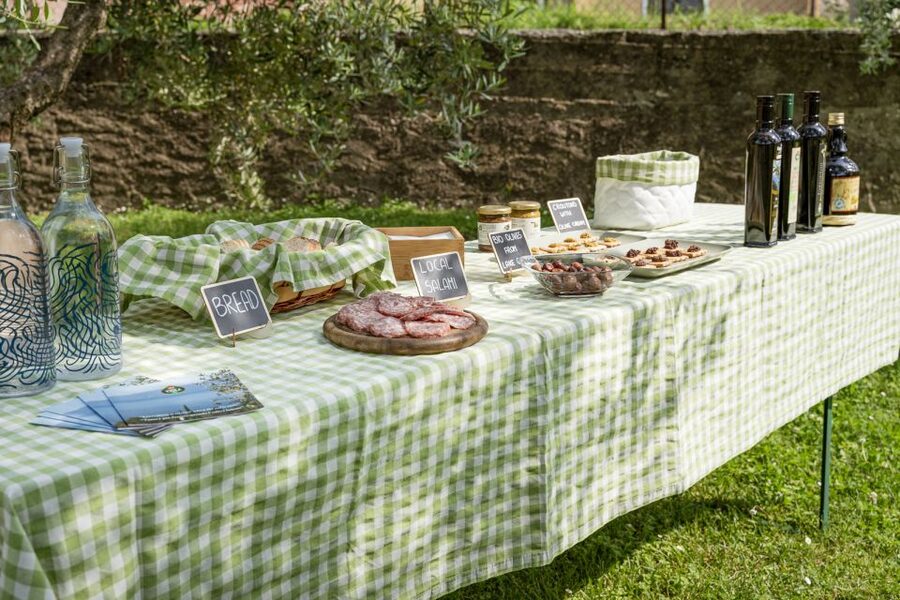
- Outdoor garden tasting with bread and savory bites that match the oils
- A guide-led, multi-language tour (Italian, English, German)
Why Bardolino’s oil mill tour is more than a sip-and-go tasting
Lake Garda has plenty of wine and plenty of views, but olives are the quieter claim to fame. This tour focuses on the olive tree and the culture around it—what the Riviera degli Olivi means, where the olives fit into daily life, and why extra virgin olive oil is treated like something special rather than a pantry item.
What makes it work for me as a practical traveler is the combination: production + tasting. You see how oil is made, then you taste, which helps your brain link flavor to process. It’s also short enough—about 1.5 hours—that it slots nicely between ferry rides, lake walks, or dinner plans.
Price and value: what $31 actually buys you on Lake Garda
At $31 per person, you’re not paying just for a few teaspoons of oil. You’re paying for a guided tour of the oil mill, a tasting of four extra virgin olive oils, and a snack set that goes beyond plain bread and water.
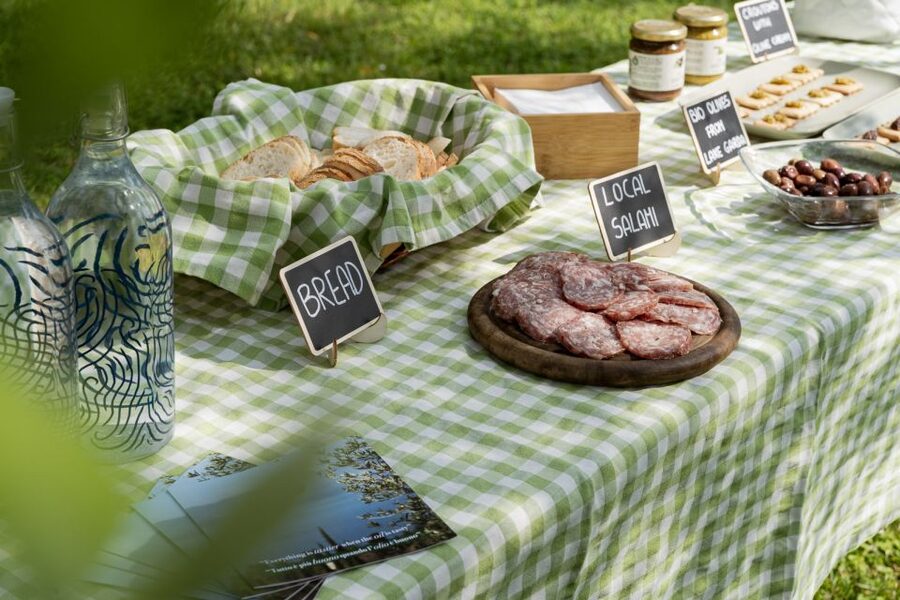
Included bites matter because they help you taste more clearly. You’ll get bread made with extra virgin olive oil, local salami, croutons topped with green and black olive paté, and Lake Garda olives, plus water. That’s a lot of variety for a 1.5-hour stop, and it can spare you the need for a separate snack before dinner.
Getting to Olio Viola: parking-first, and planning your day
This experience is set up for easy arrival by car. You can enter the Olio Viola mill with your vehicle, and there’s free parking on site, which is a big deal on Lake Garda when you’re trying to time things around boats or buses.
Since private transportation isn’t included, you’ll want to coordinate how you’re getting there—especially if you’re coming in from another town by ferry, boat, or taxi. The tour itself is 1.5 hours, so if you’re mapping your day, build in a little buffer for loading, parking, and finding the entrance.
If you’re traveling with a dog, you’re in luck: dogs are allowed. That can make a big difference on a lake trip where not every stop welcomes pets.
Inside the mill: how the process gets explained without getting technical
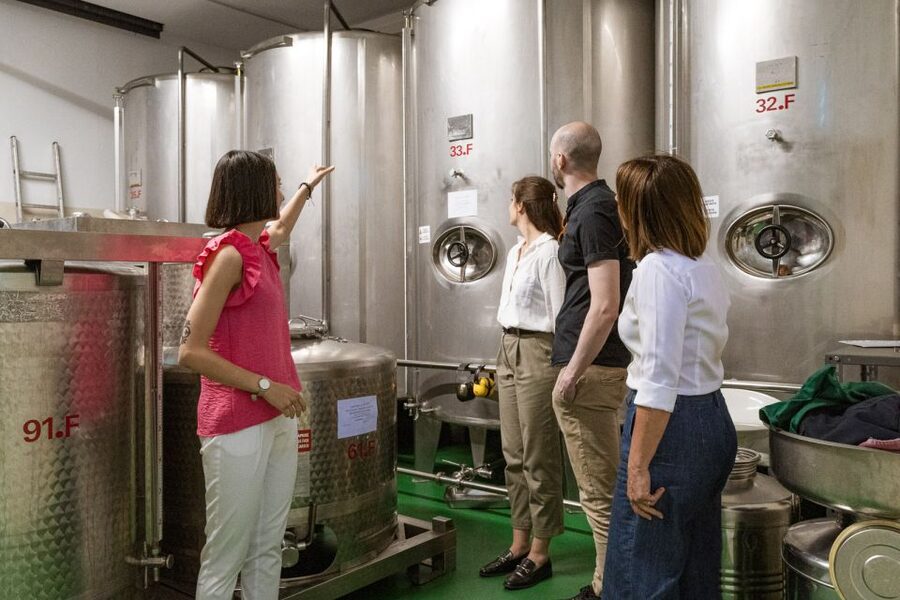
You start with a guided walk through the oil mill and a look at how extra virgin olive oil is produced. Even if you’re not a food chemistry person, the guide-style approach helps: you see the steps and then you get a video to reinforce what each part is doing.
This is where the tour earns its keep. Olive oil tastings can feel abstract if you don’t understand what’s happening between picking olives and pouring oil. Here, you get the “what and why” behind the process, and then the tasting turns that into something you can recognize on your tongue.
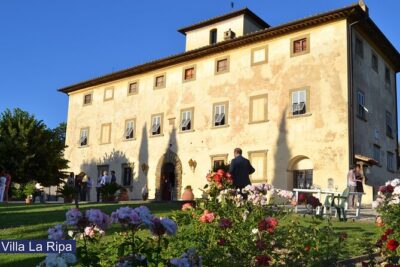
It’s also smart that the tour isn’t only inside. Once the production part is done, you move into the outdoor garden for tasting. That change of setting keeps the hour-and-a-half from feeling like a classroom.
Secular olive trees and the Riviera degli Olivi story
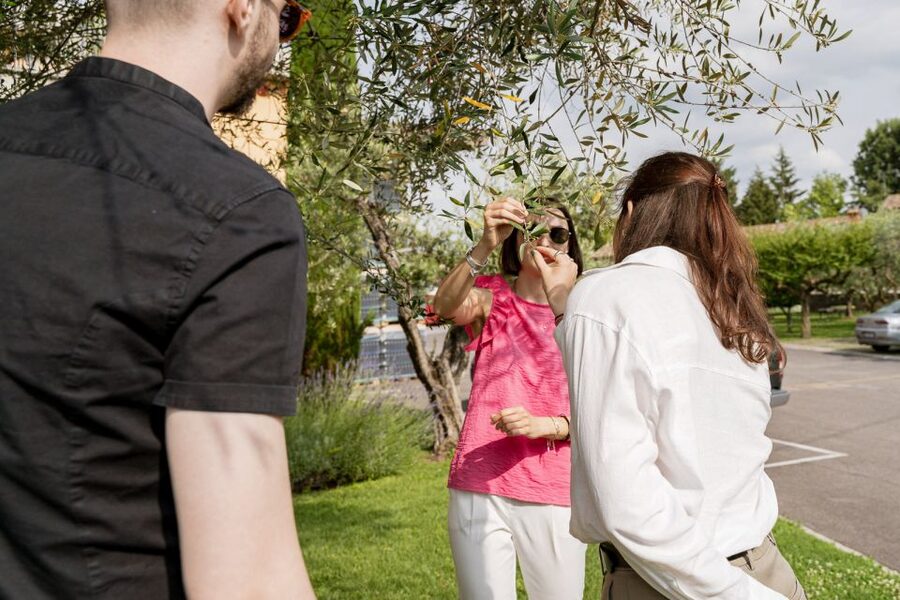
One of the more distinctive touches is the focus on secular olive trees and the broader “Riviera degli Olivi” concept. Lake Garda isn’t just scenery—it’s an olive-growing region with its own agricultural identity, shaped by the landscape and the seasons.
Even if you’ve never paid attention to olive trees before, the tour frames them as part of local culture, not just a crop. You’re shown the trees and connected to the bigger story of why this lake area treats olives like a heritage item.
If you like travel that makes a place feel specific (not generic), this is a good stop. You leave with a mental map of Lake Garda that includes olives—not just the shoreline.
The tasting: four extra virgin olive oils, compared in a single sitting
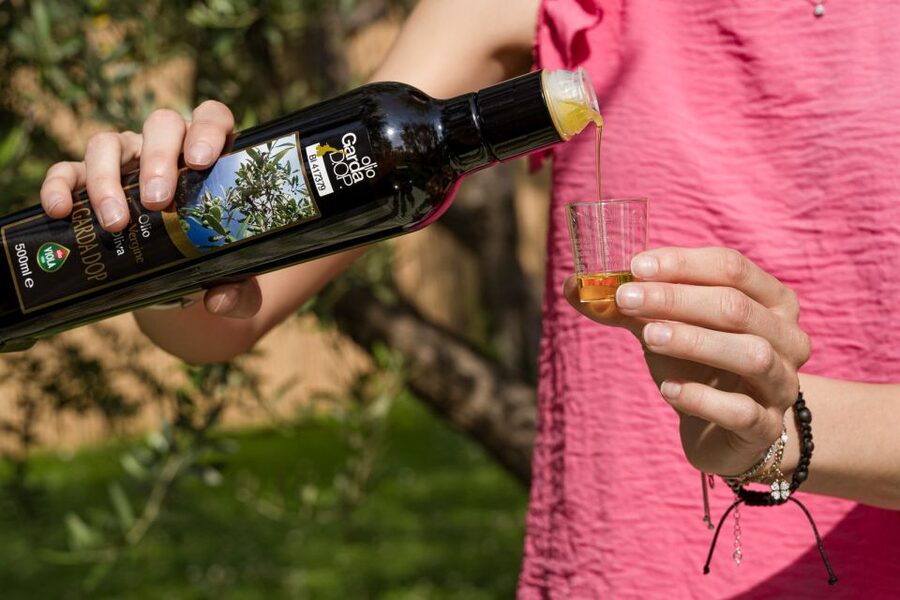
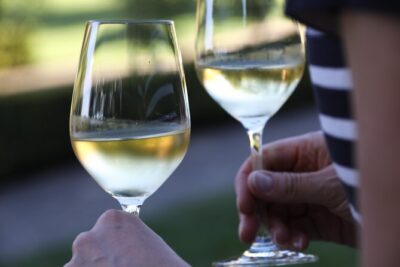
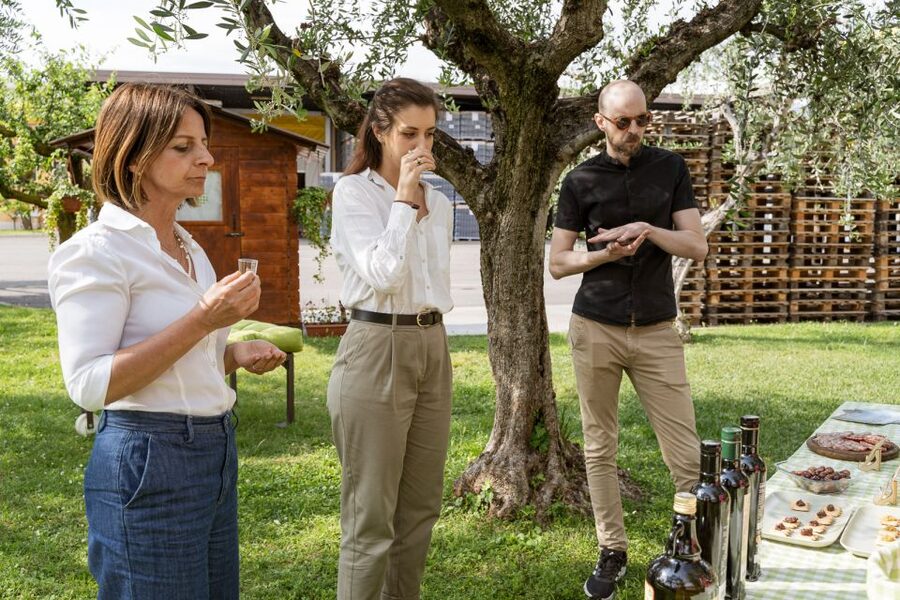
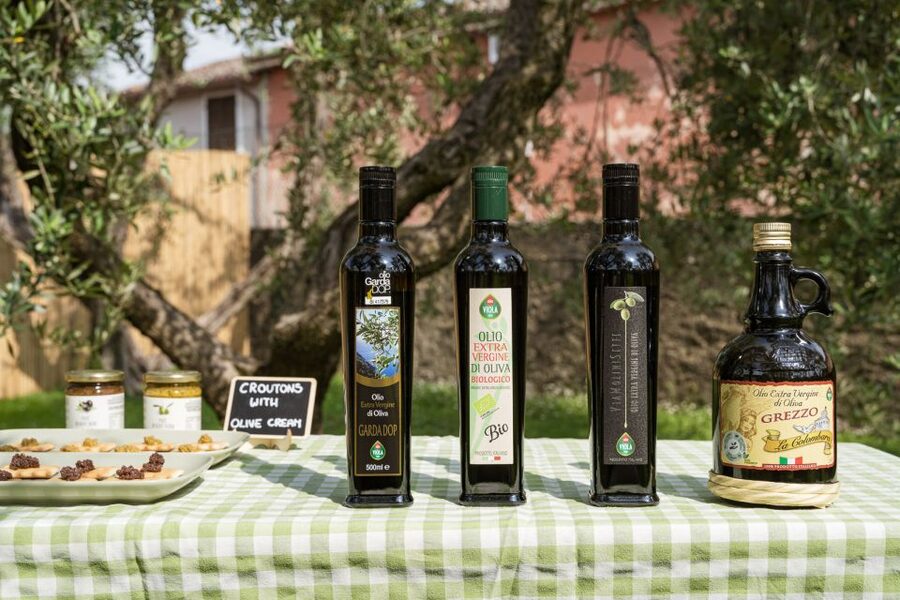
The highlight is the tasting of four extra virgin olive oils. You’ll include one labeled Garda DOP, plus three other extra virgin varieties for comparison. That matters because oil flavors are easier to understand when you’re tasting them back-to-back. You can notice differences in fruitiness, bitterness, and peppery notes instead of remembering just one impression.
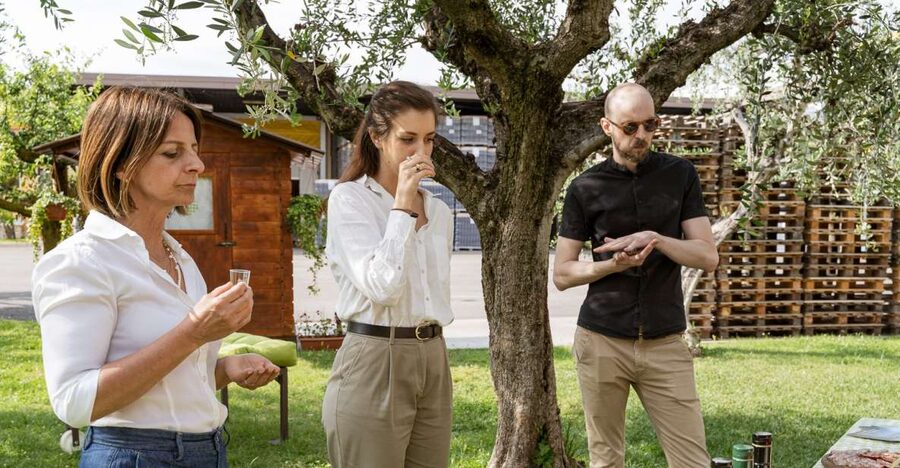
Expect the tasting to happen outdoors in the garden. The setting can make it feel more like a guided food chat than a rigid tasting flight. You’ll also have water available and a set of bites that helps you keep your palate in check.
A simple way to taste (so you don’t miss the point)
You don’t need a tasting degree. I’d suggest you focus on three quick signals for each oil:
- how it smells right away
- how it feels at the back of your throat
- whether the finish tastes more grassy, more fruity, or more savory
Because you’re comparing multiple oils, you’ll naturally start labeling what you like. That makes your future shopping at the shop section (and back home) easier.
Food pairing that’s actually useful: bread, salami, olive paté, and olives
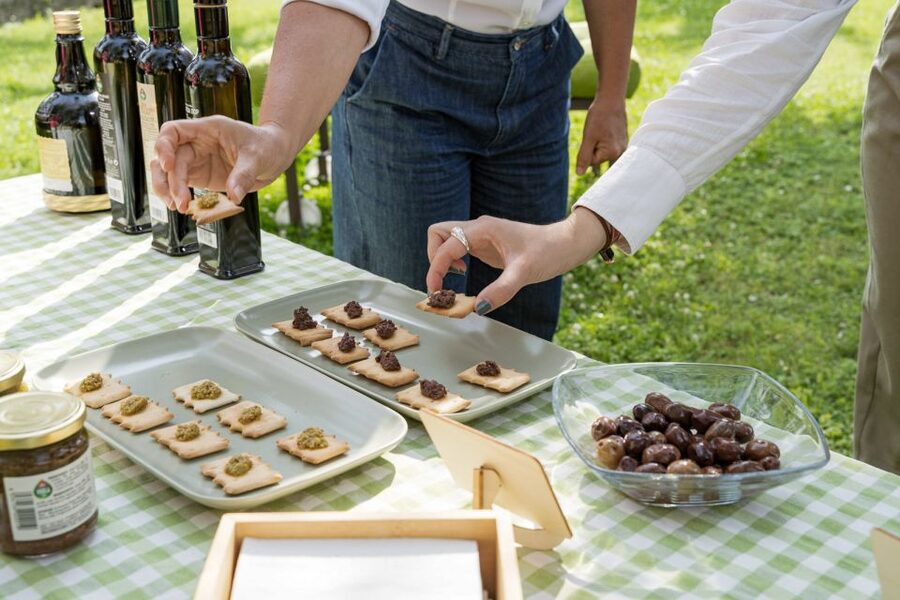
A lot of tours do the tasting and then forget food. Here, the snacks are part of the experience. You’ll have bread made with extra virgin olive oil, local salami, croutons with green and black olive paté, and organic olives from Lake Garda, plus water.
These choices give you quick palate resets. Bread and oil help you notice how the oil behaves when it coats something. Salami and paté add salty, savory anchors so you can separate oil character from just overall taste.
It’s also a practical way to avoid turning your olive stop into a rushed pre-dinner snack. You’re essentially getting a small, well-chosen meal structure in about an hour.
Rain or shine: what changes when the weather turns
The tour takes place even if it rains, which is reassuring for a Lake Garda day. The production part is the most weather-proof, and then the outdoor tasting is still the plan—so come prepared for a damp garden moment.
If you’re the type who hates cold hands, bring a light layer you can add fast. And if you’re sitting where it’s wet, shoes with decent grip will make you comfortable without thinking too hard about it.
The good news: rain doesn’t mean cancellation. You can keep your itinerary moving.
Group size and timing: the two things that can affect your comfort
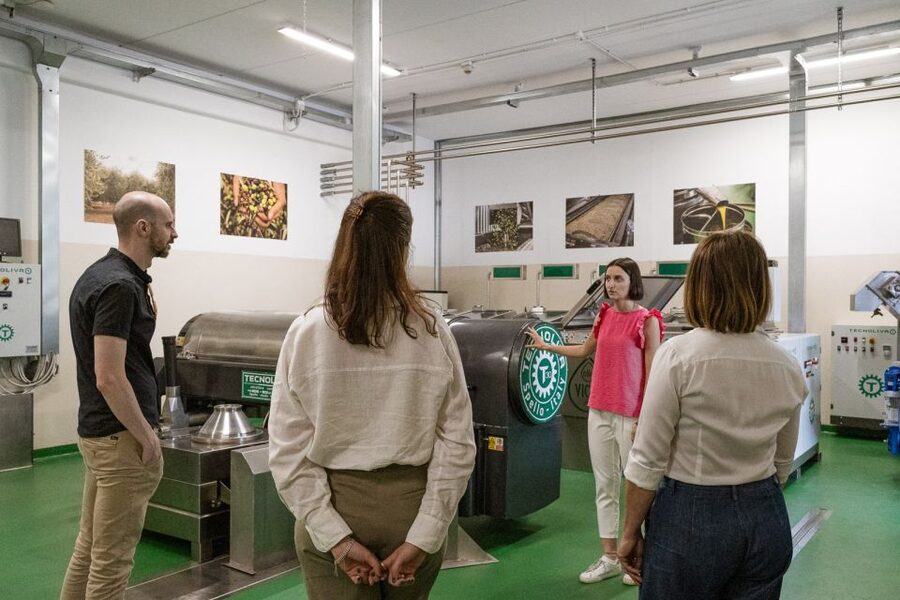
The tour is guided, and it’s popular—so group size can be a factor. In some cases, the group can be on the larger side, which may limit personal space and slow the pace of questions.
Timing can also vary slightly. The scheduled duration is 1.5 hours, but in at least some instances it has run longer, likely due to how the guide paced the production walk and tasting.
My advice: treat the start time as a plan for arrival, not a hard clock for when you’ll be free afterward. If you have a strict ferry connection right after, build buffer time.
Languages and guide style: what you’ll get from the tour guide
You’ll get a live guide in Italian, English, or German, and that matters more than people think. Olive oil education can be dry if the guide reads from a script. Here, guides have a reputation for explaining clearly and keeping things positive.
Seeing the process and tasting afterward works best when the guide translates what you’re looking at into words you can use later. That’s why the guide’s style is a major part of the experience—especially if you want to understand what Garda DOP signals beyond the label.
Who this tour suits best (and who should consider alternatives)
This is a great fit if you:
- want an easy food-focused activity on Lake Garda
- enjoy learning local production methods
- like tastings where you compare multiple items
- want snacks included without hunting for a separate stop
It’s less ideal if you have mobility impairments, since it isn’t suitable for that situation. If you’re traveling with mobility needs, it’s worth choosing another Lake Garda olive experience that’s explicitly accessible.
Should you book the Bardolino oil mill tour?
Book it if you want a short, guided taste of Lake Garda that goes beyond scenery and wine. The value is strong because you’re getting a mill visit, a guided explanation (with a video), and a structured tasting of four extra virgin olive oils with matching local bites—inside a tidy 1.5-hour window.
Skip it only if you strongly prefer quiet, uncrowded experiences or you can’t be flexible if the tour runs a bit longer than planned. Otherwise, this is one of those practical food tours that turns a regional product into something you actually understand.
FAQ
What’s included in the tasting?
You’ll get a tasting of four extra virgin olive oils, plus local snacks: bread made with extra virgin olive oil, local salami, croutons with green and black olive paté, organic olives from Lake Garda, and water.
How long is the oil mill tour?
The tour duration is 1.5 hours.
What’s the price per person?
The price is $31 per person.
Where does the tour meet?
You can enter the Olio Viola mill in your car. Free parking is available on site.
Do I need transportation booked separately?
Private transportation is not included, so you’ll want to arrange how you get there on your own.
What languages are offered for the live guide?
The live tour guide is available in Italian, English, and German.
Does the tour run if it rains?
Yes, the tour takes place even if it rains.
Are dogs allowed?
Yes, dogs are allowed.
Is the tour suitable for people with mobility impairments?
No, it is not suitable for people with mobility impairments.
Can I skip the ticket line?
Yes, you can skip the ticket line.
What do I taste besides the oils?
Besides the four extra virgin olive oils, you’ll taste bread made with extra virgin olive oil, local salami, croutons with green and black olive paté, and Lake Garda olives, plus water.