REVIEW · CRETE
Crete: Full-Day Cretan Wines, Olive Oil, Raki and Food Tour
Book on GetYourGuide →Operated by Cretan Vioma · Bookable on GetYourGuide
Olive oil, wine, raki, and pottery in one day. This Crete tour strings together the island’s big food-and-drink icons, from olive groves to vineyards, then finishes with a hands-on pottery stop in a traditional village. The small-group format means you spend time talking with the people running each place, not just lining up for samples.
What I really liked most: the first stop at Skalani sets the tone, with a guided olive grove/olive mill visit plus tastings and local snacks that feel like you’re being let into the working rhythm of the countryside. The middle of the day is built around wine—there’s a tour of a family winery using organic methods and you taste five wines—and it’s followed by a raki-focused stop that even includes a distillery with an ancient wine press. Guides such as Antonis and George bring the story to life, with warm hosting and real context you can use while you explore on your own.
The main drawback is that it’s a full, packed day with multiple tastings. If you’re sensitive to alcohol, or you’d rather not be served raki repeatedly, plan your pace—and if your visit falls on a Sunday, note the pottery workshop isn’t available that day.
In This Review
- Key things to know before you go
- How this Crete food-and-drink day actually feels
- Skalani start: olive grove walking, olive mill viewing, fresh tasting
- The organic family winery and the five-wine tasting payoff
- Raki distillery and the ancient wine press: why this stop is so memorable
- Lunch in a local tavern: food that matches the story
- Thrapsano pottery workshop: hands-on craft in a traditional village
- Small group touring: why the van time is part of the value
- Price and value: what $141 buys you in real terms
- Who should book this tour (and who should skip it)
- Should you book the Crete wines, olive oil, raki, and food tour?
- FAQ
- Is pickup and drop-off included?
- How long is the tour?
- How big is the group?
- What tastings and tours are included?
- How many wines do you taste?
- Is lunch included?
- What’s special about the raki distillery stop?
- Is the pottery workshop available on Sundays?
- Can the tour accommodate dietary needs or allergies?
Key things to know before you go
- Small group of up to 8 keeps the day friendly and conversational
- Skalani olive grove and olive mill gives you the production side of olive oil, not just the product
- Five-wine tasting at a family winery that uses organic methods
- Raki distillery tour with an ancient wine press, then tasting in the rakokazano setting
- Lunch at a local tavern that feels like a real meal, not a rushed stop
- Pottery workshop in Thrapsano (not available Sundays)
How this Crete food-and-drink day actually feels
This is the kind of tour that makes sense for people who want depth without homework. You get to see how three of Crete’s signature products are made—olive oil, wine, and raki—and then you carry that understanding into the last two stops, a proper meal and a hands-on pottery session.
I like that the day is built around working producers. You’re not stuck in a showroom or a staged tasting room. Instead, you travel from place to place where people grow, press, ferment, and distill, and then you sit down with food that matches what you’ve been learning.
One more thing: the driving time matters. You’re in a van for parts of the day because Crete’s top producers sit beyond the main tourist strips. It’s not a quick-hit tour, so wear comfy shoes and expect a full day out.
You can also read our reviews of more tours and experiences in Crete.


Skalani start: olive grove walking, olive mill viewing, fresh tasting
Most wine-and-food tours jump straight to tasting. This one starts with the olive side, and that’s a big win if you want to understand why olive oil is more than a condiment in Crete.
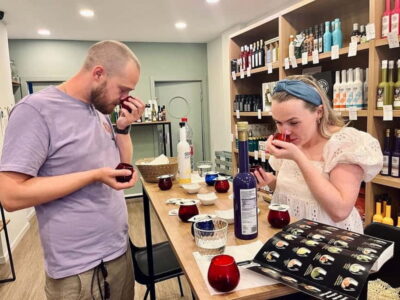
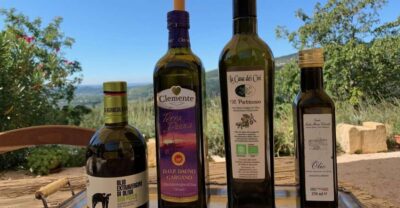
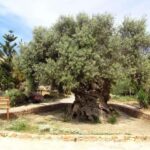
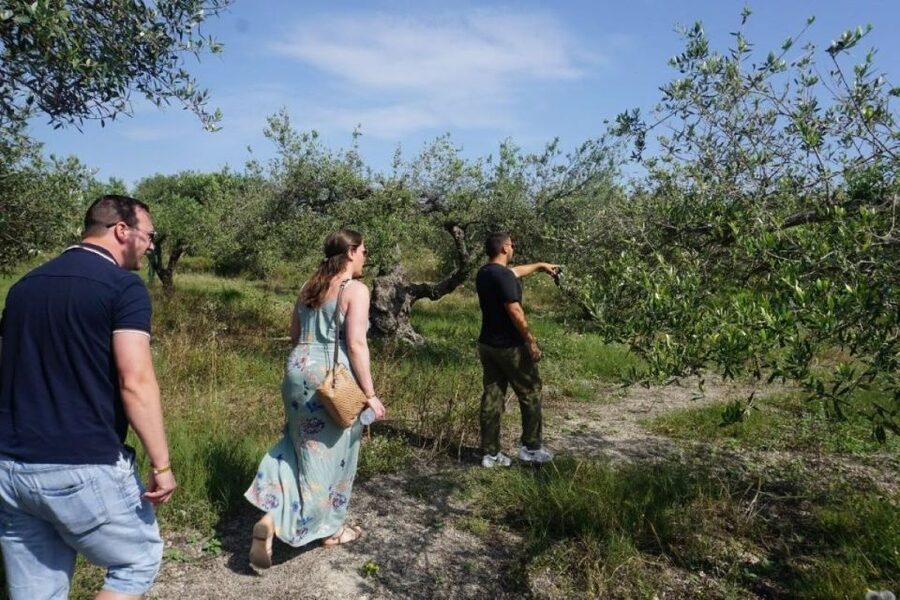
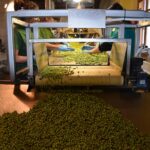
At Skalani, you get a guided visit that includes both a look at the olive grove and a stop at the olive mill. Then you taste fresh olive oil after the tour. You also get brunch and local snacks as part of this morning block, which keeps the energy up before the wine comes later.
Here’s why I think this start works: olive oil production is a daily, seasonal rhythm, so seeing it early gives you context for the rest of the day. When you later taste wine and raki, you’ll notice the common thread—Crete is built on agriculture and timing.
A practical note: since you’re eating and tasting early, you’ll want to pace yourself for later tastings. Raki is the part that can catch you off guard.
The organic family winery and the five-wine tasting payoff
After the olive start, the tour shifts to vineyards and wine. This is where you’ll slow down a bit, because the day sets you up to enjoy the tasting rather than treat it like a stop-and-go checklist.
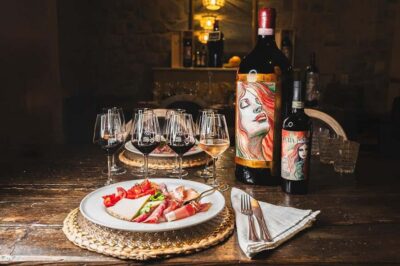
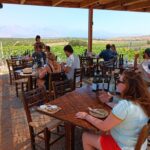
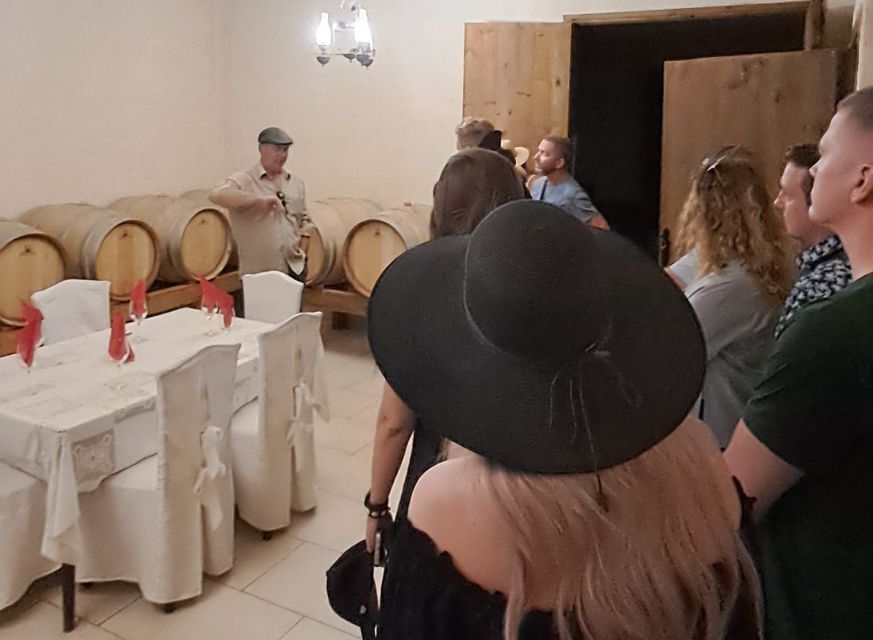
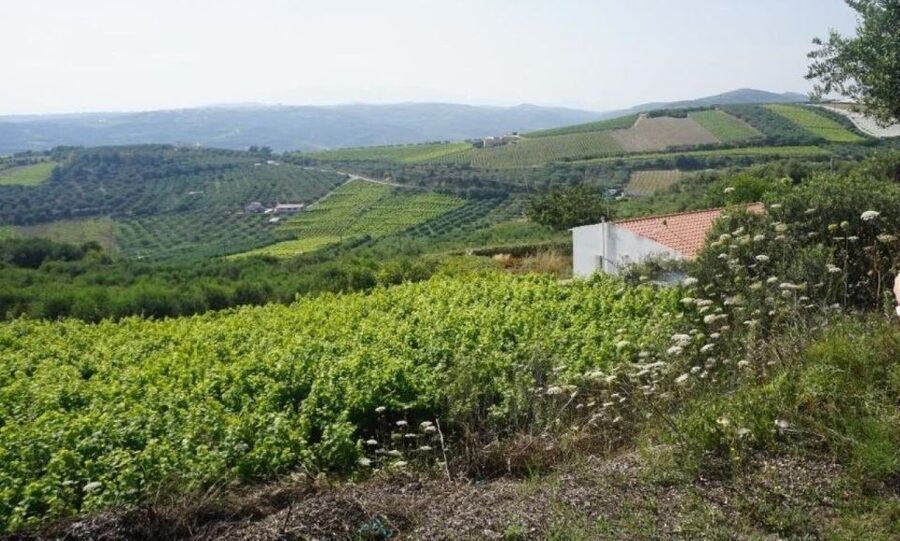
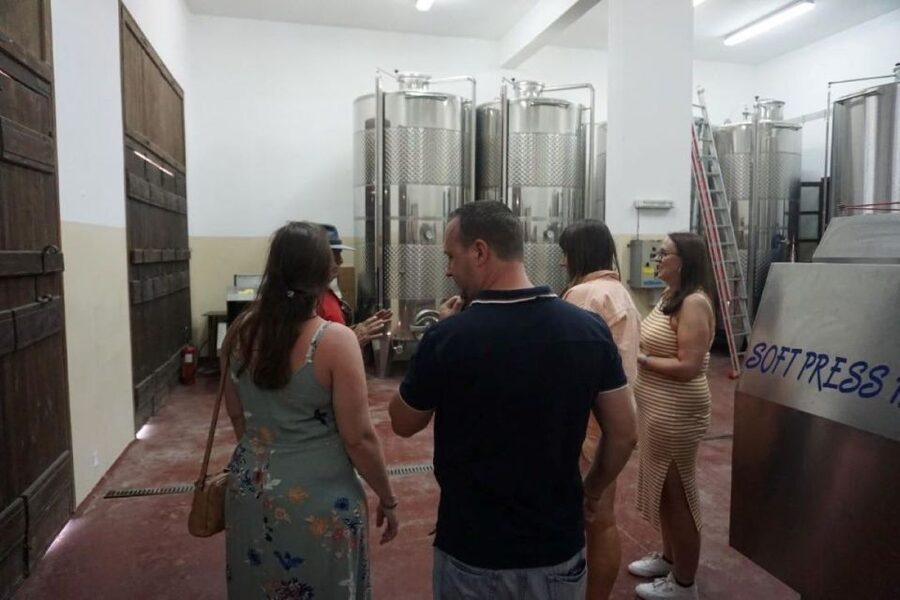
You visit a family-owned winery that uses organic methods for cultivating. You get a guided tour around the vineyards and the winery itself, plus scenic views along the way to and from the property. Then comes the main event: tasting five wines.
I love that this is not just sampling a single type. Five wines gives you room to compare styles and understand how a producer thinks, not just how one glass tastes. If you’re the type who reads labels at home, this portion will click because you’re tasting in the real place where the grapes are grown.
Potential drawback: wine tastings can blur together if you go in hungry or too eager. If you’re the sort who likes to take notes, bring a small notebook or keep your phone handy for quick impressions.
Raki distillery and the ancient wine press: why this stop is so memorable
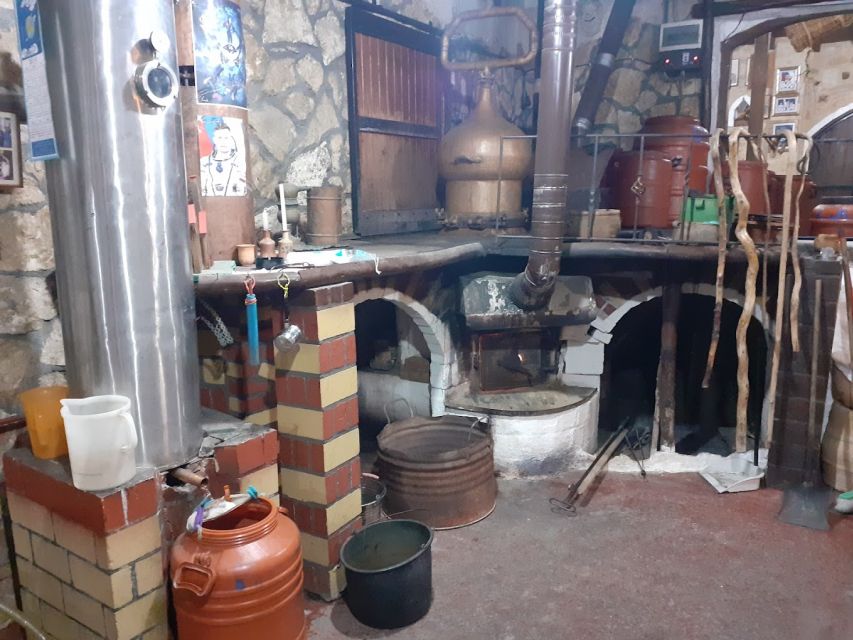
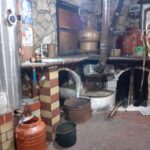
Raki is the headline spirit in Crete, and this tour treats it like a real story. You don’t just get handed a shot; you get a guided distillery visit that includes a site with an ancient wine press.
After the tour, you enjoy a wine and raki tasting in the rakokazano setting. In plain terms, this is where the day shifts from tasting wine to tasting Crete’s spirit culture. And yes, it can be intense—one sign you’re in the right place is that you’ll feel it quickly.
A few reviews point out that the raki experience can include flavored versions, such as lemon-style raki. So don’t assume it’s only one flavor profile. Still, treat raki as the stronger half of the day and don’t plan anything important immediately after.
If you don’t love spirits, you can still learn a lot here. The tour’s value is in the process and the culture around it, not only the alcohol. Just be honest with yourself about how you handle strong pours.
Lunch in a local tavern: food that matches the story
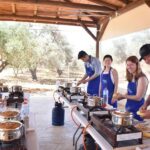
Lunch is not an afterthought on this tour. You get a traditional meal at a local tavern during the middle-to-late stretch of the day, after the wine and distillery stops.
What I like is how the lunch fits the arc: you’ve seen olive oil and vineyards earlier, then you learn about raki, and then you sit down to eat. The result is that lunch doesn’t feel separate from the rest of the experience. It feels like the practical, everyday side of the same culture.
Some meals here are described as generous and filling, even turning into a favorite stop of the entire trip. That matters because a full day of tastings without a proper meal turns into a sugar-and-alcohol blur. With a real tavern lunch, you can reset your energy and keep enjoying.
If you have diet needs, contact the operator at least 48 hours in advance with specifics like allergies or vegetarian preferences, so the meal can be handled properly.



Thrapsano pottery workshop: hands-on craft in a traditional village
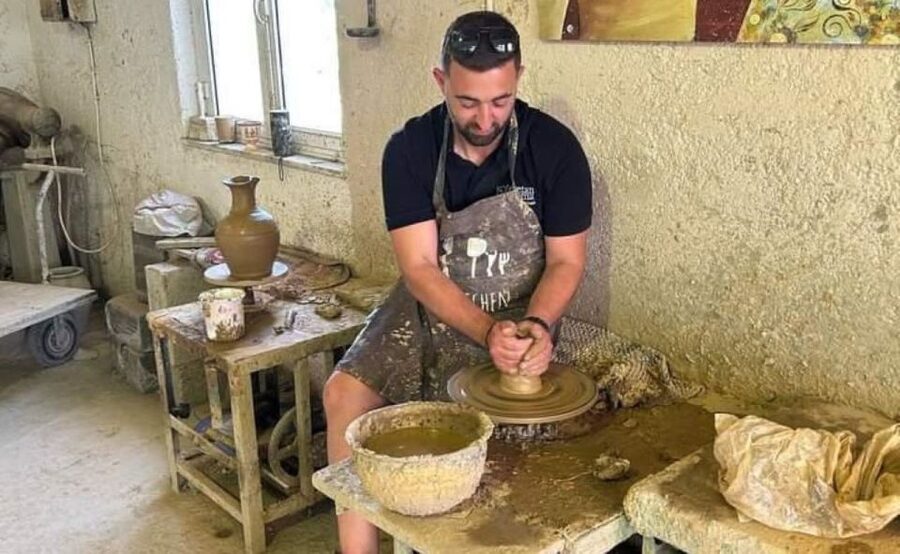
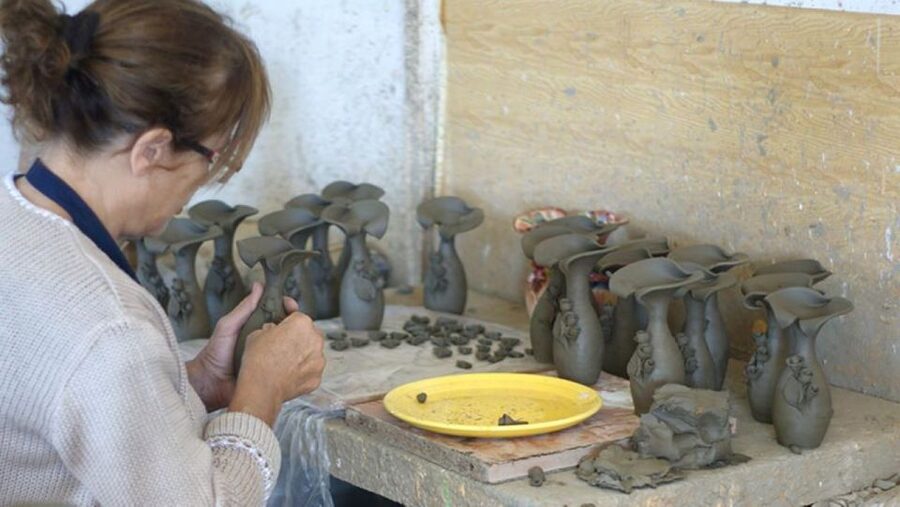
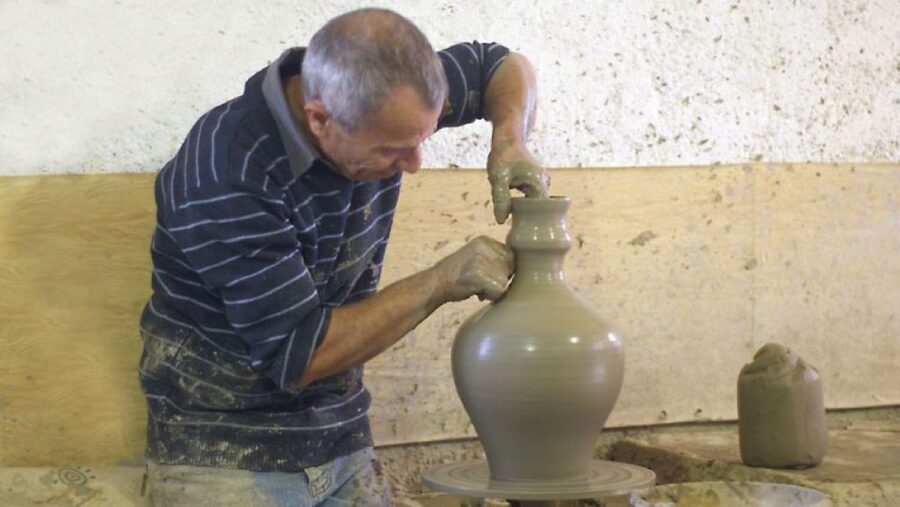
The day ends with craft, and that’s a smart choice. A pottery workshop is a different kind of learning: you’re not just tasting products, you’re making something that requires attention, patience, and a bit of trial and error.
You visit Thrapsano, a traditional village known for its pottery. Then you go to a pottery studio/workshop setting where you can try your hand at making pottery (wheel-throwing style is part of the experience). There’s also time tied to arts and crafts in the village.
Two things to know:
1) It’s hands-on, so go with the mindset of fun, not perfection.
2) The pottery lab is not available on Sundays, so your end-of-day craft portion may differ if you’re traveling on a Sunday.
If you want a souvenir that isn’t just a bottle, this is the kind of ending that makes the whole day feel complete.
Small group touring: why the van time is part of the value

This tour caps at 8 participants, and that changes the vibe. In a small group, you ask questions without feeling like you’re stealing time. You also get to hear how other people taste things, which can actually sharpen your own palate and curiosity.
Guides on this tour—often named Antonis and George—tend to connect the places you visit to everyday Crete. That’s where the “local” part comes from. It’s not a marketing word. It’s the difference between memorizing facts and understanding what matters to farmers, winemakers, and potters.
Also, a good driver makes long rural days easier. Many guests highlight how smooth and comfortable the van rides feel, which matters when you’re going to several stops in one day.
Price and value: what $141 buys you in real terms
At $141 per person for an 8-hour day, this doesn’t feel like a bargain if you compare it to a single attraction. But that comparison misses the point.
You’re paying for a full package:
- transport with pickup and return to your accommodation
- guided tours at multiple working producer sites
- tastings for olive oil, five wines, and raki
- lunch at a local tavern
- an included pottery experience where available
When you spread the cost across tastings, meals, and multiple guided stops in rural Crete, the value gets clearer. You’re also buying time—this kind of itinerary is hard to assemble on your own without already knowing where to go and how to get meaningful access.
If you like food-and-drink tours, this price is in the zone of “worth it” because you’re not just sampling—you’re learning production and culture in a way that sticks.
One more practical value tip: plan to buy a couple of bottles or olive oil if you find a producer you love. Some guests suggest carrying cash in case card processing is down at certain stops. Not every place will run into that, but it’s easy to be prepared.
Who should book this tour (and who should skip it)

This tour is a strong match if you want an island-focused day built around Crete’s staples: olive oil, wine, raki, and local craft. It’s also a good fit if you like small groups and you’d rather talk with people at family-run places than stay on the main tourist loop.
You might skip it if:
- you dislike alcohol and don’t want repeated tastings
- you need downtime during the day (this schedule is full and active)
- you’re traveling on a Sunday and pottery availability matters a lot to you
If you’re the type who loves to bring home edible souvenirs and a real sense of how things are made, you’ll enjoy this more than a standard museum-and-panorama day.
Should you book the Crete wines, olive oil, raki, and food tour?
If you’re choosing between a generic wine tour and something more cultural, I’d pick this one. The best part is the chain: olive oil production first, then vineyards and organic wine tasting, then raki with an ancient wine press, then lunch, then pottery. That arc makes the day feel like one story, not five disconnected stops.
Book it if you want authentic producers, plenty of tasting, and a finish where your hands get involved. Just go in expecting a busy schedule and plan around raki’s strength.
FAQ
Is pickup and drop-off included?
Yes. The tour includes transport plus pickup and return to your accommodation in Crete.
How long is the tour?
The duration is 8 hours.
How big is the group?
This is a small-group tour limited to 8 participants.
What tastings and tours are included?
You’ll visit an olive grove and olive mill and taste fresh olive oil. You’ll also tour and taste at a family winery and visit a raki distillery for wine and raki tasting in the rakokazano setting.
How many wines do you taste?
At the winery stop, you taste 5 wines.
Is lunch included?
Yes. Lunch is included, served at a local tavern.
What’s special about the raki distillery stop?
You get a guided tour of the distillery, which features an ancient wine press, followed by raki tasting.
Is the pottery workshop available on Sundays?
No. The pottery lab/workshop is not available on Sundays.
Can the tour accommodate dietary needs or allergies?
Yes. Contact the local operator at least 48 hours in advance with dietary requests or allergies so they can plan the meal accordingly.