REVIEW · CRETE
Private Guided Tour to Lasithi Plateau Villages & Olive Oil Mill
Book on Viator →Operated by Tours in Heraklion · Bookable on Viator
Wind, oil, and myth in one long day. This private tour across the Lasithi Plateau pairs big views with hands-on culture, from an early stop at a 4th-generation olive press to village time where you taste Cretan drinks and slow down for real conversation. I especially like the olive oil tasting at Omalia Olive Press and the way the day mixes agriculture, crafts, and everyday life instead of treating everything like a quick checklist. One thing to plan for: the walk to Zeus Cave is uphill (about 15–20 minutes), so comfortable shoes matter.
I also like that you’re not stuck with a long group schedule. It’s set up for a small party (up to 7) with pickup and drop-off, and a local English-speaking driver guide like Spyros who brings the place to life with humor and sharp local knowledge. The route is mostly efficient, but you will have some driving passes between stops to keep the timing smooth.
In This Review
- Key things I’d circle in this Lasithi Plateau experience
- A private day on the Lasithi Plateau: what you’re buying with this tour
- Omalia Olive Press: tasting olive oil like a local craft, not a showroom
- Windmills of Lasithi Plateau: photo time plus the real story of water and grain
- Zeus Cave hike approach: what to expect from that 15–20 minute uphill
- Psychro pottery workshop: get hands-on or at least watch the craft close-up
- Lasithi Mesa in a traditional kafeneio: a pause where the food and talk matter
- Tzermiado lanes and Greek yogurt: simple snack, real village atmosphere
- Lunch at Restaurant Tzanakis Michael: optional, but with strong regional options
- Platanus tree in Krasi: a 2,000+ year pause for scale
- Aposelemis Dam views: a modern contrast to the plateau’s myths
- Price and what makes this feel like good value for money
- Who this tour is for (and who should pick a different style)
- Should you book this Lasithi Plateau private guided tour?
- FAQ
- How long is the Lasithi Plateau private guided tour?
- What’s included in the price besides the guide and transport?
- Is lunch included?
- Do I need to hike to Zeus Cave?
- If I’m on a cruise and the tour starts later than 09:00, will I see everything?
- What happens if weather is bad or I need to cancel?
Key things I’d circle in this Lasithi Plateau experience
- 4th-generation olive oil factory stop with real tasting at Omalia Olive Press
- Windmills photo time with the panoramic plateau views you came for
- Live pottery workshop in Psychro, with chances to make your own souvenir
- Village café culture at Lasithi Mesa with Cretan wine, raki, and Greek coffee
- Tzermiado’s lanes and Greek yogurt for a quick, flavorful break
- Ancient Platanus tree and Aposelemis Dam viewpoints to balance myth and modern Crete
A private day on the Lasithi Plateau: what you’re buying with this tour
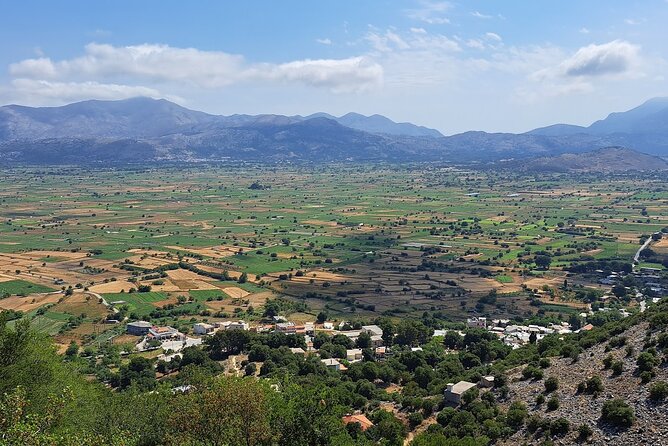
This is a full, guided Crete day built around the Lasithi Plateau’s three big themes: how people farmed and lived here, the crafts that come out of that same culture, and the myth you can’t miss when you’re near Mount Dikti.
You’re in a private group up to 7, transported in a Mercedes Benz van with pickup from your hotel, port, or airport. That matters because Lasithi isn’t a place you rush through on a timetable; it’s a place where having local context helps you notice what’s going on, from the olive groves to the old village buildings.
The biggest “value move” is that the tour doesn’t only show you sights. It puts you in spots where you taste, talk, and watch—so you leave with more than photos. Spyros (a guide name that shows up in real experiences) is known for answering questions and keeping the day fun, which is exactly what you want when the itinerary runs long.
You can also read our reviews of more tours and experiences in Crete.


Omalia Olive Press: tasting olive oil like a local craft, not a showroom
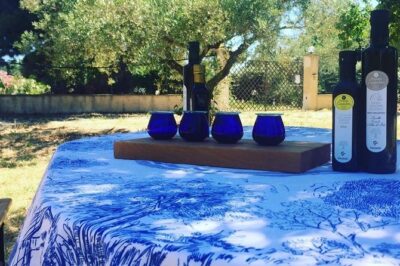
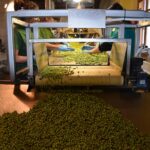
Your first major cultural stop is the Omalia Olive Press, a 4th-generation olive oil factory. The point here isn’t just to look around. It’s to understand how olive oil in Crete is both food and identity, tied to seasons, land, and a family tradition that gets passed on.
You’ll see modern equipment working alongside older methods. That blend is a big deal on the plateau: you get the sense of continuity without pretending everything stayed the same. Then you taste the result—fresh, golden olive oil from the harvest—so you can actually connect flavor to process.
Practical tip: if you’re the type who likes to shop later, this is the moment to pay attention to what you like (peppery? mild? grassy?). Many visitors end up wanting the right kind of olive oil for bread-dipping, salads, or cooking right after they taste it.
Windmills of Lasithi Plateau: photo time plus the real story of water and grain
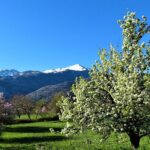
Next up is the Windmills of Lasithi Plateau, with time to photograph the old structures and take in the panoramic view. These windmills weren’t built for decoration. They were part of how people ground wheat and moved water to keep the plateau productive, especially in a place where farming depends on smart irrigation.
You’ll get the history in plain terms, and you can also notice how the windmills relate to the terrain. They feel like they belong to the sky here, which makes the viewpoint stop a good break from the more indoor stops.
Drawback to keep in mind: this isn’t a long museum stop. It’s a short, scenic break. If you’re hoping for a lot of walking among windmills, this portion stays more structured, and you’ll move on.
Zeus Cave hike approach: what to expect from that 15–20 minute uphill
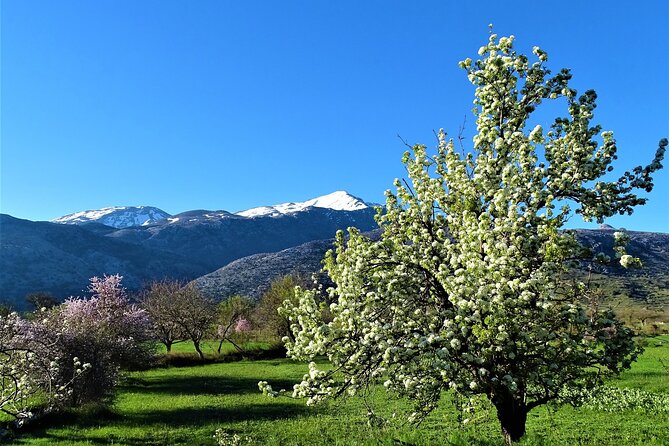
Even though Zeus Cave can be talked about as a single stop, the experience starts with the walk up. You should expect a 15–20 minute uphill hike to reach it, and the tour notes strongly suggest comfortable shoes.
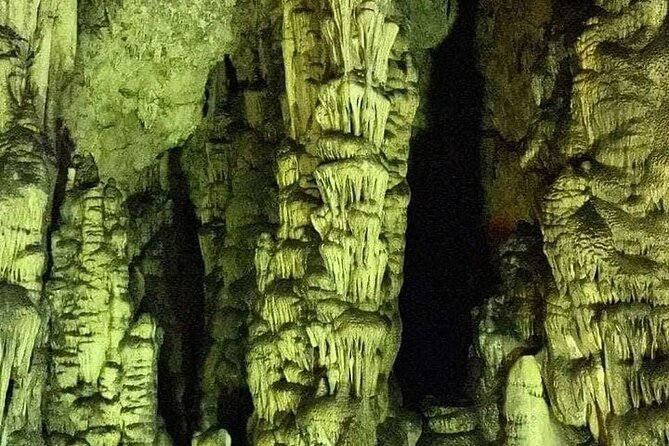
In the cave itself, you’re looking for stalactites and stalagmites, plus a pond. That’s the part that makes the myth feel physical: you’re not just hearing about Zeus, you’re standing inside the kind of cave setting that inspired centuries of stories.
A real-world consideration from experience: this hike is not always easy for everyone, and some people feel the effort versus payoff can be uneven if you’re already tired from the day. If you’re going to do it, go in with the right expectations. Treat it like a climb to earn a cool, atmospheric cave moment, not a stroll.
If you want to make it easier, keep an eye out on-site for any on-the-ground options you might encounter (some visitors have mentioned donkey ride experiences on the Zeus approach). I’d still plan on the walk as the baseline plan.
Psychro pottery workshop: get hands-on or at least watch the craft close-up
In Psychro, you’ll visit a pottery workshop where the owner works live. This is one of those stops that’s worth more than the souvenir you take home, because you can see how the maker thinks and moves—hands, tools, and patience all in action.
You’ll also have time to make your own souvenir if you want. Even if you don’t go full artist, watching the process is a satisfying change of pace after olive tasting and windmill photos.
Time is short here (about 30 minutes), so I recommend deciding quickly what you want: watch closely, ask questions, or jump into the making process. If you do both, you might run out of time to enjoy either fully.



Lasithi Mesa in a traditional kafeneio: a pause where the food and talk matter
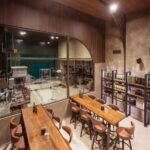
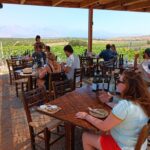
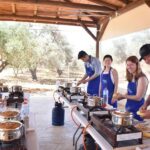
Next is Lasithi Mesa, where you meet locals in an old kafeneio, a traditional café. This is the heart-of-the-plateau vibe: people living at a slower pace, with conversations that help you understand what life here is like beyond agriculture.
You’ll have tastings included: Cretan wine, raki, and Greek coffee. That’s a nice contrast to the olive oil stop because it layers taste on taste—first the island’s famous product, then the drinks that come with social life in the villages.
One practical note: this is a longer stop (about 1 hour 30 minutes). If you get motion-sick or you prefer tight pacing, you’ll still be fine, but it’s a chunk of sitting and chatting. This is a day where you’re meant to slow down once in a while.
Tzermiado lanes and Greek yogurt: simple snack, real village atmosphere
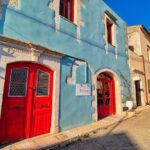
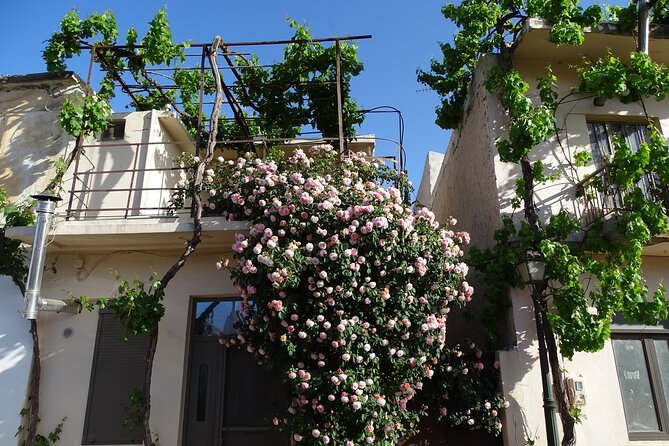
In Tzermiado, you’ll walk narrow streets and look at older buildings. This is the kind of village wandering that works best when you keep your phone camera ready but also look up at doorways, windows, and the street layout.
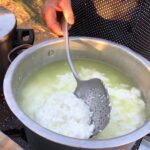
You’ll also taste Greek yogurt here. It’s a small stop (about 45 minutes), but it adds up because it’s a local flavor connection rather than a random cafe stop.
If you’re trying to beat heat, this is another place to ask your guide about shade and the best time to walk the tight streets. The plateau sun can hit harder than you expect.
Lunch at Restaurant Tzanakis Michael: optional, but with strong regional options

For lunch, the tour stops at a family taverna: Restaurant Tzanakis Michael. Lunch isn’t included, but it’s your chance to eat in the middle of the day with Cretan food made from fresh local products.
The menu options mentioned include moussaka, saganaki, stuffed vegetables, Greek salad, and lamb in the oven. Even if you don’t order everything, this lineup helps you steer toward classic tastes instead of getting stuck with something convenient but generic.
Value tip: since lunch is optional, decide before you go what budget you want to spend. If you’re a bigger eater, this may be your main paid meal of the day. If you snack lightly at the villages, you’ll likely enjoy lunch more and feel less rushed after.
Platanus tree in Krasi: a 2,000+ year pause for scale
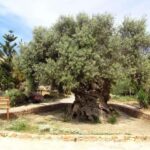
On the way back, you’ll visit an ancient Platanus tree in Krasi. It’s described as around 2,000+ years old (some descriptions put it over 2,000, and it’s framed as about 2,400 years), and the point of the stop is the sheer scale: the tree becomes a natural landmark and shade-holder for village life.
This is only about 20 minutes, so it’s not a long walk or lecture stop. You go, look, and let the age of the place reset your sense of time. If you like quiet breaks, this is one of the best spots to stand back from the rush and just watch.
Aposelemis Dam views: a modern contrast to the plateau’s myths
Your final scenic stop is Aposelemis Dam, noted as the largest dam on Crete in the tour description. You’ll get views over the reservoir and surrounding countryside, and it’s a reminder that water management shaped this region too—just in a more modern form.
This stop is about 25 minutes. It’s short on purpose, which keeps you from ending the day too late. If you’re a landscape-photo person, this is also a strong light-and-water viewpoint depending on the time of day.
Price and what makes this feel like good value for money
The price is listed as $694.09 per group (up to 7) for a 7 to 8 hour private tour. That’s not cheap if you’re traveling solo, but it becomes much more reasonable as soon as you’re sharing.
Here’s the simple math:
- Split 7 ways: about $99 per person
- Split 4 ways: about $174 per person
- Split 2 ways: about $347 per person
For that cost, you get private van transport, pickup and drop-off, a local English-speaking driver guide, bottled water, and tastings (Greek coffee, wine, raki, and refreshments), plus all fees and taxes.
Where the value really shows is the mix: olive oil factory tasting, a pottery workshop, village café culture, plus stops that give you myth and old-world farming imagery. If you were trying to assemble this on your own, you’d likely spend time coordinating drives, timing, and entrance costs—so you’d be paying in stress, not just money.
Who this tour is for (and who should pick a different style)
This is a great fit if you want:
- A guided day with context, not just a bus ride
- Food and drink moments (olive oil tasting, kafeneio drinks, yogurt, optional lunch)
- A private setting where you can ask questions and move at your group’s pace
It’s less ideal if:
- You dislike any uphill walking (Zeus Cave involves a hike to reach the cave)
- You want a very fast hit of many viewpoints with minimal time sitting in villages
- You don’t eat/drink your way through a day (because tastings are part of the experience design)
Should you book this Lasithi Plateau private guided tour?
If you like real cultural stops—olive oil made with care, a potter working live, and village café time—then yes, this is worth booking. The private transport and pickup alone remove a lot of friction, and the inclusion of tastings gives the day a natural flow instead of feeling like you’re always paying extra.
Book it with clear expectations about Zeus Cave: plan for the uphill walk with good shoes and assume it may feel like more effort than a quick sightseeing stop. If that hike scares you, you can still enjoy most of the day, but this tour is designed around the plateau’s myth-and-culture mix, so the cave is part of the payoff.
If you’re traveling with a group of friends or family, this also becomes one of the better ways to get a guided Crete day without splitting up your plans across multiple vendors.
FAQ
How long is the Lasithi Plateau private guided tour?
It runs about 7 to 8 hours.
What’s included in the price besides the guide and transport?
You get private transportation in a Mercedes Benz van, pickup and drop-off from your hotel/port/airport, a local English-speaking driver guide, liability insurance, Greek coffee, wine, raki and refreshments, bottled water, and all fees and taxes.
Is lunch included?
Lunch is not included. There is an optional lunch stop at Restaurant Tzanakis Michael (family taverna) with Cretan food options.
Do I need to hike to Zeus Cave?
Yes. You have to walk uphill about 15–20 minutes to get to Zeus Cave, so wear comfortable shoes.
If I’m on a cruise and the tour starts later than 09:00, will I see everything?
Not always. For tours starting later than 09:00 am from cruises, you may have to skip one or a couple sites to get back on time. The guide will adjust the program based on your priorities.
What happens if weather is bad or I need to cancel?
This experience requires good weather. If it’s canceled due to poor weather, you’ll be offered a different date or a full refund. You can cancel up to 24 hours in advance for a full refund.