REVIEW · SICILY
Soap and Olive Oil Experience
Book on Viator →Operated by Labiochem s.a.s. di Mazzotta A. & C. · Bookable on Viator
Soap, science, and olives in one stop. In Sciacca, this 2-hour guided experience mixes a restored soap museum with a hands-on workshop and ends with extra virgin olive oil testing plus a light aperitivo. It’s a smart change from a winery day, because you get culture, chemistry, and tasting in one afternoon.
Two things I really like: the setting inside the old 19th-century building (high ceilings, original stonework, and those olive-tree views) and the fact that you don’t just watch. You learn, then you actually make your own little soap bar. One thing to plan for: there’s no hotel pickup, so you’ll need to get yourself to the meeting point in Sciacca.
In This Review
- Key things that make this tour worth your time
- Soap Museum Science in Sciacca: Why This Isn’t a Winery Day
- Inside the 19th-Century Soap Museum Building
- A 5,000-Year Walk Through Soap-Making Cultures and Chemistry
- Soap Workshop in the Museum Laboratory: Making Your Own Bar
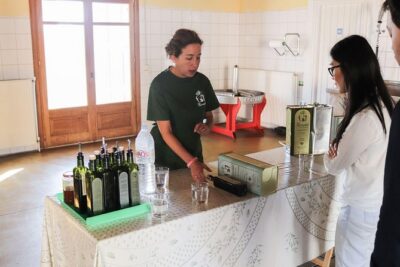
- Extra Virgin Olive Oil Testing: Learning How to Taste
- Aperitivo Under the Olive Trees (and That Roof-Top Moment)
- Price and Timing: Is $45.76 Worth It?
- Who This Soap and Olive Oil Experience Suits Best
- Getting There and Managing Expectations in Sciacca
- Quick FAQ for the Soap and Olive Oil Experience
- FAQ
- How long is the Soap and Olive Oil Experience?
- How much does it cost?
- Is the tour offered in English?
- Is it a private tour?
- What does the tour include?
- What’s the starting meeting point in Sciacca?
- Does the activity end at the same place?
- Do I need my own transportation?
- Can I make dietary requests?
- What’s the cancellation policy?
- Should You Book This Soap and Olive Oil Experience?
Key things that make this tour worth your time
- A restored 19th-century soap museum in Sciacca with original stonework and big, airy rooms
- A 5,000-year soap story across cultures, explained with chemistry and history together
- A real soap-making workshop where you prepare your own small bar
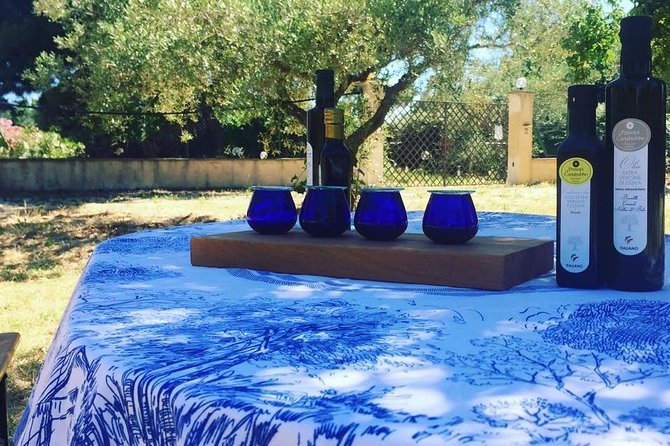
- Extra virgin olive oil testing as a structured class, not just a casual sip
- Aperitivo at the end with snacks and drinks, paired with local olives
Soap Museum Science in Sciacca: Why This Isn’t a Winery Day
If you’ve done the usual Sicily routine of vineyards and quick tastings, this tour gives you something different. It swaps grapes for soap and offers olive oil as a tasting moment, not a background detail.
The heart of the experience is the guided visit to a local soap museum in the countryside near Sciacca. You’ll step into an old, restored 19th-century building with high ceilings and original stonework. That matters, because the place feels like part of the story, not just a backdrop.
Then the pace shifts from storytelling to doing. You’ll take part in a soap-making workshop in the museum laboratory, which is where the learning stops being purely theoretical. Finally, you finish with a class focused on extra virgin olive oil testing, then a light aperitivo.
This is also a private activity, offered in English, so it’s built for small-group comfort. It’s not a rushed mass event where you spend the whole time trying to hear over other people.
You can also read our reviews of more tours and experiences in Sicily.
Inside the 19th-Century Soap Museum Building
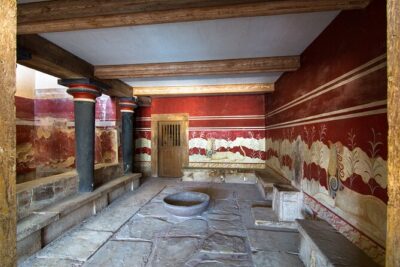
The museum is in a restored 19th-century structure, and you feel that right away. High ceilings and original stonework give the rooms a distinct atmosphere that you just don’t get in modern visitor centers.
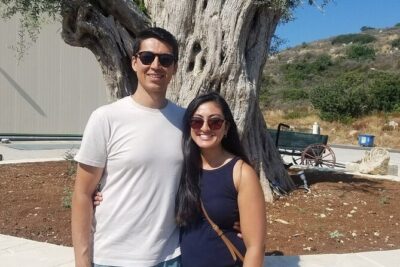
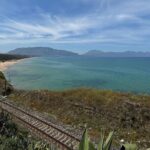
Outside, you’re in the Sicilian countryside near Sciacca, surrounded by olive trees with gorgeous views. That combination is a big part of why this tour works: the setting is calm, scenic, and grounded in everyday agriculture. Sicily here doesn’t feel like a theme park.
Because it’s a museum visit focused on soap-making, you also get an unusual blend of topics. You’ll be hearing about soap’s history alongside the technicalities of how soap is made. That pairing is the main reason this tour clicks for both curious beginners and people who like practical science.
A 5,000-Year Walk Through Soap-Making Cultures and Chemistry
The tour is designed as a journey through roughly 5,000 years of soap-making. You’ll learn about its discovery and how soap evolved across different cultures, right up to the soap used today.
What you get out of this section depends on your interests. If you love history, you’ll appreciate the cultural angle—soap didn’t spread the same way everywhere, and different societies shaped its role. If you prefer science, you’ll appreciate that the guide brings in the chemistry side, so soap isn’t presented as magic or myth.
The best part is that you’re not expected to be an expert. The tour frames soap-making as something humans figured out over time, using knowledge that connects to everyday materials and processes. For me, that turns a basic product into something you can actually talk about.
And it doesn’t stop at facts. The guide for at least one group, Alessandro, also ties the topic to broader themes like sustainable agriculture and local folklore. Even if your guide uses slightly different phrasing, the emphasis on how this connects to the land and tradition is clear. It helps the science feel grounded, not cold.
Soap Workshop in the Museum Laboratory: Making Your Own Bar
After the museum story, you move into the workshop portion. This is where you prepare your own little soap bar in the museum laboratory.
That shift is important. Museums can be passive: you walk, you listen, you leave. Here, you do something physical and personal. Making your own bar gives the chemistry a practical face. You can see how the concept becomes a tangible product.
A workshop also changes how you pay attention. When you’re doing the steps with guidance, you naturally ask better questions: why this ingredient, what effect it has, what the process is trying to achieve. Even if you don’t get into lab-level detail, you still come away with a clearer picture of how soap-making works.
Practical tip: wear comfortable clothes and be ready for a hands-on activity. The tour doesn’t promise anything messy, but soap-making is still manual work, so you’ll be happier if you’re not dressed in your most delicate outfit.
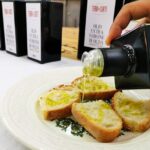
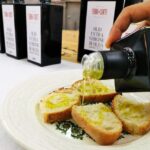
Extra Virgin Olive Oil Testing: Learning How to Taste
The end of the experience isn’t just an excuse to enjoy Sicilian food. You’ll take part in a class about extra virgin olive oil testing.
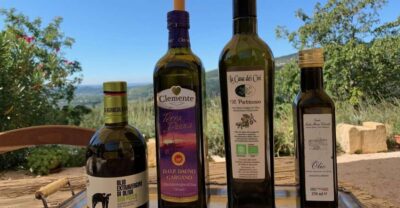
This is a big part of the value for me, because olive oil tasting can be vague when it’s only described as good or flavorful. A testing class implies structure: you learn what to look for and how to approach the oil like a product with traits you can identify.
You also get a starter connected to the tasting portion: Sicilian olives served in different varieties with special Sicilian herbs. It’s a nice setup because olives and olive oil both come from the same agricultural world, so the flavors feel like they belong together.
If you’re the type who likes to understand what you’re eating and why it tastes the way it does, this section will probably be one of your favorite parts. And even if you’re more of a casual eater, it gives you a simple way to taste beyond the first impression.
Aperitivo Under the Olive Trees (and That Roof-Top Moment)
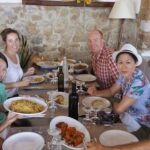
Finishing with a light aperitivo is exactly the right move after a tour that includes both learning and hands-on work. You’ll have snacks and beverages, including alcoholic beverages, as part of the included experience.
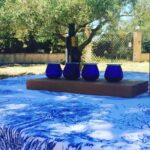
The aperitivo is described as taking place under the olive trees. One group also highlighted an aperitivo moment on the roof, which suggests you might get a viewpoint moment if the setup allows it. Either way, the “outside + olive trees” vibe helps the experience feel like a real Sicilian pause, not a quick drink with no atmosphere.
This is also where you’ll feel the day’s rhythm settle. You start with soap history, move into making something with your hands, then switch gears to tasting. By the time aperitivo arrives, you’ve got a lot to talk about, and that’s the fun part of small private tours.
Price and Timing: Is $45.76 Worth It?
At $45.76 per person for about 2 hours, this tour sits in a very reasonable range considering what’s included. You’re paying for more than a guided talk.
You get:
- A guided visit to the soap museum in a special setting
- A soap-making workshop where you prepare your own little soap bar
- Extra virgin olive oil testing with a tasting/class format
- A light aperitivo, snacks, and alcoholic beverages
- A private group experience (only your group participates)
- English-language guiding and a mobile ticket
Value usually comes from how much of the experience is active. Here, you’re not just observing. You’re participating in a workshop and doing structured tasting.
One timing note: it’s about 2 hours. That’s great if you want a concentrated experience without eating your whole day. It also means there’s limited time to go deep into every question, so if you have serious chemistry questions, keep them ready and ask early.
Also, it’s commonly booked about 23 days in advance on average. If your trip dates are fixed, don’t wait until the last minute.
Who This Soap and Olive Oil Experience Suits Best
This is the kind of tour I recommend when you want an authentic, grounded Sicilian experience that isn’t just about eating another meal.
It’s a strong fit for:
- People who like hands-on activities, especially workshops
- Travelers who enjoy food culture but want the “how” behind ingredients
- Anyone who wants history plus science in the same session
- Groups that want a private, English-guided format instead of a crowded tour
If you’re traveling with someone who gets bored with standard museum tours, the soap workshop helps a lot. If you’re traveling with someone who normally skips anything technical, the explanation is still tied to a product you already understand (soap and olive oil). It’s a clever bridge.
Getting There and Managing Expectations in Sciacca
The tour starts at Via Cartabubbo, 30, 92019 Sciacca AG, Italy, and it ends back at the meeting point.
No hotel pickup and drop-off is included, and transportation to and from attractions isn’t part of the package. So you’ll want to plan your own ride or route to Sciacca and factor in a little buffer time.
Because the tour is private and only your group participates, it can be easier to coordinate timing with your driver or rental car plan. But the burden is on you to reach the start point.
What about time on the ground? You’re looking at roughly 2 hours total. That’s short enough to pair with other activities in the region, but long enough that you’ll feel like you got a real experience, not just a quick stop.
Quick FAQ for the Soap and Olive Oil Experience
FAQ
How long is the Soap and Olive Oil Experience?
It lasts about 2 hours.
How much does it cost?
The price is $45.76 per person.
Is the tour offered in English?
Yes, the experience is offered in English.
Is it a private tour?
Yes. Only your group participates.
What does the tour include?
It includes a local guide, a light aperitivo, snacks, and alcoholic beverages.
What’s the starting meeting point in Sciacca?
The tour starts at Via Cartabubbo, 30, 92019 Sciacca AG, Italy.
Does the activity end at the same place?
Yes. It ends back at the meeting point.
Do I need my own transportation?
Hotel pickup and drop-off aren’t included, and transportation to and from attractions isn’t included.
Can I make dietary requests?
Yes. You should advise any specific dietary requirements at the time of booking.
What’s the cancellation policy?
Free cancellation is available up to 24 hours in advance of the experience’s start time for a full refund.
Should You Book This Soap and Olive Oil Experience?
I think you should book it if you want Sicily in a fresh format: soap-making history with real science, a hands-on workshop, and a structured extra virgin olive oil testing session, all in a beautiful setting outside Sciacca.
Skip it only if you strongly prefer wine-focused tours or you want a longer workshop with lots of time for detailed crafting. For a compact 2-hour experience that mixes learning, doing, and tasting, this one hits a rare sweet spot.