REVIEW · ATHENS
Breakfast in the markets with olive oil and honey tasting
Book on GetYourGuide →Operated by Around Athens · Bookable on GetYourGuide
Markets beat museums for breakfast education. This is a 2.5-hour Athens food walk that’s all about how Greeks actually start the day, from the non-touristic Athens markets to real olive oil and honey tastings. You’ll eat classic breakfast plates, sip Greek coffee, and learn how everyday foods become part of Greek culture right where people buy them.
One heads-up: it’s not built for everyone. This experience isn’t suitable for vegans or people with lactose intolerance, and there’s no hotel pickup, so you’ll want to get to the meeting point on your own.
In This Review
- Key Things I’d Prioritize on This Athens Breakfast Tour
- From Monastiraki to Athinas Street: Why This Starts Off-Beat
- Evripidou and Athinas: The Market Stops That Feel Like Local Routines
- Greek Coffee, Pies, and the Small Details That Make the Difference
- Olive Oil and Honey Tastings: The Producer Part You’ll Actually Remember
- Omonoia Breakfast and Meze Taverna: Where the Tour Shifts Into a Sit-Down Meal
- What You’ll Eat (In Plain English)
- Price and Value: Is $58 Worth It?
- Who This Tour Is Best For (And Who Might Want Another Option)
- Practical Tips to Get More Out of the Morning
- Should You Book This Athens Breakfast in the Markets?
- FAQ
- How long is the Athens breakfast in the markets tour?
- How much does it cost?
- Where is the meeting point?
- Is hotel pickup included?
- What’s the group size?
- Is the tour guided in English?
- Is this tour suitable for vegans?
- Is it suitable for lactose intolerance?
- What should I bring?
- What dietary information should I provide?
Key Things I’d Prioritize on This Athens Breakfast Tour
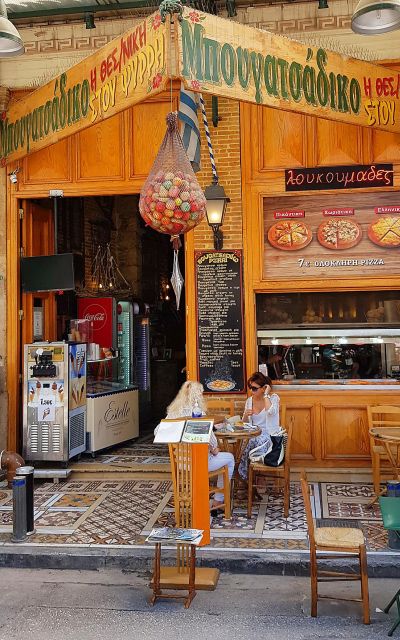
- Taste olive oil and honey while meeting the olive producer and the beekeeper family
- Learn Greek coffee the traditional way, including how it’s made and the story behind it
- Eat a real Greek breakfast mix: pies, cheeses, deli meats, sausage, beans, and more
- Shop like locals do, with stops at family-run, multi-generational businesses
- Keep it small, with a group size limited to 10 people for better food explanations
From Monastiraki to Athinas Street: Why This Starts Off-Beat
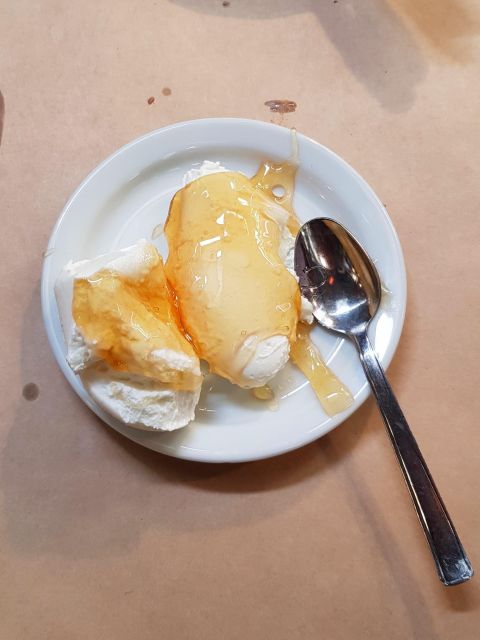
I like food tours that don’t just show you sights—they show you habits. This one begins in the Monastiraki area, then quickly heads toward the tighter, less-touristy market lanes around Athinas Street and nearby food streets. The effect is instant: instead of big set-piece tourist food, you’re standing where meat, fish, spices, olives, fruit, and vegetables change hands every day.
The meeting point is outside a small pie shop called En Athinas, near the Cecil Hotel and close to Cosmote. Plan on arriving a few minutes early with comfortable shoes and a bottle of water. The pace is mostly walking, but you’ll stop often for tastings and explanations, so good footwear matters more than you’d think.
And yes, it’s a breakfast tour—so you’ll leave with your head full of food questions. Stuff like why olive oil shows up everywhere, why honey isn’t treated like a sweet garnish, and how Greek coffee became the default morning drink.
You can also read our reviews of more tours and experiences in Athens.


Evripidou and Athinas: The Market Stops That Feel Like Local Routines
You spend a good stretch in the market area around Evripidou and Athinas, where the sidewalks feel like a living pantry. This is where you understand why Greek breakfast is more than bread and jam. The market scene makes the point for you: Greeks shop frequently, ingredients are fresh, and flavors are layered even in morning meals.
At these stops, you’ll do two things at once. First, you’ll eat—Greek yoghurt shows up early, along with coffee and typical breakfast bites. Second, you’ll get guided context about the foods and the traders themselves. The tour is built around family-owned businesses, often multi-generational, so you’re not only tasting products; you’re hearing how people talk about them.
Two highlights here:
- You get to watch and learn about buying habits in the fruit and produce area, not just sample food and move on.
- You’re introduced to the idea that “Greek breakfast” varies by stall and family—meaning you start to see the culture behind the menu, not just the menu itself.
Greek Coffee, Pies, and the Small Details That Make the Difference
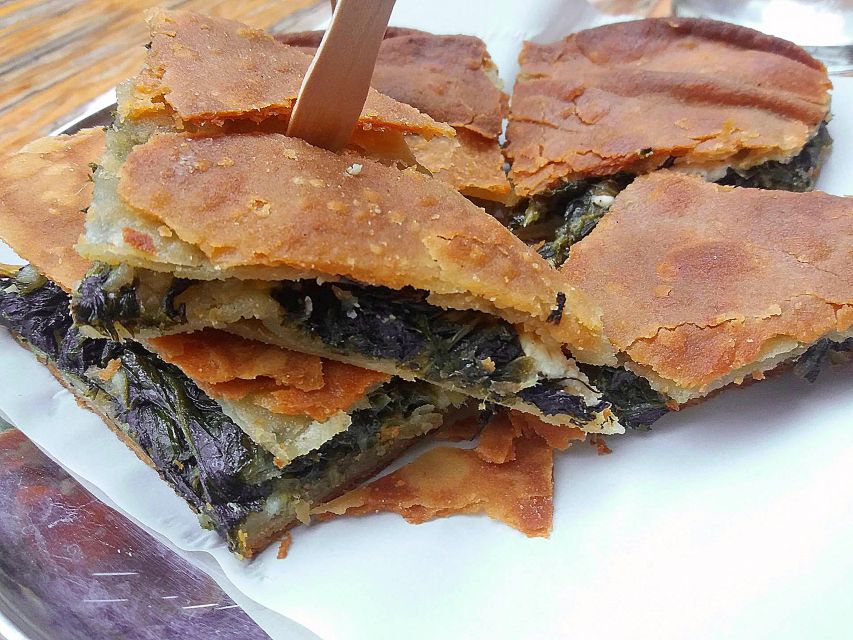
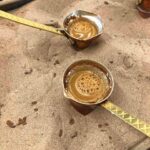
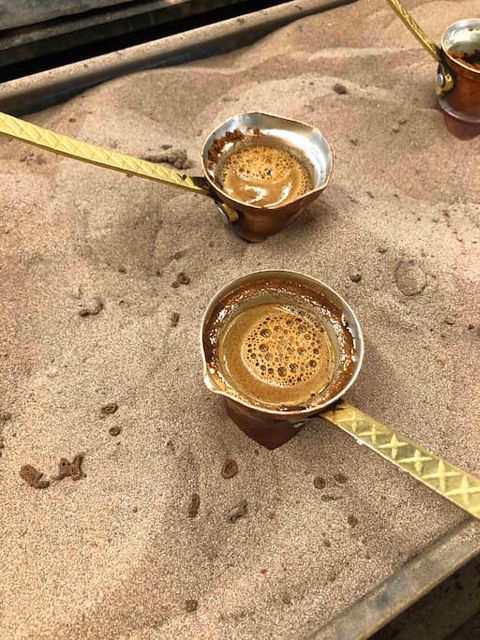
Greek coffee is one of those topics that sounds simple until you hear it explained properly. On this tour, you drink it and also see how it’s made in the traditional way. That matters because Greek coffee isn’t treated like a quick caffeine stop. It’s part of the rhythm—slow enough to talk, strong enough to last, and tied to everyday social life.
Food-wise, you’ll try typical pies that Greeks eat for breakfast. Think of it as a dough-based shortcut to comfort: easy to carry, satisfying, and perfect for eating on the move while you walk through the markets. You’ll also taste breakfast-friendly items like cheeses and deli meats in a side-street spot, plus additional savory pieces along the way.
If you’re the type who usually skips breakfast because it’s inconvenient, this tour is the cure. You get fed early and often. And because you’re eating in-market, you don’t have that awkward “food tour starvation gap” some tours create between stops.
One consideration: this is a food-forward experience, and the tastings add up. You’ll want to come hungry, but not in a way that turns the morning into a food contest with yourself.
Olive Oil and Honey Tastings: The Producer Part You’ll Actually Remember
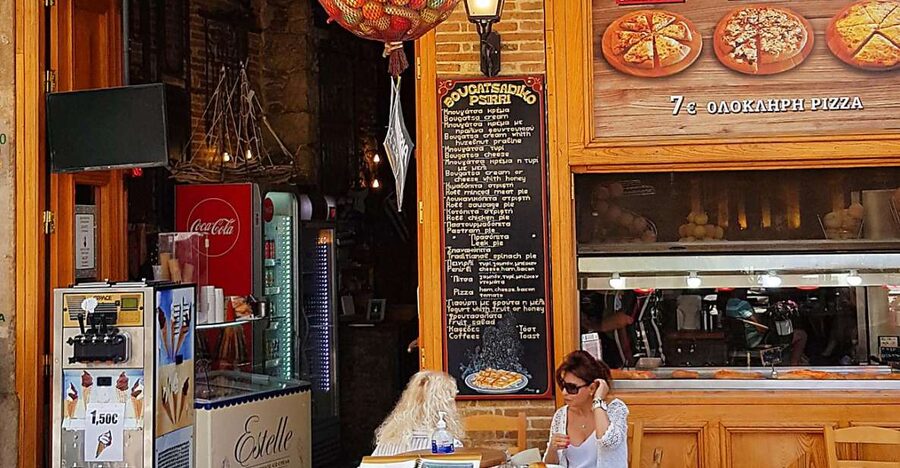
The real magic of this tour is that olive oil and honey aren’t treated like generic toppings. They’re presented as ingredients with people behind them—people who collect, process, and care for what goes into your breakfast.
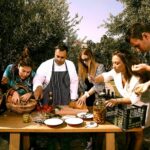
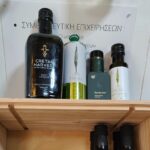
You’ll visit an olive shop run by an olive farmer and do an olive oil tasting. Then you move into honey tasting that includes meeting the beekeeper family. That combination is smart. Olive oil teaches you about agriculture and daily use; honey teaches you about sweetness that’s tied to place and diet.
When you taste olive oil on-site, you start noticing what you might otherwise miss at home: how different oils can feel lighter or more intense, and how the flavor changes how you think about what comes next on your plate. And with honey, the learning angle is more than “it’s sweet.” You’ll understand its importance in the diet and why it belongs in everyday eating, not just desserts.
If you like buying gifts you can actually use (and not just souvenirs that sit in a drawer), this is the segment where you’ll start planning what to bring home. Ask questions while you’re there—about how it’s made and what tastes best with what. The tour also includes tips on where locals buy spices, olives, and other Greek delicacies at local prices, which is helpful if you want to replicate the flavors later.
Omonoia Breakfast and Meze Taverna: Where the Tour Shifts Into a Sit-Down Meal
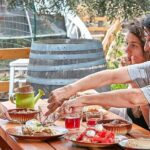
After the market browsing and tastings, you head toward Omonoia for coffee, breakfast, dessert, local snacks, and another food market visit. This change of scene is valuable. Markets can make you feel like you’re constantly moving, constantly tasting, constantly listening. Omonoia gives you breathing room and a chance to reset your palate.
The included meal portion includes a meze-style taverna experience that’s aimed at locals rather than tourist crowds. You’ll also try breakfast where market traders go, which is the kind of clue that tells you the food choices are built for real routines.
One sweet note: dessert is included, and you’ll likely taste things that show honey and yogurt influence again in one form or another. The tour also includes a Greek spirit tasting, which adds a cultural flavor element beyond breakfast staples.
This sit-down segment is also where the tour feels like it earns its time. You can reflect on what you’ve tasted and connect it to what you’re about to take in later—like olive oil’s everyday role or how different stalls and families influence the breakfast spread.




What You’ll Eat (In Plain English)
Here’s the breakdown of what’s included, with the practical takeaway for each item:
- Olive shop visit + olive farmer tasting: helps you connect olive oil flavor to production, not just a supermarket label.
- Deli meats and cheese in a side-street shop: classic Greek breakfast comfort; easy to understand even if your Greek is limited.
- Greek coffee and seeing it made traditionally: a big cultural piece, not just a drink token.
- Typical breakfast pies: handheld, filling, and ideal while walking.
- Greek spirit tasting: a small tasting moment that adds cultural context beyond food.
- Sheep’s milk yoghurt with local honey: one of the tour’s signature combinations, and a key reason the tour isn’t for lactose intolerance.
- A meze taverna that locals use: a real meal feel, not only street snacks.
- Fruit market produce shopping glimpse: you learn how freshness is handled in practice, not theory.
You’ll also hear talk of Greek coffee’s origins and how Greeks use olive oil in daily life. The tour’s approach is cultural education through food, not a lecture.
Price and Value: Is $58 Worth It?
At $58 per person for about 2.5 hours, this sits in the “reasonable Athens food tour” zone. It’s not a budget snack walk, but it’s also not one of those long, fancy experiences that pads time with transit.
Here’s why the price can make sense:
- You’re paying for multiple included tastings across several stops, not paying entry fees for a single attraction.
- You’re getting producer contact points: an olive farmer visit and honey tasting with the beekeeper family.
- You’re in a small group limited to 10, which usually means more time for questions at tastings.
- You’re also picking up shopping guidance for spices, olives, and Greek delicacies at local prices.
If your ideal Athens morning is a quick coffee and a photo, then it’s probably too structured. If you want to learn how Greeks eat and shop for breakfast—and you’re happy to walk—this is the kind of value that sticks.
Who This Tour Is Best For (And Who Might Want Another Option)
This experience is best for you if:
- You want an authentic food-and-culture morning in Athens without spending the day in big tourist lanes.
- You like tasting lots of different things in one loop, especially Greek yoghurt, pies, olive oil, and honey.
- You enjoy asking questions and learning what makes ingredients special to locals.
It’s not for you if:
- You’re vegan (it’s not suitable for vegans).
- You’re lactose intolerant (the tour includes sheep’s milk yoghurt, among other dairy items).
- You need hotel pickup or a fully guided-within-a-bus style day. This one expects you to meet at Monastiraki on your own.
If you’re traveling with someone who’s picky about unfamiliar food, tell them up front. The tour is built around traditional items, and the goal is to experience the Greek morning—not to customize heavily.
Practical Tips to Get More Out of the Morning
Bring comfortable shoes and water. You’ll be on your feet and stopping frequently. Also:
- Come hungry, but don’t start with a huge breakfast at home. You’ll want room for yoghurt, pies, cheese, coffee, and the rest.
- If you have dietary restrictions, inform the operator at booking time. The tour data indicates dietary needs should be shared in advance, and guidance can happen within the tour’s limits.
- Wear clothes you don’t mind smelling like olives and spices by the end. That’s not a problem. It’s the point.
One smart move after the tour: plan a second visit to buy what you liked. Since the tour shows where locals shop for spices, olives, and other delicacies, you’ll know what to look for instead of guessing.
Should You Book This Athens Breakfast in the Markets?
Yes—if you want a real Athens morning that mixes food tastings with cultural context, and you’re excited about olive oil and honey beyond the supermarket version. The small group size helps, and the included stops go beyond “sample and leave.” You meet the people behind the ingredients, and you learn how Greek breakfast works in practice.
I’d skip it if you’re vegan or lactose intolerant, or if you prefer low-structure sightseeing over a food-focused schedule. Also, because there’s no hotel pickup, make sure your meeting point timing works for your day.
If your goal is to leave Athens with both good flavors in your mouth and better questions in your head, this one’s a strong bet.
FAQ
How long is the Athens breakfast in the markets tour?
It lasts 2.5 hours.
How much does it cost?
The price is $58 per person.
Where is the meeting point?
You meet outside En Athinas, a small pie shop next to the Cecil Hotel and near Cosmote.
Is hotel pickup included?
No, hotel pick up and drop off are not included.
What’s the group size?
It’s a small group limited to 10 participants.
Is the tour guided in English?
Yes, there is a live English-speaking guide.
Is this tour suitable for vegans?
No, it is not suitable for vegans.
Is it suitable for lactose intolerance?
No, it is not suitable for lactose intolerance.
What should I bring?
Wear comfortable shoes and bring water.
What dietary information should I provide?
You should inform the operator of any dietary requirements at the time of booking.