REVIEW · CHANIA
In Crete Discover the miracle of Olive Oil and Organic Fruits
Book on Viator →Operated by Proper Cretan Guide · Bookable on Viator
Olive oil has a smell you never forget. This private full-day outing from Chania follows a producer through the modern factory in Vamos and ends with a chance to touch a more than 2,500-year-old living olive tree, with organic olive oil tasting along the way. One catch: there’s no lunch or drinks included at the stops, so plan for food on your own.
I like how the day isn’t just sightseeing. You’ll get hands-on lessons from a Greek Ministry–licensed historian guide while visiting olive oil sites that show ancient, medieval, and contemporary production. Along the way, you also pass through small mainland villages of Chania with genuinely good valley and village views.
Because it’s private, it’s only your group. That means you can ask questions as you go instead of waiting your turn. It runs about 6 to 7 hours, starts at 8:30 am, and includes free hotel pickup and drop-off from central Chania areas.
In This Review
- Key Highlights You’ll Actually Care About
- A Private Olive Oil Day Trip From Chania
- Price and Value: What $179.43 Really Covers
- Vamos: The Modern Olive Oil Factory and Organic Tasting
- Vryses Old Olive Mill: How It Worked in Earlier Centuries
- Kalyves Private Fruit Farm: Picking Organic and Meeting Daily Routine
- Tsivaras and the Possibly Oldest Olive Tree: Touching a Legend
- Apokoronas Monastery Stop: Olive Oil as Faith and Tradition
- Riverside Vryses Break and Malaxa Valley Views
- What You’ll Learn: Ancient, Medieval, and Contemporary in One Day
- Who This Tour Is For (and Who Might Want a Different Style)
- Should You Book This Olive Oil Tour?
- FAQ
- What time does the tour start?
- How long is the experience?
- Is hotel pickup and drop-off included?
- Do I need to pay admission tickets at the stops?
- Does the tour include olive oil tasting?
- Is it a private tour?
Key Highlights You’ll Actually Care About
- Extra virgin olive oil lessons at a modern factory in Vamos with organic tasting
- A traditional old olive oil mill at Vryses where you see older machinery and extraction methods
- Fruit-and-olive picking at a private farm in Kalyves plus a real farmer’s daily routine
- A visit to the possibly oldest olive tree in the world at an undisclosed location in Tsivaras
- An olive-oil-connected monastery stop in Apokoronas with its own olive oil factory
- Valley and viewpoint time around riverside Vryses and Malaxa for photos
A Private Olive Oil Day Trip From Chania
This is a 6 to 7 hour private tour based in the Chania area. You start at 8:30 am, and pickup is offered from all central Chania locations (with drop-off back after the tour). There’s also a mobile ticket, and the itinerary is set up to work well as a “single day” experience rather than a long trip you have to stretch across multiple evenings.
The big practical win: the tour is private, so the guide can tailor the flow to your group’s pace. If you’re the type who likes to ask, you’ll get a lot of answers here—especially since you’re with a guide who’s licensed and also works in olive oil–related storytelling.
One more useful note: lunch and drinks aren’t included. That doesn’t mean you’ll be left hungry—you’ll just want to plan for breaks where you can buy something or eat in a village stop.
You can also read our reviews of more tours and experiences in Chania.

Price and Value: What $179.43 Really Covers
At $179.43 per person, you’re paying for far more than “a drive and a few stops.” The value comes from three areas:
First, you’re getting access to working production spaces—a modern olive oil factory, a traditional old mill, a private fruit and olive tree farm, and a monastery with an olive oil connection. These aren’t just photo pull-offs. You’re learning on-site.
Second, the guide team includes a professional farmer/olive oil producer and a licensed historian tour guide (plus a driver). That combination matters because olive oil is both agriculture and culture. You’re not only learning how olives become oil; you’re learning why it mattered in each era.
Third, admissions for the listed stops are marked free in the itinerary. So while you’ll still need to handle your own lunch/drinks, you’re not paying separate ticket costs to enter the production sites.
Group discounts are also mentioned. Even if you’re just booking for your own party, it’s a sign this company expects the day to be booked often—so the logistics tend to run smoothly.
Vamos: The Modern Olive Oil Factory and Organic Tasting
Vamos is where the day starts to click. You’ll visit a modern olive oil factory and get a full walkthrough of how olives are processed into extra virgin olive oil. This is the “current system” part of the story, so it’s a good anchor for everything you’ll see later.
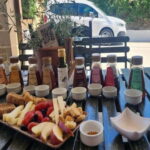
What I like about this stop is that it’s not treated like a museum. The tour covers the production phases through explanation, and you’ll learn about the qualities of olive oil plus various byproducts. You’ll then taste some fresh organic extra virgin olive oil—and tasting this early helps you calibrate your senses before you go to older mills and historic sites.
Time here is about 1 hour, and admission is listed as free. If you’re the type who learns best by seeing steps in order, this is a great start.
Possible drawback: factories can be a bit “hands-on watching,” meaning it can feel more technical than romantic. If you only want scenic villages, you might wish there were more of that right away. But if you care about understanding olive oil, this stop sets you up fast.
Vryses Old Olive Mill: How It Worked in Earlier Centuries
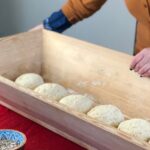
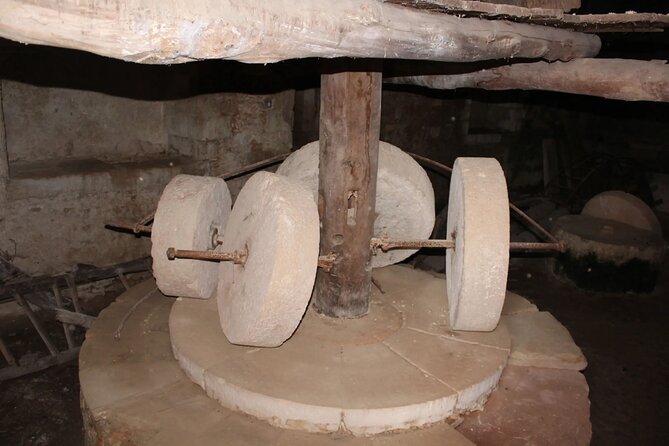
Next up is Vryses, where you shift from modern processing to a more traditional approach. You’ll visit a traditional old olive oil mill and see machinery that reflects how oil was extracted in earlier centuries.
This is the “medieval feel” of the day. The guide explains the tedious procedure and you see the machinery from first hand. Even if you don’t catch every technical term, you’ll get the practical reality: older methods took more effort, more hands, and more time.
This stop is about 30 minutes, and admission is listed as free. That short timing is smart because it keeps the day moving without turning it into an overly long technical session.
What you should do: listen for comparisons. When you reach later stops, ask yourself how the job changes—from the tools and process to the pace of production.
Kalyves Private Fruit Farm: Picking Organic and Meeting Daily Routine
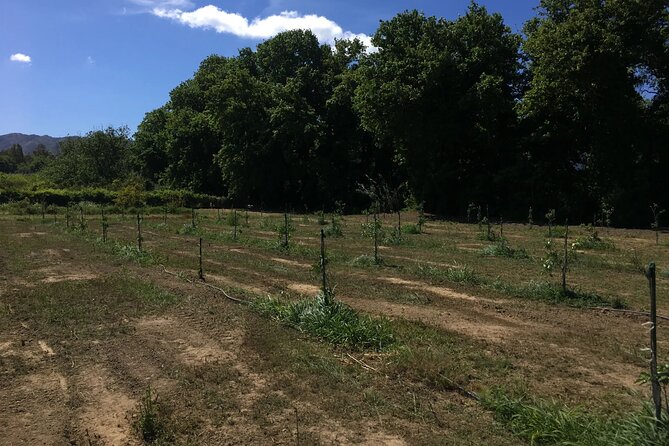
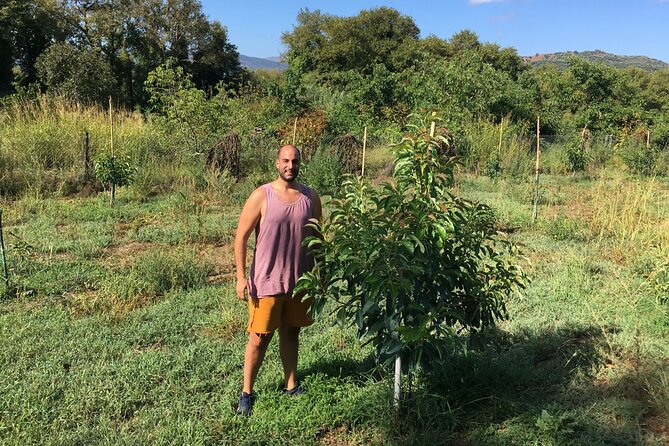
In Kalyves, the tour shifts from mills and factories to living farmland. You’ll visit a private fruit and olive tree farm where you learn about varieties of olive oil—and you’ll get to collect fresh fruits right off the tree.
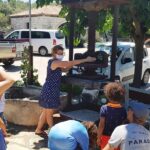
This is one of my favorite styles of stops: not just watching the farm, but being part of the farm moment. You also meet a professional farmer who explains daily routine and the farmer’s way of life. That conversation tends to be where the “why” of olive oil shows up—why people kept farming it, how seasons shape work, and how olive oil fits into life beyond just harvest season.
Time here is about 1 hour, and admissions are listed as free.
A small consideration: you may be doing light outdoor activity. Wear something comfortable, and expect sun and heat depending on the season. If you’re worried about getting messy, you can still participate—just plan to keep your clothing practical.

Tsivaras and the Possibly Oldest Olive Tree: Touching a Legend
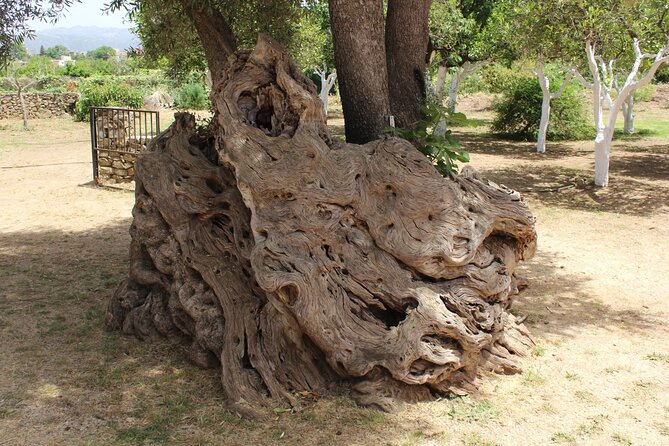
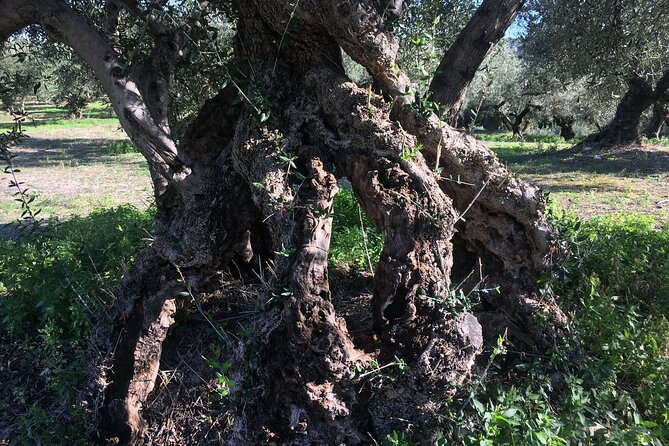
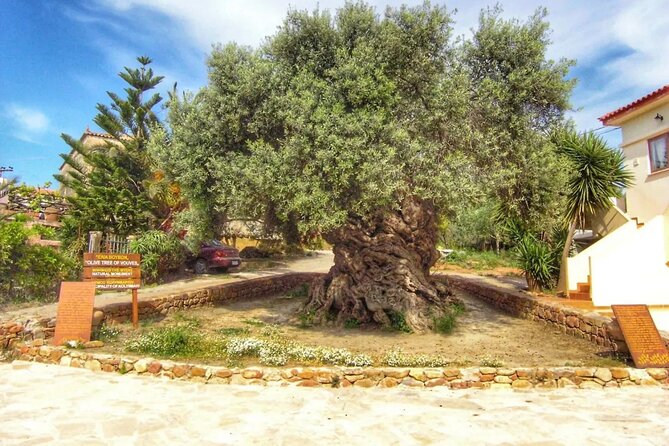
Then comes the part people talk about in planning their Crete day: Tsivaras and the ancient olive tree. The tour includes a visit to possibly the oldest olive tree in the world, located in an undisclosed location in Chania.
You stand in awe of the tree’s dimensions and you get to touch a more than 2,500-year-old living olive tree. That’s not a “look from a distance” stop. It’s a direct encounter, and it changes how you think about time. One hour is allocated for this, and admission is listed as free.
Important honesty note for your expectations: “possibly the oldest” is part of the promise here. The tree’s age and importance are what matter, but you shouldn’t expect a formal museum-style verification presentation. The tour experience is built around the living presence of the tree and the guide’s context.
What I recommend: take a few minutes before you touch anything to look first—shape, trunk, and growth. Then let the guide’s explanation land. You’ll feel the difference between seeing an old tree in a photo and meeting it in real life.
Apokoronas Monastery Stop: Olive Oil as Faith and Tradition
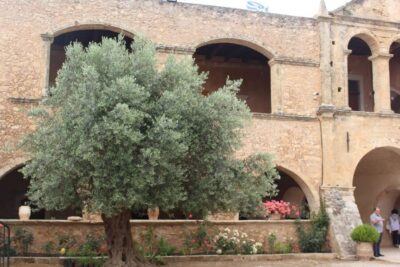
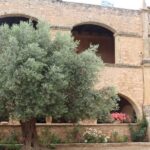
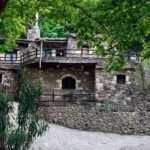
In Apokoronas, you visit a monastery that has a strong connection with olive oil production. You’ll see the monastery’s olive oil factory and learn about the significance of olive oil for locals through the years.
This stop matters because it adds culture to the agriculture lesson. Olive oil isn’t just food here—it’s part of daily life, tradition, and how communities organized work. Monasteries historically shaped local economies in many places, and this is one of those concrete examples: you can actually see the production element.
Time is about 1 hour, and the admission is listed as free.
Possible drawback: if you want only active “factory vs. tree” experiences, this may feel more reflective. But that contrast is useful. It keeps the day from becoming only technical and gives you a different kind of understanding.
Riverside Vryses Break and Malaxa Valley Views
After the big production and ancient-tree moments, the itinerary gives you breathing space and viewpoints.
There’s a 50-minute break in a riverside village in Vryses, described as romantic. This is a good time to grab a drink/snack you didn’t pre-plan, use the restroom, and reset before the last stretch.
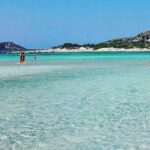
Then you head to Malaxa for a 45-minute sightseeing stop with breathtaking photo opportunities over valleys and regions of the Chania prefecture. This is your “I’m on Crete” reward moment—big views that help you connect the olives and villages you’ve been hearing about.
Why I like these final stops: they balance the day. You get hands-on olive oil learning, then you get space to look at the land that makes it possible.
Tip: if you’re taking photos, plan to pause and watch the light. Views change fast near sunset-time—if your day runs later, the light can become very flattering.
What You’ll Learn: Ancient, Medieval, and Contemporary in One Day
A lot of tours say they cover “history.” This one actually tries to show it in your day.
You’ll see three production eras in sequence:
- Ancient methods, represented through older extraction and the traditional mill experience
- Medieval context, explained through machinery and procedures that reflect earlier centuries
- Contemporary production at the modern factory
You also learn about olive oil qualities and olive oil–related byproducts at the factory level. Then you get grounded in agriculture by visiting the farm, collecting fruit, and hearing how a farmer’s routine works.
The result is that you stop seeing olive oil as a generic grocery item. You start seeing it as a system—how tools, labor, land, and local culture all affect what ends up in the bottle.
And that tasting in Vamos? It’s not a random snack. It’s like having a “reference point” for everything you see after. Once you taste fresh organic extra virgin, you’ll be more attentive to how the production choices matter.
Who This Tour Is For (and Who Might Want a Different Style)
This fits best if you:
- love olive oil and want real production context, not only tastings
- want a day that combines working farms, mills, and culture
- enjoy guides who can connect the dots across eras, with an actual historian angle
- like “one day with a plan,” starting at 8:30 am and finishing with good viewpoint time
You might consider a different tour if:
- you want mostly beaches and scenery with minimal production time
- you get impatient with explanations at factories and mills
- you don’t like outdoor walking or farm-air conditions (it’s not described as extreme, but you are outdoors)
This is also a strong choice if you’re traveling with family members who find “how it works” interesting. Just know it’s a structured day with multiple stops and no included lunch.
Should You Book This Olive Oil Tour?
If you’re the type who always buys olive oil when you travel—and actually wants to understand what you’re buying—this is an easy yes. The day is built around genuine access: factories, mills, a working farm, a monastery connection, and a living ancient tree.
The main reason to think twice is simple: no lunch or drinks included. If you plan for food on the road, that’s not a dealbreaker. But if you hate figuring it out mid-day, bring a snack or plan where you’ll buy something during the riverside and village breaks.
Overall, I’d book it when you want a Crete day that’s equal parts hands-on production learning and memorable outdoor moments—not just driving past places.
FAQ
What time does the tour start?
It starts at 8:30 am.
How long is the experience?
The tour lasts about 6 to 7 hours.
Is hotel pickup and drop-off included?
Yes. Free hotel pickup and drop-off is offered from all Chania central areas.
Do I need to pay admission tickets at the stops?
Admission tickets are listed as free for the tour stops in the itinerary. Lunch and drinks are not included.
Does the tour include olive oil tasting?
Yes. You taste fresh organic extra virgin olive oil during the factory visit in Vamos.
Is it a private tour?
Yes. It’s a private tour/activity, so only your group participates. Free cancellation is available up to 24 hours in advance for a full refund.