REVIEW · CHANIA
Chania Sourdough Bread Class – Olive Oil Tasting
Book on GetYourGuide →Operated by Chania Cooking Class · Bookable on GetYourGuide
Chania has a way of turning food into a story. This sourdough class mixes hands-on baking, olive oil know-how, and a proper Cretan meal in about 4.5 hours. I love that you shape and bake your own loaf in a wood-fire oven. I also love the olive grove portion, where you learn the olive oil harvesting process and the secrets of mixing olive oil with herbs. One thing to plan for: transportation isn’t included, and the class is about 10–15 minutes from central Chania in Nerokourou, so you’ll want to budget for getting there.
The best part is how the day flows. You start with a welcome drink and cookies, get guided through the sourdough steps, then pause to visit the olive grove and farm. When your bread is ready, the whole place smells like warm dough and olive oil. Hosts like Nikos and Alex keep it relaxed, with conversation and lots of small “watch this, then you do it” moments.
If you’re going in the off-season, you may get a smaller group and more time with the hosts. In any season, expect English and Greek support, plus a hearty lunch with Cretan salad, fava, seasonal appetizers, and plenty of local wine. There’s also dessert at the end, because of course there is.
In This Review
- Key things I’d circle in your plan
- A wood-fire sourdough lesson in Chania
- From welcome coffee to mixing your sourdough dough
- The olive grove break that explains the olive oil
- Shaping and baking your loaf in a wood-fire oven
- Harvesting veggies and making the Cretan meal to match your bread
- Olive oil tasting, local wine, and the dessert you’ll want room for
- Price and value: what $106 actually buys you
- Getting there in Nerokourou (and why it matters)
- Who should book this sourdough and olive oil class
- Quick tips before you go
- Should you book it
- FAQ
- How long is the Chania sourdough bread class?
- What is included in the price?
- Is transportation from central Chania included?
- What do you bake during the class?
- Do you visit places beyond the cooking area?
- What language is the class taught in?
- Is there a cancellation policy?
Key things I’d circle in your plan
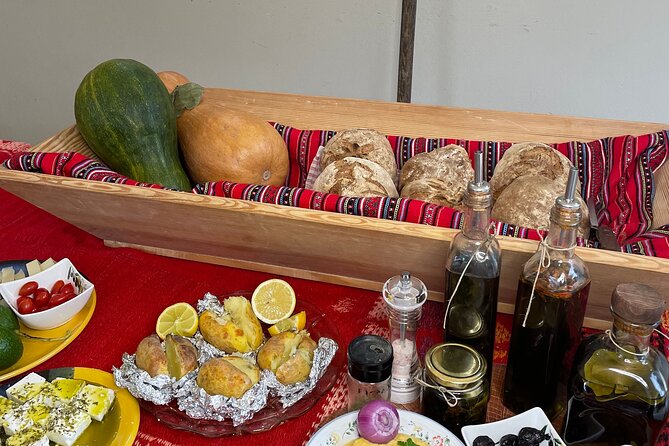
- Wood-fire oven baking where you actively shape and bake your own sourdough loaf
- Olive grove learning plus the harvesting process and olive oil mixing with herbs
- Add-ins built into your bread like olives, sun-dried tomato, and seeds
- Farm-to-table style meal with Cretan salad, fava beans, and seasonal sides
- Hosted, family-style pacing with instructors Nikos and Alex, and extra help from Veerna near the end
A wood-fire sourdough lesson in Chania
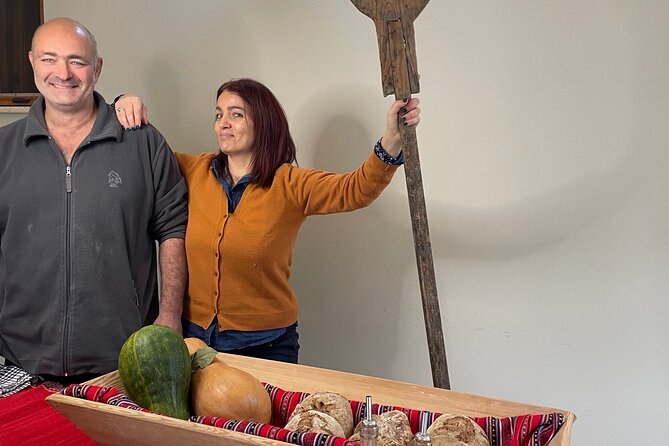
This isn’t a quick demo where you mostly watch. You’re making a sourdough loaf from scratch, with real hands-on time, real resting time, and then the payoff: baking in a wood-fire oven. That oven matters because it changes everything about the crust and smell. Even if you’re not a bread person, you’ll understand why locals take this stuff seriously.
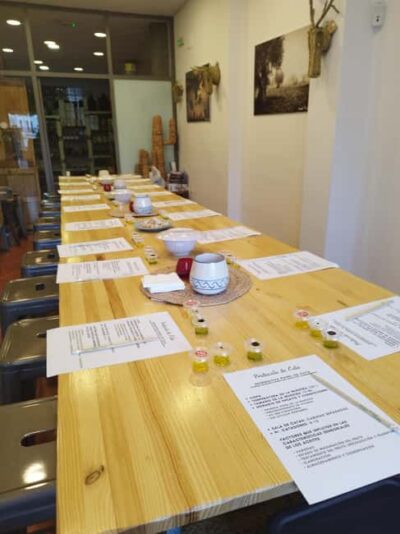
The other half of the experience is olive oil. You taste extra-virgin olive oil and learn how to blend it with herbs. That’s the kind of knowledge that sticks. After this, when you see olive oil in a taverna, you’ll be thinking about what’s been mixed in and why.
And yes, you also eat well. This class builds a full meal around your bread: Cretan salad, fava beans, side dishes, local wine, and dessert.
You can also read our reviews of more tours and experiences in Chania.

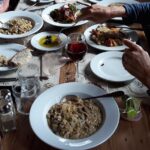
From welcome coffee to mixing your sourdough dough
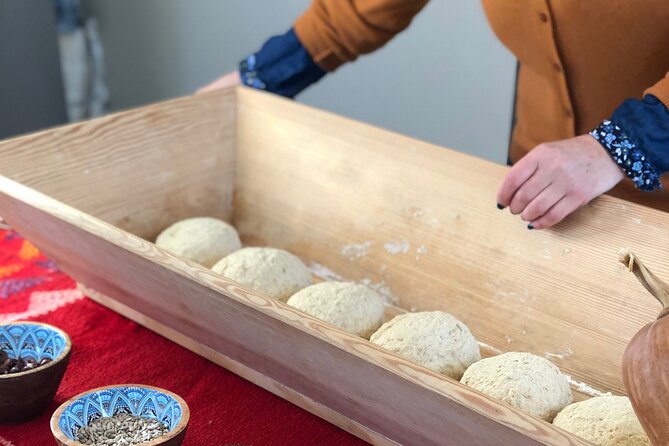
You start at the cooking class location in Nerokourou, just outside central Chania. When you arrive, you’re welcomed with a homemade refreshment or a Greek coffee from the hostess. There are also cookies to start you off gently. It’s a nice warm-up while the group settles and the hosts start setting the tone.
Then comes the sourdough routine. You get told the bread-making procedure before the work begins, so you’re not blindly following steps. Once it’s time, you mix the ingredients to prepare your dough. Watching someone do it matters here because sourdough is partly technique and partly feel—how the dough looks and how it handles.
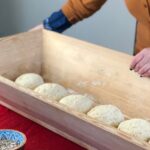
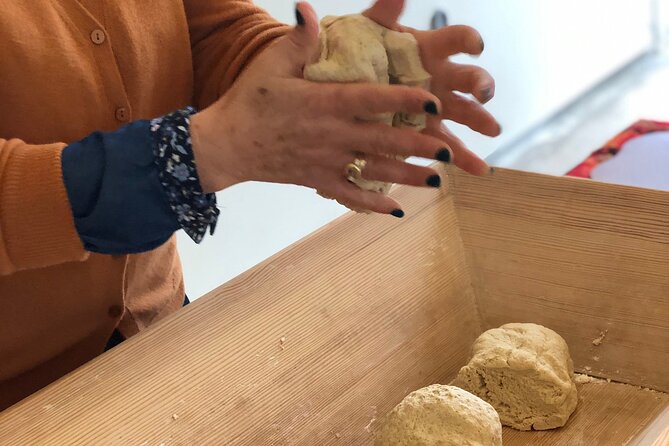
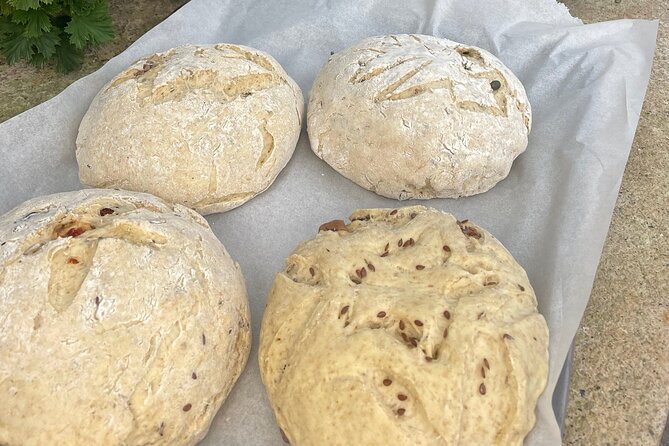
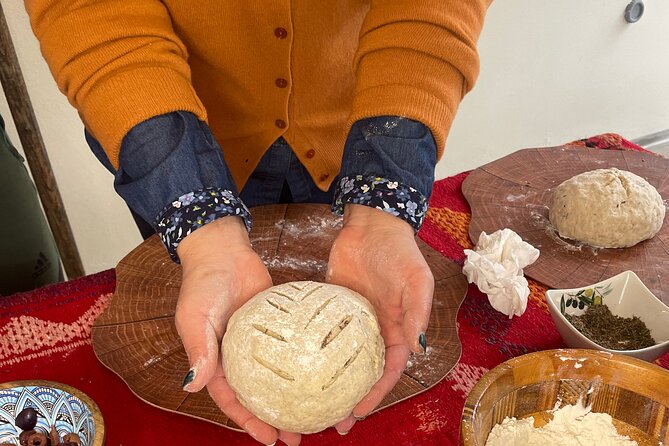
After that, you move into the part where everyone’s bread becomes their own. Each person prepares their own loaf, and you can add whatever you like inside—examples mentioned include olives, sun-dried tomato, and seeds. This is where the class turns from cooking into choice. You’re basically building your own Cretan-style loaf.
One practical tip: decide your add-ins early. If you wait until the last second, you’ll lose time and probably overthink it. The hosts keep the process organized, but sourdough doesn’t forgive rushed decisions.
The olive grove break that explains the olive oil
Sourdough takes time, so the class uses that waiting period smartly. While your dough rests, you head to an olive grove. This is where you stop thinking only about bread and start thinking about the flavors that pair with it.
You’ll learn about the olive oil harvesting process and how olive oil becomes the star ingredient it is on Crete. You also get to practice the idea of mixing olive oil with herbs. That blend is a big deal in Cretan cooking, and it shows up later with your meal and olive oil tasting.
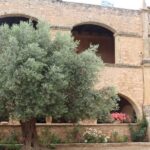
One review-style detail that fits what the experience is aiming for: you may spend time under very old olive trees, and you could even meet resident puppies during the visit. Those little moments are part of why this doesn’t feel like a classroom. It feels like you’re getting let into someone’s home routines.
Remember, the timing is purposeful. When you go back after the grove portion, you’re ready for the baking stage with a better sense of what you’re building toward.
Shaping and baking your loaf in a wood-fire oven
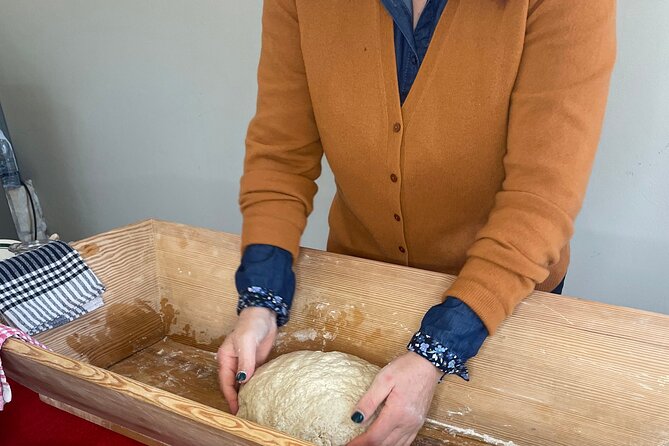
Here’s where the experience really clicks. Your loaf goes into the wood-fire oven, and the smell takes over the whole place. It’s the kind of smell that makes you instantly understand why bread can feel like a centerpiece, not a side dish.
The hosts guide you through the bake, but you stay involved. You’re not just waiting for the oven to do its job. You shaped the loaf earlier, chose your add-ins, and now you get to watch it transform. That’s a huge part of why the class feels memorable—even people who don’t normally bake often leave feeling proud.
Also, sourdough has a different pace than bread made with instant yeast. That longer timeline is the whole point. You get a break, learn olive oil, harvest-flavored meal components, and then return to the oven when everything lines up.
By the time the loaves are ready, you’re hungry. And not the polite kind of hungry. The good kind.
Harvesting veggies and making the Cretan meal to match your bread
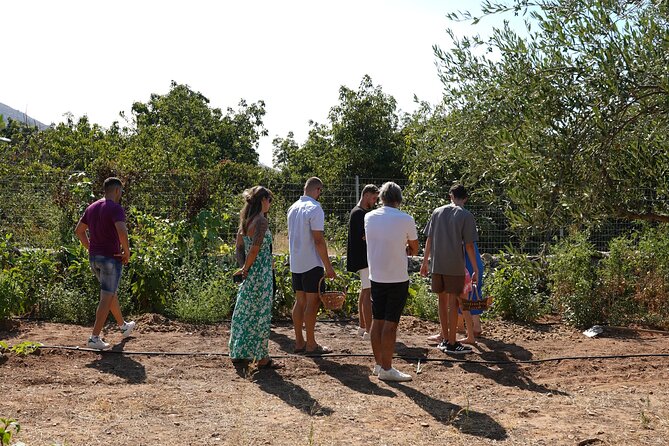
After baking, you pivot to the meal. You visit the farm to harvest veggies and prepare a traditional Cretan salad. It’s the kind of detail that makes the lunch feel connected to what you just baked. You’re not eating “bread + salad” from separate worlds. You’re eating a coordinated Cretan-style plate.
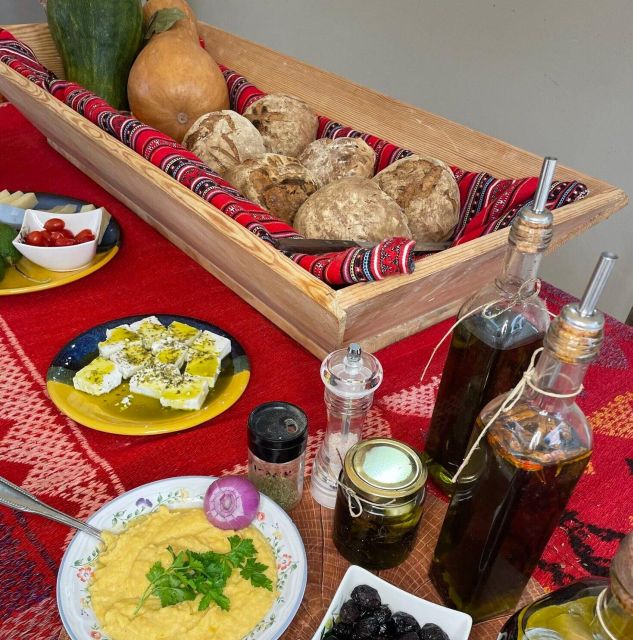
The menu includes plenty of side dishes. Examples provided include Cretan salad, Greek fava beans, and other seasonal appetizers. This matters because it prevents the class from turning into a one-note bread session. The meal supports the bread—and the olive oil helps tie it all together.
If you’ve never tasted fava beans before, this is a solid first stop. It’s familiar enough to feel approachable, but different enough to be interesting. I like that the class doesn’t treat sides like filler. You’re given enough variety to actually enjoy lunch, not just snack between steps.
Timing works here too. The kitchen rhythms match the baking rhythms. By the time you sit down, you’re ready for it, and the food feels fresh rather than pre-made and rushed.


Olive oil tasting, local wine, and the dessert you’ll want room for
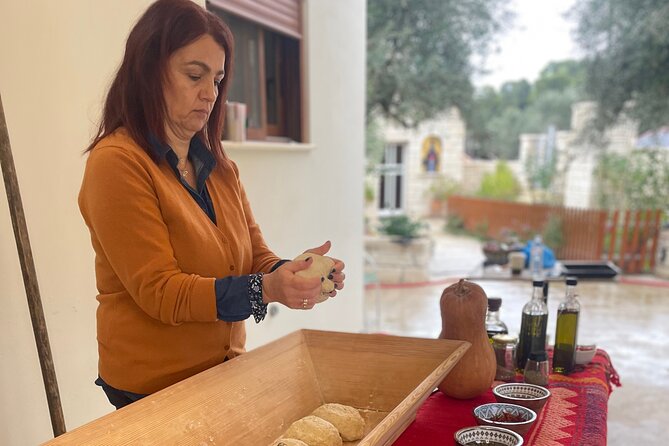
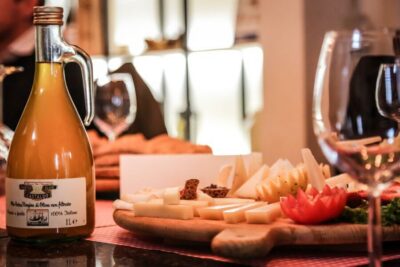
Once your loaf is pulled from the oven, you get to enjoy your own bread and pair it with herb-flavored extra-virgin olive oil. This is one of those “small but important” pairings. Olive oil isn’t just for drizzling here. It’s part of the flavor structure.
Then the meal rolls in with Cretan salad, fava, seasonal appetizers, and copious amounts of local wine. The wine isn’t an afterthought; it’s built into the pacing of the meal, so expect a relaxed, celebratory atmosphere rather than a hurried tasting.
And yes, dessert is included at the end. Make space for it. If you fill up on wine and bread right away, dessert will feel like a demand instead of a treat.
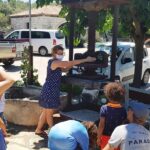
In reviews, the class is described as warm and family-run, with Nikos and Alex taking care of the teaching and flow. Veerna may also join near the end to help everyone put the finishing touches on what they’ve made. That kind of extra hands-on energy makes the final meal feel more communal.
Price and value: what $106 actually buys you
At about $106 per person for a 4.5-hour experience, this is not a cheap snack-and-stroll class. But it’s also not just a cooking demo.
Here’s what you’re getting:
- Ingredients for the bread process
- Lunch, including Cretan salad and side dishes
- Generous amounts of local wine
- The sourdough baking experience in a wood-fire oven
- Olive grove learning and olive oil tasting
When you compare that to paying for individual meals, a guided food experience, and any separate wine tasting, the value improves fast. You’re essentially paying for a full morning/afternoon of teaching plus a complete meal and drinks—plus the practical skill of making sourdough.
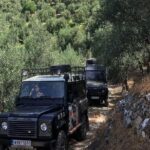
Where cost can sneak in: transportation. The class location is 10–15 minutes from central Chania. Transportation isn’t included. Pickup is offered for an extra fee depending on where you are, and the transfer may be shared in a 9-seat van or an EV. So if you’re staying outside the center, check this early in your booking so you don’t get surprised by the add-on.
Bottom line: if you want a hands-on food day with a real meal attached, it’s priced like that. If you’re only looking for a quick taste, you’ll likely feel it’s more than you need.
Getting there in Nerokourou (and why it matters)
The class happens in a neighborhood called Nerokourou, about 10–15 minutes from the center of Chania. That distance isn’t far, but it can matter if you’re planning your whole day around foot travel.
Parking is available along the fence, which is useful if you’re driving. If you’re taking a taxi, it should be straightforward. If you want pickup, transfer service is available with an extra fee depending on location.
One more logistics detail: transfers are semi-private. That means you might ride with other guests going to the same class. It’s not a big deal, but it affects how tightly you can schedule your other plans.
Who should book this sourdough and olive oil class
This class is a great match if you:
- Love food that’s connected to place, not just copied recipes
- Want hands-on baking time with a wood-fire oven
- Care about olive oil beyond the bottle label
- Enjoy eating well as part of the activity (not just tasting small bites)
It also suits couples and solo travelers. The experience is described as small and friendly, and even in busier times you’ll likely get a relaxed rhythm because the class includes active steps for everyone.
If you’re not into learning cooking technique and you only want a sightseeing stop, you might find it too hands-on. But if you like doing rather than watching, it’s a strong choice.
Quick tips before you go
- Eat a light breakfast or plan to snack later. Lunch is part of the class, and wine is served with it.
- Bring a little patience for sourdough timing. Rest time is part of the day, not downtime.
- If you care about getting to Nerokourou without stress, arrange your transfer option early.
- Wear comfortable shoes. You’ll move between places (oven baking, olive grove, and farm areas).
- If you’re sensitive to strong smells (olive grove, baking), know that wood-fire baking has a real aroma presence.
Should you book it
I’d book this if you want one of those days in Crete where you leave with both food knowledge and a full stomach. The standout is the pairing: sourdough baking in a wood-fire oven plus olive grove learning and an olive oil tasting you can actually use at a table.
It’s also a good value choice because the experience bundles bread, lunch, side dishes, and generous local wine into one structured visit. You’re paying for a full, guided food day, not just a single activity.
Skip it if your goal is purely passive entertainment or if getting to Nerokourou is a hassle you don’t want to manage. In that case, you might prefer a center-based food tour.
If you’re on the fence, consider this: your bread day doesn’t end when the class finishes. The techniques and pairings stay with you the next time you cook or order olive oil in Greece.
FAQ
How long is the Chania sourdough bread class?
The experience lasts about 4.5 hours.
What is included in the price?
Everything you need for the experience, ingredients, lunch, and generous amounts of local wine are included.
Is transportation from central Chania included?
No. Transportation is not included. The class is located 10–15 minutes from the center of Chania in Nerokourou. A transfer service is available with an extra fee depending on your location.
What do you bake during the class?
You prepare and bake your own unique sourdough bread loaf in a wood-fire oven, with options to add things like olives, sun-dried tomato, or seeds.
Do you visit places beyond the cooking area?
Yes. You’ll visit an olive grove during the dough resting time to learn about olive harvesting and olive oil with herbs, and you’ll also visit a farm to harvest veggies and help prepare the Cretan salad.
What language is the class taught in?
The instructor speaks English and Greek.
Is there a cancellation policy?
You can cancel up to 24 hours in advance for a full refund.