REVIEW · PULA
Pula: House of Istrian Olive Oil Museum and Guided Tasting
Book on GetYourGuide →Operated by Idea Istra d.o.o. · Bookable on GetYourGuide
Old-school olive oil lessons, served with tastings. This visit in Pula mixes Roman-era olive oil history, short films on traditional and modern production, and then a guided tasting designed to help you separate premium extra virgin from supermarket choices. It’s practical, not preachy.
What I like most is the step-by-step approach: you get to look closely at taste, aroma, texture, and appearance in a tasting setting, then compare better oils to ones you might see in regular stores. I also appreciate the “learn, then buy” flow, because the shop afterwards makes it easy to take your new standards home.
One thing to consider: it’s focused on olive oil, so if you’re not into tasting oils (or the sweet dessert pairing isn’t your thing), this may feel more like a workshop than a casual wander.
In This Review
- Quick hits before you go
- House of Istrian Olive Oil in Pula’s Center: what you’ll experience first
- Romans, export routes, and two films that connect old and new
- The tasting room: how you learn to judge extra virgin olive oil
- Taste, aroma, texture, appearance: why these details matter
- The dessert pairing: a fun lesson in balance
- The shop in Pula: what to look for after your tasting
- Pricing value: is $35 per person worth it?
- Who should book this olive oil experience in Pula
- Practical details that help you plan your visit
- Should you book this House of Istrian Olive Oil tasting?
- FAQ
- Where is the House of Istrian Olive Oil?
- How much does it cost?
- What’s included in the guided experience?
- What languages are offered?
- What happens during the visit besides tasting?
- Can I change my plans?
Quick hits before you go
- Roman-to-today storytelling with two short films and exhibits on how olive oil traveled and changed over time
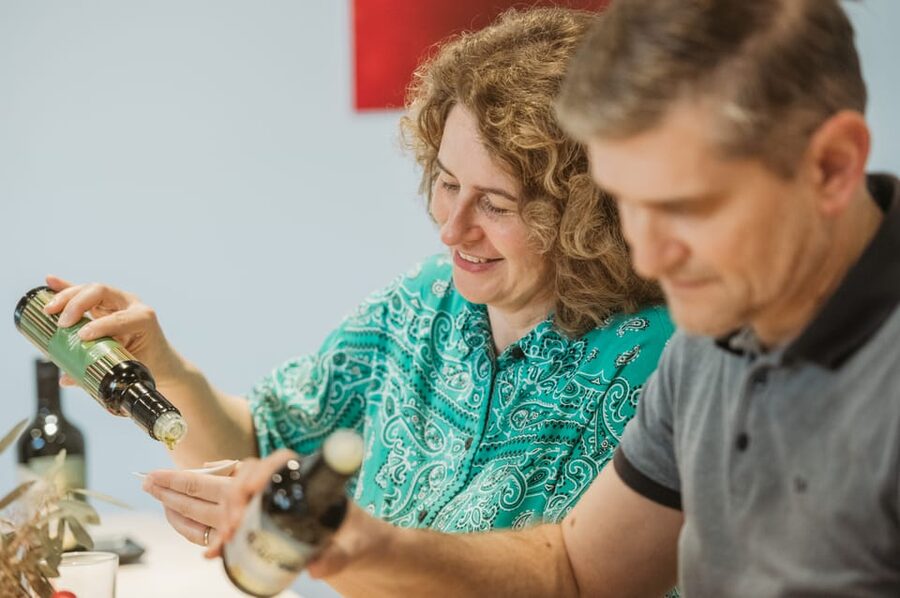
- Guided tasting of 5 extra virgin olive oils, with guidance on what good quality looks and tastes like
- Quality checks you can use later, including learning how to recognize premium extra virgin versus typical supermarket oils
- Sweet dessert paired with an olive oil, a hands-on lesson in how flavors work together
- On-site shop with Istrian extra virgin oils plus brandies, truffles, lavender-based cosmetics, and souvenirs
- English and German options for the experience, plus an audio guide available in 12 languages
House of Istrian Olive Oil in Pula’s Center: what you’ll experience first
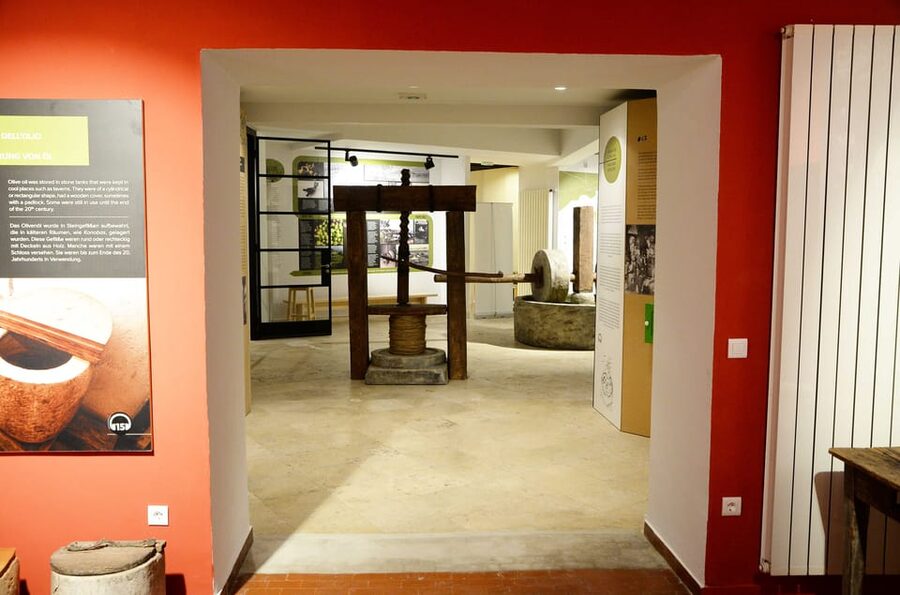
I like walking into places where the theme is specific, because you don’t waste time. In the center of Pula, the House of Istrian Olive Oil gets you started right away, with displays focused on how olive oil became central to life in Istria and how it was made and exported. If you’re the type who likes understanding what you’re tasting, this is a big plus.
The entrance sets the tone: this isn’t only about selling bottles. It’s about helping you learn the basics before you sample anything, so you can taste with context instead of just chasing flavors.
You can also read our reviews of more tours and experiences in Pula.


Romans, export routes, and two films that connect old and new
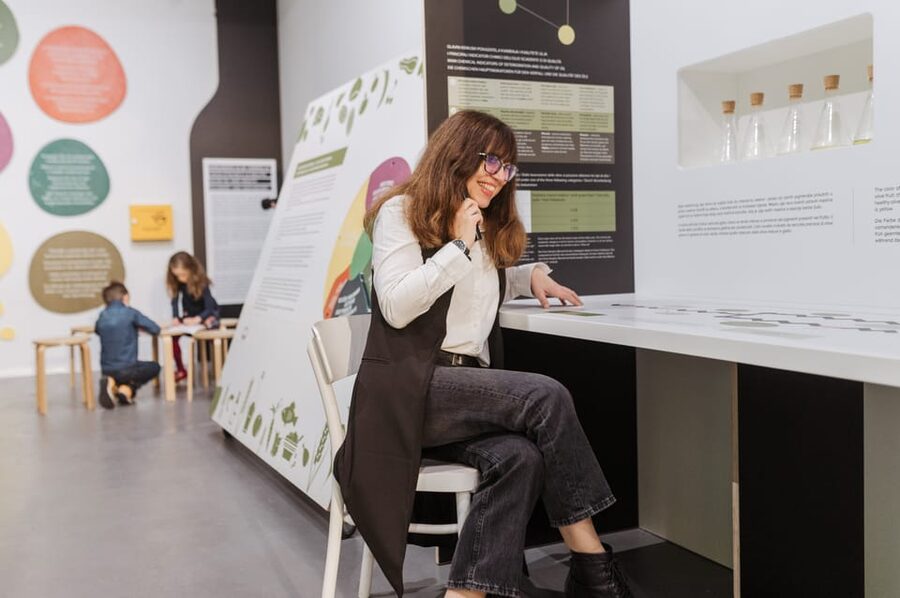
The exhibits walk you through the history of olive oil in Istria, including how Romans made it and where and how it was exported. That matters because it turns olive oil from a generic cooking ingredient into a product with a real story—something shaped by geography, labor, and trade.
You’ll also watch two short films. One shows the traditional olive oil making process, and the other explains how olive oil is made today. I found that pairing helpful because it gives you a before-and-after view without needing to be a food historian. You come away understanding why methods matter for what ends up in your glass.
The tasting room: how you learn to judge extra virgin olive oil
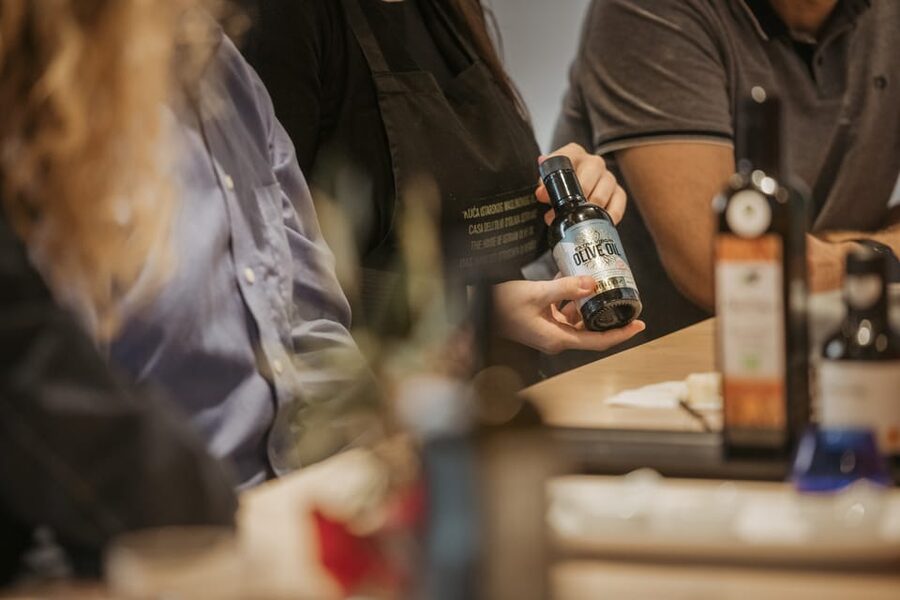
This is the main event. After the exhibits and films, you move into the tasting room and get structured practice with 5 extra virgin olive oils. Instead of random sips, you’re invited to examine the oils through multiple angles: taste, aroma, texture, and appearance.
What’s especially useful is the comparison element. You learn how premium extra virgin oils differ from the kind you might find at a supermarket. That’s the moment where the experience becomes more than entertainment. It turns into something you can use later when shopping for bottles back home.
You’re also taught to recognize positive and negative attributes of olive oil. The goal isn’t to memorize jargon; it’s to give you a framework for deciding whether an oil seems well made and well suited for the role you want it to play—whether that’s finishing food, dipping bread, or using it where flavor really matters.
Taste, aroma, texture, appearance: why these details matter
A lot of food tastings focus on flavor alone. Here, you’re nudged to slow down and notice more. If you take tasting seriously, it’s a good reminder that olive oil quality isn’t just about one dimension.
By looking at appearance alongside how it smells and tastes, you start to understand how your senses work together. The tasting also helps you notice texture—how an oil feels and coats—so you can better predict how it will perform in real meals.
And since the tasting compares oils, you’re not guessing in the dark. You’re learning to spot differences with guidance, which makes the whole thing feel less intimidating.
The dessert pairing: a fun lesson in balance
One of the smarter details is the sweet dessert paired with a selected olive oil. This isn’t just a cute extra course. It demonstrates that olive oil can show up in flavor combinations you might not expect.
The takeaway for you is practical: once you understand how an olive oil tastes and smells, you start thinking about use beyond salad drizzles. Dessert pairing also makes the experience more memorable, because your brain tags the aroma and flavor associations more strongly when they come with something familiar to compare.
The shop in Pula: what to look for after your tasting
After learning and tasting, you’re invited into the shop with a wide selection of Istrian extra virgin olive oils. You’ll also find related treats and gifts, including brandies, truffles, lavender-based cosmetics, and souvenirs.
Here’s my practical advice: go in with at least one bottle decision already in mind. Use what you learned in the tasting room to pick oils based on what you liked and what you want to use them for. If you’re shopping as a souvenir buyer, think of the shop as a chance to buy with confidence instead of picking purely by label.
Also, since you’ve practiced comparing premium extra virgin to supermarket-style oils, you’ll likely notice that prices and product claims start making more sense.
Pricing value: is $35 per person worth it?
At $35 per person, you’re paying for more than entry to a museum. You’re getting a guided tasting of 5 extra virgin olive oils plus a sweet dessert pairing. That’s a big reason the price feels reasonable: you’re not only learning; you’re sampling enough variety to actually tell the differences.
You also get support in two ways. There’s a guided tasting component, so you’re not just left alone with tiny cups. And there’s an audio guide available in 12 languages, which can help you connect exhibits to the tasting experience at your own pace.
If you love food learning, this price tends to fit the sweet spot between casual and specialized. If you only want a quick walk-through with no interest in tasting, you might feel the cost more than you should.
Who should book this olive oil experience in Pula
This is a great match if you like culinary learning that turns into shopping skills. If you’ve ever bought an olive oil that tasted flat, then wondered what went wrong, you’ll likely appreciate the focus on recognizing quality.
You’ll also enjoy it if you like cultural context. Roman production and export details are woven into the visit, and the films make the traditional-to-modern story feel clear.
On the flip side, if you dislike tasting foods, have no interest in olive oil, or want a purely sightseeing-focused stop, you might prefer a different Pula experience. This one is structured around learning and sampling.
Practical details that help you plan your visit
The experience is available in English and German, and you’ll find an audio guide option in 12 languages. That’s handy if you want more explanation at your speed while you look at the exhibits.
The visit starts in the center of Pula, so it fits naturally into a day where you’re already walking around town. For rainy weather, it’s an easy indoor choice that still feels like you gained something useful, not just something dry to do.
Should you book this House of Istrian Olive Oil tasting?
I’d book it if you want a guided tasting that actually teaches you how to judge what you’re buying. The best part is the structure: history and film first, then a guided tasting of 5 extra virgin olive oils, then a dessert pairing that makes the learning stick. With a shop full of Istrian oils and gifts, you can turn knowledge into a real purchase without second-guessing.
If olive oil tasting sounds like a chore, then skip it. But if you’re curious about how to spot quality and you like learning by tasting, this is the kind of experience that pays off long after you leave Pula.
FAQ
Where is the House of Istrian Olive Oil?
It’s in the center of Pula, in Istria County, Croatia.
How much does it cost?
The price is $35 per person.
What’s included in the guided experience?
You get a guided tasting of 5 extra virgin olive oils and a sweet dessert paired with a selected olive oil. An audio guide is also available in 12 languages.
What languages are offered?
The experience is offered in English and German. There is also an audio guide available in 12 languages.
What happens during the visit besides tasting?
You’ll enter the house, learn about the history of olive oil in Istria (including Romans and export), and watch two short films showing traditional olive oil production and how it’s made today.
Can I change my plans?
You can reserve and pay later. You can cancel up to 24 hours in advance for a full refund.