REVIEW · DOLIANOVA
Olive Oil Museum: Extravirgin school – Food & wine tasting
Book on GetYourGuide →Operated by Francesco Locci · Bookable on GetYourGuide
Your senses get trained in an hour. At the Olive Oil Museum in Sardinia, you tour the modern mill at Sa mola de su notariu and learn to judge extra virgin oil quality with Francesco Locci.
I love the hands-on quality lesson that actually teaches you what good oil tastes and smells like, not just how it’s made. I also like the real meal pairing: cured meats, carasau bread, natural olives, and sparkling wine alongside oils like Limolio.
One possible drawback: the whole experience moves quickly since it’s about a 1-hour total class format.
In This Review
- Quick Reasons to Go
- A Lesson in Extra Virgin Olive Oil You’ll Use at the Store
- Sa mola de su notariu: Oil Mill + Museum with a Real Sense of Place
- Learning to Taste Quality Extra Virgin Olive Oil (Not Just “Good” Oil)
- The Tasting Table: Limolio, Rogo del Tempio, and Sardinian Pairings
- A Quick Walk Through the Flow of Your Hour
- Why the Parking and Bus Options Matter in Sardinia
- Price and Value: Is $60.35 Worth It?
- What to Buy (and How to Decide Without Guessing)
- Who This Tour Fits Best (and Who Might Not)
- Practical Tips Before You Go
- Should You Book Olive Oil Museum: Extravirgin School?
- FAQ
- How long is the Olive Oil Museum experience?
- What languages are available for the live tour guide?
- What’s included in the tasting?
- Is the museum admission included?
- Do you get discounts on oils?
- Is there parking?
- Can I get there by public bus?
- Are transfers included?
- Is the experience wheelchair accessible and dog-friendly?
- What is the cancellation policy?
Quick Reasons to Go
- Modern mill walkthrough plus old-school museum stops: you see production now and history up close.
- A guided lesson on spotting premium extra virgin: you’ll practice the key senses you need.
- Flavored oils you can taste and compare: including Limolio and Rogo del Tempio.
- Sardinian food pairing with sparkling wine: snack-to-sip matching is part of the lesson.
- Museum admission and guest discounts: buying oil is built into the experience, not an afterthought.
A Lesson in Extra Virgin Olive Oil You’ll Use at the Store
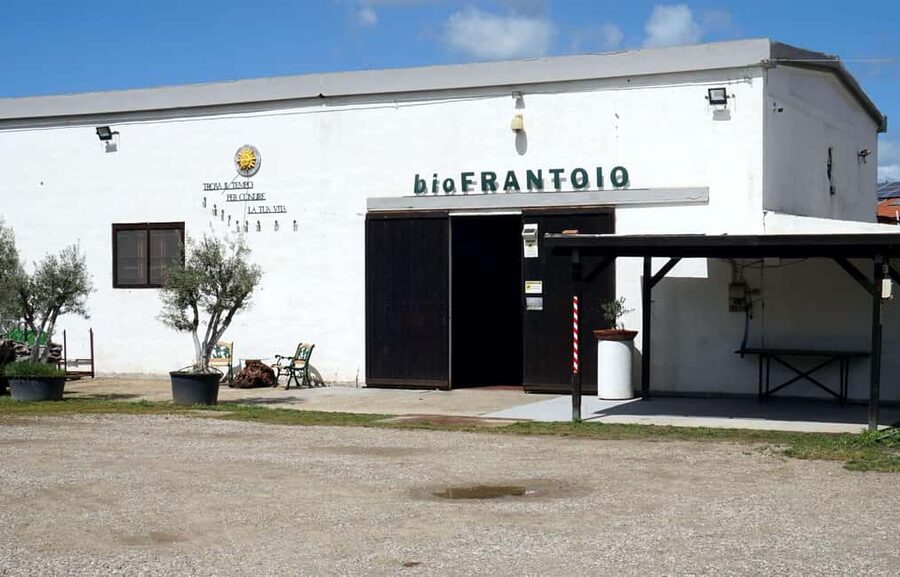
Sardinia doesn’t treat olive oil like a side dish. It treats it like culture—something made at home, talked about in daily life, and used in simple meals. This experience takes that idea and turns it into something practical: you learn how to notice quality, then you taste oils designed to show you the differences.
What makes it work is the mix. You’re not only looking at equipment in a museum. You’re also training your senses—smell and taste—so the next time you buy olive oil, you have a real standard. And because the tastings come with Sardinian bites and sparkling wine, the lesson sticks faster than it would in a lecture-only format.
Sa mola de su notariu: Oil Mill + Museum with a Real Sense of Place
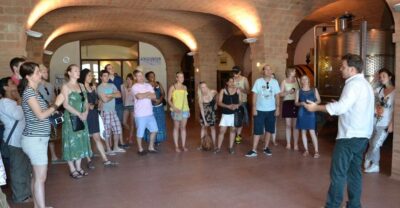
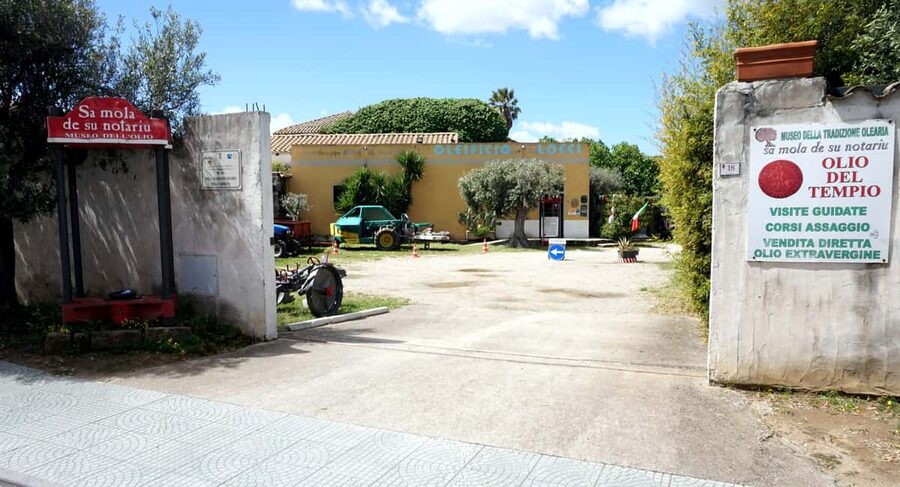
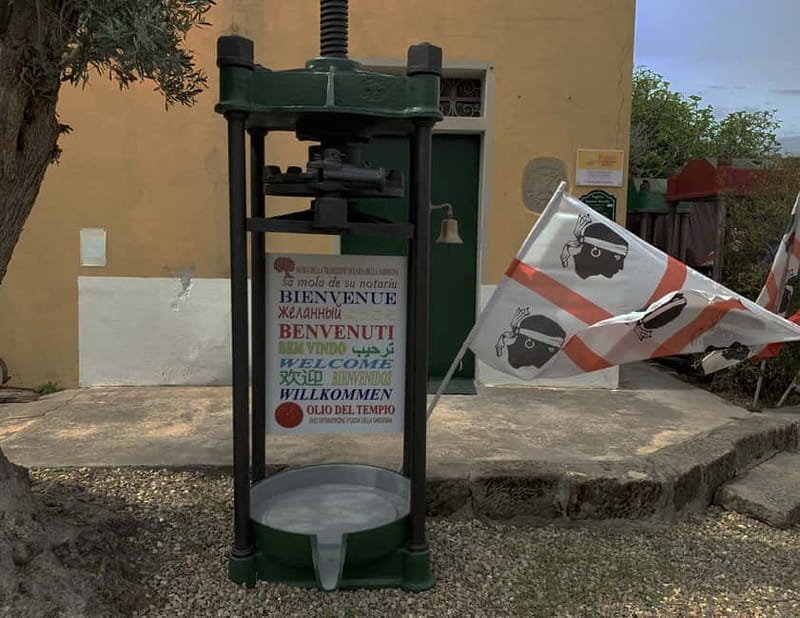
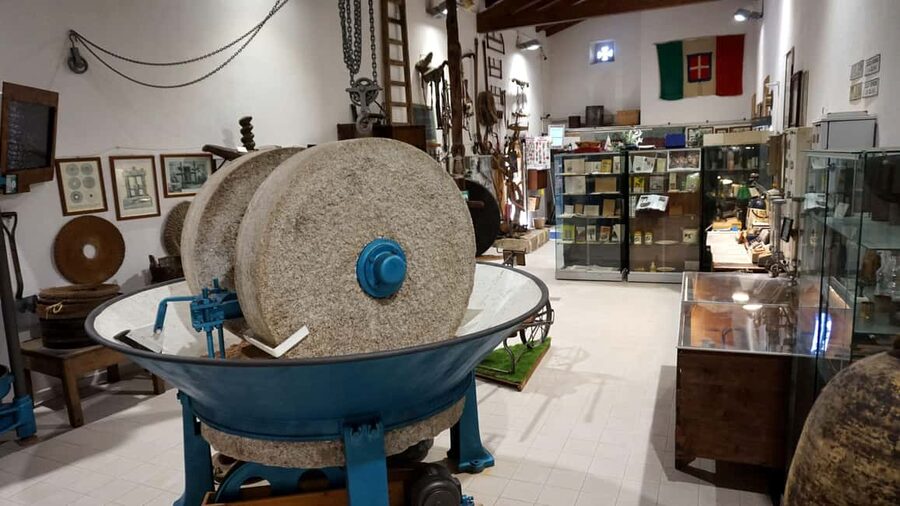
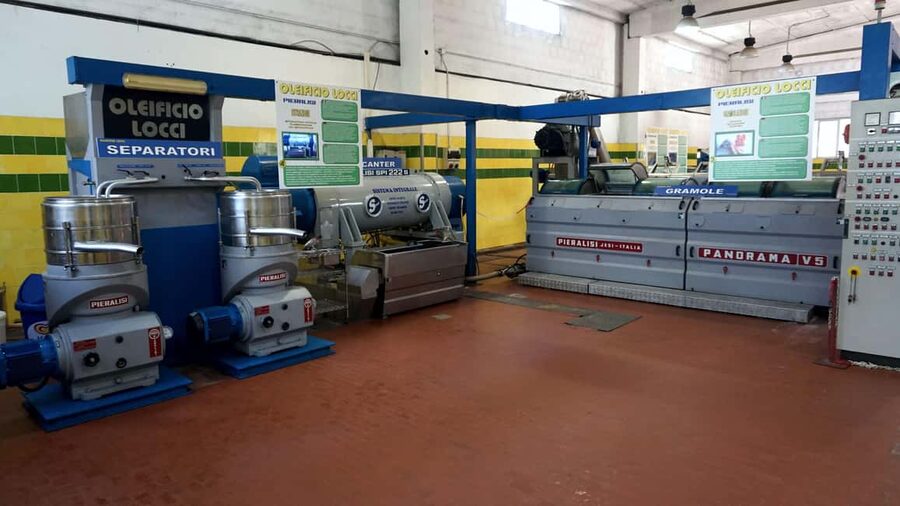
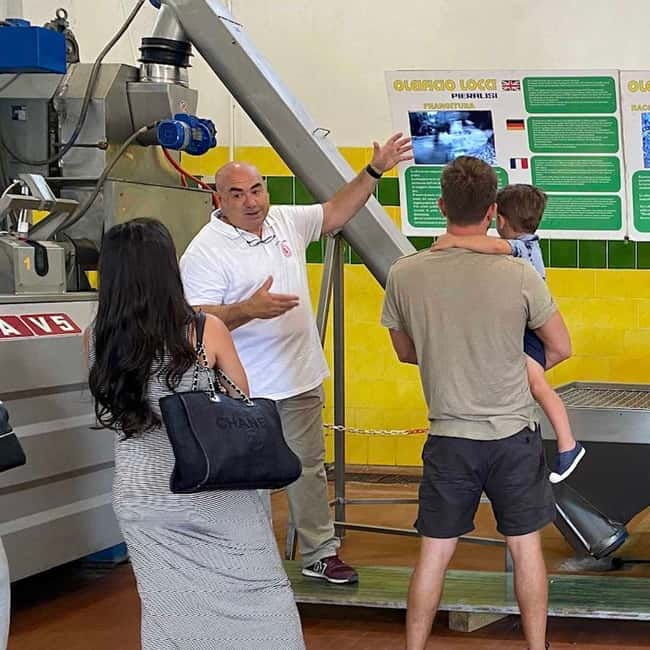
Your visit begins at the oil mill and museum area called Museo dell’olio Sa mola de su notariu, specifically the Olio del Tempio production and sales space. Expect a quick, guided start that places you in the process—from harvesting through processing—so you understand what you’re tasting later.
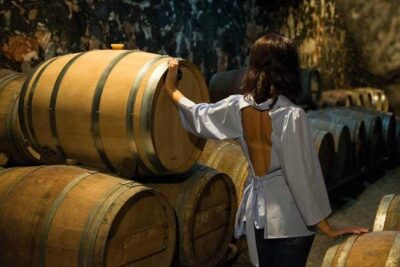
Then you shift into the museum component. The museum is built around older tools and stories, including ancient equipment and artifacts connected to the world of oil. It’s the kind of setting where you naturally slow down, because you can see how the craft used to work and why it mattered so much to Sardinians over centuries.
A standout detail here is the old underground cistern. You descend into this cooler, darker space where oil lamps and historical artifacts are kept. Even if you don’t know a lot about olive oil yet, the atmosphere explains part of the story: oil wasn’t only for eating. It was also for light and survival.
Learning to Taste Quality Extra Virgin Olive Oil (Not Just “Good” Oil)
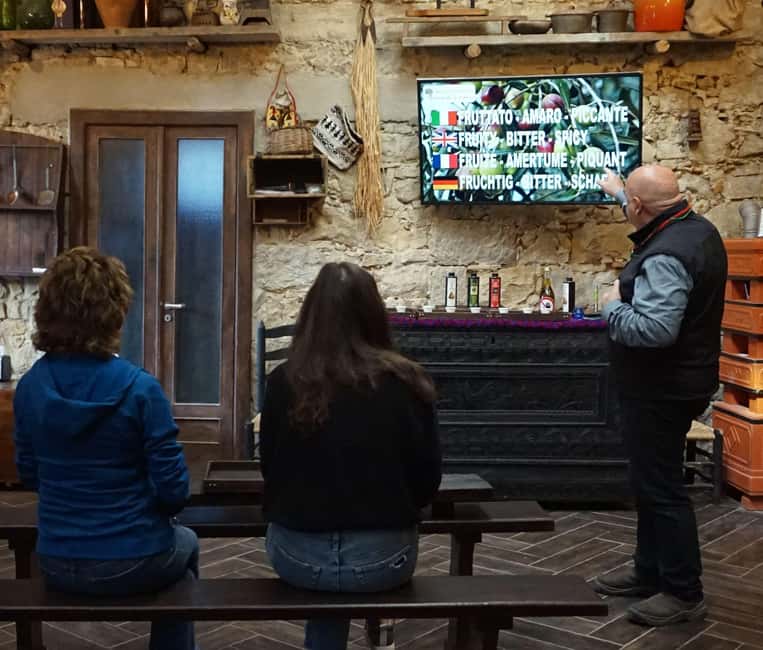
The heart of the experience is the quality training. You’re guided through a lesson on how to identify premium extra virgin olive oil, using slides and a structured approach. The goal isn’t to turn you into a lab technician. It’s to give you a repeatable way to evaluate what’s in the bottle.
You’ll focus on the sensory signals that separate regular oil from extra virgin that actually feels alive in taste. The experience highlights key flavor notes such as fruitiness, bitterness, and spiciness. That matters because those terms don’t have to stay abstract. Once you taste them in context, you can map them to what you’re looking for later when you’re shopping.
This is also where a passionate guide like Francesco Locci can change the whole tone of the visit. The class feels welcoming rather than stiff. You get guidance that helps you connect the tasting to the lesson, and it’s easier to learn when someone is clearly excited to share.
The Tasting Table: Limolio, Rogo del Tempio, and Sardinian Pairings
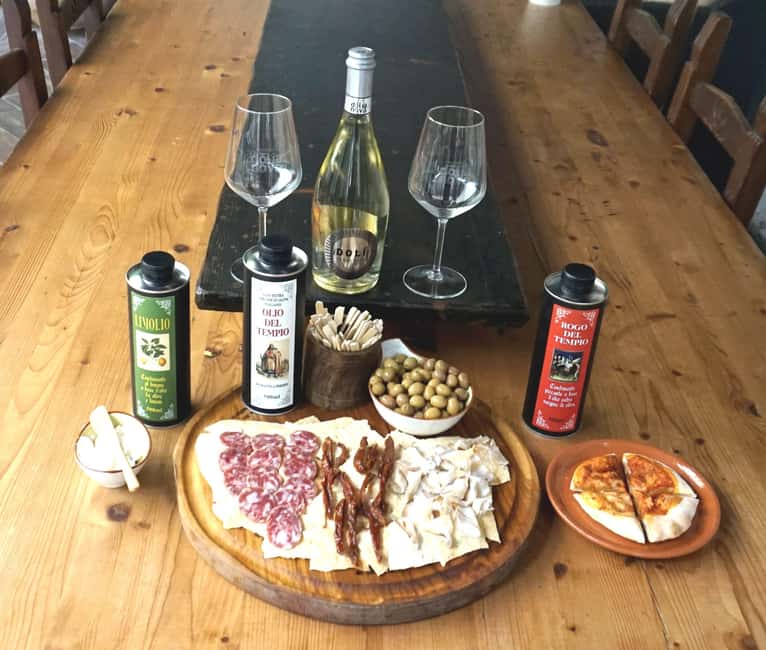
After the quality lesson, you move into the fun part: tasting multiple extra virgin olive oils and comparing them. You’re not just sampling one type and moving on. You’re tasting oils designed with different character, so you learn to tell the difference rather than guessing.
Two featured oils really help make the lesson concrete:
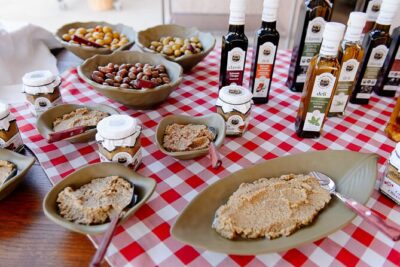
Limolio is made from organic olives and lemons, and it’s presented as a great match for salads and fish. If you like bright, aromatic flavors, this is often the bottle people remember first. It gives you a clear example of how ingredient choices shape aroma and taste.
Rogo del Tempio is the spicy one—an extra virgin oil enhanced with nine traditional Sardinian herbs. It’s framed as ideal for meat or baked dishes, and the point is more than flavor novelty. You can taste how the herb blend changes the oil’s profile, so you’ll know what kind of cooking each flavored oil is meant for.
All of this comes with a solid Sardinian food spread:
- a platter of cured meats
- sparkling wine
- water
- natural olives
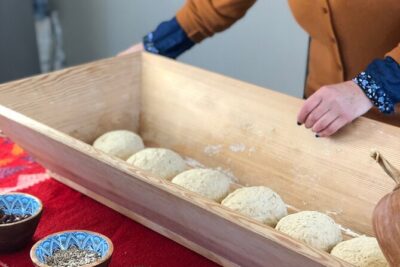
- carasau bread
This pairing is smart. Olive oil doesn’t taste the same on an empty palate. With bread, olives, cured meats, and wine in the mix, you get a practical sense of how each oil fits into real meals—exactly how Sardinians use these flavors.
A Quick Walk Through the Flow of Your Hour
The format is structured so you don’t waste time wandering. You get a brief guided tour first, then the class and tasting follow, then you wrap up with the snack-and-wine pairing portion before returning to the starting point.
Because the whole experience is about an hour, it’s a great slot if you’re trying to balance sightseeing with something more “hands-on.” Just plan for a tighter pace. You won’t have hours to read every museum placard or linger over every bottle on your own—you’ll be guided through the key parts.
Why the Parking and Bus Options Matter in Sardinia
Location is everything for small food experiences in Sardinia. This one helps you get there with practical options.
If you’re driving, you can use the museum parking lot with free parking in a large lot. That’s a big deal in rural areas where parking can be tight.
If you’re coming from Cagliari, there’s a bus option: line 108, about 54 minutes from the center (based on the info you’re given). Even if you’re only loosely planning your day, it’s reassuring to know you’re not locked into a private transfer.
Also note: transfers from southern Sardinia are offered, but they’re not included. So if you need door-to-door help, factor that into your plan and budget early.
Price and Value: Is $60.35 Worth It?
At $60.35 per person for a roughly one-hour experience, you’re paying for more than tastings. You’re paying for three things that usually cost more when they’re separated:
1) A guided lesson on discerning high-quality extra virgin
2) A curated tasting set of flavored oils plus food pairings
3) Included museum admission and access to shop discounts for guests
The museum element isn’t a throwaway add-on. You spend time in the oil museum and also get the underground cistern experience. Meanwhile, the tasting isn’t random either. It’s organized around teaching your senses—fruitiness, bitterness, spiciness—then showing how flavored oils behave in a Sardinian meal setting.
There’s also an “in-experience” purchase angle: you can take oils home, and guests get exclusive discounted rates on premium oils. If you already know you’ll buy a bottle or two, this can make the total value feel even better because your tasting directly supports your shopping decision.
What to Buy (and How to Decide Without Guessing)
The experience sets you up to shop with confidence. Since you’ll practice identifying quality, you’ll have a better sense of what you enjoy and what you want to cook with.
Here’s how I’d use the tasting results when you’re standing in the shop:
- Pick the bottle that matches your strongest flavor memory—fruit-forward, bitter/peppery, or herb/spice-forward.
- Think about your kitchen use: Limolio leans toward salads and fish; Rogo del Tempio leans toward meat or baked dishes.
- If you’re buying gifts, choose based on how “unique” you want to go. Flavored oils can be crowd-pleasers when the pairing is clear.
Who This Tour Fits Best (and Who Might Not)
This tour is ideal if you want a sensory experience with real guidance—especially if you’ve ever stared at an olive oil shelf and wondered what makes one bottle better.
It’s also a strong pick if you like food-and-wine activities that are more than tasting without explanation. The lesson makes the flavors meaningful.
You might consider skipping or choosing a different option if:
- you hate structured schedules and want long unplanned browsing time
- you’re only looking for a quick photo stop and don’t care about quality tasting
- you’re traveling with someone who isn’t interested in food pairings
Practical Tips Before You Go
A few small things can make the visit smoother:
- Come with an appetite. You’ll be eating cured meats, bread, olives, and tasting alongside wine.
- Expect the pace. It’s about an hour, so it’s not a slow afternoon stroll.
- Ask questions. A big part of the value is learning how to interpret what you taste. Francesco Locci’s energy helps here.
- If you’re driving, use the free lot and plan a nearby lunch or dessert afterward. Since the tasting is guided and timed, you’ll still have time to continue exploring Sardinia after.
Should You Book Olive Oil Museum: Extravirgin School?
Book it if you want a Sardinia-focused activity that teaches you how to buy olive oil with confidence. The combination of modern milling context, museum history (including the underground cistern), and a hands-on extra virgin quality lesson is a rare blend. The tasting also isn’t just fun—it’s structured around flavor cues like fruitiness, bitterness, and spiciness, plus two standout flavored oils.
Skip it only if you’re truly not interested in tasting and learning, or if you need a long, unhurried museum visit. For most people who like food culture, this one-hour class is a strong value that ends with bottles you can actually use back home.
FAQ
How long is the Olive Oil Museum experience?
The experience is about 1 hour. Start times vary, so you’ll want to check availability for the exact schedule.
What languages are available for the live tour guide?
The guide is available in English, French, and Italian.
What’s included in the tasting?
You’ll sample various extra virgin olive oils, including flavored options. You’ll also have sparkling wine, water, and a selection of Sardinian foods such as cured meats, natural olives, and carasau bread.
Is the museum admission included?
Yes. Olive Oil Museum admission is included as part of the experience.
Do you get discounts on oils?
Yes. Guests receive exclusive discounted rates on premium oils that are available only to those visiting.
Is there parking?
Yes. There is free parking in a large lot.
Can I get there by public bus?
Yes. You can use bus line 108 from the center of Cagliari (about 54 minutes) based on the information provided.
Are transfers included?
No. Transfers from southern Sardinia are offered, but they are not included.
Is the experience wheelchair accessible and dog-friendly?
Yes. It is wheelchair accessible and it’s also dog-friendly, with a bowl of water available for pets.
What is the cancellation policy?
Free cancellation is available up to 24 hours in advance for a full refund.