REVIEW · CRETE
Chania Sourdough Bread Class – Olive Oil Tasting
Book on Viator →Operated by Chania Cooking Class · Bookable on Viator
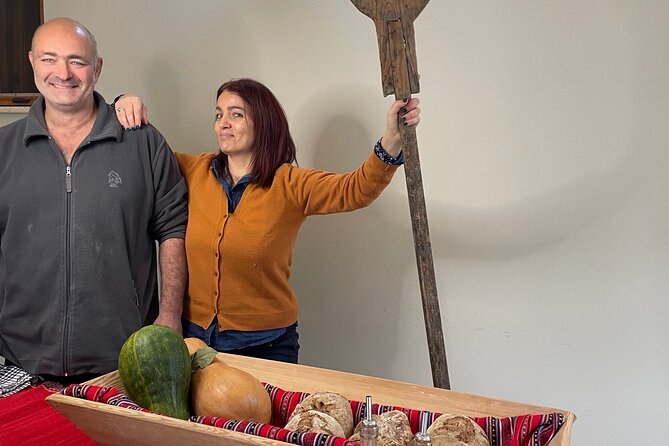
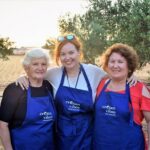
Bread baking in an olive grove feels like Crete. You start with a warm welcome (homemade refreshment or Greek coffee), then you make and bake your own sourdough loaf and customize it with mix-ins. I especially like the olive oil tasting and herb lessons, taught by the family team around Nikos and Alex.
One thing to think about: this experience is weather-dependent, and the pickup transfer has an extra fee if you need it.
In This Review
- Key highlights
- Chania Sourdough Class: a hands-on bread day that also tastes like Crete
- Welcome coffee and the family hosting setup
- The sourdough lesson: mix, personalize, then bake
- Mixing the dough
- Add your fillings
- Rest time becomes learning time
- Outdoor brick oven energy
- Olive grove walk and herb oil secrets you can use later
- Tasting olive oils, not just eating bread
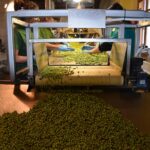
- Farm visit and Cretan salad: where the meal builds from
- Cretan salad, plus more than one course
- Jacket potatoes roasted in ash
- Pork meat on the table
- Local wine and the pace of the table
- What dessert really looks like at the end
- Price and value: what you pay for and why it’s more than a meal
- Logistics that affect your day (the stuff worth planning)
- Who this class is best for
- Should you book the Chania Sourdough Bread Class and Olive Oil Tasting?
- FAQ
- FAQ
- How long does the Chania sourdough bread class take?
- What does the class cost per person?
- Is the class offered in English?
- Is there a maximum group size?
- Do they offer pickup?
- What’s included in the price?
- What isn’t included?
- Will you make and bake your own bread?
- Do you get dessert?
- What if the weather is bad or the minimum number of travelers isn’t met?
- Can I get a full refund if I cancel?
Key highlights
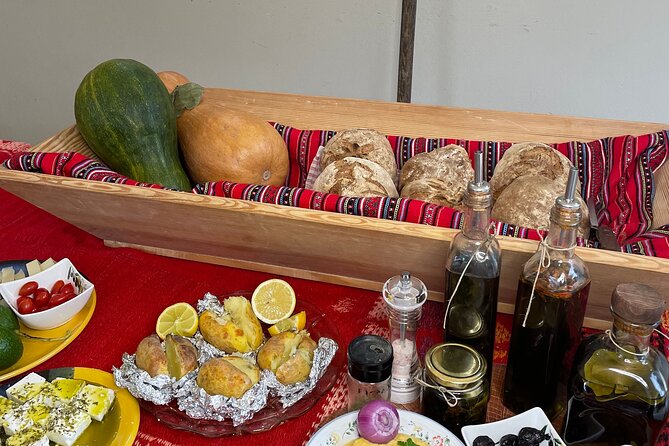
- Make your own loaf: you mix dough, add your own fillings, then bake it in the oven
- Olive grove + oil heritage: walk the trees and learn how they keep olives producing
- Herb oil skills: you learn the herbs and methods behind herb-flavored extra-virgin olive oil
- Farm-to-table lunch rhythm: harvest veggies and help prep Cretan salad and sides
- Eat together, family style: long tables, local wine, and a real sense of shared meals
- Max 16 people: small-group size that keeps the class hands-on
Chania Sourdough Class: a hands-on bread day that also tastes like Crete
This class is the kind of outing you remember because you do real work, not just watch. You’ll mix dough, shape and customize your own loaf, and then see it baked and served with the olive oil flavors you learned about along the way. It’s also not a one-note food stop. You get the olive grove perspective, the herb-angle on olive oil, and a full Cretan meal around what you made.
And yes, it still feels like a “cooking class” in the best way: clear guidance, quick explanations, and lots of time at the table. The family running it brings energy without rushing you, and the pace fits a roughly four-hour window.
You can also read our reviews of more tours and experiences in Crete.
Welcome coffee and the family hosting setup
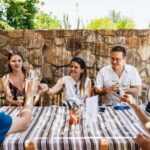
Your experience begins at Chania Cooking Class in Nerokouros, near public transportation. Right at the start, you’re welcomed with a homemade refreshment or a Greek coffee from the hostess. You’ll also get cookies, which is a nice touch because it sets a relaxed tone before anyone talks flour and fermentation.
This matters more than it sounds. When the host takes a few minutes to settle you in, you’re more likely to pay attention during the bread lesson later. I like that you’re not thrown into instructions on an empty stomach.
If you want pickup, it’s available, but there’s an extra fee based on where you’re staying. The transportation itself is semi-private, using a 9-seat van and an EV. You may share the ride with other people attending the same class.
The sourdough lesson: mix, personalize, then bake
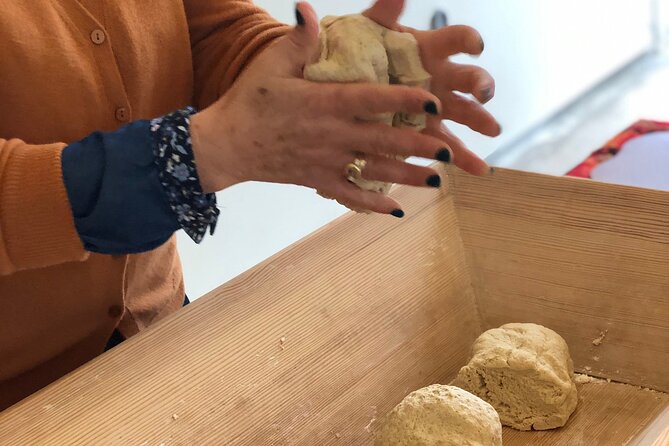
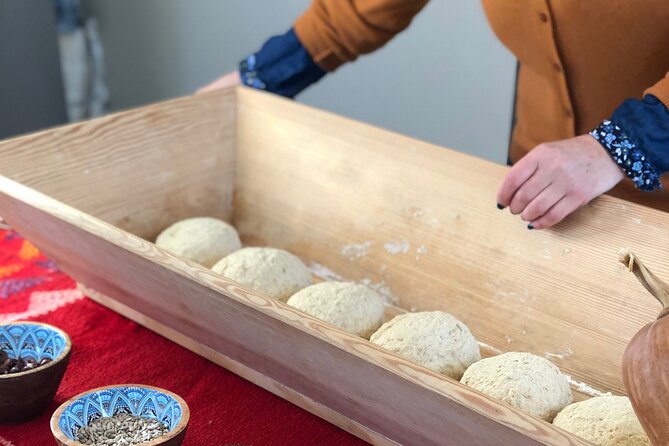
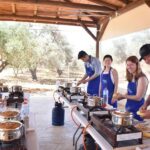
The bread part is the core of the morning (or afternoon), and it’s structured so you actively participate from start to finish.
Mixing the dough
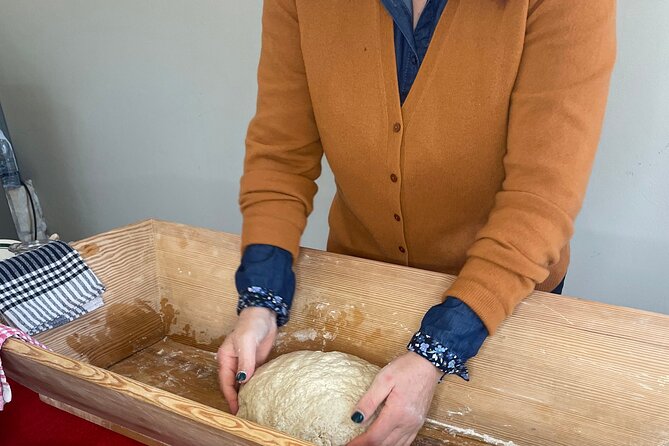
You’ll begin by mixing the ingredients to prepare your sourdough dough. The teaching is practical: you learn what the dough needs at each stage so you’re not just copying a recipe. The goal is simple—when it’s time to shape, you’ll understand what you’re looking for.
Add your fillings
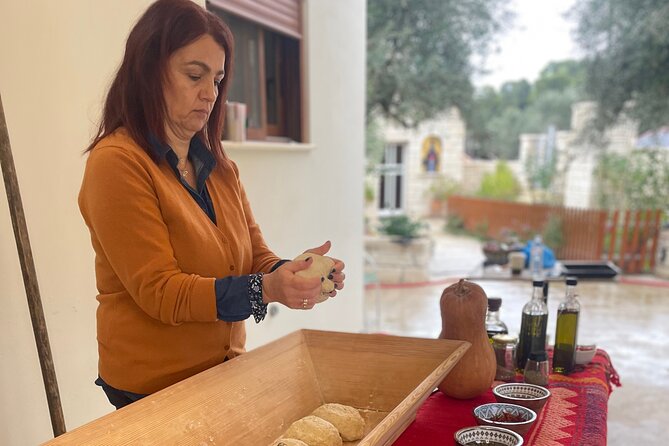
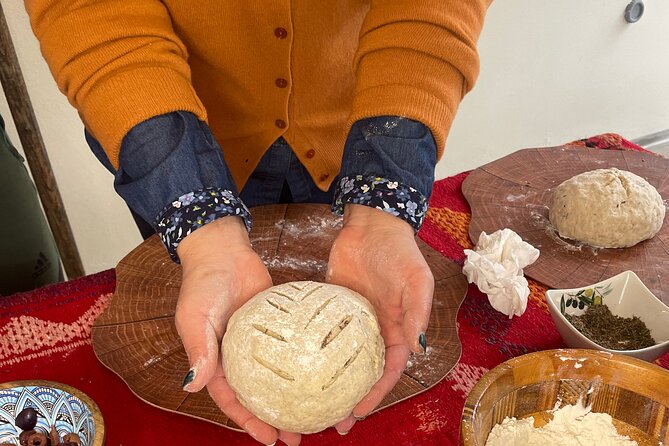
Once the dough is ready, each person prepares a loaf and adds extra ingredients you prefer. Options can include olives, sun-dried tomato, and seeds. This is one of those parts that makes the bread feel personal. You’re not stuck with one bland loaf flavor that everyone receives. You’ll get to build your own version.
Keep in mind: the class is hands-on, so you should come ready to get a little flour on your hands. If you’re traveling light, plan to bring something you don’t mind getting messy.


Rest time becomes learning time
Bread needs rest. While your loaf waits, the program doesn’t leave you bored in a chair. That downtime turns into the olive grove visit, where you learn about the olive oil harvesting process and how to combine olive oil with herbs.
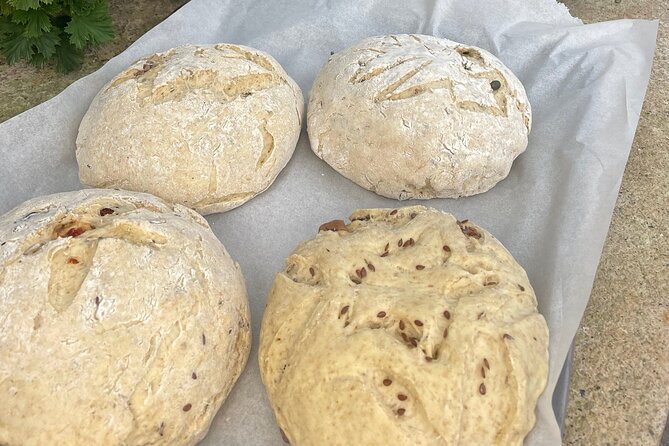
Then, when the loafs are ready, they go into the oven. The smell when bread hits heat is a big part of the experience here, and it’s one of the reasons I think this class works even for people who don’t bake often.
Outdoor brick oven energy
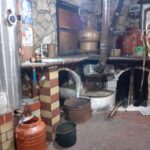
From the way the family bakes and teaches, you can feel this isn’t a commercial kitchen setup. Your bread is baked in an outdoor brick oven, and that changes the mood. You’re cooking in the same environment where the olive trees and herbs come into play. It all links together.
Olive grove walk and herb oil secrets you can use later
This is where the tour becomes more than food. You head into their olive grove area and learn how they keep their trees healthy and productive. There’s also direct learning about harvesting and the olive oil process—exactly the kind of information you don’t get when you just buy a bottle at the store.
The standout part for me is the herb angle. You’re taught the secrets of mixing olive oil with herbs, so you understand why certain herb flavors work in olive oil and how those mixtures are used in the meal.
Tasting olive oils, not just eating bread
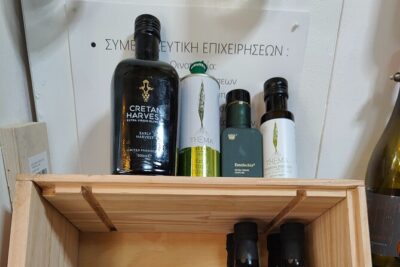
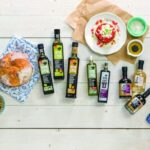
Once your bread is baked, you get to pair it with herb-flavored extra-virgin olive oil. You also get to taste different olive oil creations, and you’ll sample four different types of olive oil. That tasting step helps you notice flavors instead of just assuming all olive oil tastes the same.
If you like cooking, this section is the most “take home” part. You’ll leave knowing you can do your own simple herb-infused oil pairings, and you’ll have a better sense of what changes when the oil profile changes.
Farm visit and Cretan salad: where the meal builds from
While your bread bakes, the class shifts into the farm side of the day.
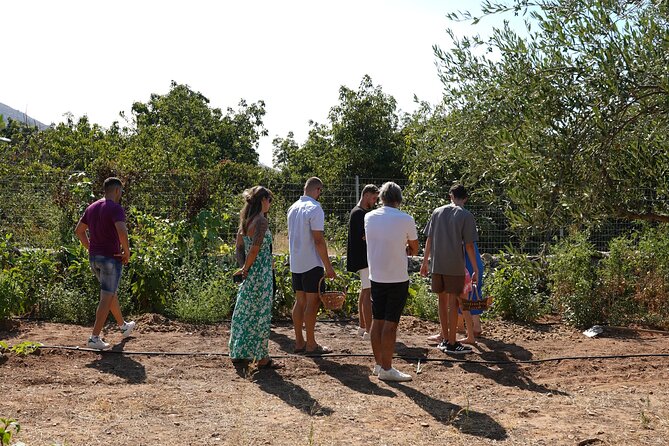
You’ll visit the farm to harvest veggies, then prepare Cretan Salad and some extra side dishes. This is a smart structure because it keeps you moving and it connects what you’re eating to the land you’re seeing.
Cretan salad, plus more than one course
The salad is a traditional Cretan style. Expect tomato, cucumber, peppers, olives, rusks, capers, and soft goat cheese. It’s hearty, not watery, and it’s built for sharing.
Alongside salad, you’ll also get fava and other seasonal appetizers. The fava shows up again later in the meal lineup, and it’s part of that classic Cretan comfort-food feel—earthy, filling, and perfect with wine.
Jacket potatoes roasted in ash
Your main includes jacket potatoes roasted in ash. This is a detail that matters because ash roasting gives potatoes a particular flavor that feels more rustic than oven-roasted versions. It’s also a “Crete” cooking style you don’t see often in typical restaurant meals.
Pork meat on the table
Pork meat is part of the main course as well. If you eat pork, you’ll feel right at home here. If you don’t, you should ask in advance what the options are, since the provided menu lists pork as part of the main.
Local wine and the pace of the table
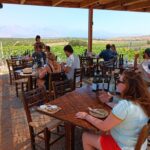
You’ll have copious amounts of local wine. This is one of those experiences where the meal isn’t just food—it’s time. You sit together, talk, and taste in a calmer rhythm than a restaurant. It helps that the group is small, with a maximum of 16 travelers.
Also, because it’s semi-private transport, you’re less likely to feel lost in a huge crowd. The class structure seems designed for conversation.
What dessert really looks like at the end
Don’t skip dessert here. The program includes Greek yoghurt with spoon sweet at the end. Spoon sweet is a local-style preserved fruit topping, and it’s a nice finish after all the savory flavors.
This is another reason the meal works: the dessert isn’t a random add-on. It feels like the final step in a Cretan meal rhythm.
Price and value: what you pay for and why it’s more than a meal
The price is $108.13 per person for about four hours. For a food-focused outing, the key value question is: what’s included?
Here, the included list is strong:
- Alcoholic beverages
- Soda/pop
- Lunch
- Everything related to the bread making and the tastings
Public transportation is not included (noted as €10.00 per person), and pickup transfers cost extra depending on location.
When I look at value for a class like this, I think about four things:
1) hands-on bread time (you’re not just sampling)
2) multiple food components (bread, salad, sides, mains, dessert)
3) olive grove + farm learning (more than a cooking lesson)
4) pairing time (tasting different olive oils and herb mixing)
This experience checks all four. If you want a meal with a story—and you’re okay with getting a bit involved—you’ll likely feel like the cost matches what you receive.
One practical note: it’s commonly booked around 37 days in advance on average, so if you’re traveling in peak season, plan ahead rather than hoping for last-minute space.
Logistics that affect your day (the stuff worth planning)
You’ll start and end back at the meeting point: Chania Cooking Class in Nerokouros. The class is in English, and you get a mobile ticket.
Because pickup is optional and transfer costs extra, your best move is to check where your hotel is before you choose. Even though the transport is semi-private, you might be sharing the van or EV with others heading to the same class.
The schedule also depends on good weather. If poor weather cancels the experience, you’ll either get a different date or a full refund. That matters because so much of the experience (like outdoor baking and grove/farm time) relies on being able to work outside.
Who this class is best for
This is a great fit if you:
- want a hands-on sourdough experience rather than a passive tasting
- enjoy olive oil topics beyond basics
- like Cretan food and want a meal that feels locally cooked, not just “Greek-themed”
- travel in a way that benefits from small-group attention (up to 16 people)
It also works well for multigenerational groups, because the food setup and family-style dining are comfortable and welcoming. If you’re a solo traveler, you still get plenty of chances to ask questions and chat—there’s time built in at the table.
If you have dietary needs, the provided menu includes items like goat cheese, pork, and fava. The data doesn’t list vegetarian or allergy substitutions. So if you need modifications, I’d treat it as a pre-booking conversation rather than something to hope happens.
Should you book the Chania Sourdough Bread Class and Olive Oil Tasting?
I’d book it if you want your Crete food experience to include both craft and land. The mix of bread making, olive grove learning, herb oil skills, and a full Cretan meal makes it feel like one connected day, not separate activities glued together.
Skip it if your main goal is nightlife or quick sightseeing. This is about slow food, hands-on cooking, and eating together. Also, if you’re very sensitive to weather changes, have a backup plan in your schedule since it’s weather-dependent.
If you’re on the fence, here’s the simple test: if you’d be excited to take home bread you helped bake and pair it with herb-flavored olive oil you learned how to combine, you’re the right person for this.
FAQ
FAQ
How long does the Chania sourdough bread class take?
The experience is about 4 hours, approximately.
What does the class cost per person?
The price is $108.13 per person.
Is the class offered in English?
Yes, it’s offered in English.
Is there a maximum group size?
Yes. The class has a maximum of 16 travelers.
Do they offer pickup?
Yes, transfer service is offered, but there’s an extra fee depending on your location. You request it in your booking form.
What’s included in the price?
Alcoholic beverages, soda/pop, and lunch are included.
What isn’t included?
Public transportation is not included (listed as €10.00 per person).
Will you make and bake your own bread?
Yes. You mix the dough, prepare your own loaf with optional add-ins, let it rest, and then bake it in the oven.
Do you get dessert?
Yes. Dessert is Greek yoghurt with spoon sweet.
What if the weather is bad or the minimum number of travelers isn’t met?
This experience requires good weather. If it’s canceled due to poor weather, you’ll be offered a different date or a full refund. If it’s canceled because the minimum number of travelers isn’t met, you’ll also be offered a different option or a full refund.
Can I get a full refund if I cancel?
Yes. You can cancel up to 24 hours in advance for a full refund. If you cancel less than 24 hours before the start time, the amount paid is not refunded.