REVIEW · CRETE
Traditional Olive Oil Making at Spiridi Olive Oil Farm – Crete
Book on Viator →Operated by Cretan Olive Oil Farm · Bookable on Viator
A 130-year-old olive factory turns history into work you can do. At Spiridi Olive Oil Farm in Crete, you step into a hands-on process that goes from olives to pressing, guided by Tassos and his team. It’s a great way to understand Cretan olive oil beyond a label, because you actually handle the key steps.
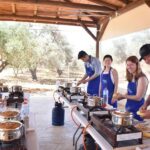
What I really like is the full production flow: weighing olives, crushing with a stone mill, packing the paste, then pressing oil with a manual wooden press. I also appreciate the small group size (max 10), because it keeps the experience interactive and not like you’re watching from behind glass. One thing to consider: it’s physical work with hands-on crushing and pressing, and there’s no included meal—just water and a tasting.
In This Review
- Key Things to Know Before You Go
- Stepping Into a 130-Year-Old Olive Oil Factory on Crete
- From Olives to Oil: The Workshop Steps You’ll Actually Do
- Crushing With a Stone Mill: Why the Work Matters
- Pressing With a Manual Wooden Press: The Moment of Extraction
- Tasting the Results and Taking Home 100 ml of EVOO
- Price and Timing: Is It Good Value?
- Where It Starts and How the Visit Flows
- Who Should Book This Olive Oil Workshop on Crete?
- After the Workshop: A Downhill Walk Toward Town and an Archaeological Museum
- Should You Book Traditional Olive Oil Making at Spiridi Olive Oil Farm?
- FAQ
- Where is Traditional Olive Oil Making at Spiridi Olive Oil Farm in Crete?
- What time does the workshop start?
- How long is the experience?
- Is the workshop hands-on?
- What languages is it offered in?
- What’s included in the price?
- What’s not included?
- Will I take anything home?
- How many people are in the group?
- Can I cancel for free?
Key Things to Know Before You Go
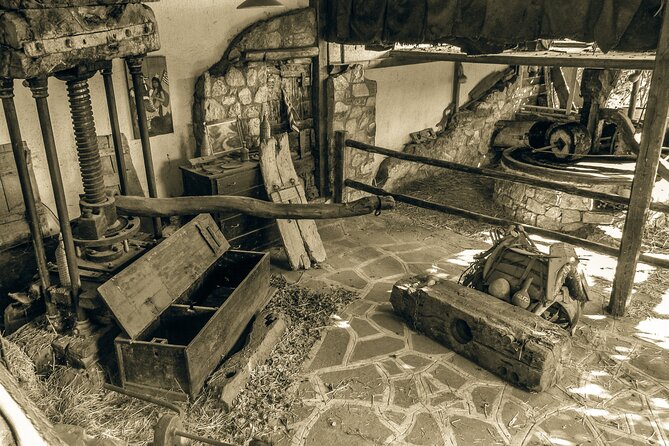
- You’ll do the hard parts: weigh olives, push a stone mill, and help transfer olive paste into sacks
- Historic equipment is part of the fun: a manual stone-crushing setup and a wooden press
- Small group experience: limited to 10 people so you get real guidance
- You leave with a souvenir bottle: a 100 ml extra virgin olive oil gift
- It ends with tasting: you get to compare what you helped make with a tasting moment
Stepping Into a 130-Year-Old Olive Oil Factory on Crete
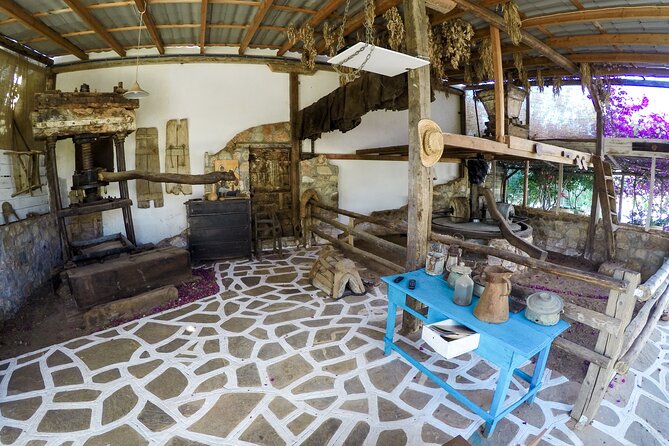
If you’ve ever wondered how olive oil is really made, this is the kind of place that gives you an answer you can feel in your hands. Spiridi Olive Oil Farm runs from a 130-year-old factory, and the workshop is built around that same traditional workflow instead of a quick “look and listen” style demo.
The best part is that it’s not just a museum activity. You’re not simply standing nearby while someone else does the pressing. You help move through the process that Cretan families have used for generations. That makes it easier to appreciate why olives, time, and pressure matter—because you’re living those steps in real time.
This is also a good fit if you want authenticity without being lost in complicated terms. The process is tactile and straightforward: olives in, crushing and pressing steps, then tasting at the end. You’ll also get guidance throughout, in English, so you can focus on the work rather than decoding a technical lecture.
You can also read our reviews of more tours and experiences in Crete.
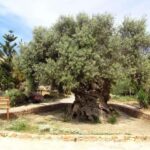


From Olives to Oil: The Workshop Steps You’ll Actually Do
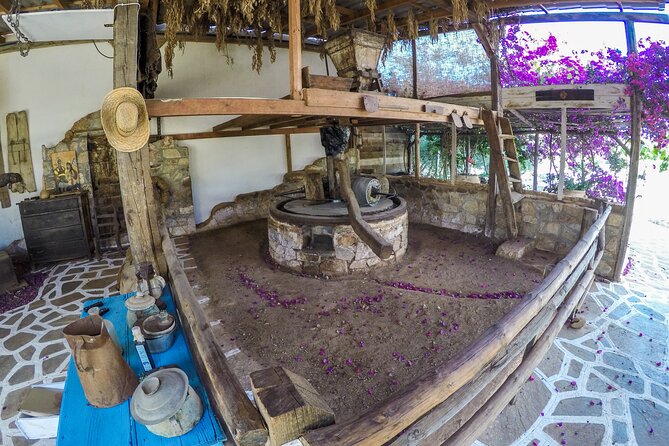
The workshop runs about 1 hour 30 minutes, starting at 10:30 am, and it’s built like a guided production line—just with you as part of the team.
Here’s the sequence you can expect:
First, you’ll weigh olives. It sounds simple, but it’s your first clue that olive oil production is not random. Amount matters. Weighing helps you understand that the oil yield comes from measurable inputs, not vague tradition.
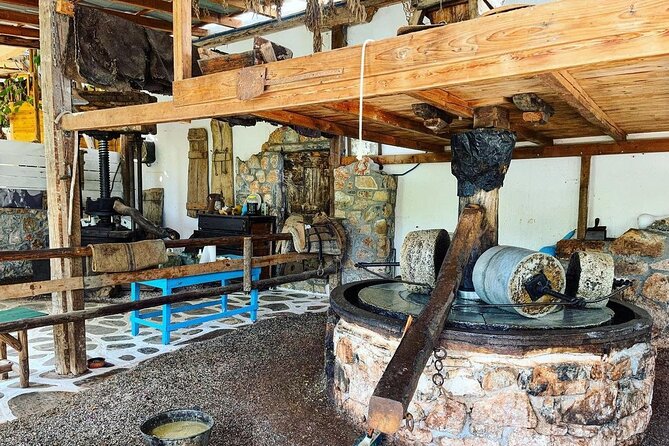
Next comes the stone mill, where you’ll crush olives yourself. You push the stone mill as part of the crushing process, so you can see what “crushed” really means. This step is where the workshop shifts from watching to doing, and it’s where most people start to get a real sense of effort and texture.
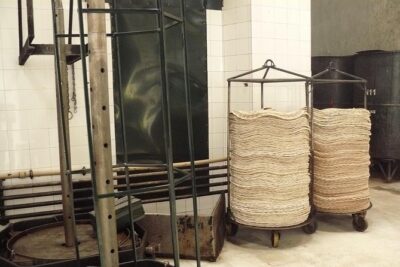
Then you’ll transfer the crushed olives into large sacks. Again, this is the kind of work you don’t get from a standard tour. It’s about preparing the olive paste for the pressing step, and you’ll understand why the paste needs to be handled a certain way to move toward oil extraction.
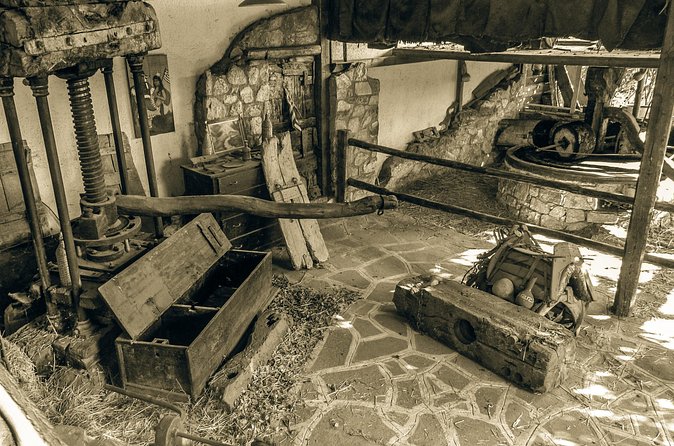
Finally, you’ll press the olive paste using a manual wooden press. This is where the workshop earns its keep. You’ll see how pressure turns paste into oil, and you’ll get a clear sense of what the machine is doing—without needing to guess.
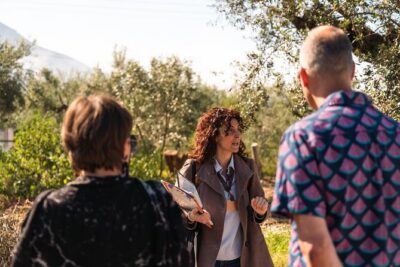
Throughout the process, your hosts guide you step-by-step. The whole thing is designed to be hands-on but manageable, even if you’ve never touched an olive press before.
Crushing With a Stone Mill: Why the Work Matters
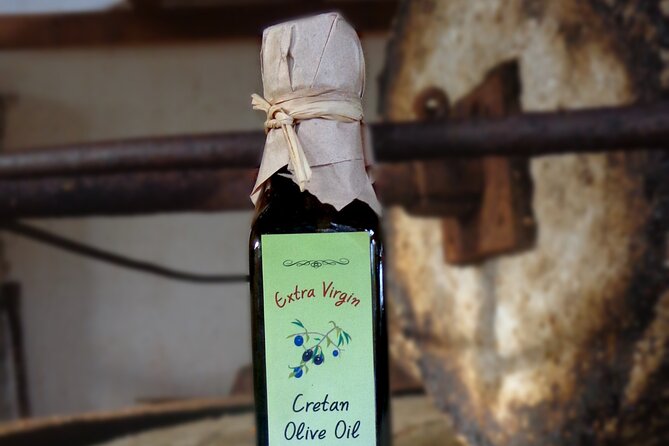
The stone mill moment is often the highlight because it’s physical and immediate. When you push a stone mill, you feel the resistance and you notice how the olives break down under steady pressure. That’s hard to replicate in a photo or a video.
It also explains why “traditional” isn’t just a marketing word. The stone milling step changes the olive mass into paste, which then becomes something that can be pressed into oil. In other words, the workshop gives you cause-and-effect, not just a list of tools.
One practical note: wear shoes you’re comfortable getting a little busy. You’ll be moving around and working close to equipment. The workshop includes water, which helps, but you’ll still want to dress for a hands-on activity.
If you’re traveling with kids or you simply like activities that let you participate, this is the kind of tour where you can see how families manage the effort. The format is set up so people can take turns and get hands-on guidance.
Pressing With a Manual Wooden Press: The Moment of Extraction
The manual wooden press is the other reason this workshop works. Stone mills crush; presses extract. The pressure stage makes the transformation feel real.
When you put the olive paste under the press, you’ll see oil extraction as a process rather than a magical result. You’ll understand that it’s about squeezing paste efficiently and steadily. It’s also a chance to notice that the workshop isn’t rushed. You’re given time to complete the steps with help from your hosts.
This part of the experience is especially valuable if you care about food culture. Olive oil in Greece isn’t just a condiment. It’s an engine of daily cooking and local pride. Experiencing the press helps you connect that pride to something practical: labor, tools, and know-how.
Tasting the Results and Taking Home 100 ml of EVOO
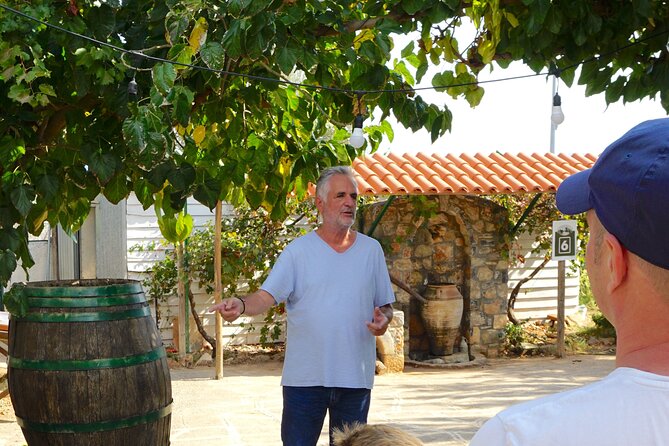
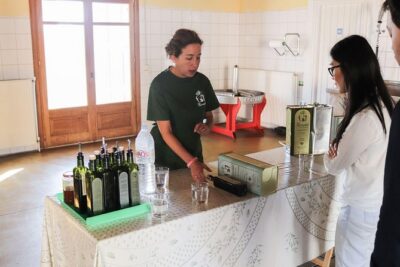
After the pressing, you’ll finish with an olive oil tasting. That tasting is more than a nice ending. It’s your chance to connect what you just did with the final product, and to understand why people in Crete take quality seriously.
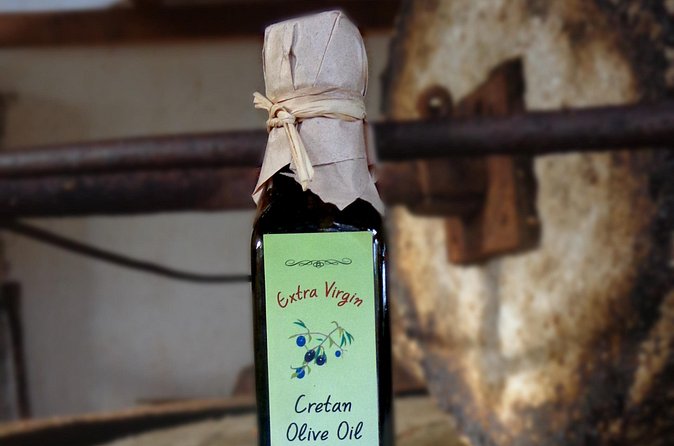
You’ll also receive a 100 ml bottle of the farm’s extra virgin handmade olive oil as a souvenir. It’s a useful reminder that you didn’t just pay for an activity. You’re bringing home a product tied directly to the workshop process.
If you’re a gift-buyer, this is an easier sell than random souvenirs. Olive oil is practical, long-lasting, and tied to a story you can actually explain—because you handled the steps yourself.


Price and Timing: Is It Good Value?
At $78.60 per person and about 1 hour 30 minutes, this is positioned as a hands-on workshop, not a quick overview tour. The value comes from three places:
- You get real participation (crushing and pressing), which is harder to find than you’d think
- Group size is limited to 10, which keeps the attention on you rather than the schedule
- You leave with a 100 ml bottle, adding tangible value to the experience
You’ll also get drinking water included, which is a small thing, but it matters when you’re doing hands-on work.
The main trade-off is that food and drinks (other than water) aren’t included. If you’re planning this around a full day, you’ll want to account for lunch or snacks afterward. Also, since the start time is 10:30 am and the workshop loops back to the meeting point, it fits best as a morning anchor before you move on to other sights.
Where It Starts and How the Visit Flows
You meet at Spiridi Olive Oil Farm (Cretan Olive Oil Farm, Αγ. Νικόλαος 721 00, Greece) and the activity ends back at the same spot. That round-trip simplicity is helpful if you’re building a day around a limited window.
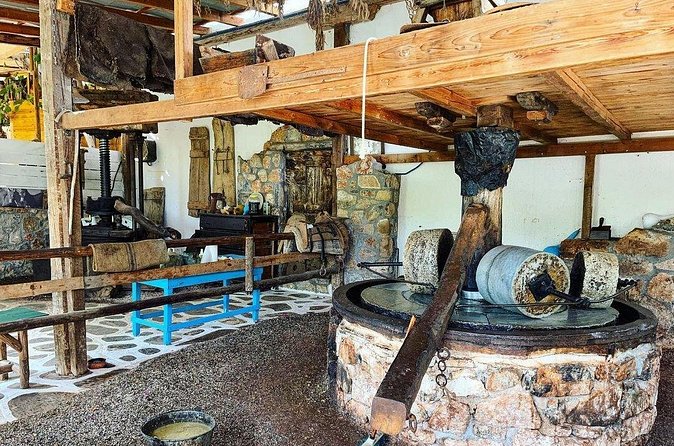
The workshop itself happens at the farm’s 130-year-old factory, so you’re not traveling between multiple sites. That’s part of the efficiency: you get a concentrated experience without long transfers.
And if you like your trips to be low-stress, there’s also a mobile ticket. Less paper, less fuss.
Who Should Book This Olive Oil Workshop on Crete?
This is a strong match for you if you want:
- hands-on food culture (you like doing rather than watching)
- a small-group experience where you can ask questions
- a meaningful souvenir that’s tied to a real process
- a family-friendly activity style where kids can participate with supervision
It may be less ideal if you don’t enjoy physical tasks. Crushing and pressing involve effort, and you’ll be standing and working around traditional equipment. Also, because there’s no included meal, you’ll want to plan food for after the workshop.
If you’re visiting Crete with friends and you want something that feels different from standard sightseeing, this is also a good social choice. The small group and shared work naturally create conversation—especially when people compare what they thought the process would be versus what it turns out to be.
After the Workshop: A Downhill Walk Toward Town and an Archaeological Museum
Once you’re done, there’s a natural next step if you feel like stretching your legs. One review highlighted a short downhill walk to town, with an archaeological museum along the way. It’s a nice way to keep the morning from ending too abruptly.
If you like combining hands-on food experiences with quick cultural stops, this add-on works well. You’ll already be in the right mindset: olive oil, local tradition, then a bit of place-based history.
Should You Book Traditional Olive Oil Making at Spiridi Olive Oil Farm?
Yes—if your idea of a good Crete day includes learning by doing. This workshop is built around the real production steps with traditional tools: stone crushing, sack transferring, and pressing on a manual wooden press, followed by tasting and a take-home bottle.
Book it if you value small-group attention, want a souvenir with a story, and don’t mind hands-on work. Skip it only if you want a mostly seated, low-activity tour, or if you need a meal included.
If you’re trying to pick between a quick tour and a working workshop, this one leans practical and tactile. It’s the kind of experience you’ll remember when you cook with olive oil later.
FAQ
Where is Traditional Olive Oil Making at Spiridi Olive Oil Farm in Crete?
It takes place at Spiridi Olive Oil Farm, at Cretan Olive Oil Farm, Αγ. Νικόλαος 721 00, Greece.
What time does the workshop start?
The start time is 10:30 am.
How long is the experience?
It lasts about 1 hour 30 minutes.
Is the workshop hands-on?
Yes. You’ll weigh olives, crush them using a stone mill by pushing it yourself, transfer the crushed olives into large sacks, and press the olive paste using a manual wooden press.
What languages is it offered in?
It’s offered in English.
What’s included in the price?
Hands-on olive oil production with stone mill and manual press, guidance during all steps, access to the 130-year-old olive oil factory, olive oil tasting, drinking water, and a 100 ml bottle of extra virgin handmade olive oil.
What’s not included?
Food and drinks are not included other than water.
Will I take anything home?
Yes. You receive a 100 ml bottle of the farm’s extra virgin handmade olive oil.
How many people are in the group?
The workshop has a maximum of 10 travelers.
Can I cancel for free?
Yes. Free cancellation is available if you cancel up to 24 hours in advance of the experience start time for a full refund.