REVIEW · GREECE
Nafplio: Olive Oil Estate Tour and Tasting
Book on GetYourGuide →Operated by THE KOTSONIS ESTATE · Bookable on GetYourGuide
Olive oil tasting, but make it personal. At THE KOTSONIS ESTATE, you spend 2.5 hours learning from a 4th generation olive oil producer while you tour the farm, hear the production story, and taste different oils. I especially liked the way the experience connects cultivation and extraction to what you actually notice in the glass.
The other standout is the guide-led tasting, with practical help for recognizing differences and pairing ideas. Our host, Mando, comes across as genuinely passionate, and that matters when you’re learning how to think about flavor and quality. The only real drawback to flag: you’re responsible for getting yourself to the estate.
In This Review
- Key things I found most useful
- Kotsonis Estate near Nafplio: Why this feels like agrotourism
- Getting there: Distances that help you plan
- Inside the 1-hour guided tour with Mando
- Cultivation and production: The farm-to-bottle logic that clicks
- Classification and why it matters when you shop
- The tasting session: Learning to recognize flavors (not just “which is best”)
- Snacking, light lunch, and cooking tips that actually transfer
- Health benefits: What you’ll learn (and what you should take away)
- Price and value: Is $70 per person a good use of time?
- Who this tour suits best in Peloponnese
- Practical tips before you go (so the day stays easy)
- Should you book this olive oil estate tour?
- FAQ
- How long is the Nafplio Olive Oil Estate Tour and Tasting?
- What’s included in the tour price?
- Do I need my own transportation to the estate?
- Is the tour offered in English?
- What should I bring with me?
- Who is the tour suitable for?
Key things I found most useful
- Kotsonis Estate setting: a real olive operation, not a storefront tasting
- 4th-generation perspective: family knowledge passed down through the process
- Tasting with guidance: you learn how to recognize oil characteristics, not just sample
- Cooking tips + light lunch/snacks: you leave with ideas for everyday meals
- Clear focus on cultivation, production, and classification: the “why” behind quality
- English live guide (Mando): welcoming explanations for beginners and mixed groups
Kotsonis Estate near Nafplio: Why this feels like agrotourism
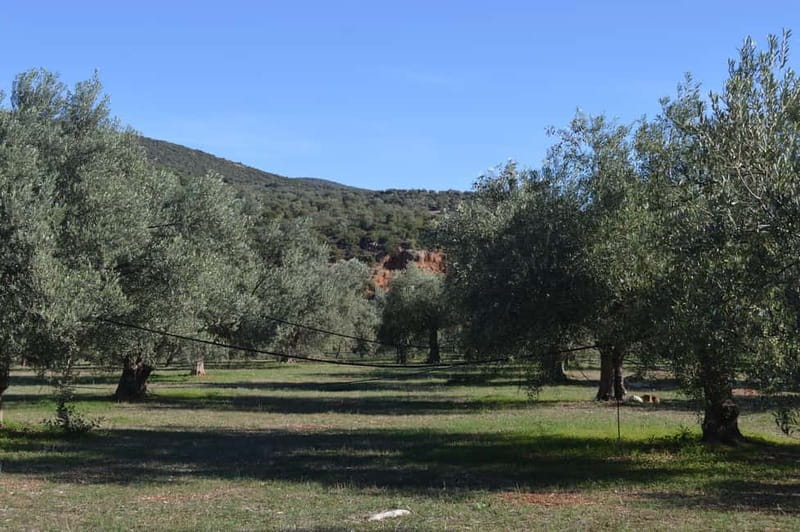
This tour is built around a working olive oil estate—THE KOTSONIS ESTATE—in the Peloponnese countryside. That changes the vibe. Instead of sitting in a room and tasting oils from somewhere else, you’re learning in the place where the work happens.
I also liked the practical, grounded tone. The experience doesn’t treat olive oil as something mysterious reserved for experts. It frames the farm as something you can understand step-by-step: cultivation, extraction, then classification, then tasting.
And yes, you’ll still come away with the romantic part—Greece’s “green gold” energy—but with real context attached.
You can also read our reviews of more tours and experiences in Greece.
Getting there: Distances that help you plan
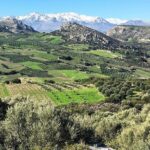
The estate is about 25 minutes from Nafplion and about 35 minutes from Ancient Mycenae. That’s useful because it lets you pair this with a broader day in the Argolid region without it swallowing your whole schedule.
Plan around the 2.5-hour experience length. Once you account for travel time to the estate, you’ll probably want this as an anchor activity rather than a quick add-on.
One more logistics thing that matters: the tour doesn’t include transportation. If you don’t have a car, you’ll want to plan your ride ahead so you’re not stressed when you arrive.
Inside the 1-hour guided tour with Mando
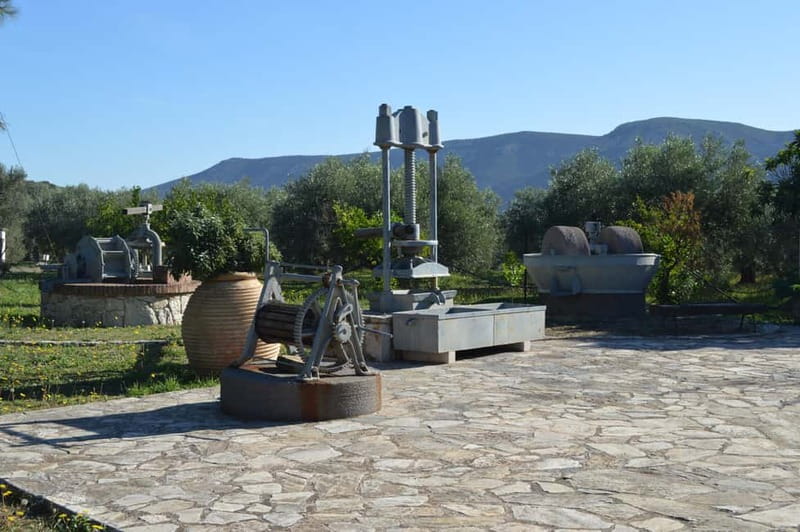
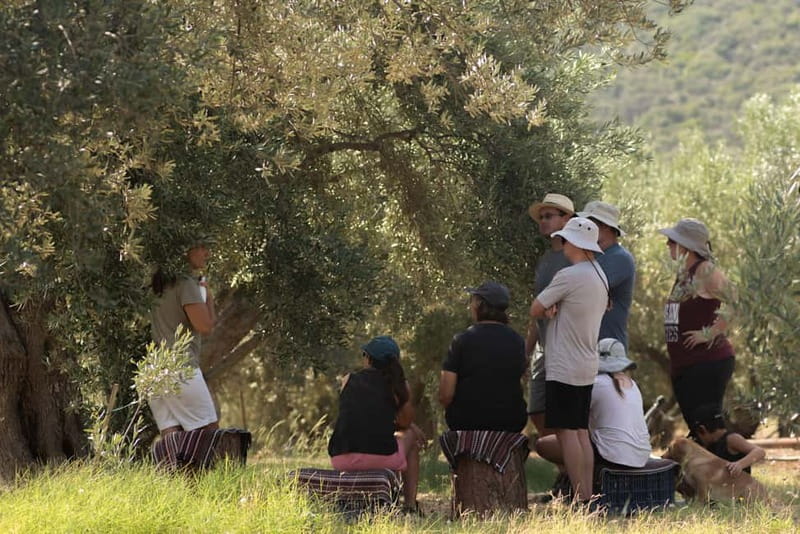
The core of the experience starts with a guided tour (about 1 hour). You’ll meet the estate’s story through the eyes of a 4th generation olive oil producer, which gives the explanation a grounded, family-history feel rather than a scripted lecture.
Mando’s role stood out in the available experience feedback, and it makes sense. When the guide shares not only what’s done but how the family thinks about it, you get a better sense of what “quality” means on that farm—especially when you’re learning how cultivation connects to the final product.
You can expect the tour to cover the key chain from tree to oil:
- cultivation basics and how the grove is managed
- how the oil is produced and extracted
- how olive oil is classified
- how the oil’s character shows up during tasting
Even if you start with minimal olive oil knowledge, the structure is friendly. It builds from the ground up, then brings you to tasting while your understanding is still fresh.
Cultivation and production: The farm-to-bottle logic that clicks
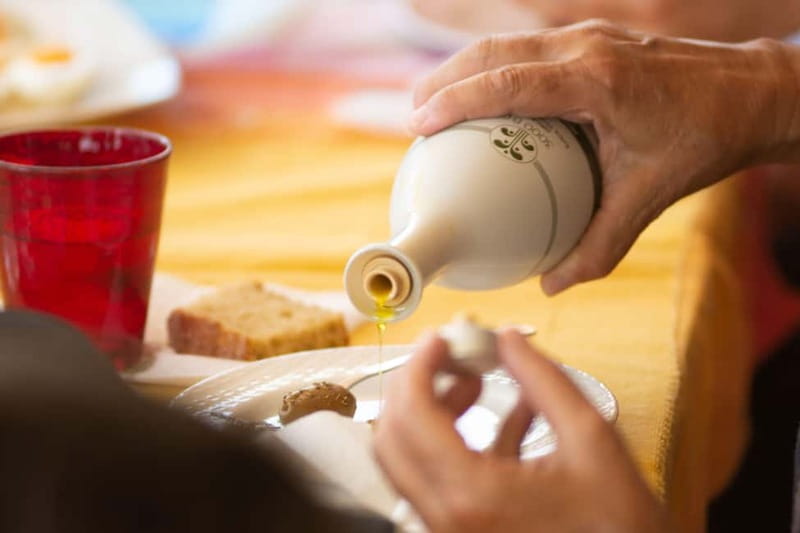
I like when food tours explain the “cause and effect.” Here, that’s exactly the point. The tour walks you through how olives are grown and how the oil is extracted, so you’re not tasting blindly.
Think of this part as your map. Once you understand the production steps and how classification works, the tasting stops being random. You start paying attention in a smarter way—like you’re looking for signals rather than just enjoying flavors.
Also, because this is an authentic olive oil estate with four generations history, the talk doesn’t feel like generic background. It’s tied to one place and one family’s approach, which makes the information feel more grounded.
Classification and why it matters when you shop
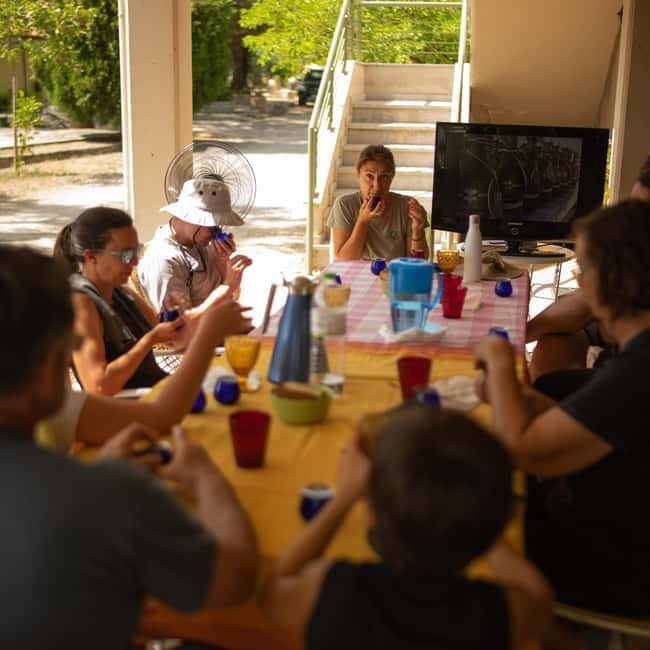
A lot of people buy olive oil with one question: is it good? This experience tackles the broader issue: olive oil can be understood and discussed through classification, and the guide introduces how that concept fits into production.
You’ll learn what classification means in the context of the estate and the oils you taste. You won’t just hear definitions—you’ll also taste multiple oils and practice recognizing what differences feel like on the palate.
That pairing matters. If you only hear talk about categories, it can stay theoretical. If you taste, you can connect the label idea to the actual sensory experience.
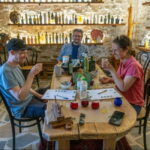

The tasting session: Learning to recognize flavors (not just “which is best”)
The tasting is one of the biggest reasons to book. You don’t just sample. You learn to recognize different characteristics of each olive oil and how to describe what you notice.
This is where the earlier tour pays off. After seeing cultivation, production, and classification, your brain has something to organize around while you taste.
Here’s how I’d approach tasting on this kind of tour:
- Start by comparing oils to each other, not to what you already use at home.
- Pay attention to overall impression first, then notice how the oils differ.
- Let the guide’s cues help you form language for what you’re tasting.
Even if you don’t consider yourself a connoisseur, the experience is designed for you to leave thinking differently. That’s exactly what the tasting is meant to do: turn a sample into understanding.
Snacking, light lunch, and cooking tips that actually transfer
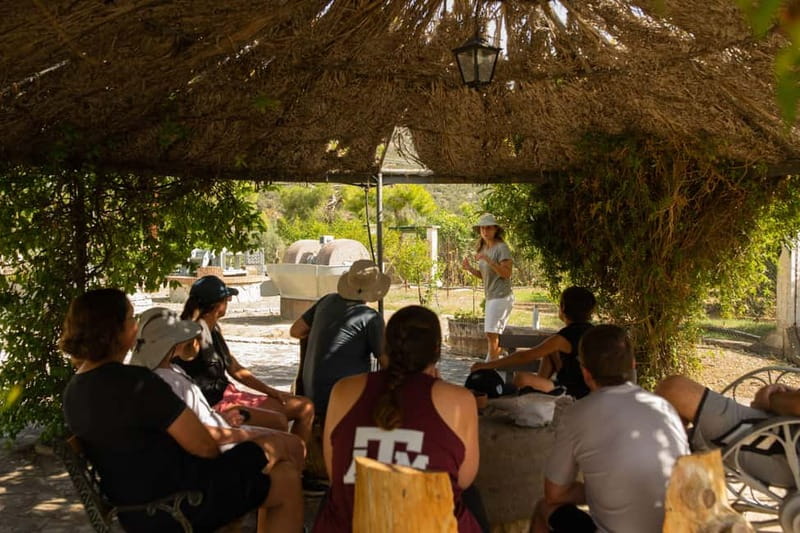
Between the tour and the tasting, you’ll also enjoy local snacks (around 0.5 hour). Since a light lunch is included, this is usually where you get a food break and a chance to slow down.
What I like about pairing tasting with snacks and meals is that it makes olive oil practical. You’re not only learning what to like; you’re learning how it shows up when food is on the plate.
The tour also includes cooking tips. I’m a fan of cooking guidance that you can use right away—simple ways to think about olive oil in everyday dishes. Even if you’re not cooking for a crowd, those tips can upgrade your regular routine.
And because the entire experience is framed as learning plus fun, the meal time doesn’t feel like an afterthought. It supports the lesson.
Health benefits: What you’ll learn (and what you should take away)

The experience includes health benefits of olive oil as part of the instruction. That means you’ll get the “why” that often gets talked about in food culture, explained in the context of what you’re tasting and learning.
I’d treat this section as information for how to think about olive oil in your diet, not as a magic cure. The useful part for travelers is learning what the guide emphasizes, so you can repeat it accurately later.
If you’re the type who likes to connect taste to wellbeing, this will fit you well. If you’re not, the tasting and the farm story still carry most of the value.
Price and value: Is $70 per person a good use of time?
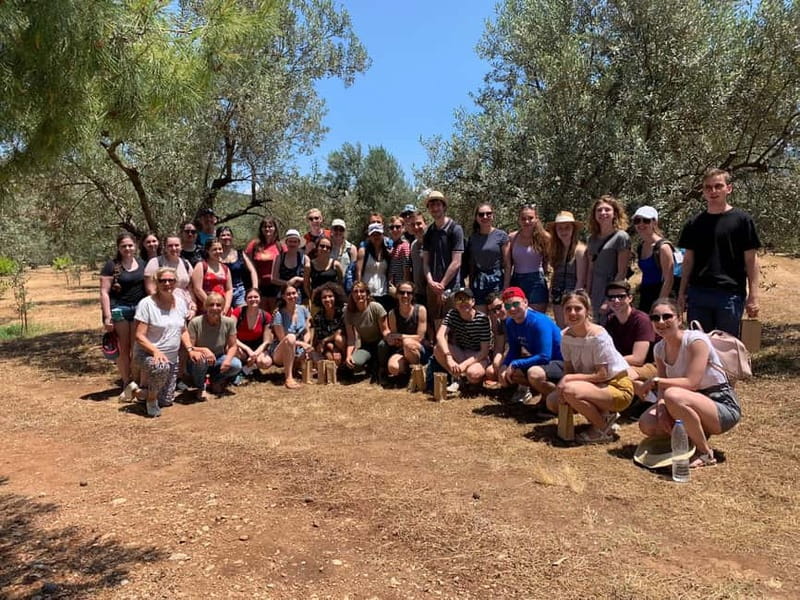
At $70 per person for a 2.5-hour estate tour, this sits in the midrange for guided food experiences. Whether it’s worth it depends on what you want out of the time.
Here’s the value equation I’d use:
- You’re paying for a guided 1-hour farm/production/classification experience.
- You get tasting plus the instruction to recognize differences.
- You receive cooking tips and light lunch/local snacks, not just a quick sample.
- The host is an English-speaking guide, live on-site.
If you’re in Nafplio, want an experience that feels authentic, and enjoy learning something you can apply (especially tasting and cooking), I think the price makes sense. If you only want the shortest possible activity, or you’re strictly budget-focused, it may feel like a splurge.
Who this tour suits best in Peloponnese
This experience is built for a wide mix: couples, families, companies, students, small groups, or bigger groups. It also explicitly works for all knowledge levels and ages, including people with none or small knowledge who want to build confidence.
So you should especially consider it if:
- you want a guided, structured olive oil education without feeling overwhelmed
- you enjoy tastings where you learn how to compare
- you like the farm-to-food link, not just food in a dining setting
- you’re pairing a visit around Nafplion and nearby Ancient Mycenae
And it’s also a good “shared interest” activity for families. Olive oil is approachable, and the guided tasting keeps it from turning into a lecture.
Practical tips before you go (so the day stays easy)
Bring comfortable shoes. Estates usually mean uneven ground and some walking.
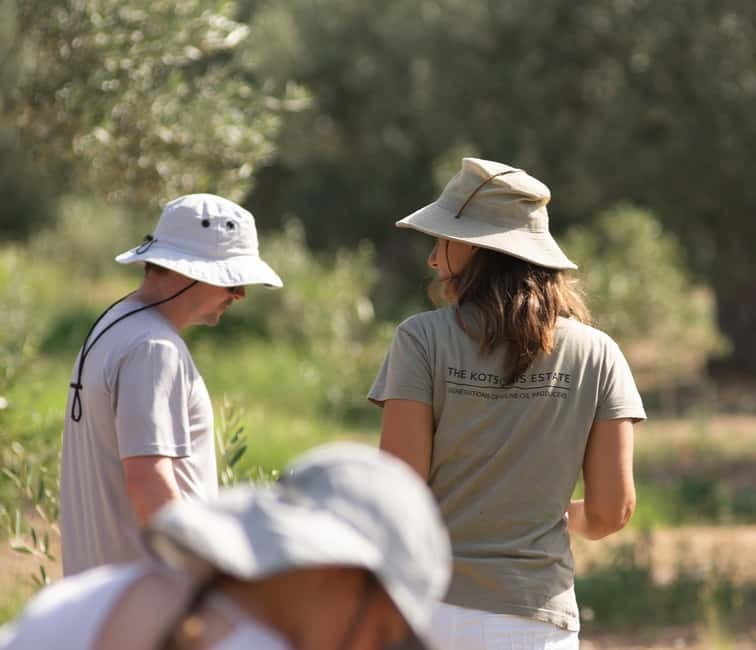
A hat is a smart idea if you’re visiting during warm months. You’ll want to stay comfortable while you move around the property.
Bring a camera because the estate setting is part of the charm. And bring cash, since it’s listed as what you may need.
Finally, plan to arrive with a calm schedule. This is not a rushed stop, and the learning works best when you’re not sprinting from one site to the next.
Should you book this olive oil estate tour?
If you want an experience that’s both educational and enjoyable—where you learn cultivation and production, then taste with guidance—this is a strong choice. I’d book it if you’ll enjoy guided explanations, want cooking tips, and value an on-site estate setting instead of a generic tasting room.
I’d think twice if transportation is your weak point, since the tour does not include getting you to the estate. If you’ve got that solved, you’re set for a memorable 2.5 hours that helps olive oil click into place, from grove to glass.
FAQ
How long is the Nafplio Olive Oil Estate Tour and Tasting?
The experience runs for about 2.5 hours.
What’s included in the tour price?
It includes the olive oil tasting, cooking tips, information about olive oil cultivation, production, and classification, health benefits of olive oil, a light lunch, and an authentic estate experience tied to four generations history.
Do I need my own transportation to the estate?
Yes. Transportation to the estate is not included.
Is the tour offered in English?
Yes, it’s a live guided tour in English.
What should I bring with me?
Wear comfortable shoes and consider bringing a hat and a camera. Cash is also listed as something to bring.
Who is the tour suitable for?
It’s suitable for all knowledge levels and ages, including people with none or limited knowledge who want to learn how to taste and understand olive oil.