
REVIEW · GREECE
Greece in a Drop: Olive Grove Walk and Olive Oil Tasting
Book on GetYourGuide →Operated by Aloades Estate · Bookable on GetYourGuide
Olive oil tastes better when you walk the trees first. At Aloades Estate in Thessaly, you get a guided olive grove walk plus an expert tasting that teaches you what you’re actually drinking. You’ll sample award-winning extra virgin olive oils and learn why they taste so different from what most shops sell.
Two things I really like: you get the “why” behind the flavor, and you get the simple, practical instruction for tasting it. The process is explained by Dimitris (and Costantino is also part of the experience), so it feels personal, not scripted. A second standout is the food pairing—local bread with tomato and feta—because it turns the tasting into a proper Greek meal moment, not just sips and stares.
One consideration: you’re looking at about a 30-minute walk on-site, so wear comfy shoes and bring a hat if the sun is strong. Also, this is a small-group format (limited to 8), so if you want a totally private experience, you might need a different style of booking.
In This Review
- Key things that make this olive oil experience worth your time
- Arriving at Aloades Estate: where the experience starts
- The 30-minute olive grove walk: what you notice beyond the view
- The tasting session: learning how aroma and flavor really work
- How Dimitris (and Costantino) turn oil facts into something you can taste
- Food pairing: bread, tomato, and feta (and why it helps)
- Price and value: is $29 for this olive oil tour a good deal?
- Who this olive oil walk and tasting is best for (and who should skip)
- The practical stuff: what to bring, and what to remember
- Should you book the olive grove walk and olive oil tasting?
- FAQ
- Is the olive oil tasting experience 90 minutes long?
- What happens during the visit?
- What food is included with the tasting?
- How many people are in the group?
- Are the tours offered in English?
- Is transportation included?
- Do I need to bring anything?
- Are pets allowed?
- Is smoking allowed?
- Is entry free for children?
Key things that make this olive oil experience worth your time
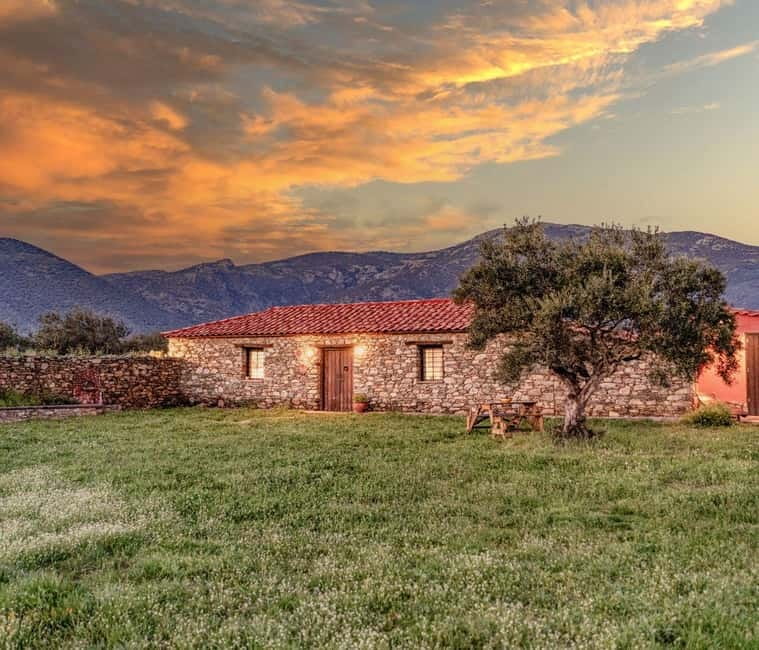
- Centuries-old trees and real estate atmosphere you can see and smell as you walk
- A guided tasting that teaches how to taste (not just which oil is best)
- Multiple extra virgin oils, ranging from delicate and fruity to bold and peppery
- Food pairing with local artisanal bread plus tomato and feta cheese
- Small group size (max 8) for a more question-friendly visit
- Sustainability talk tied directly to cultivation and harvest choices you’ll learn about
Arriving at Aloades Estate: where the experience starts
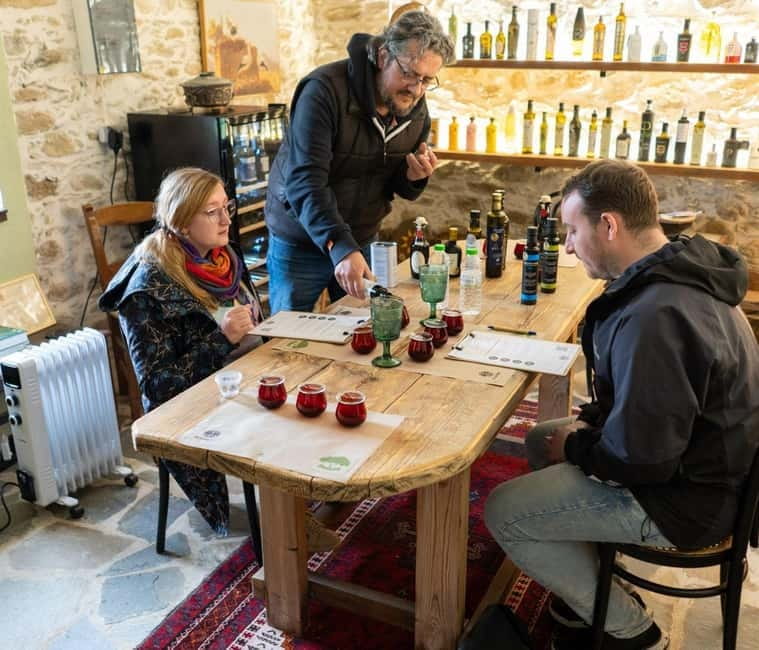
This tour begins at Aloades Estate, in the Thessaly countryside. The setting matters. You’re not learning olive oil in a classroom with posters—you’re getting it in the working rhythm of an olive property, with the trees right there and the production story woven into what you’re seeing.
You also get a clear sense of pacing. The full visit runs 90 minutes, and it’s built around two main parts: a short walk and then a longer tasting with food. That timing is a good fit if you want something meaningful but not exhausting, especially on a busy Greece itinerary.
Finally, language support is a real plus. Tours are guided in Greek and English, so you should have an easier time following the finer points of flavor, aroma, and harvest timing instead of just hearing general facts.
You can also read our reviews of more tours and experiences in Greece.
The 30-minute olive grove walk: what you notice beyond the view
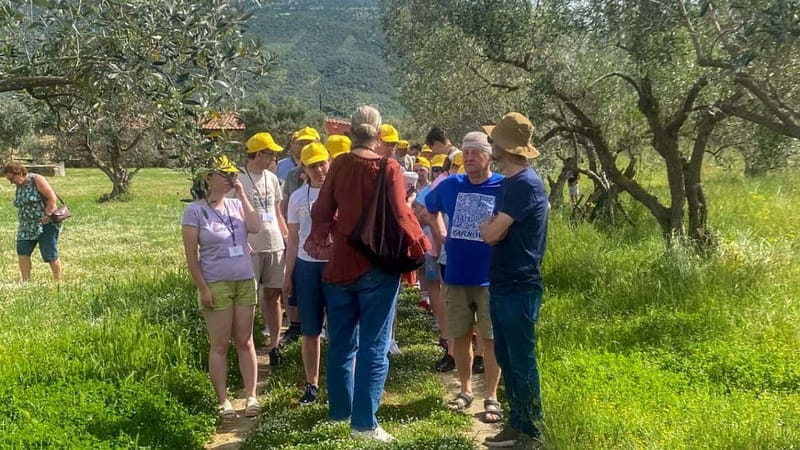
The walk itself is about 30 minutes, and it’s not just for stretching your legs. This is where the experience starts to make sense—because olive oil isn’t “one product.” It’s the result of cultivation methods, timing, and fruit character, all shaped by the grove.
I like that you’re walking among long-lived trees while the guide talks through traditional and sustainable methods for cultivating and harvesting olives. Even if you’ve never thought much about farming, you’ll probably notice how the guide connects those choices to what you’ll taste later. That’s the trick: you start building the flavor story before you ever take a sip.
Practical tip: bring comfortable shoes and consider a hat. The walk is short, but you’re outdoors. Also, the tour is not described as a high-ramp, long-stair ordeal, and it’s marked wheelchair accessible, but you’ll still want to be comfortable moving around on estate paths.
The tasting session: learning how aroma and flavor really work
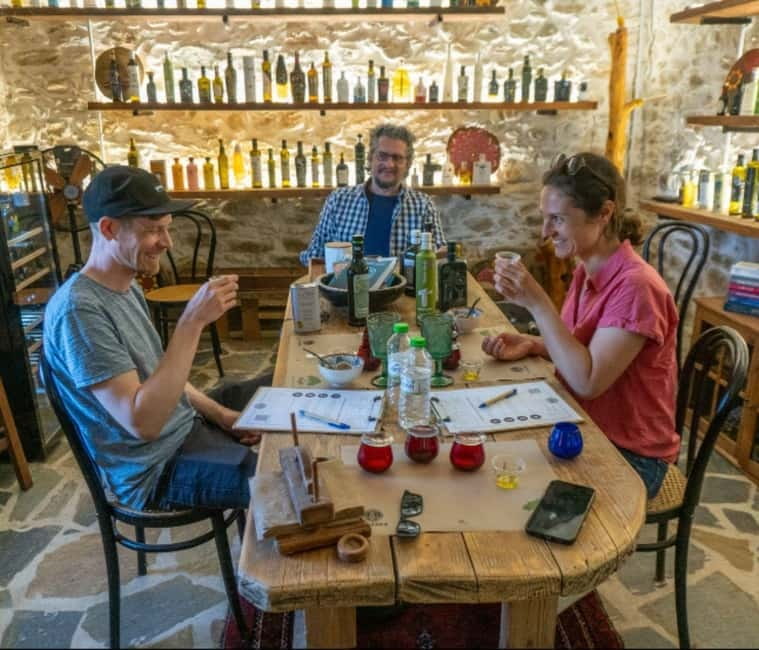
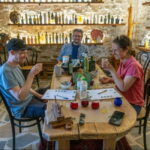
After the walk comes the heart of the experience: the olive oil tasting session, which lasts about 1 hour. This is where you’ll stop thinking of olive oil as “bottle oil” and start tasting it like a food with personality.
You’ll sample different extra virgin olive oils described as award-winning and produced in Greece and Italy. The guide introduces how to properly taste olive oil and what to pay attention to: flavor, aroma, and texture. The oils are explained in a range that can feel surprising at first—some are delicate and fruity, while others are bold and peppery.
Here’s why that tasting method is valuable for you: once you learn what signals to look for (fruitiness, bitterness, peppery finish), you can shop smarter later. You’ll be less likely to buy something that’s bland or generic just because it’s “nice” on a shelf.
Also, based on what people highlight in their experiences, the tasting seems to go beyond a token pour. You should expect a good quantity of tasting rather than just a few drops, which makes it easier to compare oils side-by-side.
How Dimitris (and Costantino) turn oil facts into something you can taste
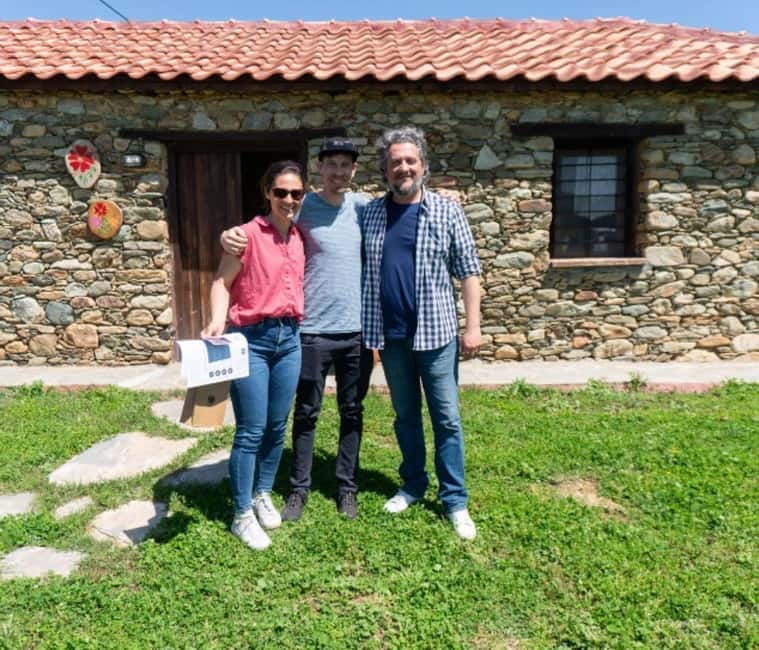
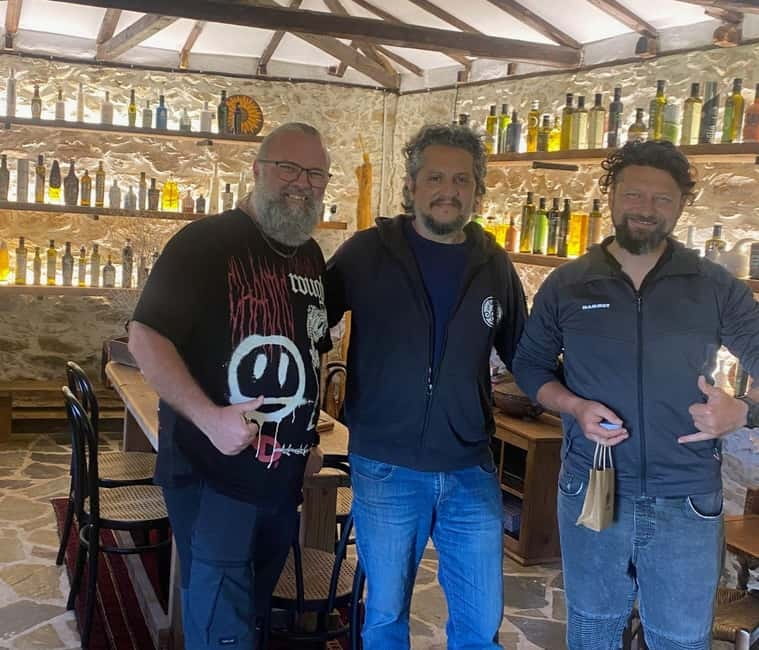
The guide approach matters here. Dimitris is mentioned as being especially friendly and generous with the story of the finca and the knowledge behind olive oil—plus there’s also Costantino involved. That kind of team teaching often means you get both the big-picture story and the detailed “how it’s done” parts.
You’ll likely hear about how olives are grown, harvested, and pressed—enough process detail that you can connect the farm to the glass. I appreciate this style because it respects your time: you’re not getting trivia. You’re getting the specific steps that influence taste.
If you’re a total beginner, don’t worry. The experience is set up to bring you into the tasting with guidance on how to do it. If you already know a bit, you’ll still get something useful: the comparison between oils, and the explanation of how harvest timing and variety can shift the sensory profile.
Food pairing: bread, tomato, and feta (and why it helps)
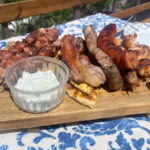
The tasting isn’t solo sipping. Your oils are paired with local artisanal bread and tomato and feta cheese. That matters because olive oil is rarely eaten alone in real Greek meals, and the pairing helps you understand oil’s role as part of a flavor system.
Bread gives you a neutral base and helps you notice how the oil’s bitterness or pepperiness shows up. Tomato adds acidity and freshness, which can make an oil’s fruitiness feel brighter. Feta, with its salty tang, makes oils with a more intense profile stand out differently than milder ones.
This is also where you get a more “sit and learn” vibe rather than a rushed food-and-go stop. The visit is designed so the tasting feels like a real small-course experience.

Price and value: is $29 for this olive oil tour a good deal?
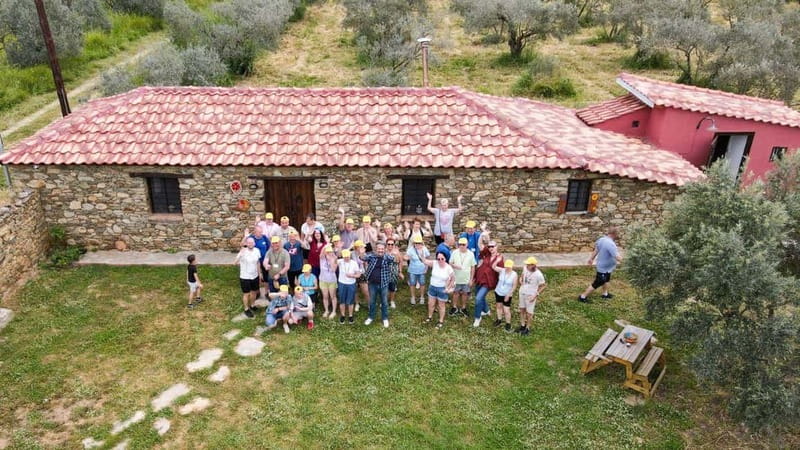
At $29 per person, this is positioned as an accessible, food-focused activity rather than a high-end tasting-only event. The value mostly comes from three things:
- You get guided instruction: not just samples, but teaching you how to taste and what affects flavor.
- You get multiple oils: you’re not limited to one product, so you can actually compare.
- You get a pairing meal: bread plus tomato and feta turns it into something more filling than a quick bite.
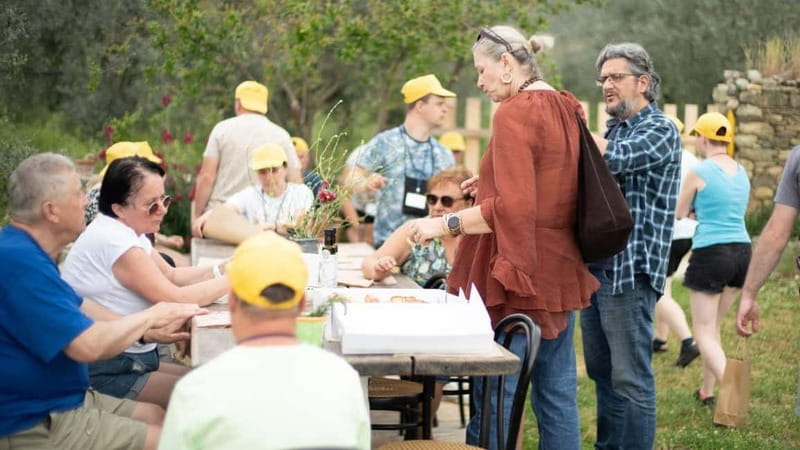
Also, the small group limit (8 participants) helps with value. Smaller groups usually mean you can ask follow-up questions about farming practices or tasting technique, instead of listening to a lecture while trying to catch the guide’s attention.
The main “cost” you’ll pay is time on-site—90 minutes—and the walk portion. If your schedule is tight and you hate walking, it may feel like more effort than you want. But if you’re open to a short stroll and a guided sensory lesson, this price feels fair.
Who this olive oil walk and tasting is best for (and who should skip)
This fits well if you’re traveling for flavor and you want a hands-on understanding of Greek food traditions. It’s especially good for:
- Food lovers who want to learn what makes extra virgin olive oil taste different
- Beginners who want a guided “how to taste” introduction
- Gastronomy travelers who appreciate local farms and real production stories
It may not be the best match if:
- You’re trying to squeeze in a super quick stop and can’t spare the 90 minutes
- You don’t want any outdoor walking, even if it’s only 30 minutes
- You want a fully private tour experience (this one is designed as small group)
It also supports families a bit. Entry is free for children below 8 years old, which can make planning easier if you’re traveling with younger kids. Still, bring the same common-sense comfort items (shoes and hat) that you’d bring for any countryside walk.
The practical stuff: what to bring, and what to remember
Keep it simple. Bring comfortable shoes for the walk and a hat if you’re visiting during warmer daylight hours. The experience is outdoors plus an indoor tasting space, and you’ll want to feel comfortable moving between both.
A few rules are clear:
- Pets are not allowed
- Smoking is not allowed, including indoors
- You’ll want to plan for the fact that transportation to and from the estate isn’t included, so you’ll need your own way to reach the starting point
One nice planning note: the tour is wheelchair accessible, which means the operator anticipates guest mobility needs. If you use a wheelchair, it’s still worth arriving with enough buffer time so you can move comfortably at the pace of the group.
Should you book the olive grove walk and olive oil tasting?
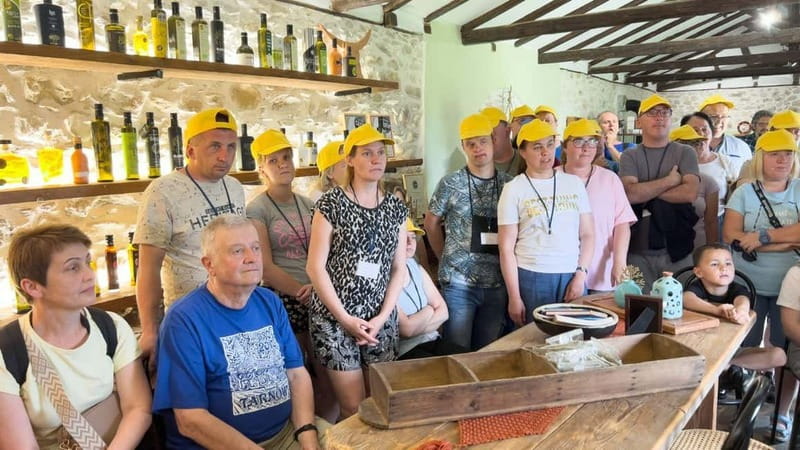
If you want an authentic olive oil experience in Greece that goes beyond tasting and actually teaches you what you’re tasting, yes, book it. The combination of a short walk through the grove, guided context about cultivation and harvesting, and a structured tasting with food pairing makes this feel like a real learning experience rather than a marketing stop.
Book it if:
- You care about how flavor happens, not just what tastes good
- You want to compare multiple extra virgin oils and learn the differences
- You’d enjoy asking questions in a small group
Skip or look elsewhere if:
- You can’t handle the outdoor walk portion
- You’re only interested in a very quick sample and don’t want a guided lesson
FAQ
Is the olive oil tasting experience 90 minutes long?
Yes. The total experience duration is 90 minutes, including the walk and the tasting.
What happens during the visit?
You start at Aloades Estate, take a walk (about 30 minutes), and then do a food and olive oil tasting session (about 1 hour) before returning to Aloades Estate.
What food is included with the tasting?
The tasting is paired with local artisanal bread, tomato, and feta cheese.
How many people are in the group?
The tour is a small group limited to 8 participants.
Are the tours offered in English?
Yes. The live tour guide speaks Greek and English.
Is transportation included?
No. Transportation to and from the estate is not included.
Do I need to bring anything?
You should wear comfortable shoes and bring a hat.
Are pets allowed?
No. Pets are not allowed on the estate.
Is smoking allowed?
No. Smoking is not allowed, including indoors.
Is entry free for children?
Children below 8 years old have free entry.