REVIEW · GREECE
Extra Virgin Olive Oil Experience with Wine & Herbs
Book on GetYourGuide →Operated by CRU BEE-HAVING Wine & Olive OIl Tastings · Bookable on GetYourGuide
Olive oil can be simple—or seriously complex. This short Central Greece tasting turns that bottle into flavor, health, and even cosmetic know-how, with a calm, hands-on session led by Anton. I like that it focuses on real quality criteria instead of just getting you to like the taste. I also like that the pairing part is practical, so you can actually use what you learn back in your kitchen.
I especially enjoyed how the oils were treated like ingredients, not souvenirs. You’ll try multiple extra virgin olive oils and learn how to evaluate them by how they smell and how they feel on your tongue. Anton keeps the vibe friendly and unhurried, which helps you ask questions without feeling rushed.
One drawback to consider: this is an adults-only tasting class (no kids under 16), and it’s a tight 40 minutes—so if you’re hoping for a long, slow food chat, you may want to plan a separate meal afterward.
In This Review
- Key highlights that make this class worth your time
- Olive Oil Tasting in Central Greece: Why This Session Feels Different
- Meeting Anton and Getting Oriented Fast
- The 40-Minute Itinerary: What You Actually Do
- Start with the oils: sampling, then evaluation
- Learn olive oil types and styles (with Greek context)
- Pair it: herbs, spices, cheese, bread, and wine
- How to Taste Extra Virgin Olive Oil Like You Mean It
- Olive Oil Regions and Styles: The Practical Part of the Story
- Pairing Olive Oil with Herbs, Spices, Cheese, and Wine
- Price and Value: Is $23 Worth 40 Minutes?
- Who Should Book This Olive Oil and Wine Class?
- Quick Check: Logistics That Matter on Day-of
- Should You Book It?
- FAQ
- How long is the extra virgin olive oil experience?
- How much does it cost?
- What’s included in the tasting?
- How big is the group?
- Is the experience offered in English?
- Where do I meet the guide?
Key highlights that make this class worth your time
- Anton’s guided tasting with clear pointers on aroma, mouthfeel, and what separates good oil from average
- Four extra virgin olive oils presented with the context of styles and olive regions in Greece
- Herbs and spice pairings that help you understand what extra virgin olive oil is doing on your palate
- Food pairing skills (cheese, bread, and a glass of wine) you can repeat at home
- Health and cosmetic uses explained as part of the story, not as a sales pitch
- Small-group size (max 10) for a more personal pace and easier Q&A
Olive Oil Tasting in Central Greece: Why This Session Feels Different
Extra virgin olive oil has a reputation for being “healthy,” but that’s not the whole point. What I like about this experience is that it treats olive oil like a food with a personality: it has aromas, textures, and flavors that can go from grassy to peppery to buttery depending on what’s in the glass.
This class is short—just 40 minutes—yet it covers more ground than most tastings. You learn how to taste and evaluate extra virgin olive oil properly, then connect that with how oil styles and Greek growing regions can influence flavor. It’s a smart way to get traction fast, especially if you’re in Greece for a limited number of days.
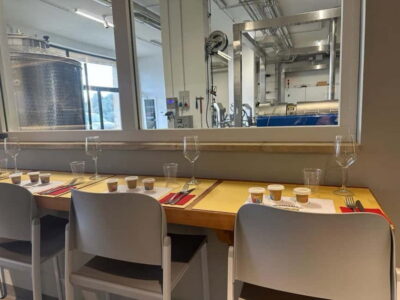
The setting also matters. Several people mention Anton’s studio-style setup, which feels rustic and personal rather than like a factory tour. That matters because oil tasting is sensory work. When the environment is calm, you notice more.
You can also read our reviews of more tours and experiences in Greece.
Meeting Anton and Getting Oriented Fast
The experience meets at the Wine & Olive Oil Bar with the Black Cat Poster. It’s a simple target, which helps when you’re walking around with a phone map.
Inside, you’re in a small group limited to 10 participants, taught in English. That small size is more than a comfort perk. It makes it easier to stop and ask practical questions as you taste—like why one oil triggers throat warmth while another feels milder, or what you should look for when buying a bottle.
Anton is the key difference-maker. In the feedback I read, people consistently describe him as professional but warm, and serious about the craft without making the session feel stiff. He also gives recommendations for where to eat next, which is useful if you want to turn the tasting into a real Greece food plan.
The 40-Minute Itinerary: What You Actually Do
This is not a long lecture. It’s structured like a guided tasting with short bursts of context.
Start with the oils: sampling, then evaluation
You’ll taste four extra virgin olive oils as part of the main experience. The “how” matters just as much as the “what.” You’ll learn a tasting method focused on quality criteria—things you can notice with your nose and tongue, not just with your taste buds.
From what you’re told to do, you can expect a rhythm like:
- smell first (aroma tells you a lot),
- then taste,
- then re-evaluate as you compare oils side by side.
That comparison step is the secret sauce. Olive oil is one of those foods where your brain needs reference points. Seeing how flavors change across oils helps you build a real preference instead of guessing.
Learn olive oil types and styles (with Greek context)
You’re also taught about olive oil categories and olive regions in Greece. Even if you’ve heard basic terms, the value here is in making them feel understandable. Greek regional context turns “extra virgin” from a label into a clue about how olives were grown and processed.
You’ll also cover how olive oil in general behaves like fruit juice—because it is essentially pressed fruit. That idea helps explain why oils can have freshness-like character rather than tasting flat.


Pair it: herbs, spices, cheese, bread, and wine
After the evaluation basics, the class shifts to pairing. You’ll try oils alongside mountain organic herbs and common spices, plus bread and a glass of wine.
This is one of the most practical parts for me. Pairing isn’t just about adding flavor. It shows you how oil’s bitterness, peppery notes, and aromas interact with other tastes and textures. Once you see those match-ups, you’re less likely to treat olive oil like a one-size seasoning.
The experience also points you toward food uses beyond savory cooking, and it even mentions cosmetic benefits. In other words, it’s connecting oil to daily life, not keeping it trapped in a tasting room.
How to Taste Extra Virgin Olive Oil Like You Mean It
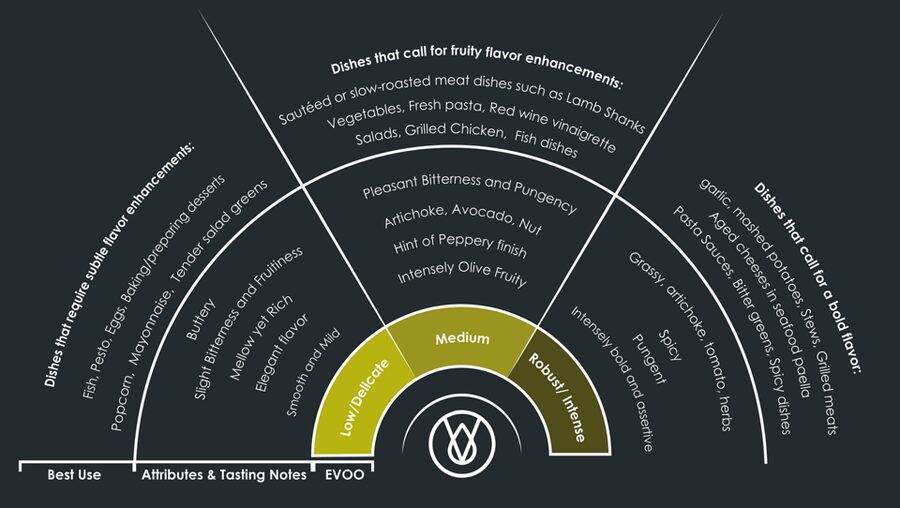
Most people taste olive oil the way they taste cooking oil—quick swallow, move on. This class teaches a better approach, and it changes what you notice.
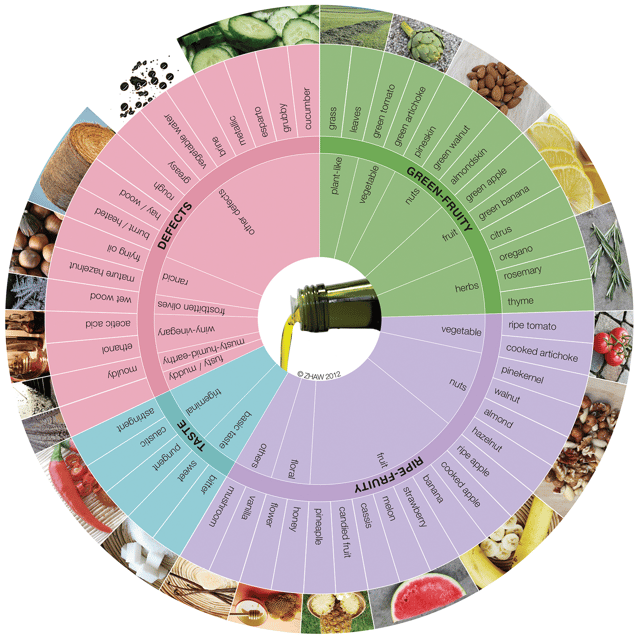
Here are the quality-focused cues you’re likely to be taught to check:
- Aroma intensity and character: Does it smell fresh and lively, or muted?
- Texture and mouthfeel: Does it coat the mouth smoothly or feel sharp and thin?
- Peppery finish: Some oils show a gentle throat warmth; that can be a sign of character, not a flaw.
- Bitterness balance: A controlled bitterness often signals freshness and strong olive identity.
The goal isn’t to memorize jargon. It’s to train your senses so you can tell when an oil is worth putting on bread, finishing pasta, or drizzling over salads.
And yes, it’s fun. Tasting is one of the easiest ways to make food education stick, because you’re constantly comparing. Anton’s guidance helps you avoid the common trap of naming the flavor without understanding what you’re reacting to.
Olive Oil Regions and Styles: The Practical Part of the Story
Learning about olive regions can sound like trivia. But here, it helps you shop smarter.
The class covers categories of olive oil and olive regions in Greece, and that matters because olive oil isn’t one flavor. Regions and production choices can shift:
- the strength of the fruit character,
- the bitterness level,
- the peppery notes,
- and how the oil behaves with food.
When you understand the idea of styles, the label becomes less confusing. Instead of thinking extra virgin equals one taste, you start expecting differences. That makes buying easier, because you can match an oil to a use—table oil for bread versus an oil that’s better for cooking, or a stronger oil that can handle herbs and bold cheeses.
Pairing Olive Oil with Herbs, Spices, Cheese, and Wine
One of my favorite parts of this kind of class is when the instructor stops talking and lets the food do the talking.
Here, you get pairing with:
- mountain organic herbs,
- common spices,
- cheese,
- bread,
- and a glass of wine.
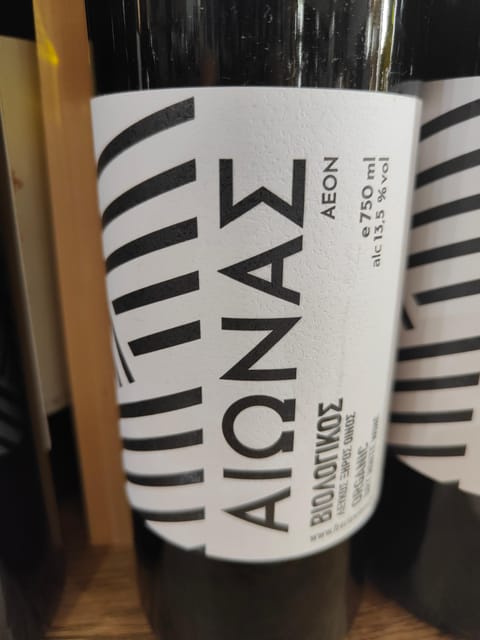
Why this works: olive oil can amplify or soften other flavors. Strong extra virgin oil can stand up to herbs and spices that would overpower a neutral oil. With cheese, you get a quick education on richness versus acidity versus bitterness balance. Bread is the perfect baseline, because it strips away distractions.
Wine is also a smart pairing tool. You learn how oil’s flavor notes can align or clash with the wine’s character, which is exactly what you’ll want to remember for dinner plans.
And the class doesn’t pretend olive oil is only for savory dishes. It mentions unusual pairing ideas like dessert options such as ice cream. That kind of suggestion is useful even if you skip the sweet tasting, because it broadens your “what can I do with oil” thinking.
Price and Value: Is $23 Worth 40 Minutes?
At $23 per person for a 40-minute small-group class, this is priced like a true experience, not a museum ticket.
Where the value comes from:
- Small group (up to 10): you’re more likely to get personal answers while tasting.
- Four oils are part of the program, so you’re not just sampling one bottle and leaving.
- You get pairing material—bread, cheese, spices and herbs, and wine—so you learn oil in context.
- Anton’s focus on quality criteria helps you make better purchase decisions afterward.
If you’re the type who wants one memorable food skill before moving on to the next stop, this fits well. It’s also a good use of a short window in your schedule, because it doesn’t eat a whole day.
Who Should Book This Olive Oil and Wine Class?
This works best if you want practical food knowledge and you enjoy sensory learning.
You’ll probably like it if:
- You’re a foodie or you like learning how ingredients are made and judged.
- You want to buy olive oil and actually understand what you’re paying for.
- You enjoy tasting formats more than long tours.
- You want a smaller, calmer activity rather than a big group event.
It’s not for you if:
- You want a long, sit-down meal experience (this is intentionally short).
- You’re traveling with kids under 16, since it’s not suitable for them.
- You need accessibility features not listed here, since the data only specifies age restrictions (not mobility details).
Quick Check: Logistics That Matter on Day-of
Duration is 40 minutes, taught in English, with a small group capped at 10 people. The instructor is listed as English-speaking, and the session is designed to be compact—plan to arrive a few minutes early so you can settle in.
You’ll meet at the Wine & Olive Oil Bar with the Black Cat Poster, which is a straightforward landmark. From there, the tasting and evaluation flow should feel easy to follow, because the experience is structured around the oils and comparisons.
Should You Book It?
I’d book this if you want a fast, hands-on olive oil education that leads to better buying and better cooking habits. The standout element is the focus on how to taste and evaluate extra virgin olive oil, guided by Anton in an intimate setting. Add the herbs, spices, cheese, bread, and wine, and you get a real flavor education instead of a quick sip-and-smile stop.
Skip it if you only want a light snack and zero structure. This is still relaxed, but it’s guided tasting with specific goals—quality criteria, styles, and pairing.
If you can fit 40 minutes in your schedule, this is a solid choice for your Greece food plan.
FAQ
How long is the extra virgin olive oil experience?
It lasts 40 minutes.
How much does it cost?
The price is $23 per person.
What’s included in the tasting?
The class includes four extra virgin olive oils, mountain organic herbs, common spices, bread, a glass of wine, plus tasting and pairing instruction.
How big is the group?
It’s a small group with a maximum of 10 participants.
Is the experience offered in English?
Yes, the instructor and language are listed as English.
Where do I meet the guide?
Find the Wine & Olive Oil Bar with the Black Cat Poster and come in.