REVIEW · KALAMATA
The Olive Tree Year: Walk, Olives & Tasting in Kalamata
Book on GetYourGuide →Operated by Irina Pliaka · Bookable on GetYourGuide
One walk turns olives into a story you can taste. On a family farm near Kalamata, I love the hands-on jar of traditional olives and the chance to taste olive oil you can actually connect to the trees outside your feet; just note it’s a countryside visit, so comfortable walking shoes matter.
With George and Eirini guiding a small group (max 6), you get that friendly, no-rush rural pace. You’ll also leave with a clearer view of the olive tree cycle—when to harvest, why timing matters, and how table olives and olive oil are different.
In This Review
- Key points worth your time
- Entering the olive world near Kalamata (and why it feels real)
- Two seasonal versions: walking the circle vs picking and pressing
- January–September: olive grove walk and homemade olives
- October–December: harvest participation and the olive mill visit
- Getting there from Kalamata: transfers that keep you in the flow
- Grove walk: learning the tree by moving through it
- Hands-on jar making (Jan–Sep): your traditional olives, up close
- Olive oil tasting and lunch: how to make sense of flavors
- Harvest season version: picking olives and seeing why timing matters
- The olive mill visit: from olives to extra virgin oil
- Price and value: why $104 can make sense for a short day
- Who this tour is best for (and who might want to skip)
- Practical details so your day stays smooth
- Should you book The Olive Tree Year in Kalamata?
- FAQ
- How long is the Olive Tree Year experience near Kalamata?
- What price should I expect per person?
- Is it a small group?
- What languages are the guides?
- Where are pickup and drop-off arranged?
- What’s included in the experience?
- What are the seasonal differences?
- What should I wear or bring?
- What is not included, and are there buying options?
Key points worth your time
- Family-run farm near Kalamata with a multi-generational olive operation
- Small group of up to 6, built for questions and real conversation
- Season-based version: grove walk + homemade olives (Jan–Sep) or harvest + mill visit (Oct–Dec)
- Hands-on olive making using old-style preservation methods and local spices (Jan–Sep)
- Olive oil tasting tied to what’s happening in the groves during the season
- Traditional lunch with local products eaten outdoors in a relaxed setting
Entering the olive world near Kalamata (and why it feels real)
This is one of those experiences where olives stop being a generic supermarket product and start behaving like the plant they really are: a living tree with a year-long routine. You’re not rushed through a scripted show. Instead, you’re led along the farm’s own rhythm—what the trees are doing, what the humans are doing, and how the flavors change as the season changes.
I like that the hosts keep the focus on daily life in the countryside. You’ll pass through olive groves, talk about how olives fit Greek culture and everyday habits, and then sit down for a lunch that uses what the farm world produces. It’s practical education, not a lecture. If you enjoy hands-on activities, you’ll get your minutes of work in (especially during harvest season).
You can also read our reviews of more tours and experiences in Kalamata.
Two seasonal versions: walking the circle vs picking and pressing
The olive year runs on two different tracks, and the experience changes to match what’s happening outdoors.
January–September: olive grove walk and homemade olives
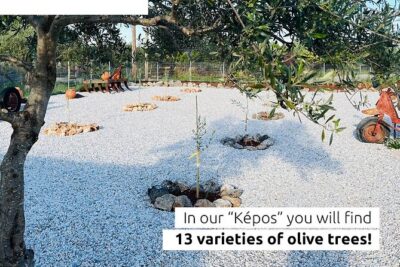
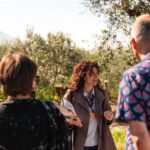
Outside harvest season, the experience leans toward understanding the olive tree life cycle and how olive oil production fits into that calendar. You’ll walk through the groves and learn how the olive tree grows, blooms, and produces fruit over the year. The goal here is understanding the whole “olive tree circle,” not just one photo moment.
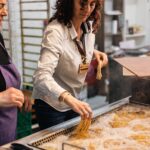
The hands-on part is making your own jar of traditional Greek olives. You’ll use preservation methods that are old-style, plus natural ingredients and local spices—things that connect the process to what families did before everything became packaged and standardized.
Then you finish with a relaxed meal and olive oil tasting, where you can compare different types of olive oil and connect them back to the trees and the timing you just learned about.
October–December: harvest participation and the olive mill visit
When the harvest season is on, the tour shifts from explaining to doing. You’ll participate in traditional olive picking inside the olive groves, learn why timing matters, and see how quality olive oil is produced after the fruit is collected.
After harvesting, the experience continues at a local olive mill. That’s where you get to see the full production process, from fresh olives to extra virgin olive oil. It’s still not a factory-style tour—expect a slow, local explanation that links each step to the bigger goal: good oil quality.
You end with the same style of traditional outdoor lunch and olive oil tasting, again tied to what the season has produced.
Getting there from Kalamata: transfers that keep you in the flow
You’ll get transfer from Kalamata and back, which is a big deal if you want to spend your time walking and tasting instead of coordinating rides. Pickup depends on where you’re staying or which part of Messinia you’re coming from, with options that include a central Kalamata meeting point (outside the supermarket Mourgis) or another meet-up spot in Messini, and pickup at your accommodation if you’re inside Kalamata.
This matters because the olive farm is in the countryside. You’re investing those three hours in the experience itself, not in logistics.
Grove walk: learning the tree by moving through it
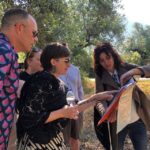
The grove walk is the heart of the tour in the quieter season (and still part of the day in harvest season). You’re guided through the groves while learning the practical side of olive growing—how the tree behaves through the year and how people respond to that timing.
What I find useful here is the way the information connects to your senses. You’re not just hearing about blooms or fruit. You’re standing near the trees and then relating what you see to what’s next in the season. By the time you reach the hands-on part, you understand why it’s done that way.
Small-group format helps a lot. With limited participants, George and Eirini can answer questions without rushing you, and that makes the walk feel like a conversation rather than a group march.
Hands-on jar making (Jan–Sep): your traditional olives, up close
In the January to September version, you’ll make a jar of traditional Greek olives. This is the part I’d pick even if I wasn’t an olive fan already, because you get a direct feel for preservation and flavor-building.
You’ll follow old-style methods and use natural ingredients and local spices. The key word in your head should be patience: the process is more about careful preservation than speed. You also get to compare your understanding after tasting later, because you’ll see how choices in preservation and flavoring show up on the table.
Also, this hands-on step makes the day feel earned. You’re not just eating the product; you’re participating in a small piece of it.
Olive oil tasting and lunch: how to make sense of flavors
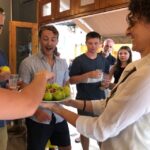
The experience finishes with a traditional lunch using local products and olive oil tasting. Based on the menus served, you can expect a spread that may include things like cheeses, olives, bread, salad, and meat options—plus local specialties such as dakos in some seasons or setups.
Here’s how to get the most from the tasting: don’t treat it like a quick sip-and-smile. Taste slowly and connect it to what you learned about the season and production steps. If you’re offered more than one oil type, ask questions. The hosts are set up for conversation, and you’ll usually get clear, practical explanations about what you’re tasting and why.
You’ll also eat outdoors in a natural setting, which changes the feel of the meal. Food tastes better when you can smell the trees and hear the farm sounds around you. Even if you only come with curiosity, you’ll leave with a more grounded sense of what makes a good olive oil.
Harvest season version: picking olives and seeing why timing matters
If you visit during October to December, plan for more hands-on energy. You’ll join the traditional olive picking process in the groves and learn why timing matters for quality olive oil.
This part is fun in a physical, real way. You’re doing work that resembles what local families do during harvest, not a staged activity designed for photos. And because the day doesn’t end at picking, you get the payoff: you follow the fruit through the mill process afterward, from olives to extra virgin olive oil.
One practical tip: wear shoes you trust. The tour has a clear rule against high-heeled footwear, and you’ll be moving around in the countryside. Go for grip and comfort.
The olive mill visit: from olives to extra virgin oil
In the harvest-season track, you’ll also visit an olive mill to see how production turns into finished extra virgin olive oil. This visit helps you connect the earlier lessons—harvest timing, quality, and careful steps—to the outcome in your glass.
I like that it doesn’t feel like a hard-sell factory walkthrough. The experience is described as slow and authentic, and the point is understanding the production process enough to appreciate why it affects the final taste.
Price and value: why $104 can make sense for a short day
At $104 per person for about three hours, the price looks modest compared with many half-day tours—especially because your day includes more than a scenic walk.
You’re getting:
- a guided experience in a family countryside olive setting
- small-group attention (up to 6 participants)
- included olive activity (homemade jar in Jan–Sep, olive picking and mill visit in Oct–Dec)
- transfer to and from Kalamata
- a traditional lunch plus olive oil tasting
If you’re the type who likes to learn by doing—jar making, picking olives, tasting with context—this becomes good value fast. You’re paying for access, time, and genuine local production connections, not just scenery.
If you want a purely passive, minimal-effort outing, you might find the hands-on parts more work than you expected. But the whole design is built around participation.
Who this tour is best for (and who might want to skip)
This is a strong match if you:
- love food experiences with a real process behind them
- want a small-group day near Kalamata that feels local
- enjoy countryside walking and hands-on activities
- want to understand the olive tree cycle, not just eat olives
You might want to choose another option if:
- you prefer city-only plans with no farm walking
- you dislike manual tasks even when they’re light and guided
Practical details so your day stays smooth
A few farm rules are part of the experience. You’ll want to avoid high-heeled shoes and keep things clean and respectful (for example, no littering). You’ll also want to avoid anything that could be unsafe around working areas, like fire-making.
Dress simply for movement. And keep the group pace in mind: this is a slow, authentic experience. It’s meant for conversation, questions, and a relaxed countryside lunch—so show up ready to take your time.
Also note: buying local products isn’t included. If you want olive oil, jar items, or other farm goods to take home, you’ll likely be able to purchase them separately.
Should you book The Olive Tree Year in Kalamata?
I’d book it if you want a Kalamata olive experience that connects trees, people, and flavor. The combination of small-group hosting, practical olive education, and included lunch with olive oil tasting makes it feel like you’re getting more than a typical tour stop.
Choose the version based on what you want most:
- Go Jan–Sep if you want the story of the olive year plus hands-on homemade jar making.
- Go Oct–Dec if you want harvest picking, then the mill process behind extra virgin olive oil.
If you’re even mildly curious about olives, this is exactly the kind of farm day that turns curiosity into real understanding—without pretending it’s a theme park.
FAQ
How long is the Olive Tree Year experience near Kalamata?
It lasts about 3 hours.
What price should I expect per person?
The price is $104 per person.
Is it a small group?
Yes. It’s limited to a small group of up to 6 participants.
What languages are the guides?
The tour is guided in English and Greek.
Where are pickup and drop-off arranged?
Transfers include pickup and drop-off linked to where you are in the Messinia region. Options mentioned include a meeting point near Kalamata outside the supermarket Mourgis, another meeting point at Lidl in Messini for some areas, and pickup at your accommodation if you’re staying within Kalamata.
What’s included in the experience?
Depending on the season, you get a guided walk in the groves, olive activity (homemade jar making or harvest participation), a traditional lunch with local products, olive oil tasting, and transfers from and back to Kalamata. In the harvest season, you also visit an olive mill.
What are the seasonal differences?
From January to September, the focus is on understanding the olive tree life cycle and making a traditional jar of olives, followed by lunch and oil tasting. From October to December, you participate in olive harvesting, then continue to an olive mill visit, finishing with lunch and oil tasting.
What should I wear or bring?
You should wear shoes suitable for walking in the countryside. High heels are not allowed. You should also follow farm rules about cleanliness and behavior.
What is not included, and are there buying options?
Buying local products is not included in the tour price, so any take-home purchases would be separate.