REVIEW · KALAMATA
Kalamata: Food tour and Olive Oil Tasting with Light Lunch
Book on GetYourGuide →Operated by Mamas flavours · Bookable on GetYourGuide
Kalamata tastes like a love letter to olives. This private 4-hour crawl is built around extra virgin olive oil tasting and hands-on stops in small family shops, so you’re not just eating, you’re learning how the local pantry works. Two things I really like: you’ll sample more than 20 Messinian and Greek delicacies across multiple stops, and the tour ends with a light lunch that still feels genuinely local, not touristy.
One consideration: depending on whether you go in the morning or afternoon, the order of visits can shift because one traditional workshop is only open in the mornings.
You meet Maria in the center, then you walk through the old lanes at an easy pace. You’ll smell herbs and spices, taste spoon sweets and raisin-type sweetness, sip Greek coffee prepared by local roasters, and fit in short wine and olive oil tastings along the way. It’s a tight route for a short stay, and it’s designed to be adaptable to your tastes, not locked into a robot script. Just wear comfortable shoes, because “light stroll” still means walking between 6 local shops.
In This Review
- Key highlights you should know before you go
- Entering Kalamata Food Mode with Maria (Vasileos Georgiou Square)
- Part 2: The hidden traditional workshop and why olive oil is the star
- Part 3: Spoon sweets, Korinthian raisins, and spice-scented shops
- Part 4: Greek coffee tasting with Panagiotis or Giorgos
- Part 5: A short wine lesson with Mr. Giannis and local grape flavors
- Part 6: The olive oil tasting by a certified connoisseur
- Part 7: Light lunch at an ouzo tavern, with Messinian flavor you won’t forget
- What the 4-hour private format is really buying you
- Who this tour suits best in real life
- Price, pacing, and timing tips that keep the day smooth
- Final call: should you book Kalamata’s olive oil and food tour?
- FAQ
- Where is the meeting point?
- How long is the food tour?
- What’s included in the price?
- Is the traditional workshop part always available?
- What happens if my tour is on Monday, Wednesday, or Saturday afternoon?
- What time does the tour start?
- What if I need to cancel or change plans?
Key highlights you should know before you go
- 20+ tastings across 6 family shops so you get real range, not just one highlight stop
- 4 olive oil varieties tasted in a short session that’s built for your palate, not your trivia brain
- Greek coffee tasting led by Panagiotis or Giorgos, with explanation of how it fits Greek tradition
- Spoon sweets and Korinthian raisins with herb-and-spice aromas that shift as you move through the shop
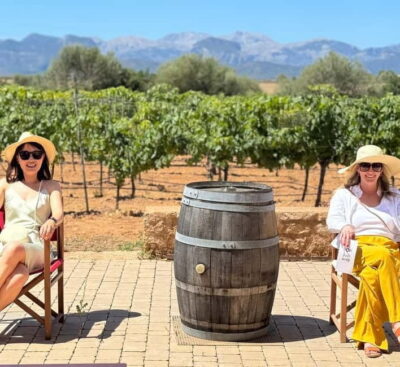
- Short wine tasting featuring local grapes like Fokiano, Roditis, Malaguzia, and Moschofilero
- Light lunch at a family ouzo tavern using Mediterranean or Messinian flavors
Entering Kalamata Food Mode with Maria (Vasileos Georgiou Square)
This tour starts in the most practical way possible: you show up in the center of town and you’re off. Meet Maria at Vasileos Georgiou Square, in front of the Hondos Center store, facing the statues of the Messinian War Heroes of 1821. It’s easy to find, and the landmark matters because you’ll start your walking route with your bearings straight.
Maria’s role is more than background narration. She’s described as a local host with real enthusiasm for her city, and the experience is set up as a private group. That means pacing can be adjusted and questions can happen naturally as you go from shop to shop, instead of being squeezed into a group schedule.
You can also read our reviews of more tours and experiences in Kalamata.

Part 2: The hidden traditional workshop and why olive oil is the star
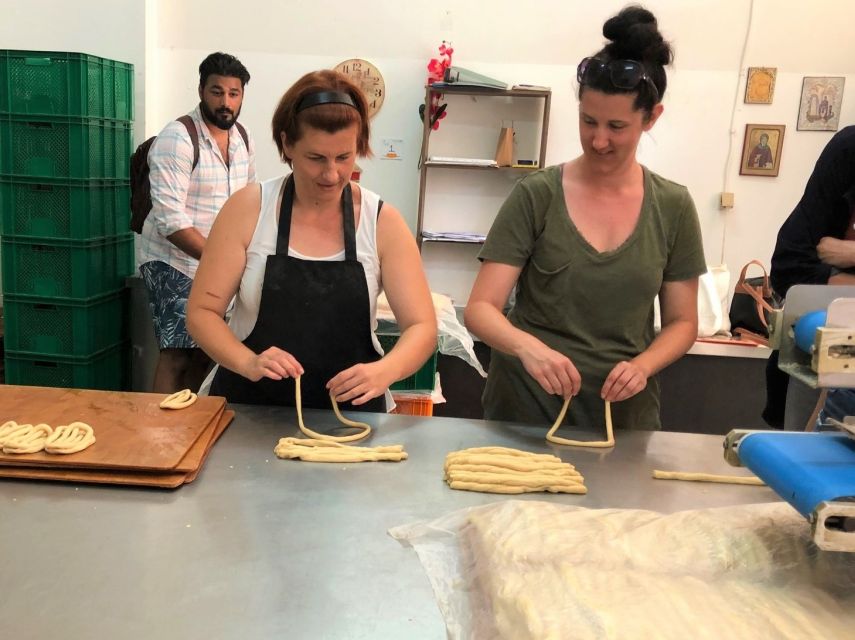
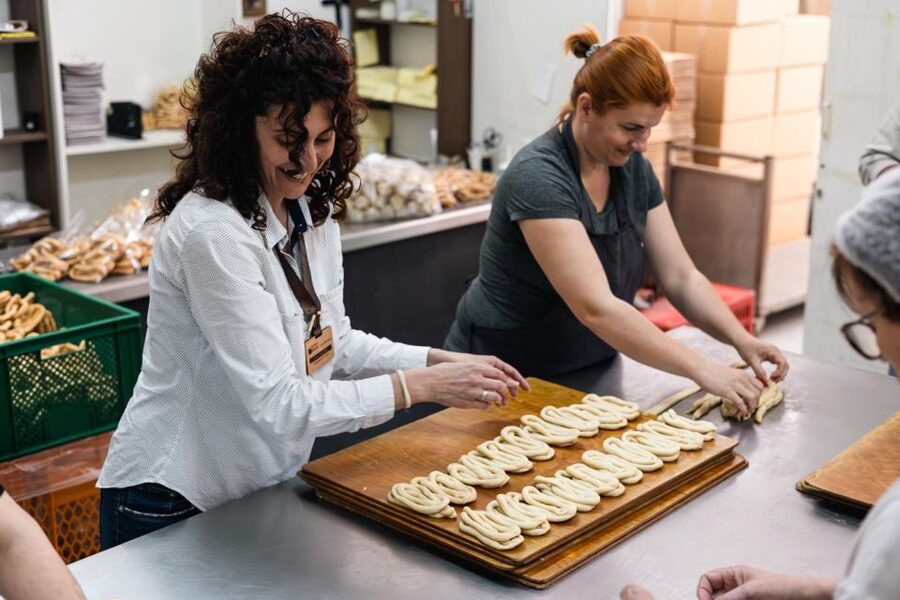
One of the best ways to understand Greek food is to stop chasing recipes and start tasting ingredients. This portion is built around that idea. You’ll visit a traditional workshop tucked into the tiny alleys of Kalamata, a place you’d likely miss on your own if you’re only moving between major streets.
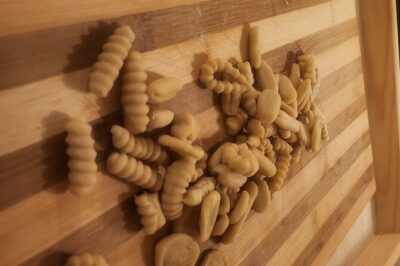
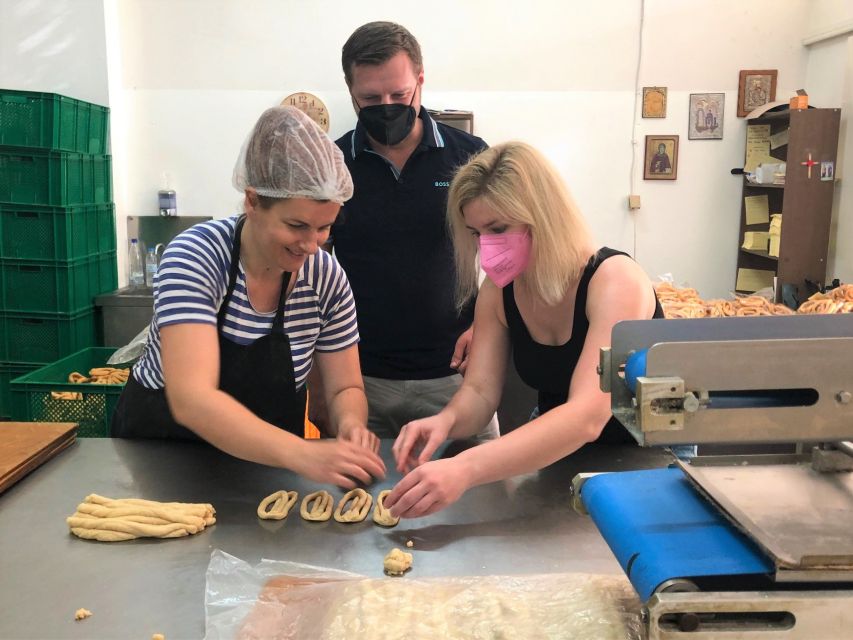
Inside, you’ll meet local women working with the simplest of building blocks: flour and olive oil. The focus is on two of the oldest delicacies of Messinia and Mani, made using straightforward methods. The payoff here isn’t just food. It’s context. When you understand how something is built—from basic ingredients—you start tasting more clearly at every later stop.
Morning vs afternoon matters here. The traditional workshop in Part 2 is open only in the mornings and closed in the afternoons. If you’re doing an afternoon departure, you may visit another available workshop or receive the two local products at the end, and the order of visits typically starts with the shop tastings instead.
Part 3: Spoon sweets, Korinthian raisins, and spice-scented shops
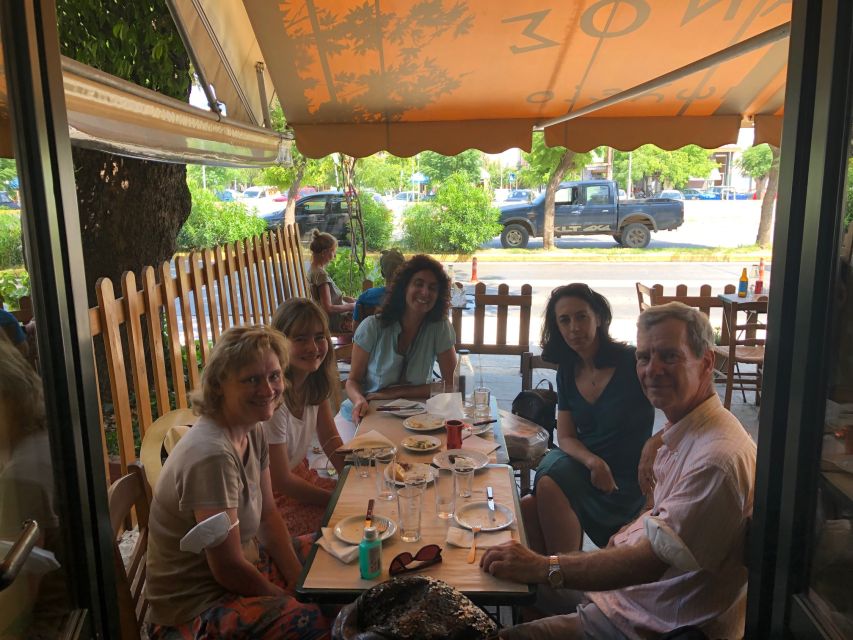
Now you switch from workshop craftsmanship to shop-to-shop flavor variety. In the heart of the historical city center, you’ll visit a well-known local shop. The moment you step in, you get a strong sensory clue: herb and spice aromas that can make you feel like you’re walking through the scent of the region itself.
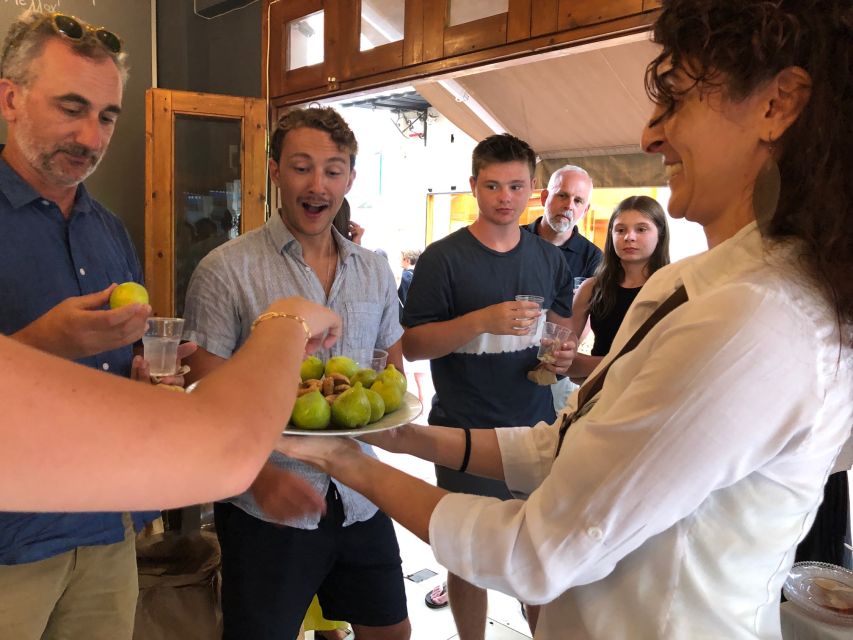
This stop is where the sweet side arrives. You’ll taste homemade glyka tou koutaliou (spoon sweets) and black Korinthian raisins, along with other products linked to Messinia and Greek land. These are not just dessert bites. Spoon sweets in particular are a traditional way of treating fruit with sugar and time, and it’s common to see how different shops develop their own character based on the ingredients they use and the way they process them.
Practical note: because this is a walking food tour, you’ll want to keep a light grip on what you’re eating. Pace yourself here, because the rest of the route keeps moving—coffee, then wine, then olive oil.
Part 4: Greek coffee tasting with Panagiotis or Giorgos
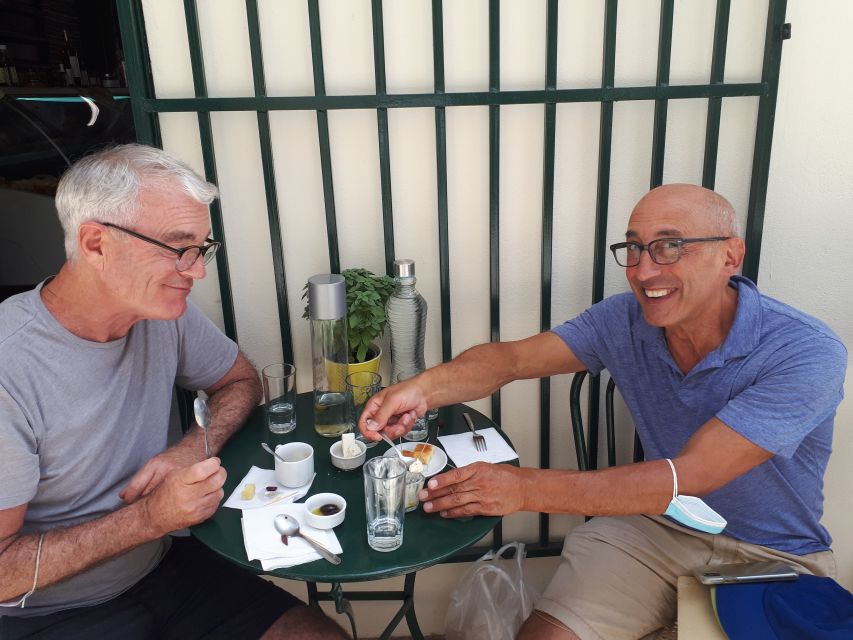
Coffee is often treated like a quick pit stop. Here, it’s handled like a ritual. You’ll get a Greek coffee tasting prepared by Panagiotis or Giorgos at a local coffee micro roastery. You’ll learn the origins of this style and how it became part of Greek tradition and temperament, not just a drink order.
What I like about this segment is that it gives you something usable. Once you know the basics—how it’s made and why it’s treated with care—you’re better at ordering it later and spotting what matters.
Also, timing and days affect the stop. On Mondays, Wednesdays, and Saturdays afternoon, many local shops are closed, including the coffee micro roastery. When that happens, the tour visits another coffee shop and you enjoy your Greek coffee while walking through the historical center. So if your schedule lands on one of those afternoons, don’t worry about losing coffee time; the tour adjusts.
Bring sunglasses and expect you might be outside for parts of the route. You’re tasting and walking through the center, not stuck in a single air-conditioned room.
Part 5: A short wine lesson with Mr. Giannis and local grape flavors
Next up is a short wine tasting, designed to keep you informed without slowing you down. You’ll visit a shop with local wines and traditional spirits, and then you’ll do a tasting session with Mr. Giannis.
You’ll sample local grape varieties, including Fokiano, Roditis, Malaguzia, and Moschofilero, and you’ll learn how local and foreign varieties get combined into white, rose, and red wines. It’s not a lecture that turns into homework. It’s a quick way to understand why Greek wines taste the way they do and how grapes can shape aroma and texture.
One timing rule to plan around: in the afternoons, the wine shop closes at 20:45, so the wine tasting portion happens during the light dinner. That matters because it keeps the pacing realistic. If you’re traveling in hot weather, that also helps you time your heavier sips and food.
Part 6: The olive oil tasting by a certified connoisseur
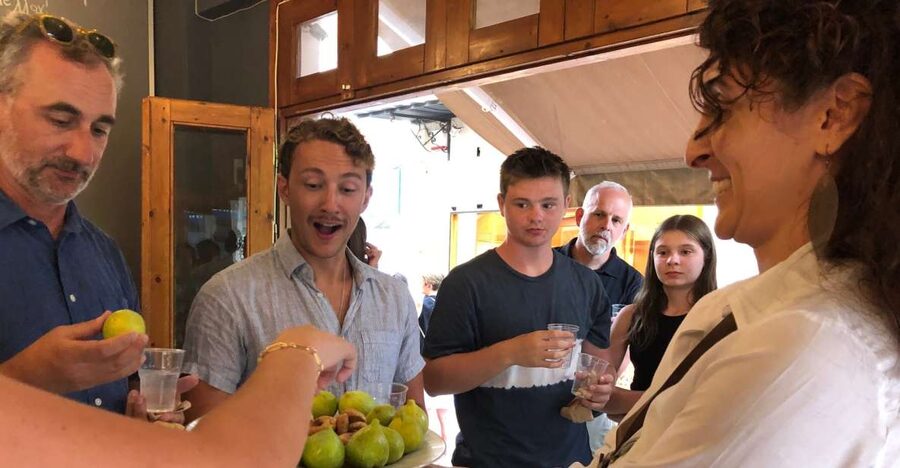
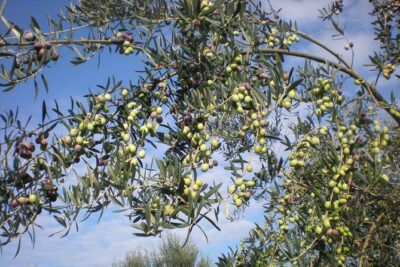
This is the segment most people come for, and it’s where the tour earns its reputation. Messinia is the birthplace of olives and olive oil, and the tasting is built to show you the difference between everyday olive oil and truly extra virgin oil.
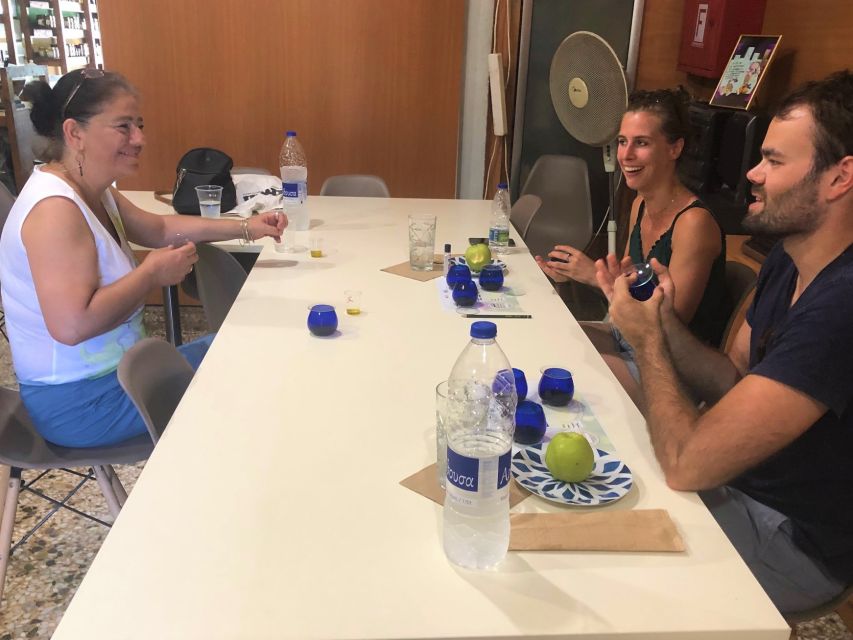
You’ll visit an olive oil shop and take part in a short tasting of 4 Greek extra virgin olive oil varieties. The tasting is led by a professional and certified olive oil connoisseur, and you’ll learn about the Koroneiki variety and what makes it distinctive. Then you’ll taste different extra virgin oils back-to-back, so you can notice differences in aroma and flavor rather than just hearing about them.
Here’s the practical value: once you’ve tasted multiple varieties in a guided way, you start shopping with your senses. You’ll likely feel that jump from common oils to superior extra virgin quality, and that makes it easier to buy what you truly like instead of buying what marketing claims.
Part 7: Light lunch at an ouzo tavern, with Messinian flavor you won’t forget
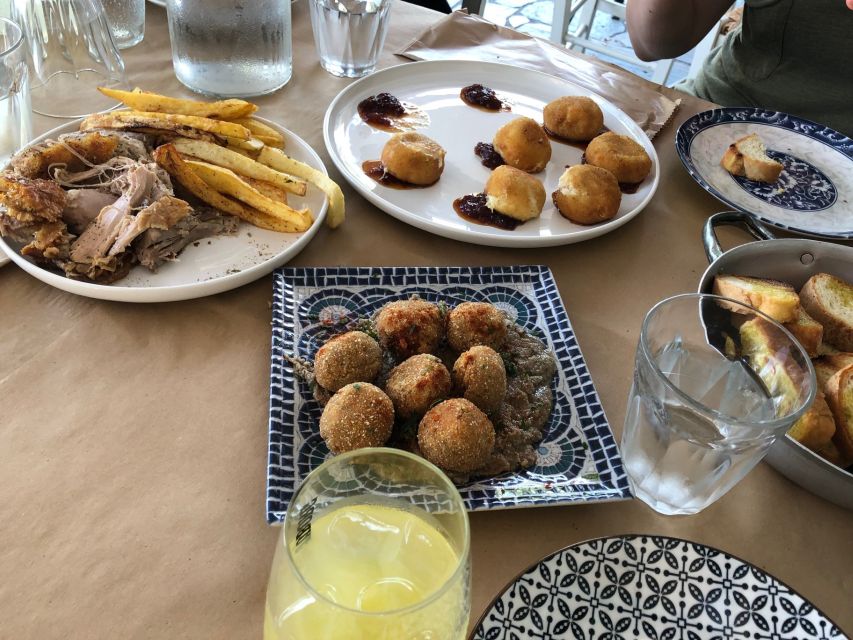
You end with a light lunch in one of the cozier family ouzo taverns in the heart of Kalamata. The idea isn’t to bury you. It’s to keep you comfortably full after a route packed with sweet, savory, coffee, wine, and olive oil tasting.
You’ll taste Mediterranean or Messinian dishes, plus a classic Messinian dish with a story behind it. The tour description specifically says the history of that dish is part of the experience, and they keep the dish itself as a surprise, so you’ll get it first-hand rather than being spoiled in advance.
If you’re doing an afternoon session, this lunch can feel like a reset. It brings everything together: salty bites, sweetness you already tasted earlier, the olive oil that keeps showing up in Greek flavors, and the wine that ties into local production.
What the 4-hour private format is really buying you
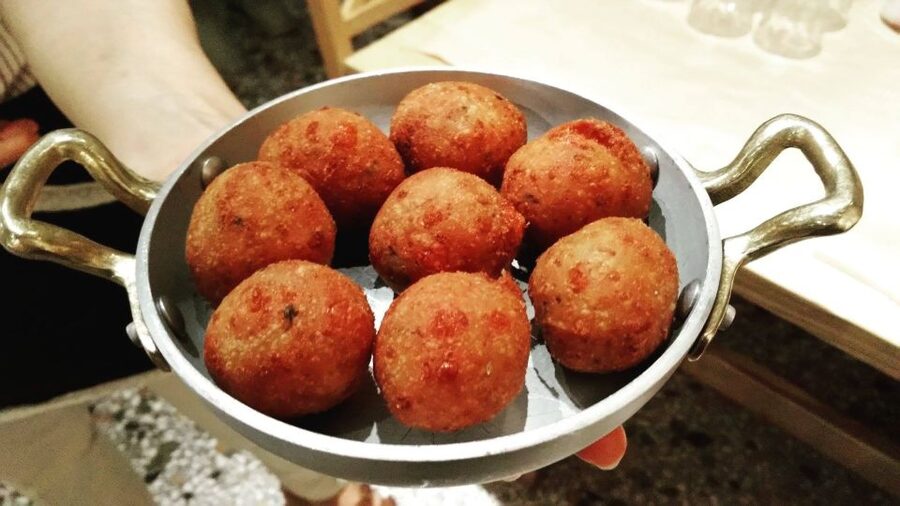
Let’s talk value, because $194 per person is not a casual snack price. But for what you get, the math starts to make sense.
In 4 hours, you get:
- 6 local family-owned food shops
- more than 20 tastings of local delicacies
- short olive oil tasting of 4 extra virgin varieties
- short wine tasting of 2 to 3 labels
- Greek coffee tasting
- light lunch with local drinks
- a local host-certified guide throughout
That’s a lot of product exposure for a short timeframe. The bigger value, though, is guidance. You’re not trying to decode Greek labels or figure out which shop actually sells what you want. Someone local points you toward the tastings that make sense for a first or second visit, and you get context while you taste.
It also helps that it’s a private group. Even if you’re not a “food snob,” private pacing means you can ask questions, pause, and take notes without feeling rushed by a larger crowd.
One more practical point: the tour duration can be tailored to individual needs. And based on the experience style, it can run a bit longer if conversation keeps flowing, so plan for a little flexibility.
Who this tour suits best in real life
This experience fits well if you:
- want a fast way to understand Kalamata and Messinia through food and drink
- care about olive oil and want a tasting approach that’s more sensory than academic
- like walking, but prefer a structured route so you don’t have to guess where to go
- want a host who can adapt the pacing and stop order based on what’s open and what you like
It’s also described as family friendly and wheelchair accessible, which is important if your group includes mobility needs. Because the tour stays central and uses a walking route between shops, you’ll still want comfortable shoes and a sun hat.
Price, pacing, and timing tips that keep the day smooth
Because this is a tasting-and-walking tour, timing can make the difference between fun and rushed. Here are the issues to watch for, based on what the tour notes:
- Workshop opening hours: Part 2 traditional workshop works in the mornings. Afternoon tours need an alternative workshop or a swap where the two local products are provided at the end.
- Wine timing in afternoon: The wine shop closes at 20:45, so afternoon sessions place the wine tasting during the light dinner.
- Shop closures on certain afternoons: On Mondays, Wednesdays, and Saturdays afternoon, some shops are closed, including the coffee micro roastery. The tour still includes coffee by switching to another shop.
- Your comfort: you’ll be outdoors for parts of the route, so sunglasses and a sun hat help.
If you’re sensitive to heat, the afternoon session can still work well because the tour includes indoor tastings and ends with lunch/dinner. But do bring water and plan your sun protection.
Final call: should you book Kalamata’s olive oil and food tour?
If you’re short on time in Kalamata and want to leave with a clear feel for Messinian flavors, I’d book this. The strongest reasons are simple: you taste a lot, you get guided tastings for olive oil, coffee, and wine, and the ending lunch keeps the day grounded in local everyday food, not just samples.
I’d think twice only if you dislike walking between multiple shops or you want a long sit-down meal as the main event. This is built around movement and sampling. If that sounds fun, it’s a great use of a half-day.
If you do book, I’d do it early in your trip. It helps you understand what you like before you start buying bottles, sweets, and pantry items on your own.
FAQ
Where is the meeting point?
You meet Maria at the central square of Kalamata, Vasileos Georgiou Square, in front of the Hondos Center store, facing the statues of the Messinian War Heroes of 1821.
How long is the food tour?
The experience runs for 4 hours.
What’s included in the price?
It includes tastings of Greek mezedes and sweet and savory local delicacies (more than 20), a short olive oil tasting of 4 extra virgin olive oil varieties, a Greek coffee tasting, a short wine tasting of 2 to 3 labels, and a light lunch with local drinks. A local host-certified guide is included, plus all taxes.
Is the traditional workshop part always available?
The traditional workshop in Part 2 is open only in the mornings and closed in the afternoons. For afternoon tours, the visit is swapped for another available workshop or the two local products are given at the end.
What happens if my tour is on Monday, Wednesday, or Saturday afternoon?
On Monday, Wednesday, and Saturday afternoon, most local shops are closed, including the coffee micro roastery. The tour visits another coffee shop and you enjoy your Greek coffee while walking in the historical centre.
What time does the tour start?
The meeting time is 09:00 a.m. or 17:30 p.m. Check availability to see starting times.
What if I need to cancel or change plans?
You can cancel up to 24 hours in advance for a full refund, and you can reserve now and pay later to keep your plans flexible.