REVIEW · KALAMATA
Organic Olive Grove tour & Olive oil tasting & lunch in Kalamata!
Book on Viator →Operated by Mama's flavours · Bookable on Viator
Liquid gold starts in the olive grove.
This Kalamata experience strings together tree-to-bottle learning with a guided walk, a certified olive oil mill visit, and an ending tasting led by Maria. You also get a stop in one of the city’s older olive oil shops in the historic center, where flavors and quality make sense fast.
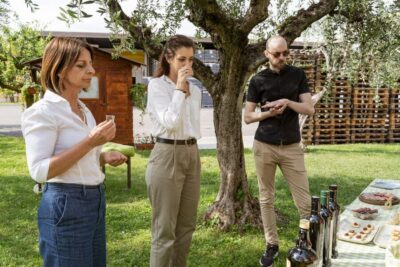
Two things I like a lot: first, the organic grove stroll year-round (usually the kind of calm you want on holiday), and second, the tasting setup with 4 Greek extra virgin olive oil varieties guided by a professional, certified taster expert. You come away with a clearer sense of what tastes good to you—and why.
One thing to keep in mind: you’ll need transportation for the short hops between Kalamata’s meeting point, the grove, and the mill. Also, the mill visit is seasonal (March to October), with winter access possible only by coordination.
In This Review
- Key highlights worth clocking before you go
- Kalamata olive oil: why this tour feels practical, not performative
- From Kalamata Port Authority to the olive grove walk
- Organic grove learning: what you’ll notice on the trees
- The certified olive oil mill visit: extraction, not just mythology
- The tasting at Kalamata’s historic shop: learning flavors you can repeat
- Lunch option at a local taverna: when it’s worth the extra charge
- Price and value: what $144.82 buys you in the real world
- Timing, seasons, and the 17:30 afternoon slot
- Getting around: transport is required, so plan your hop correctly
- Who should book this Kalamata olive oil tour
- A quick packing list (so you stay comfortable outdoors)
- Should you book Organic Olive Grove tour & Olive oil tasting in Kalamata?
- FAQ
- How long is the Organic Olive Grove tour & Olive oil tasting?
- What’s included in the olive oil tasting?
- Is lunch included?
- Does the tour include the olive grove and the olive oil mill?
- When is the olive grove available?
- When is the olive oil mill visit available?
- Where does the tour start and end?
- Do I need transportation to do this tour?
- Is this tour family friendly?
Key highlights worth clocking before you go
- An organic grove walk year-round: a relaxed route through olive trees and growing basics without rushing.
- Mill visit timed to the harvest: the certified extraction process runs when it makes sense seasonally.
- Tasting with 4 Greek extra virgin oils: you’ll learn aromas and flavors tied to specific varieties.
- Historic-center shop finale: the tasting ends at an olive oil shop in Kalamata’s oldest oil-shopping area.
- Optional Greek lunch, if you want more: light or full lunch can be requested for an extra charge.
Kalamata olive oil: why this tour feels practical, not performative
Kalamata isn’t just where olives grow. It’s where olive oil culture is part of daily life—so the best tours here don’t stop at a pretty photo. This one works because it teaches you how the product gets made, then gives you a guided way to taste it.
The flow is simple: organic grove first, then the processing mill, then tasting in the shop. That order matters. If you taste before you see the fruit and extraction process, it’s easy to treat olive oil like a mystery. After the grove and mill, you start noticing differences on purpose.
And yes, the human factor is real. Maria comes through in the stories—energetic, passionate, and able to keep families engaged. If you want a tour where the guide actually explains what you’re tasting (instead of handing you a cup and hoping for the best), this is the right format.
You can also read our reviews of more tours and experiences in Kalamata.

From Kalamata Port Authority to the olive grove walk
You meet at Kalamata Port Authority, Mpoumpoulinas 4 (241 00 Kalamata). The experience is set for about 3 hours, and it ends back at the same meeting point—though the tasting portion finishes at the olive oil shop as part of the day’s route.
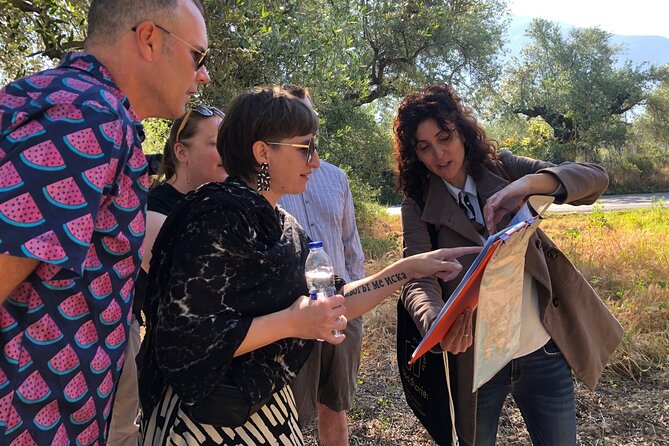
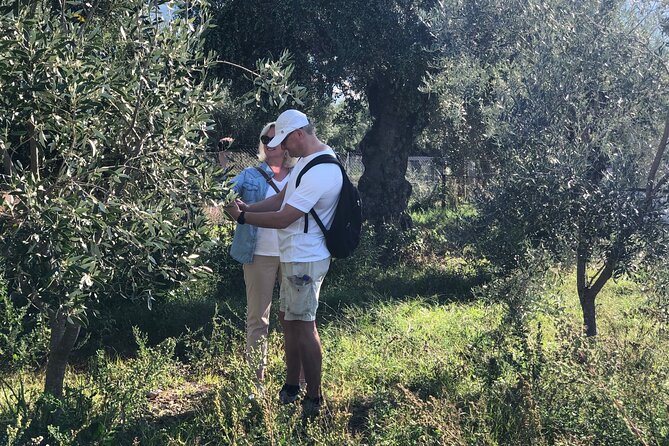
Once you’re up and moving, expect a pace that fits the outdoors. You’ll be walking in the open with perennial olive trees, learning along the way. The route isn’t described as strenuous, but it is outdoors time, so comfortable shoes help, and a hat is a smart move.
This part of the day is where you start connecting words like variety, harvest, and quality to something physical. You’ll see olives aren’t all the same, and trees aren’t all the same age. That detail shows up in the standout moments: people remember meeting trees that can be centuries old.
Organic grove learning: what you’ll notice on the trees
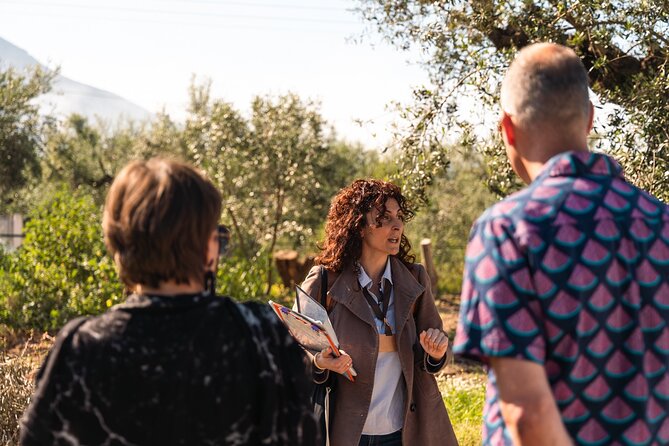
The grove component is available all year round (Monday to Sunday), with runs in the mornings and also in the afternoons. This matters because you don’t have to travel only in peak harvest months to get the grove experience.
In the grove, you’ll:
- Walk among perennial olive trees and learn how olive trees grow over time.
- Get acquainted with different olive tree varieties—including older trees, not just young plantings.
- Learn the basic story of olives and why this crop is so central here.
The real value in the grove part is understanding that olive oil quality is not random. It’s tied to cultivation choices and timing, then translated into the oil you taste later. You might still be figuring out your favorite flavors, but the tour gives you the map to make sense of it.
The certified olive oil mill visit: extraction, not just mythology
After the grove, you head to a certified, open-to-the-public olive oil mill very close by. This is one of those stops that feels “heavy” in content even if it’s quick in minutes, because you’re watching how olives become oil.
The tour frames it as the process from the olive grove to bottling. That includes the extraction steps you’d otherwise never see on a vacation. You get context for why certain oils taste the way they do, because the processing choices and the moment olives are processed both play a role.
Important timing note: the mill visit is listed as available March to October (Monday to Sunday). November to February can still work, but only after coordination and depending on availability because of the olive oil harvesting period. In winter, plan for flexibility and ask ahead if you’re traveling in off-season months.
The tasting at Kalamata’s historic shop: learning flavors you can repeat
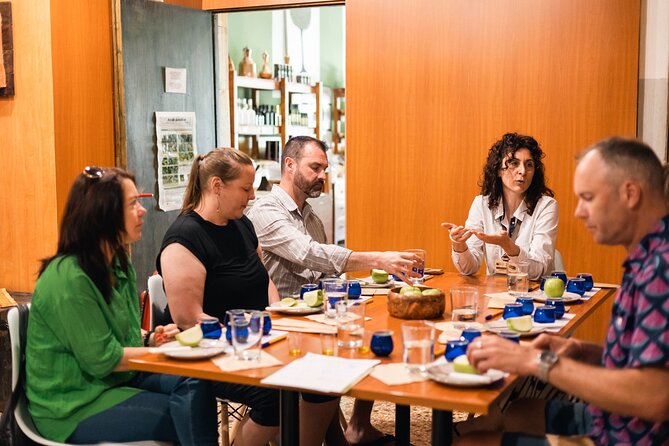
After the mill, you move into the historic center for a tasting at one of Kalamata’s older olive oil shops. This is where the experience clicks for most people, because tasting becomes less intimidating once you’ve seen how it’s made.
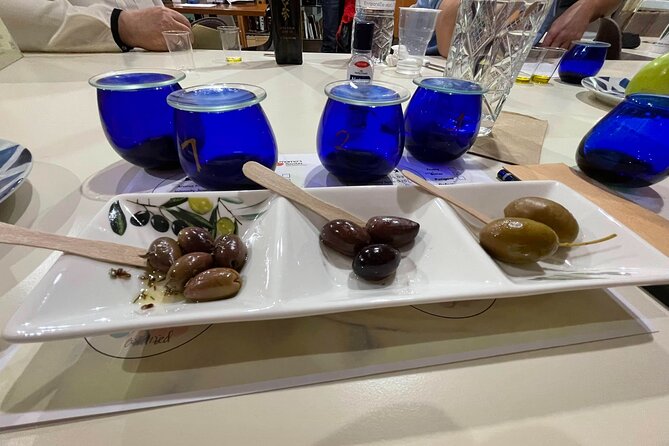
You’ll meet with a professional, certified olive oil expert who focuses on Greek varieties. The tour highlights varieties such as Koroneiki and explains the key aromas, tastes, characteristics, and health benefits. You also learn what to pair with food, so it’s not just sipping oil like a science experiment.
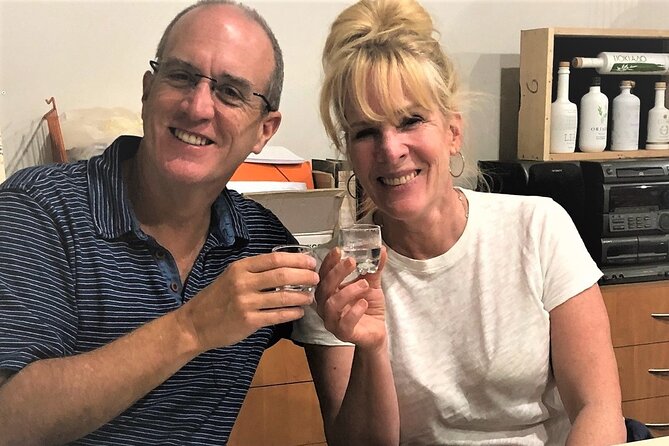
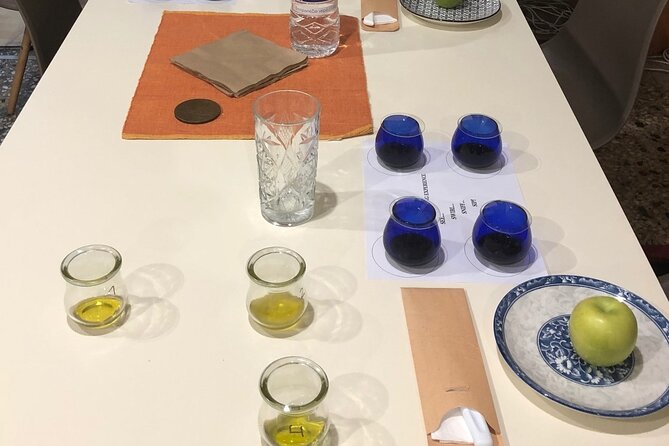
The tasting includes 4 Greek extra virgin olive oil varieties, with a taster helping you read the differences. You also get snacks—Greek local delicacies—and a bottle of water during this part of the day.
If you’re the kind of person who likes to buy one item and use it well, this is where you get practical value. You leave knowing what extra virgin olive oil style fits your cooking habits, not just what costs the most.
Lunch option at a local taverna: when it’s worth the extra charge
Lunch isn’t included in the base price, but you can request it for an additional fee. The provider lists two options: light or full lunch, both at a local taverna eatery.
What lunch typically includes (based on the description):
- Local delicacies such as Greek pies, cheese, vegetarian options, split peas balls, and other seasonal items.
Alcohol isn’t included by default. If you add light or full lunch, local wines or drinks are provided with that lunch option.
So when is lunch worth it? If you plan to keep exploring Kalamata after the tour, adding lunch can keep you from hunting for food right after a structured day. If you already have dinner plans or you’re traveling with lighter appetites, stick to the included snacks and water and keep your evening open.
Price and value: what $144.82 buys you in the real world
At $144.82 per person for roughly 3 hours, the price can look steep until you line up what’s actually included.
You’re paying for:
- A private tour/activity style experience (only your group participates).
- A full arc: grove visit + mill visit + tasting.
- Tasting guidance with 4 extra virgin oils and professional explanation.
- Included snacks and water.
- All fees and taxes.
The “value” here is in the structure. A basic tasting alone is nice, but it won’t teach you how the oil gets made. A grove walk alone is relaxing, but it won’t teach you what to do with that knowledge. This tour combines both, plus it ends with a shop where you can use what you learned right away.
Timing, seasons, and the 17:30 afternoon slot
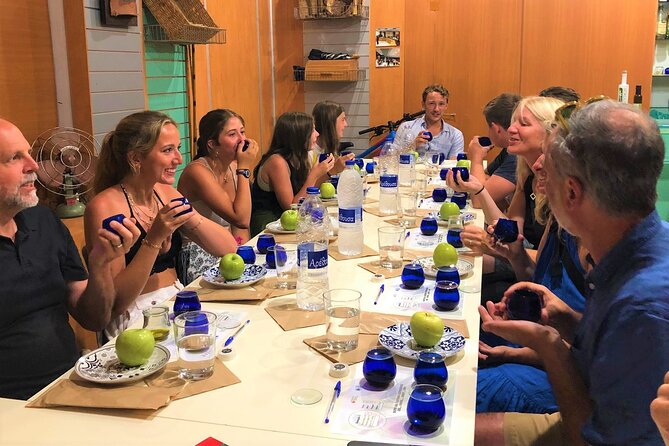
You can do the olive grove component all year round, Monday–Sunday, with runs in the morning or afternoon. The olive oil tasting portion is also offered in the afternoons at 17:30.
The mill is where the calendar matters. It’s available March through October, and winter visits need coordination due to the harvest period. Also note that there are exclusions for Holy Friday, Easter Tuesday, and Greek official holidays, so if your trip overlaps with major holidays, double-check dates.
A smart strategy: if you’re traveling in late fall or winter, plan your olive oil priorities early and confirm that the mill stop is scheduled for your specific date.
Getting around: transport is required, so plan your hop correctly
Transportation is listed as necessary to visit the traditional organic olive grove and the olive oil mill, located close to Kalamata but not right at the meeting point. You have two options:
- Use your own vehicle, or
- Have the provider arrange a taxi service through partners for an extra cost.
This part can be the difference between a smooth day and a stressful one. If you’re relying on taxis, build in extra time for pickup and the short ride between stops. And if your group has anyone with limited walking tolerance, transportation timing becomes even more important.
Who should book this Kalamata olive oil tour
This is a strong fit if you want:
- A hands-on food education experience (growing, pressing, tasting).
- A guide-led tasting that teaches you what to notice.
- A tour that works for families; it’s described as family friendly.
It’s also ideal if you’re the type who hates buying random souvenirs. After a tasting like this, your purchases are more likely to match your palate—and your cooking.
A quick packing list (so you stay comfortable outdoors)
The tour notes comfortable shoes and a hat because you’ll spend time outdoors. Beyond that, bring a reusable water bottle if you like, since you’ll already get water during the tasting but you might still want extra on a warm day.
Should you book Organic Olive Grove tour & Olive oil tasting in Kalamata?
Book it if you want your Kalamata time to connect the dots: how olives grow, how oil gets extracted, then how to taste and choose. The tour’s biggest strength is that it’s not just a scenic walk or just a tasting—it’s the whole chain, and that’s what makes the lessons stick.
Skip or at least rethink it if:
- You don’t want to handle transportation logistics between sites.
- You’re visiting in a winter month and the mill visit is unclear for your date—coordinate early.
If your dates line up and you’re ready for a guided, structured olive oil education in the open air, this is one of the better ways to spend a few hours in Kalamata.
FAQ
How long is the Organic Olive Grove tour & Olive oil tasting?
It lasts about 3 hours.
What’s included in the olive oil tasting?
You get tasting of 4 Greek extra virgin olive oil varieties with an olive oil taster, plus snacks of Greek local delicacies and a bottle of water.
Is lunch included?
Lunch is not included in the base price. Light or full lunch can be requested for an extra charge, with local delicacies.
Does the tour include the olive grove and the olive oil mill?
Yes, the tour includes an organic olive grove visit and also a visit to a certified olive oil mill, depending on the season for the mill.
When is the olive grove available?
The traditional organic olive grove experience is available all year round, Monday to Sunday, with morning or afternoon options.
When is the olive oil mill visit available?
The olive oil mill visit is available March to October, Monday to Sunday. November to February may be possible after coordination depending on availability.
Where does the tour start and end?
It starts at Kalamata Port Authority (Mpoumpoulinas 4, Kalamata) and ends back at the meeting point.
Do I need transportation to do this tour?
Transportation is necessary to reach the grove and mill. You can use your own vehicle, or the provider can arrange taxi services for an extra cost.
Is this tour family friendly?
Yes, it’s described as family friendly, and most travelers can participate. Comfortable shoes and a hat are recommended due to outdoor time.