REVIEW · KALAMATA
Kalamata: The Olive Oil Routes Tour
Book on GetYourGuide →Operated by THE OLIVE ROUTES · Bookable on GetYourGuide
Olives turn into stories here. This Kalamata olive oil tour starts at the 13th-century castle of Androusa and quickly gets you outside among the perennial olive trees of Messinia. You’ll hear why olives matter here, from tradition to the myths tied to the grove.
I also love how hands-on the tasting is. You’ll learn what extra virgin olive oil should taste and smell like, then sample multiple Greek varieties with a certified taster.
One thing to consider: there’s no hotel pickup, and part of the experience is walking in open air, so plan to get to the main-road meeting point and bring good sun protection.
In This Review
- Key takeaways before you go
- Starting at Androusa Castle: the 20-minute drive that sets the tone
- Olive grove walks among perennial trees of Messinia
- The family olive mill visit: 120+ years of pressing and standards
- Certified olive oil tasting: learning the vocabulary for what you taste
- The pairing table: making your own olive flavor combinations
- Olive-based plates in Messinia style: pasto, lalagia, and the why behind it
- Dietary notes that can matter
- Price and value for a 3.5-hour olive oil experience at $106
- Who should book this tour in Kalamata (and who might hesitate)
- Practical tips for a smooth 3.5 hours
- Should you book the Kalamata Olive Oil Routes Tour?
- FAQ
- Where does the tour start?
- How long is the tour?
- Is hotel pickup included?
- How much does it cost?
- What languages are offered?
- What will I taste during the olive oil tasting?
- Will there be food included?
- What should I bring?
- Can I cancel for a refund?
- Is olive oil included in the price beyond tastings?
Key takeaways before you go
- Androusa castle as your meeting point: historical setting right where the olive stories begin
- Perennial grove walks: you’ll learn the local varieties and the myths tied to the trees
- A 120+ year olive oil press: a fifth-generation owner explains extraction, storage, and standardization
- Certified olive oil tasting: structured practice with organoleptic characteristics and quality cues
- Build your own flavor combos: olive oil paired with at least four different plates and bites
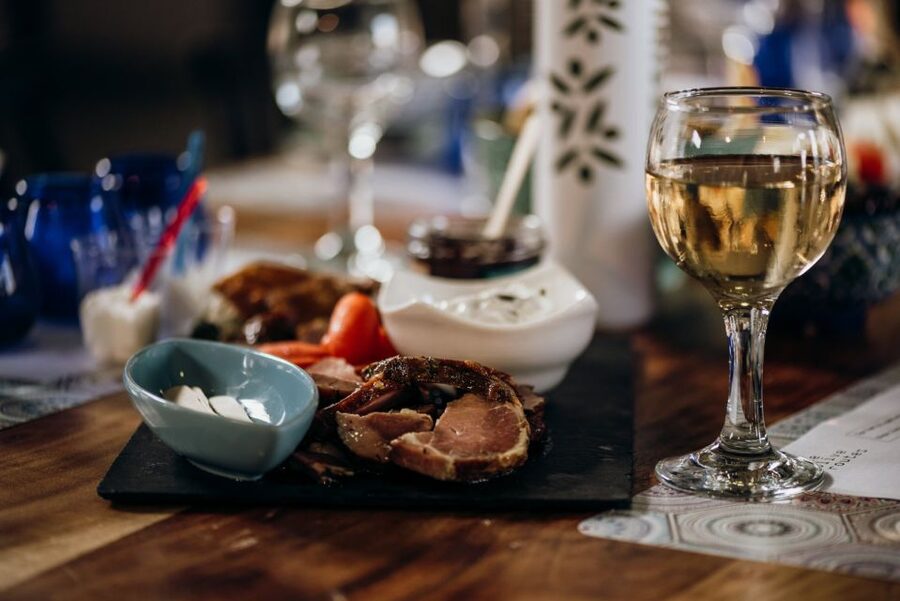
- Olive-forward food table: kalamata olives, olive paste, lalagia, pasto (smoked ham), tzatziki, and local cheeses
Starting at Androusa Castle: the 20-minute drive that sets the tone

Meet your guide outside the castle of Androusa, on the main road. It’s a practical location if you’re staying around Kalamata: about 20 minutes by car or taxi. It’s also close to Ancient Messene, roughly 10 minutes away, so this area already feels historic even before you start tasting.
The castle matters because it anchors the day in place, not just in a product. Messinia’s olives aren’t a background detail here; they’re part of how people explain their land. Expect your guide to use that setting to connect the groves you walk through with the stories behind them.
Quick reality check: because there’s no hotel pickup, you’ll want to be on time at the meeting point. Comfortable shoes also help, since you’re going to be outside for the olive-walk portion.
You can also read our reviews of more tours and experiences in Kalamata.
Olive grove walks among perennial trees of Messinia
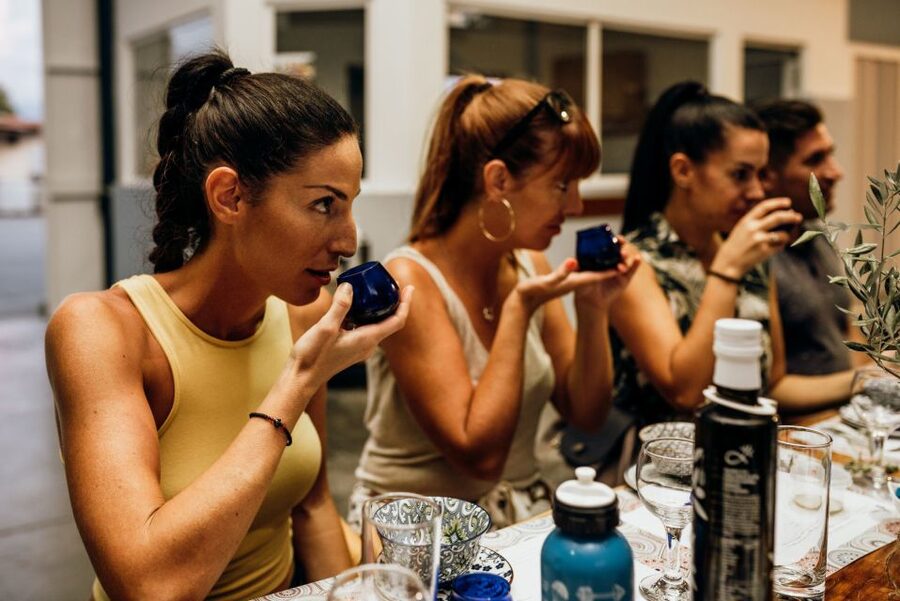
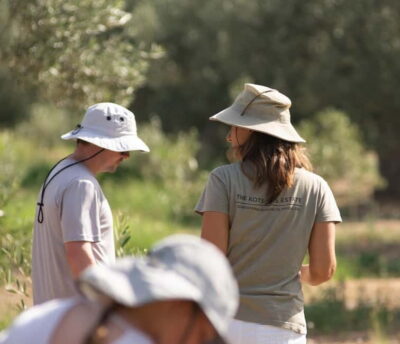
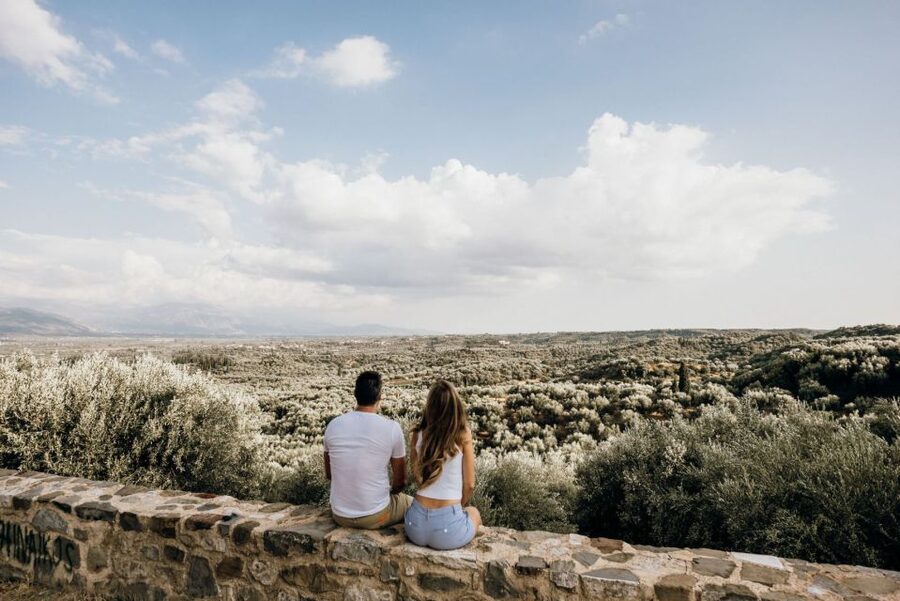
The tour begins with olive walks to orient you to the olive groves of Messinia. This is where the day clicks into “more than tasting.” Your guide points out how the trees themselves carry local history. You’ll hear about tradition and mythical stories tied to the castle’s olive trees, and it feels like a guided walk rather than a lecture.
You’ll also move through the groves and learn about different varieties grown in the area. One detail that stands out from the way the route is described: you may hear a story about Messinian land as recorded on the stems. Whether you’re an olive person or not, that kind of physical, tree-based explanation makes the whole topic easier to remember.
If you’re thinking about timing: if you visit during harvest season, you might catch harvesting activity. One visitor described joining a bit of the harvest crew during their November visit, which added a seasonal “this is happening now” feeling to the experience.
The family olive mill visit: 120+ years of pressing and standards
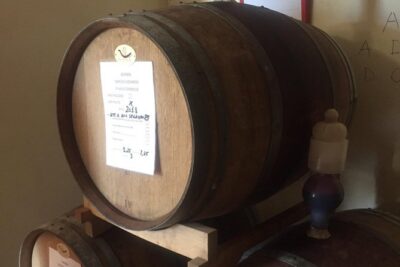
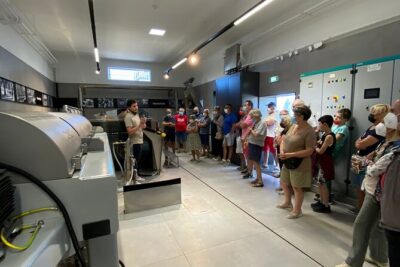
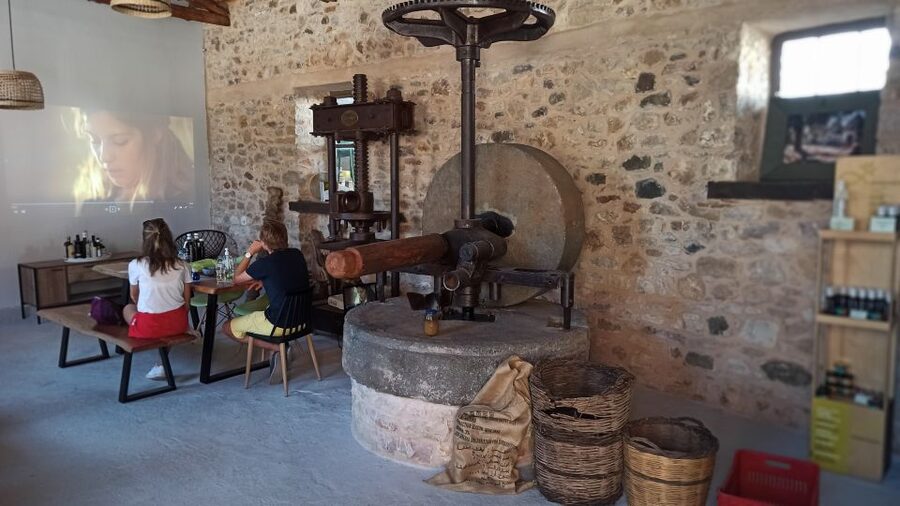
Next you’ll visit an olive oil mill in Androusa Village, a press-and-mill setup that’s been operating for over 120 years. This isn’t just a photo stop. The fifth-generation owner explains how extra virgin olive oil is produced, including extraction, storage, and the standardization process.
That last part is worth your attention. Most olive oil tourism ends at taste. Here, you get at least a basic view of how producers think about consistency—how they handle oil after extraction and how they work toward standard quality. It helps you understand why two bottles from different batches can taste like different worlds.
You’ll likely notice that the tour is built in stages: start with the groves (where flavor comes from), then the mill (where it’s made), then the tasting table (where you learn to identify it). That flow makes the day feel logical, not random.
Certified olive oil tasting: learning the vocabulary for what you taste
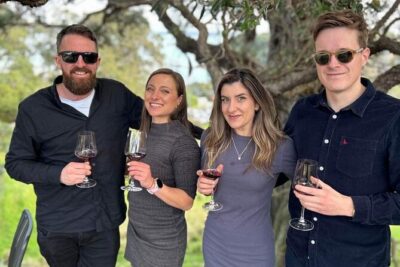
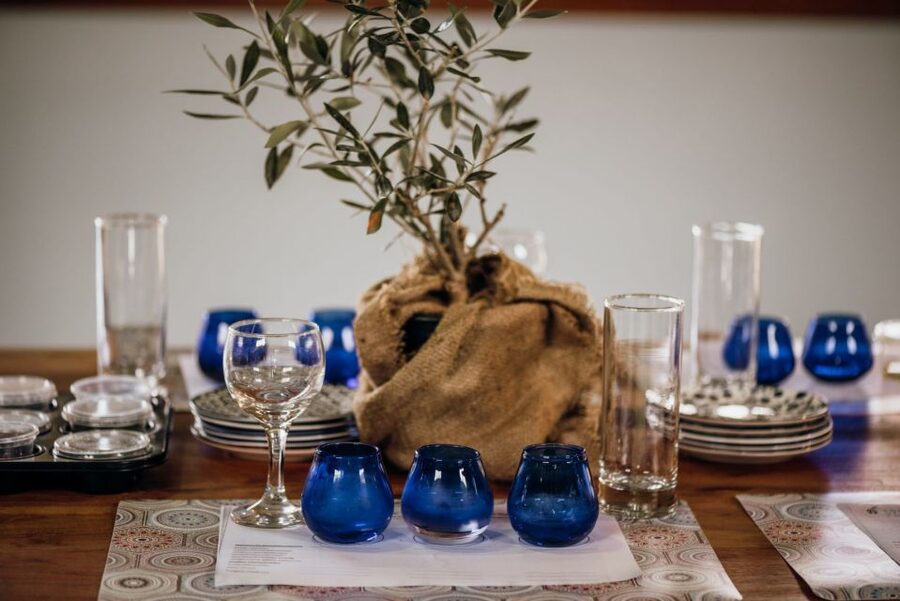
After the mill, you’ll move into the tasting session. The table is set with blue tasting glasses, ready for you to try oils side by side. This part is led by a certified olive oil taster, so the tasting isn’t just “this one is good.”
You’ll start with extra virgin olive oil from the Koroneiki variety and learn about its organoleptic characteristics—how to recognize the sensory markers that define a good extra virgin. Your guide will also teach you the elements that define extra virgin quality, which gives you a simple framework to use later when you shop.
Then you’ll taste additional Greek extra virgin olive oil varieties, including Manaki, Xalkidikis, and Mavroelia. The point isn’t to memorize names like a quiz. It’s to practice comparison. You’ll evaluate flavors across oils, and the structure of the session makes you pay attention to details you’d normally miss.
One more practical note: the tasting experience is designed for interaction. People mention being taught in a way that pulls you in, using engagement and questions rather than a one-way talk. If you enjoy hands-on learning, this is one of the strongest parts of the tour.
The pairing table: making your own olive flavor combinations
Food is where olive oil education becomes real. You’ll match olive oils with traditional recipes and small plates, building from tasting notes to actual pairings.
A key highlight: you’ll combine olive oil with at least four different plates and even make your own olive taste combinations. That’s a smart way to learn. Instead of being told what works, you test what works.
What can show up at the table includes:
- tzatziki
- kalamata olives
- olive paste
- lalagia
- pasto (smoked ham)
- local cheeses
You’ll also see fruit and other gourmet small dishes as part of the pairing approach. The variety matters because olive oil has multiple roles on your palate: it can add freshness, support saltiness, soften strong flavors, or sharpen the impression of herbs and garlic in traditional Greek recipes.
If you’re worried this might be too food-heavy for a short tour, don’t. The experience is timed at about 3.5 hours, and it’s organized so each tasting and bite builds on the last one.
Olive-based plates in Messinia style: pasto, lalagia, and the why behind it
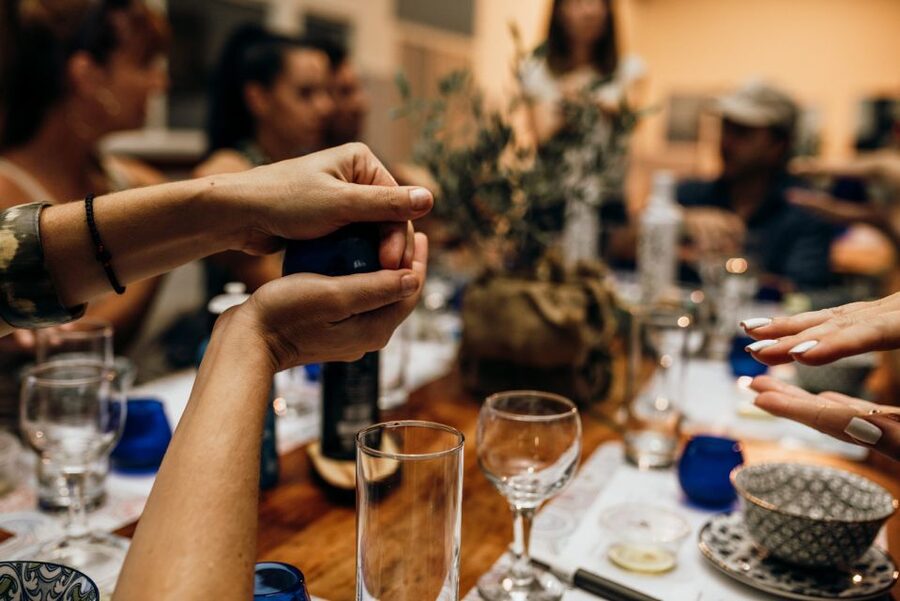
Greek olive culture shows up in many forms, and the tour makes sure you taste beyond just oil. You’ll sample olive-based goods such as kalamata olives, olive paste, lalagia, and pasto (smoked ham), plus local cheeses and classic dips like tzatziki.
Here’s why that matters: many people think of olive oil as something you drizzle. On this tour, you see it as an ingredient that changes a dish’s whole character. Pair a bold olive oil with smoked ham and you’ll understand the logic fast. Add olive paste and you’ll taste how the oil can either lift flavors or bring them into a softer, rounder balance.
Also, the food portion gets described as more than just light bites by multiple visitors. While the official framing is food tastings and small plates, people report an exceptional end-of-experience meal feel. Either way, plan on leaving well fed.
Dietary notes that can matter
If you have dietary restrictions, it helps to ask ahead. One visitor specifically mentioned gluten-free catering being handled so they could eat everything except pumpkin pie. That doesn’t mean every situation is identical, but it suggests the team can work with needs when they’re aware in advance.
Price and value for a 3.5-hour olive oil experience at $106
At $106 per person, this isn’t a bargain in the way a bus tour is. It’s priced like a food-and-farm experience with real teaching built in. For that money, you’re getting:
- entrance fees
- olive oil tastings
- food tastings with local olive-based goods
- an expert local tour leader
- a certified olive oil taster
- taxes
- photos from the tour
The biggest value drivers are the certified tasting component and the mill-and-grove access. You’re not just watching a video or buying a bottle at a shop. You’re learning how oils are judged and how those differences work with food.
The trade-off is logistics. Since there’s no hotel pickup and you meet outside the castle, you’ll likely need a taxi or car. If that adds cost or stress, factor it into the real value.
Who should book this tour in Kalamata (and who might hesitate)
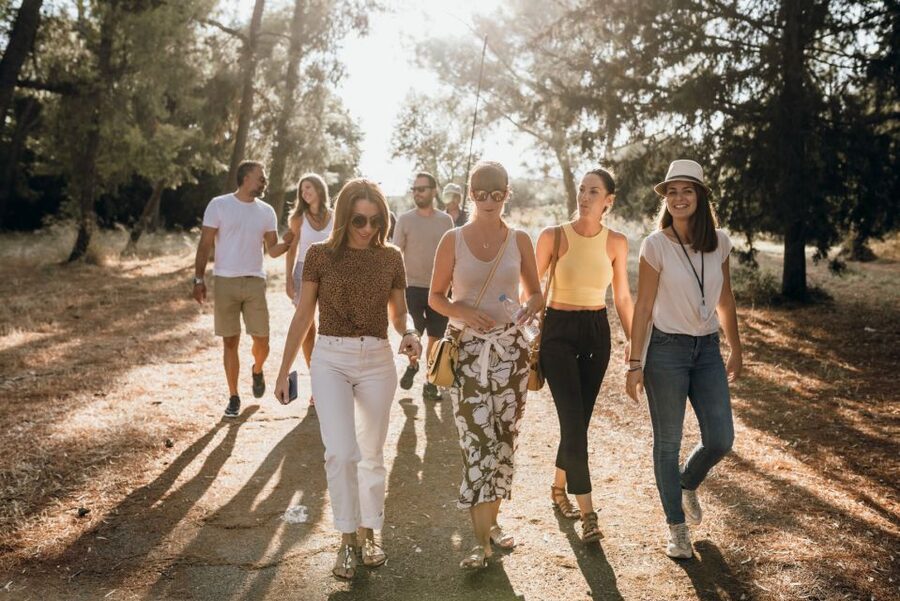
This is a great fit if you want more than tasting for the sake of tasting. Book it if you enjoy:
- learning how to recognize extra virgin quality
- understanding why variety names matter (Koroneiki, Manaki, Xalkidikis, Mavroelia)
- combining oil with real Greek dishes like tzatziki and pasto
- family-run production stories, especially when a fifth-generation owner explains the process
It also works well for mixed-age groups. One family described it as good for grandparents and kids, and a parent traveling with a 4-year-old said the guide took time and didn’t rush.
You might hesitate if you hate walking outdoors in the sun or if you strongly prefer hotel convenience. The tour expects you to handle the meeting point on your own.
Practical tips for a smooth 3.5 hours
Bring:
- comfortable shoes
- sun hat
- sunscreen
That’s not optional here. The experience includes outdoor walking among olive trees before the tasting table.
Meeting tip: double-check you’re at the castle of Androusa on the main road. Even with apps, the meeting place can be easiest to confirm by aiming for the castle entrance area the tour describes.
If you’re planning to buy olive oil at the end: ask about taking bottles home. One visitor mentioned being able to ship bottles back to New York by request, which is the kind of extra service that can save you luggage space.
Should you book the Kalamata Olive Oil Routes Tour?
Yes, if you want a guided olive oil experience that actually teaches you how to taste. The combination of grove walk stories, a 120+ year mill visit, and a certified tasting makes this more useful than the typical “try a few oils and leave.”
I’d especially recommend it if you’re food-minded and you like learning through pairing—oil with tzatziki, kalamata olives, olive paste, lalagia, pasto, and cheeses. That’s where the education sticks.
If you’re trying to decide between spending money on an olive oil tour or just doing a self-guided shopping trip, choose the tour. $106 buys time with real producers, structured tasting, and enough food to make the whole thing feel worth it.
FAQ
Where does the tour start?
You meet your guide outside the castle of Androusa, on the main road. It’s reachable by car or taxi.
How long is the tour?
The duration is 3.5 hours.
Is hotel pickup included?
No. Hotel pickup and drop-off are not included.
How much does it cost?
The price is $106 per person.
What languages are offered?
The live tour guide offers Greek and English.
What will I taste during the olive oil tasting?
You’ll taste extra virgin olive oil, including Koroneiki, and other Greek varieties such as Manaki, Xalkidikis, and Mavroelia, with guidance on organoleptic characteristics.
Will there be food included?
Yes. Food tastings are included, with small plates featuring traditional olive-based goods such as kalamata olives, olive paste, lalagia, tzatziki, pasto (smoked ham), and local cheeses.
What should I bring?
Wear comfortable shoes and bring a sun hat and sunscreen.
Can I cancel for a refund?
Yes. You can cancel up to 24 hours in advance for a full refund.
Is olive oil included in the price beyond tastings?
The tour includes olive oil tastings, but any purchases are not specified in the provided information.