REVIEW · BEGIJAR
Jaén: Guided Olive Mill Tour with Olive Oil Tasting
Book on GetYourGuide →Operated by Oleícola San Francisco S.L. Baeza · Bookable on GetYourGuide
One look at the olive press makes olive oil feel real. This Jaén guided tour shows you how oil is made step by step, then finishes with a guided tasting of extra virgin oils. I especially love the behind-the-scenes mill walk (old vs new techniques) and the chance to compare oils by smell and taste, guided by real olive oil craftsmen. One thing to plan for: the mill is in Begijar and it’s easiest by car or bike, so transfers aren’t included.
The heart of the experience is that it’s not just a slideshow. You walk through outdoor and indoor processing areas, see the equipment, and learn how olives become that liquid golden oil. Then you sit down in the tasting room and focus on what matters: aroma, bitterness, and peppery finish.
If you want a quick, hands-off photo stop, this might feel a bit too practical. But if you’re curious about how Spain turns a humble fruit into a daily staple, this is a very good use of your time.
In This Review
- Key things to know before you go
- Why a Jaén Olive Mill Tour Feels Different Than a Basic Tasting
- Getting to Oleícola San Francisco in Begijar (and Why Transfers Aren’t a Small Detail)
- Touring the Outdoor and Indoor Installations: From Olive Reception to Extraction
- The Cellar Stop and the Video: Turning a Process Into a Product
- Tasting the Esencial Olive Trio: How to Read Aroma and Flavor
- Samples, the Thematic Shop, and What’s Worth Buying
- Price and Value: Is $21 Worth 1.5 Hours in Begijar?
- When the Tour Runs Best: Seasonal Production Tips
- Who Should Book This Tour (and Who Might Want Something Else)
- Should You Book the Jaén Olive Mill Tour?
- FAQ
- How long is the Jaén olive mill tour?
- How much does the tour cost?
- What’s included in the experience?
- Do I get samples to take home?
- What languages are available for the guided tour?
- What time do the French or English tours start?
- Where is the mill, and how do I get there?
- Is the tour wheelchair accessible?
- Are children allowed?
- Are pets or smoking allowed?
Key things to know before you go
- First tourist olive mill in Jaén: a real working environment, set up for visitors to understand the process.
- Old press vs modern methods: you’ll see how milling techniques changed over time.
- Three-oil tasting in the tasting room: built to help you notice differences, not just sip blindly.
- Guides who are owners or mill insiders: the tour is led by people close to production, like Ana, Manolo, Luis, and Manuel (when they’re on).
- Mill visit + extra samples + shop: you may leave with more than just knowledge.
- Begijar location matters: the mill is 6 km from Baeza, 18 km from Úbeda, and about 30 km from Jaén, and it’s reachable by car or bike.
Why a Jaén Olive Mill Tour Feels Different Than a Basic Tasting
Jaén is where olive oil stops being a product and becomes local culture. This tour is designed to explain the process in plain language, with a family-producer focus, then reward you with a guided tasting of their Esencial Olive gourmet range.
I like that the tour treats your senses as part of the curriculum. You don’t just hear about quality; you practice noticing it.
The experience is also short and focused. At 1.5 hours, you get production details, a video and cellar stop, and the tasting, without eating up your whole day.
You can also read our reviews of more tours and experiences in Begijar.
Getting to Oleícola San Francisco in Begijar (and Why Transfers Aren’t a Small Detail)
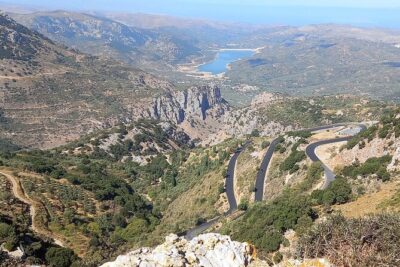
The mill is in Begijar, near the UNESCO World Heritage cities of Baeza and Úbeda. It’s about 6 km from Baeza, 18 km from Úbeda, and roughly 30 km from Jaén, so you can pair this with one of those towns if you like a two-part day.
But here’s the practical catch: the olive mill is only reachable by car or bike, and transfers aren’t included. That means you’ll want to plan your own ride, arrange a local taxi, rent a car, or bike if that fits your trip style.
Your meeting point can vary depending on the option booked, so check what you’re assigned when you reserve. For French or English tours, the starting time is 12:30, and you’re asked to request that language option one week ahead.
Touring the Outdoor and Indoor Installations: From Olive Reception to Extraction
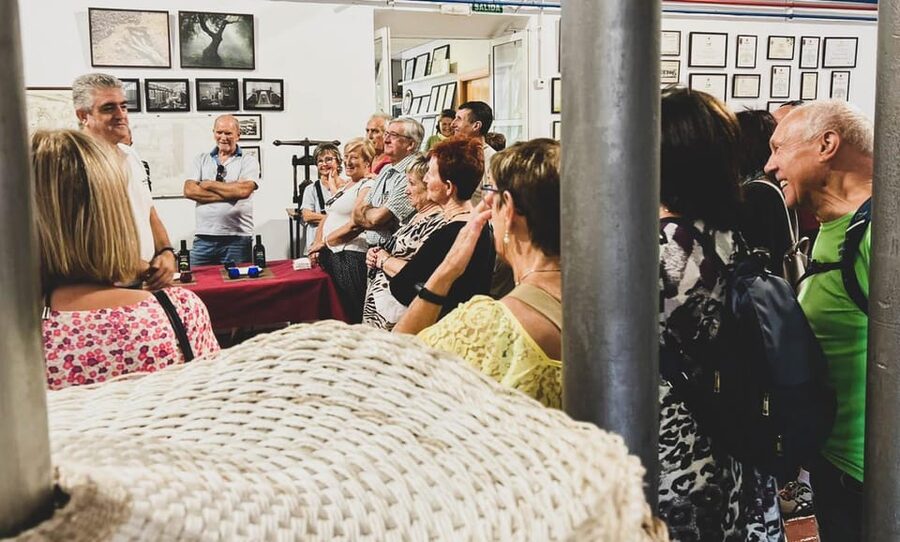
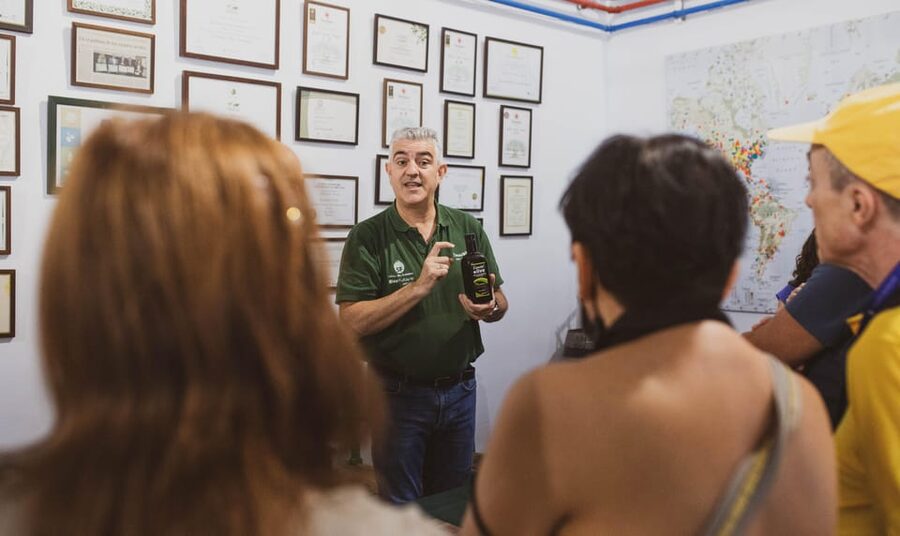
The tour starts with a walk through the outdoor and indoor installations, where staff explain how olives arrive and how the workflow runs. You’ll see the olives’ reception process and the steps used to extract oil.
This is where the tour earns its keep. The guide points out the equipment and milling methods, including current and antiquated techniques, so you can understand what changed (and what didn’t) as technology improved.
You’ll also get a quick sense of what happens after the pressing stage. The cellar visit shows where oil is stored, and the visit includes a video about the olive oil world. It’s a nice rhythm: walk, explain, observe, then sit briefly to connect the dots.
One benefit of this format is that you can ask questions as you go. The process is tangible in front of you, so it’s easier to relate what you’re learning to what you’ll smell and taste later.
The Cellar Stop and the Video: Turning a Process Into a Product
After you’ve seen the machinery and steps, you go into the cellar where the oil is stored. This matters because oil quality doesn’t end when pressing ends. Storage and handling play a role in the final product.
Then you watch a video about olive oil. It’s helpful if you’re new to tasting extra virgin oils, because it sets expectations for what you’re about to notice. Even if you’re an oil fan already, the combination of practical walk-through plus the short film usually makes the whole system click.
The tour also leans into family production and tradition in Andalusia. This isn’t museum history; it’s a working craft translated for visitors.
Tasting the Esencial Olive Trio: How to Read Aroma and Flavor
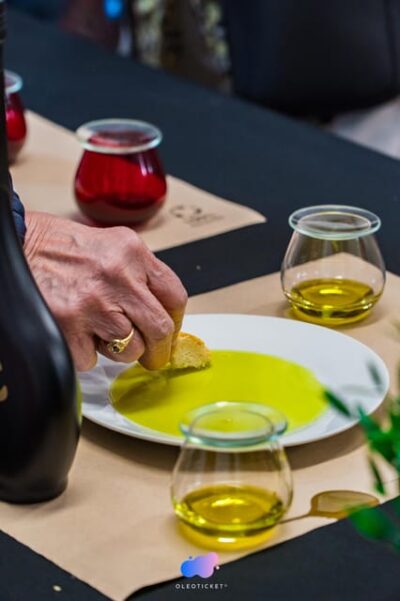
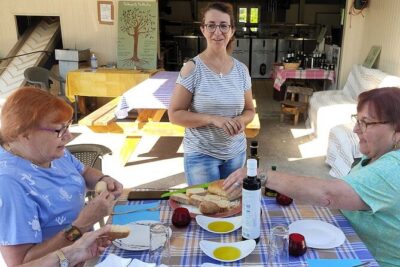
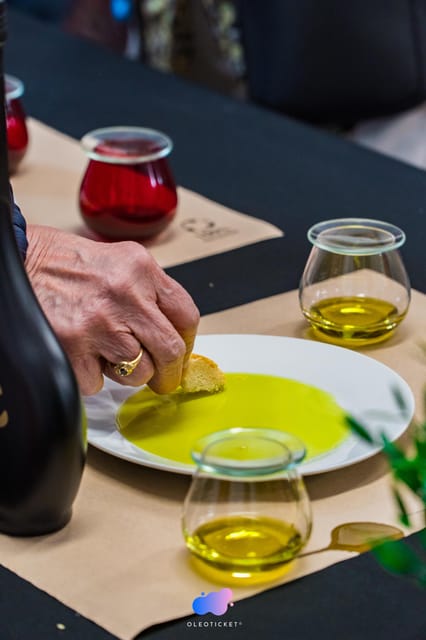
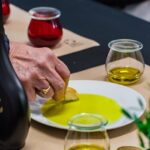
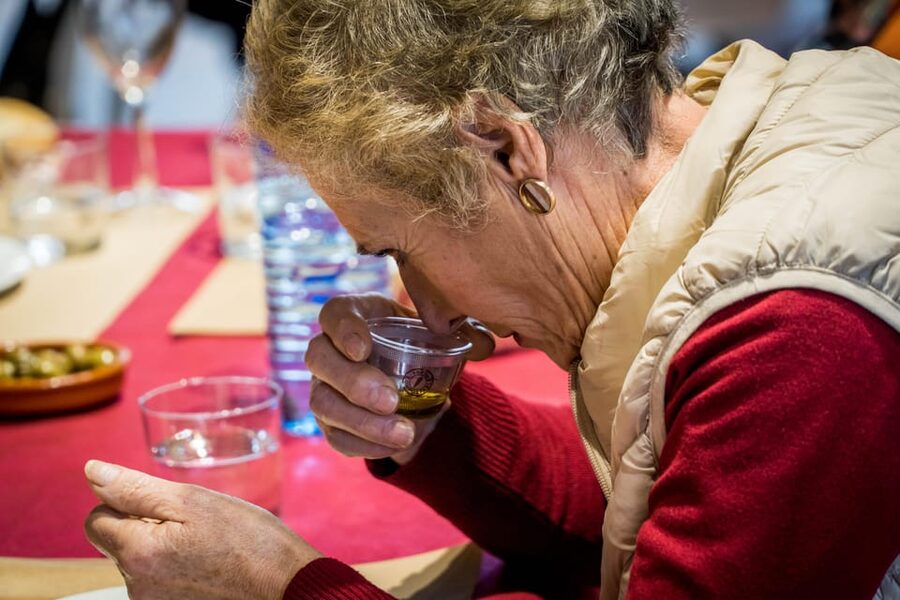
The tour ends with a tasting in the tasting room of three extra virgin olive oils from the Gourmet range Esencial Olive. The tasting is guided, and the whole point is learning how to distinguish sensorial aspects—flavor and aroma—so you’re not just drinking something that tastes like olive.
Here’s the value: once you practice comparing three oils side by side, you start to understand why people argue about quality. You’ll notice differences that simple supermarket labels won’t show you.
The experience is also set up to help you remember. You can focus on a few key sensations at a time: the nose first, then the taste, then the finish. If your palate is still forming, the guide’s explanations make the learning curve much shorter.
And it’s not just theory. Many people leave talking about what the tasting taught them, especially the contrast between oils that feel similar on paper but don’t behave the same in the glass.
Samples, the Thematic Shop, and What’s Worth Buying
After the tasting, you receive a gift: two samples of award-winning extra virgin olive oils. Even if you don’t want to buy much, these samples are a smart way to keep tasting at home and compare what you remember to what you actually poured.
If you do want to take Spanish food home, the mill has a thematic shop related to olive oil. You may find items like olives, tapenades, beauty products, and chocolates made with olive oil, plus local products such as wine.
My advice: if you’re buying for cooking, taste first, buy second. The best oil is the one you’ll actually use. If you’re buying as a gift, pick two bottles in different flavor styles so you cover both cooking and finishing.
Price and Value: Is $21 Worth 1.5 Hours in Begijar?
At $21 per person, this tour is priced like a focused local experience, not like a big production. You’re getting an infrastructure tour (outdoor and indoor installations), an educational explanation of extraction steps, a cellar stop and video, plus a guided tasting of three extra virgin oils.
That’s the value math: you’re paying for expertise and structure. If you tried to DIY this by driving to a random shop, you’d likely get sales talk but not the same clear walk-through of the process, old vs new milling, and a guided tasting framework.
Also, the mill is described as open to visitors daily, and the daily schedule helps you fit it without major planning stress. If you time it well, it becomes a low-cost “master class” day segment.
One more way to look at it: the tasting helps you buy better later. That can save money if you’ve ever accidentally purchased an oil that tasted flat or too strong for your use.
When the Tour Runs Best: Seasonal Production Tips
The mill’s operation depends on the production season. If you can plan around it, the best time mentioned for seeing production running is mid-October through the end of December.
That doesn’t mean the tour won’t be worthwhile outside those months. It means you might see a bit more “in the flow” energy when the work is active. If your travel dates are flexible, this is a good reason to align your visit with the harvest rhythm.
Who Should Book This Tour (and Who Might Want Something Else)
This is a strong pick if you:
- enjoy hands-on food learning and want more than a generic tasting
- cook at home or love understanding ingredients behind the scenes
- want a family-run mill experience close to Baeza and Úbeda (UNESCO cities)
It’s also great for mixed groups, including families. Several guides (and even small groups) have a knack for keeping it friendly and not too stiff, which matters when you’re traveling with kids.
You might choose something else if:
- you want a super-artsy, slow-paced experience with lots of free time
- you don’t have a way to get to Begijar by car or bike (since transfers aren’t included)
- you’re looking for a long, multi-hour “festival” vibe rather than a tight production-and-tasting format
Should You Book the Jaén Olive Mill Tour?
If you’re in Andalusia and you want a real olive oil story—how the olives arrive, how extraction works, and how quality shows up in taste—then book it. The structure is simple, and the value is strong: production walk plus a guided three-oil tasting for $21, in about 1.5 hours.
Do it especially if you care about cooking oil flavor, or if you’ve ever been confused by why extra virgin tastes different from bottle to bottle. This tour gives you a practical way to spot those differences quickly.
Just plan your ride to Begijar ahead of time, and you’ll have an easy, satisfying half-day stop that feels rooted in Andalusian life.
FAQ
How long is the Jaén olive mill tour?
The tour lasts 1.5 hours.
How much does the tour cost?
The price is $21 per person.
What’s included in the experience?
You get a guided tasting of 3 extra virgin olive oils.
Do I get samples to take home?
Yes. After the tasting, you receive 2 samples of award-winning extra virgin olive oils.
What languages are available for the guided tour?
Tours are available in French, English, and Spanish with a live guide.
What time do the French or English tours start?
For French or English, the starting time is 12:30. You should request this language option one week before your visit.
Where is the mill, and how do I get there?
The mill is in Begijar, about 6 km from Baeza, 18 km from Úbeda, and 30 km from Jaén. It’s reachable only by car or bike, and transfers aren’t included.
Is the tour wheelchair accessible?
Yes. It lists wheelchair accessible facilities and adapted access.
Are children allowed?
Yes. There is free entrance for children under 8.
Are pets or smoking allowed?
No. Pets aren’t allowed, and smoking is not allowed.