REVIEW · BEGIJAR
Jaén: Guided Olive Grove Tour
Book on GetYourGuide →Operated by Oleícola San Francisco S.L. Baeza · Bookable on GetYourGuide
Olive oil here comes with real context. This guided olive grove tour in Jaén walks you from how trees are grown to how olives are processed, then ends with a three-oil extra virgin tasting that makes the science tasteable. I especially like that the explanations happen step by step, with guides such as Jose and Anna clearly answering questions as you go.
One thing to plan for: transfers aren’t included, and the olive mill in Begijar is reachable only by car or bike (it’s not right in the middle of Jaén). If you’re relying on public transport or taxis, you’ll want to sort your ride to Begijar ahead of time.
In This Review
- Key things I’d highlight before you go
- Why Jaén’s olive grove walk feels practical
- From tree to harvest: what you’ll learn in the olive grove
- Inside the olive mill: where olives become oil
- Cellar storage and a short film projection
- The tasting room: how the trio tasting builds your palate
- Price and value: what $35 buys you in 3 hours
- Logistics to Begijar: the one part you can’t ignore
- Languages and guides: getting answers, not just a script
- Who should book this olive grove and mill tour
- Should you book Jaén’s guided olive grove tour?
- FAQ
- How long is the Jaén guided olive grove tour?
- What’s included in the price?
- Is the tour available in English, French, and Spanish?
- What time do the French or English tours start?
- Where is the olive mill, and how do I get there?
- Does the meeting point stay the same?
- Are tours offered on weekends and holidays?
- Can I bring children?
- What cancellation rules should I expect?
Key things I’d highlight before you go
- Family-focused production: you see the olives-to-oil flow from the people who work with it.
- Historic + current equipment: you’ll compare older and newer milling methods in the same visit.
- Outdoor-to-indoor process tour: you move through reception and extraction steps, not just a quick look.
- Cellar viewing and a video: you get extra framing after the milling walkthrough.
- Taste three different extra virgin oils: the goal is learning flavors and aromas, not just sampling.
Why Jaén’s olive grove walk feels practical
Jaén’s olive culture isn’t presented as trivia. It’s taught as a working process, with you moving through the olive grove and then into the olive mill installations. That structure matters because you can connect what you see in the trees to what happens later when the olives are processed.
I also like that this isn’t a one-note “follow the guide and snap photos” tour. You get enough detail to understand the steps, then the tasting room ties it together so your senses do the last bit of learning.
The tour runs for 3 hours, so it’s long enough to be meaningful but short enough to fit into a normal travel day in the area.
You can also read our reviews of more tours and experiences in Begijar.
From tree to harvest: what you’ll learn in the olive grove
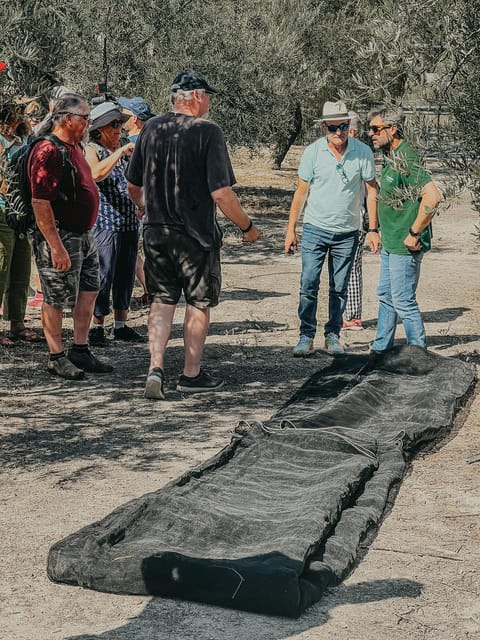
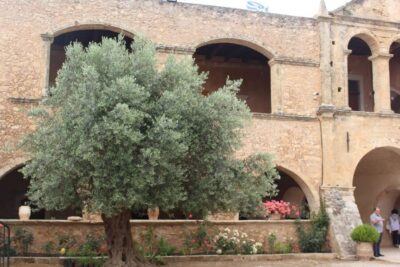
Your visit starts with a walk through the olive grove, where you learn how olive trees are grown and how olives are harvested. This is where the tour earns its keep: you get the basics of the raw material before you see any equipment.
You’re taught the olive process directly, with the tour described as coming from family workers involved in the work. That kind of access changes the tone. Instead of hearing generic facts, you’re getting explanations that feel connected to how production really happens.
I like the way this portion sets up the later stops. When you then see reception and extraction steps, you already know what “good harvest” and “olive handling” mean in practice.
Inside the olive mill: where olives become oil
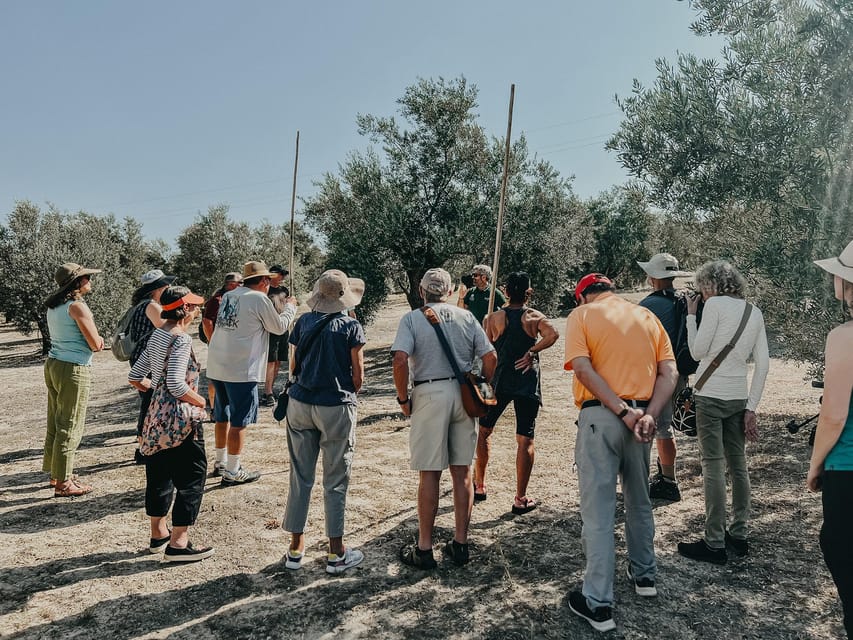
After the grove, the tour continues through outdoor and indoor installations, with explanations along the way. You’ll see the equipment used and how olives are received for processing, plus the main steps for oil extraction.
A standout element is that you don’t just get a modern factory view. You also see methods of milling using both older and newer machines, which gives you a sense of how production can change over time while keeping the same goal. When you’re standing near the actual equipment, it’s much easier to understand the process than from a brochure.
I also found the pacing helpful. You’re taken through the sequence first, with plenty of details to explain the olive reception process and milling steps, so the visit feels like an actual tour of production rather than a quick museum-style stop.
Cellar storage and a short film projection
Next comes a look at the cellar where the oil is stored. This is the part that helps you understand that making olive oil isn’t the finish line. Storage and handling after extraction are part of the quality story, and the tour gives you that missing link.
There’s also a video projection focused on the world of olive oil. It’s useful because it adds context after you’ve already seen the equipment and steps in person.
If you like tours that connect practical visuals with a bit of background, this stop gives you that bridge.
The tasting room: how the trio tasting builds your palate
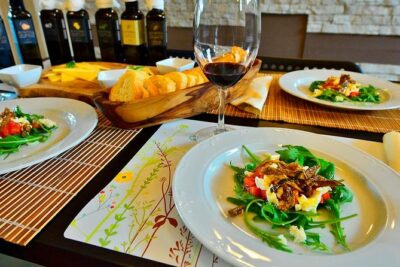
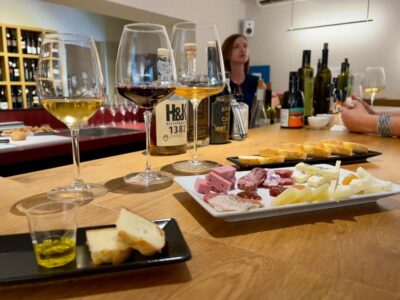
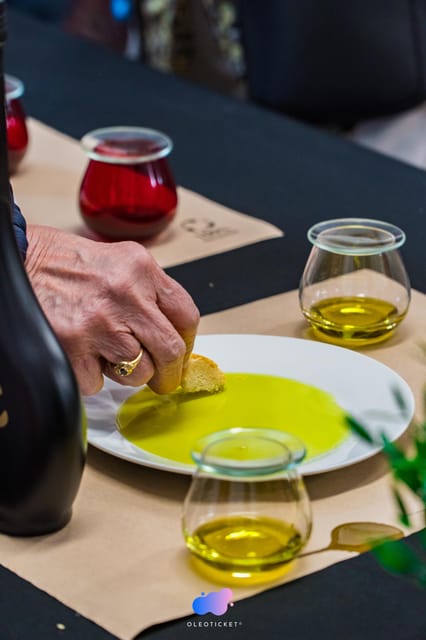
The tour ends in the tasting room with a tasting of a gourmet trio of extra virgin olive oils. You’ll try three oils and learn how to distinguish their aspects so tasting turns into something more than a quick sip.
This is where I think the tour earns its ticket price. The tasting is framed as a way to enjoy flavors and aromas, which means you’ll know what to pay attention to while you taste. When the guide walks you through what you’re sensing, the experience becomes memorable instead of forgettable.
Even better, the tasting isn’t presented as random. It’s positioned as part of the same journey you started in the grove, so you can connect the earlier lessons to what’s in your glass.
In tours like this, that pairing is everything. You’re not just learning olive oil facts; you’re learning how to notice differences.
Price and value: what $35 buys you in 3 hours
At $35 per person for a 3-hour guided experience, this tour is good value because it includes the whole arc: grove visit, olive mill tour, and a tasting of three extra virgin olive oils. Many “food and drink” experiences give you one highlight and a few photos. Here, you get multiple layers: trees, processing, storage context, and tasting practice.
It also helps that the tour includes a live guide in Spanish, French, or English. For many travelers, that language support is the difference between understanding a process and just seeing machines.
One more value point: this is set up as a small, focused experience rather than a long bus day. If you want a concentrated olive-oil education without losing half your afternoon to transportation, the timing works.
Logistics to Begijar: the one part you can’t ignore
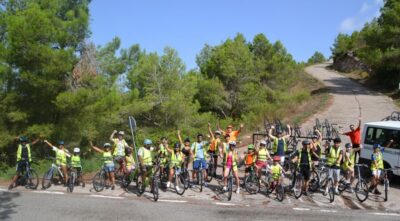
The olive mill is located in Begijar, about 6 km from Baeza, 18 km from Úbeda, and 30 km from Jaén. The key detail is that the mill is only reachable by car or bike, and transfers aren’t included.
So plan your arrival and departure intentionally. Your meeting point may vary depending on the option booked, so confirm the exact pickup spot when you reserve. If you’re coming from Baeza or Úbeda, you’ll likely want your own ride or a coordinated plan with your group.
Also note the tour schedule detail that matters for planning: French or English tours start at 9:30am. Spanish options are offered too, but if you’re aiming for the English/French times, build your day around that 9:30am start.
Tours run daily, and Saturdays, Sundays, and holidays are included, which gives you flexibility if your plans shift.
Languages and guides: getting answers, not just a script
This is a live guided tour available in Spanish, French, and English. The guides also show up in real-world ways, not just as voices reading a route.
From the experience descriptions, Jose guided an English tour with clear explanations about olives and processing, and Anna led an informative visit that included older and newer machines for oil production. That combination matters: you want someone who can explain the process and handle your questions as you see the equipment.
If you like interactive learning, this kind of guide-led Q&A feel is a big reason to pick this tour over a self-guided visit.
Who should book this olive grove and mill tour
I’d put this tour on your shortlist if you want hands-on olive oil education in a short time. It’s ideal for people who enjoy food culture with real process details, and who like closing the loop with tasting.
It’s also a solid fit if you’re visiting the Baeza–Úbeda area and want a day activity that’s not just wandering streets. The olive grove and mill stops give you a different side of Andalusian life than you’d get from purely urban sights.
If you’re traveling with family, note that children under 6 have free entrance. And if you need to tailor the experience, there are private group options, plus adapted facilities and access for reduced mobility listed for the tour.
Should you book Jaén’s guided olive grove tour?
If you’re curious about how olive oil goes from grove to mill to glass, I’d book it. The best part is the full sequence: grove basics, equipment and extraction steps (old and new), cellar context, and then a tasting designed to train your senses.
Skip it only if you’re unwilling to handle the Begijar logistics yourself. With no transfers and a mill that’s reachable by car or bike, this isn’t the easiest tour for visitors who want everything handed to them.
FAQ
How long is the Jaén guided olive grove tour?
The tour lasts 3 hours.
What’s included in the price?
The included items are a visit to an olive grove, an olive mill tour, and a tasting of 3 extra virgin olive oils.
Is the tour available in English, French, and Spanish?
Yes. The tour offers Spanish, French, and English language options, and the film projection is also available in these languages.
What time do the French or English tours start?
The starting time for the French or English tours is 9:30am.
Where is the olive mill, and how do I get there?
The olive mill is in Begijar. It’s reachable only by car or bike, and it’s listed as 6 km from Baeza, 18 km from Úbeda, and 30 km from Jaén. Transfers are not included.
Does the meeting point stay the same?
The meeting point may vary depending on the option booked, so it’s best to confirm your exact meeting location when you reserve.
Are tours offered on weekends and holidays?
Yes. Guided tours are available daily, and Saturdays, Sundays, and holidays are included.
Can I bring children?
Children under 6 have free entrance.
What cancellation rules should I expect?
The activity information lists free cancellation up to 24 hours in advance for a full refund, and it also notes that 48 hours notice is required for cancellations. I recommend checking your specific booking details before you finalize plans.