REVIEW · HERAKLION
Knossos Palace Lasithi Plateau Villages & Olive Oil Mill
Book on Viator →Operated by Tours in Heraklion · Bookable on Viator
One day, several Crete worlds. I like how this Heraklion-area route builds around olive oil tasting and then caps the day with Knossos Palace, plus a string of small-village stops that feel like real Crete. You’ll learn how olive oil is judged by sight and scent, then you’ll step into myth at Zeus Cave and finish at one of the island’s biggest archaeological draws. The main catch: you’ll pay extra for Knossos Palace and Zeus Cave entrance, and lunch is optional.
I also like the pace. It isn’t just driving from one photo spot to another; you get short, focused time in places like a plateau olive press, a pottery workshop, and a local kafeneio for Greek coffee. One possible drawback to plan for: it’s a long day (about 7 to 8 hours), and pickup only covers the Heraklion area.
Small group size helps. With a maximum of 12 people, you’re more likely to get your questions answered (guides such as Spyros and Niko have been especially praised for being friendly and for sharing lots of context), and you ride in a Mercedes van with coffee and water included.
In This Review
- Key Highlights You’ll Care About on This Lasithi + Knossos Day
- How This Lasithi Plateau and Knossos Day Works (and Why It Feels More Local)
- Omalia Olive Press: The Olive Oil Tasting Lesson You’ll Actually Remember
- Lasithi Windmills: Short Stop, Big Story About Old Technology
- Zeus Cave (Dikteon Cave) and the Plateau’s Myth Trail
- Psychro Pottery Workshop: Turning Local Clay Into Everyday Art
- Lasithi Mesa Kafeneio: Greek Coffee That Actually Feels Like a Pause
- Lunch at Restaurant Tzanakis Michael: Cretan Plates You’ll Recognize
- Krasi and the 2400-Year-Old Plane Tree: Shade, Photos, and Village Calm
- Passing Olive Groves and Aposelemis Dam Views (Water, Engineering, and Scenery)
- Knossos Archaeological Site: What to See When Time Is Limited
- Price and Value: Is $138.47 Worth It for a Full Day?
- Should You Book This Lasithi Plateau and Knossos Tour?
- FAQ
- How long is the tour?
- What’s included in the price?
- Are entrance fees included for Knossos Palace and Zeus Cave?
- Is lunch included?
- Do you offer pickup from anywhere in Crete?
- What languages is the tour offered in, and how large is the group?
- What is the cancellation policy?
Key Highlights You’ll Care About on This Lasithi + Knossos Day
How you taste olive oil (not just a sip): you’ll warm oil in your hand, smell it, and then taste for fruitiness, bitterness, and peppery notes.
Lasithi Plateau’s windmill legacy: you’ll see the iconic windmills and hear what they were used for back when they powered grinding.
Zeus Cave (Dikteon Cave) + myth: you’ll spend time in the cave said to be Zeus’s birthplace, paired with natural scenery.
Psychro pottery workshop watch: you’ll see how local clay becomes pottery, shaped on a wheel with techniques passed through generations.
Greek coffee ritual at Lasithi Mesa: expect the small handle-less cup, plus a glass of cold water, with locals lingering over conversation.
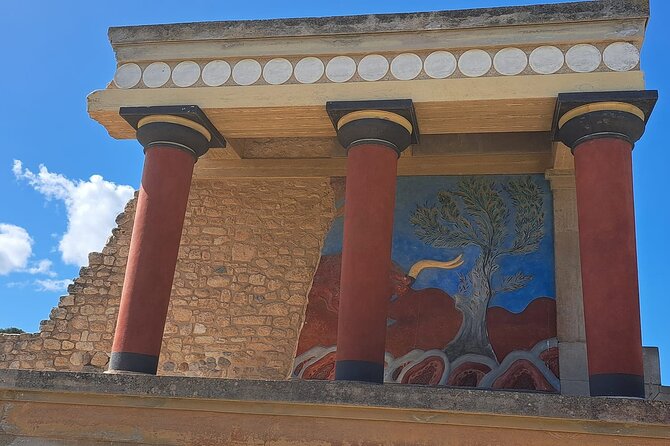
Knossos at the right tempo: you’ll focus on big palace highlights—like the Throne Room and fresco areas—without losing the thread.
How This Lasithi Plateau and Knossos Day Works (and Why It Feels More Local)
This tour stitches together Crete themes that usually get separated: food craft, mountain village life, mythology, and major archaeology. You start with a pickup from your accommodation in the Heraklion area and travel by Mercedes Benz with an English-speaking driver guide.
Plan for a full day out of the city. Even with short stops (30 minutes here, 1 hour there), the driving time and the number of locations is why it lands around 7 to 8 hours. The plus is variety: you get a plateau day that still ends in Heraklion’s big-name site, Knossos.
Group size stays small, with a maximum of 12 travelers. That matters when you’re moving through caves, workshops, and historic sites, because you’re not stuck waiting for a huge crowd.
You can also read our reviews of more tours and experiences in Heraklion.
Omalia Olive Press: The Olive Oil Tasting Lesson You’ll Actually Remember
The first big wow moment is the olive press stop at Omalia Olive Press. Visiting an olive oil mill isn’t just watching equipment—it’s how you learn what you’re tasting, and why Cretans treat olive oil like more than a condiment.
Here’s what makes the tasting part useful: you’ll be guided through how to taste olive oil properly. That means warming the oil in your hand, then smelling it, and finally sipping so you can pick up different flavor layers. The guide will help you notice fruitiness, bitterness, and pepperiness, which is the kind of language that turns random opinions into something you can use at home.
You’ll also learn the difference between extra virgin, virgin, and refined olive oil. Even if you never become an olive oil nerd, this gives you better shopping sense later. You’ll understand what people mean when they say an oil tastes strong, fresh, or sharp.
This stop runs about an hour, and the tasting time is designed to feel sensory. The best part is that you leave with a personal reference point—your nose and tongue now have a frame of reference for what good oil can taste like.
Lasithi Windmills: Short Stop, Big Story About Old Technology
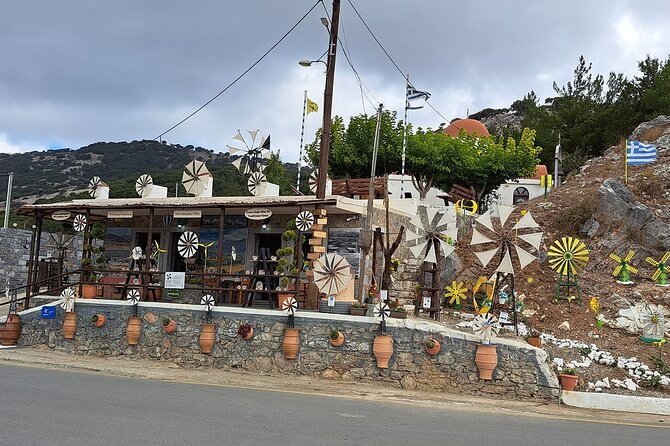
Next comes the Windmills of Lasithi Plateau—a quick but meaningful stop. These windmills are iconic for a reason: they were once used to grind wheat and other grains, so they weren’t just decorations. On the plateau, seeing them up close makes the technology feel real and practical rather than postcard-only.
Time here is about 30 minutes. That’s enough to walk a bit, take photos, and connect the windmill image to the work it used to do. If the weather is clear, you’ll also enjoy the open views that come with this part of Crete.
One thing to keep in mind: wind can be part of the experience. It’s a plateau, and the windmills are literally built for it, so plan for breezy conditions.
Zeus Cave (Dikteon Cave) and the Plateau’s Myth Trail
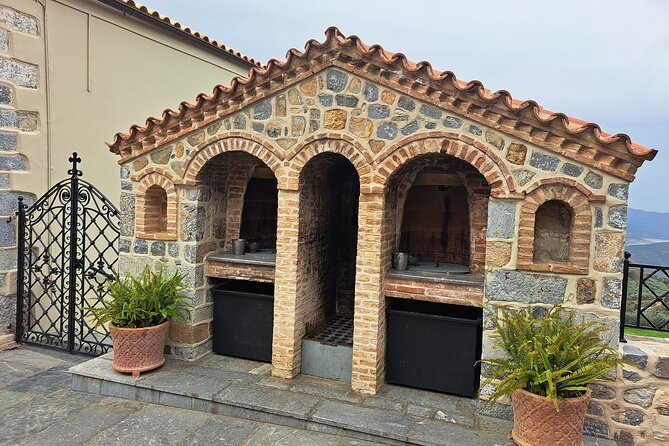
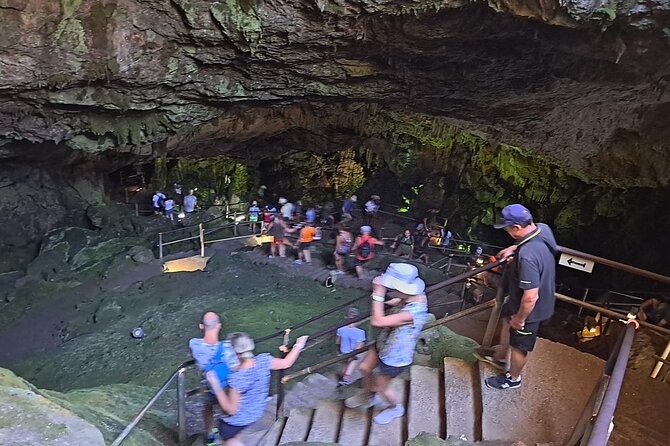
Then you move to Cave of Zeus, also called Dikteon Cave. This stop is a clear shift from food craft and old-world tech into myth and stone-and-shadow atmosphere—an ancient cavern reputed to be the birthplace of Zeus.
You spend about 2 hours here. That time is important because caves are not a quick look-and-leave situation; you need a bit of breathing room to follow the guide’s story and explore at a reasonable pace.
Entrance for the cave is not included, so this is one of the add-on items you should budget for. The good side is that the day is otherwise strong on included stops, so you’re not constantly paying for every single stop.
If you’re sensitive to crowding or enclosed spaces, this is the part of the day where you’ll want to pay attention to how it feels once you arrive. The tour is designed to give you time, but caves are caves—thicker air, darker interiors, and more time looking down and around.
Psychro Pottery Workshop: Turning Local Clay Into Everyday Art
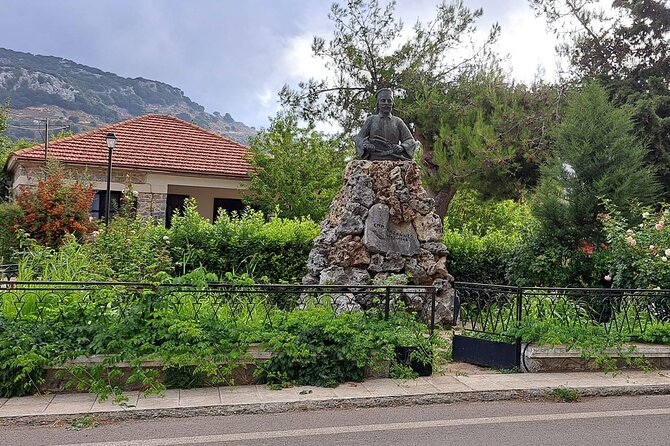
The Psychro stop adds something hands-on, even if you’re mostly watching. You’ll visit a pottery workshop in the Lasithi Plateau area, where artisans use techniques passed through generations.
This is the kind of experience that works well for almost any traveler type. If you’re into craft, you’ll appreciate the process. If you’re more into photos and culture, you’ll still get something visual and learnable.
What you’re likely to see: local clay selection (because it’s prized for quality and malleability), shaping on a wheel, and then watching the piece take shape into functional pottery. The point isn’t a long museum lecture; it’s the feel of making, step by step.
Time here is about 30 minutes, and the experience is included in the sense that the visit doesn’t require an extra admission ticket at this stop.



Lasithi Mesa Kafeneio: Greek Coffee That Actually Feels Like a Pause
At Lasithi Mesa, you get a break that’s more than a stop for caffeine. You step into a traditional Greek kafeneio, where the focus is conversation, small-table games, and daily life.
Expect Greek coffee to show up fresh, along with a glass of cold water. You’ll notice how locals linger—some people chat, some play backgammon, and some read the newspaper. Even if you don’t speak the language fluently, the rhythm is easy to understand.
There’s a practical reason I like this stop: it prevents the day from turning into a nonstop sightseeing sprint. It’s about resetting your brain before you tackle the more demanding site time later.
This stop runs about 30 minutes, and it comes with free admission.
Lunch at Restaurant Tzanakis Michael: Cretan Plates You’ll Recognize
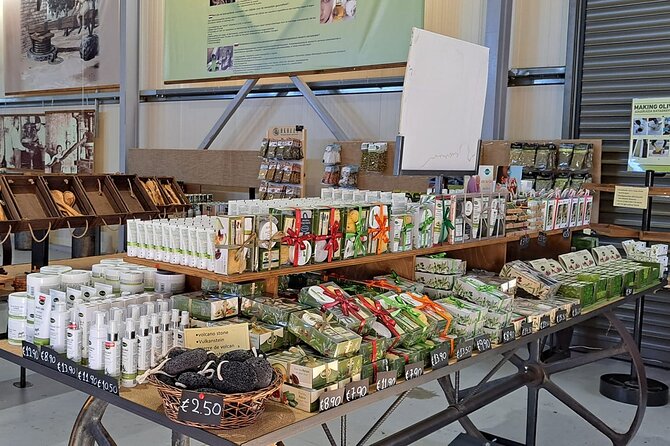
Next is lunch at Restaurant Tzanakis Michael. Lunch is optional (not included in the tour price), but this is one of those moments where you’ll likely feel glad the stop exists.
The menu examples you can look forward to include classics like moussaka (baked layers of eggplant, minced meat, and béchamel) and stifado (slow-cooked beef stew with onions and a hint of cinnamon). If you’ve been trying to decide what Cretan comfort food tastes like in one sitting, this is the place the tour points you.
Even if you skip lunch, the stop is still a chance to breathe and take in the setting. If you do eat, I’d recommend choosing one main dish and one side or salad, then finishing with whatever dessert feels most tempting on the day.
Krasi and the 2400-Year-Old Plane Tree: Shade, Photos, and Village Calm
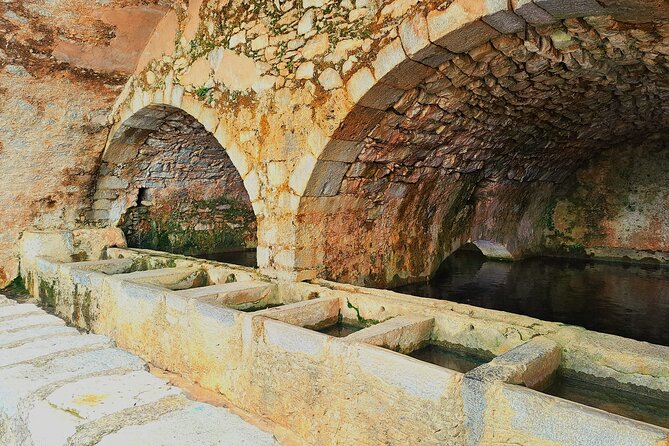
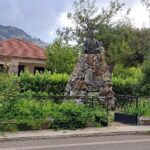
After lunch, you head to Krasi, a quiet village known for traditional Cretan architecture and a slower atmosphere. This is a simple stroll stop, about 20 minutes, but it’s the kind of stop that keeps the day from feeling overly structured.
The star here is the plane tree estimated to be over 2400 years old, among the oldest and largest trees in Europe. You’ll be able to admire the massive trunk and wide canopy, and it’s also a natural gathering place—shade and meeting point rolled into one.
If you like photos, this is one of the places where you’ll actually want to take a few. The tree gives you a landmark, and the village setting helps the images look like Crete, not like a set of “tour stops.”
Passing Olive Groves and Aposelemis Dam Views (Water, Engineering, and Scenery)
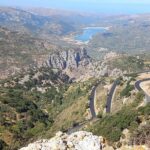
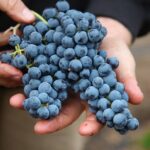
Between villages and sites, the tour passes through olive groves, so you get some scenery without it turning into a long lecture. It’s a quick visual reminder that olive growing is part of the same culture thread as the olive press stop earlier in the day.
Then you reach Aposelemis Dam, where the focus shifts to engineering and nature working together. You’ll learn about how the dam was constructed, why it matters for the local water supply, and the environmental measures taken to preserve the natural habitat.
The best part is the payoff: you get panoramic views of the reservoir and surrounding mountains. The water reflects sky and hills, so photos often look good without needing complicated angles.
Time here is short (about 10 minutes), but it’s worth it. In a day packed with caves, ruins, and crafts, a water-and-mountain view is a nice mental reset.
Knossos Archaeological Site: What to See When Time Is Limited
The day’s finish is Knossos Archaeological Site, near Heraklion. This is the big headline: Knossos is the largest Bronze Age archaeological site in the world and Europe’s oldest city, tied to the Minoan civilization.
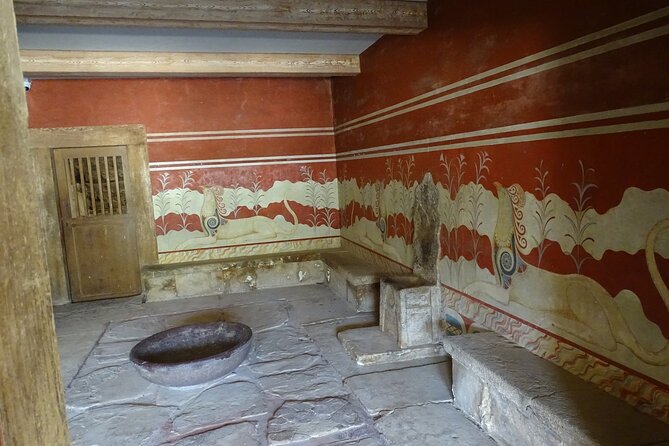
You spend about 1 hour 30 minutes, which is enough time to get oriented and hit the main palace highlights. The palace dates back to around 1900 BC, and you’ll see areas like the Throne Room, the Grand Staircase, the Royal Apartments, and the Central Court. You’ll also get to admire the frescoes, which are one of the best reasons people feel drawn to Knossos again and again.
One practical note: since entrance is not included, you should plan to pay the Knossos Palace ticket fee of 20 euro per person. If you’re budgeting, treat Knossos as the biggest add-on cost of the day.
With a guide leading you through the palace, the time feels more structured. I like this approach because it keeps you from drifting. You’re not stuck trying to guess what each room meant; you get the “why” alongside the “what.”
Price and Value: Is $138.47 Worth It for a Full Day?
At $138.47 per person, the pricing makes sense if you look at what’s included versus what’s extra.
Included in the base price are things that reduce friction: an English-speaking driver guide, pickup and drop-off from the Heraklion area, Mercedes transportation, all fees and taxes for the included stops, plus coffee and water. You also get mobile tickets and group discounts.
What’s not included are the big-ticket add-ons that matter for your budget: Knossos Palace entrance (20 euro per person), Zeus Cave entrance, and lunch is optional. That means your all-in cost depends on whether you eat lunch and what you pay for the cave ticket.
Still, value is strong because you’re not just “going to Knossos.” You get a full arc: tasting olive oil, learning how windmills worked, walking through a myth cave, watching pottery-making, taking a proper coffee break, and then finishing at the palace.
If you’re the kind of traveler who hates wasting half a day on logistics, pickup plus a small group size does a lot for you. And because the itinerary is packed but not endless, you can still feel like you learned something—not just collected stamps.
Should You Book This Lasithi Plateau and Knossos Tour?
Book it if you want one day that mixes Crete’s food culture with the myth-and-ruins side of the island. It’s especially a good fit if you care about olive oil beyond a generic taste—this tour gives you a practical tasting method and explains the grades.
You might skip it if you don’t want to pay extra for entrance fees, or if an all-day schedule sounds tiring. The tour is built for variety, and that means it’s not a slow, sit-longer kind of day.
Overall, I think this is a smart choice for visitors staying in or near Heraklion who want more than Knossos alone. The best part is the pairing: you leave Knossos with context from the olive press, the plateau villages, and the craft and daily-life stops that come before it.
FAQ
How long is the tour?
It runs about 7 to 8 hours.
What’s included in the price?
The tour includes an English-speaking driver guide, pickup and drop-off from the Heraklion area, transportation in a Mercedes Benz, coffee and water, and all fees and taxes for the included stops.
Are entrance fees included for Knossos Palace and Zeus Cave?
No. Knossos Palace entrance is not included (20 euro per person), and Zeus Cave entrance is also not included.
Is lunch included?
Lunch at the traditional tavern (Restaurant Tzanakis Michael) is optional, so it is not included in the tour price.
Do you offer pickup from anywhere in Crete?
Pickup is available from accommodations in the Heraklion area. It does not pick up from Rethimno, Chania, Souda port, Agios Nikolaos, Sitia, or Ierapetra areas.
What languages is the tour offered in, and how large is the group?
The tour is offered in English. The group maximum is 12 travelers.
What is the cancellation policy?
You can cancel for a full refund up to 24 hours before the experience’s start time.