REVIEW · HERAKLION
Private-Knossos Palace-Zeus -Villages-Olive Oil Factory
Book on GetYourGuide →Operated by Explore Real Crete Tours · Bookable on GetYourGuide
Olive oil, Zeus, and Knossos in one day. What makes this tour fun is the way it strings together the Lasithi Plateau villages and the big-name stop at Knossos Palace without turning the day into a sprint. I like starting with hands-on olive oil learning and tasting, and I also like how the old streets of Mochos and Krasi make Crete feel lived-in, not museum-still.
One possible drawback: the Zeus cave is currently closed, so you won’t go inside. If you’re the type who likes to plan around steps and stairs, keep in mind there’s typically a 15-minute uphill walk and about 200 steps involved if the cave reopens.
In This Review
- Key highlights worth knowing before you go
- A day that connects mountain Crete to Minoan legend
- Malia olive oil factory: the tasting part actually makes sense
- Mochos and Krasi villages: narrow streets, old landmarks, real pause time
- Windmills and Lasithi Plateau: how water and flour shaped daily life
- Zeus’s birthplace area and the cave closure reality
- Lunch at the mountain family restaurant: where the day slows down
- Knossos Palace: the big finish, with room to breathe
- Price and logistics: is $135 good value?
- Who this tour is best for (and who should skip)
- Should you book this Private-Knossos Palace-Zeus day?
- FAQ
- How long is the tour?
- Does the tour include hotel pickup?
- Is lunch included in the price?
- What about Knossos Palace entrance fees?
- Is Zeus’s cave included?
- What are the tastings included?
- How large is the group?
Key highlights worth knowing before you go
- Malia olive oil factory start with tasting and learning how the olive turns into the oil you cook with
- Krasi and the oldest plane tree on Crete, estimated at over 2,000 years old
- Lasithi Plateau at around 900 meters, where mountain air and views change the pace
- Old windmills used for corn and wheat grinding and for pumping water to crops
- Small group setup (up to 10) with a relaxed day plan, guided in English
- Knossos Palace exploration time where you can go at your own speed (or add a private guide)
A day that connects mountain Crete to Minoan legend
This is the kind of Crete day you’ll like if you want more than postcards. The route builds from everyday rural life—olive groves, villages, windmills—then lands you at Knossos, one of Greece’s most famous archaeological sites. The pacing tends to feel human. You get time to look, ask questions, and catch your breath between stops.
I also like that you’re not just chauffeured from one highlight to another. You’re guided through what you’re seeing: why the windmills mattered, what villages held onto, and how the region shaped food and culture. For many people, that makes Knossos more than a ticketed stop—it becomes part of a bigger picture of how Crete worked long before and long after the Minoans.
At $135 per person for 8 hours, the value is strongest when you’d otherwise drive yourself. You’re paying for the logistics (pickup, air-conditioned transport, guiding, and entrance-free learning stops). If you only care about one site—Knossos—then a shorter Knossos-only option might be cheaper. But if you want the whole story in a single day, this is a solid use of time.
You can also read our reviews of more tours and experiences in Heraklion.
Malia olive oil factory: the tasting part actually makes sense
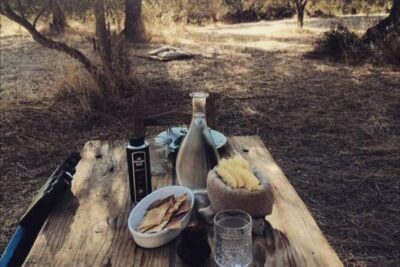
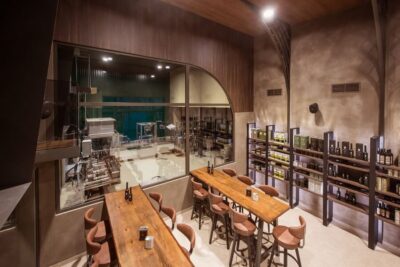
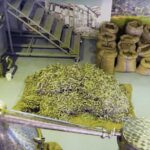
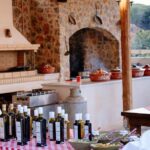
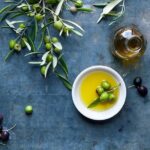
The day begins at an olive oil factory in Malia. This isn’t just a look-and-leave stop. You’ll learn the olive oil making process and then taste the results. The tour emphasizes the idea of olive oil as Crete’s “golden liquid,” and tasting is how you connect the theory to real flavors.
What I think works especially well here is the tasting variety. You’ll sample different local olive oils, and the tour also includes olive plus raki oil tasting. That matters because raki-flavored oils aren’t something you’ll usually find at home in a normal grocery setup. Even if you don’t buy anything, tasting gives you a reference point for what you like—peppery, mellow, fruity, or more herbal.
Practical tip: go a little hungry. Coffee, soft drinks, and bottled water are included, but the tasting is more enjoyable when your taste buds aren’t totally overloaded. Also, bring a small snack only if you know you get low blood sugar. The schedule includes other food moments later, but the day is still structured around sights.
Mochos and Krasi villages: narrow streets, old landmarks, real pause time
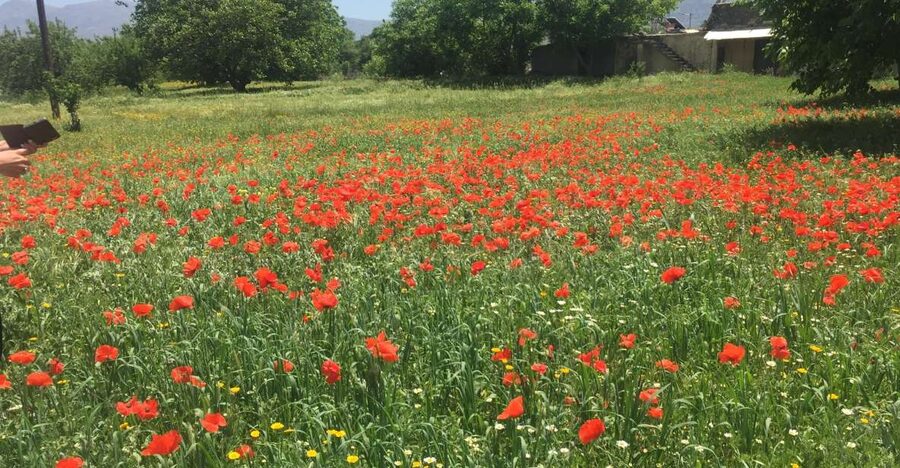
After the olive oil start, the day shifts into village time. One stop is Mochos, where you walk the old narrow streets and get a feel for how the town is arranged. It’s the kind of place where you slow down without being told to. The tour also includes time to stop for a drink in the main square area, which is a nice change from constant looking out windows.
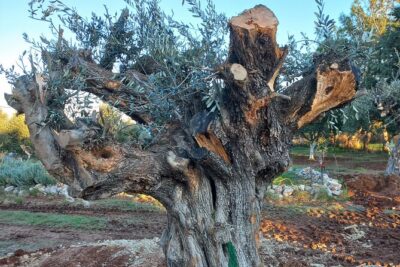
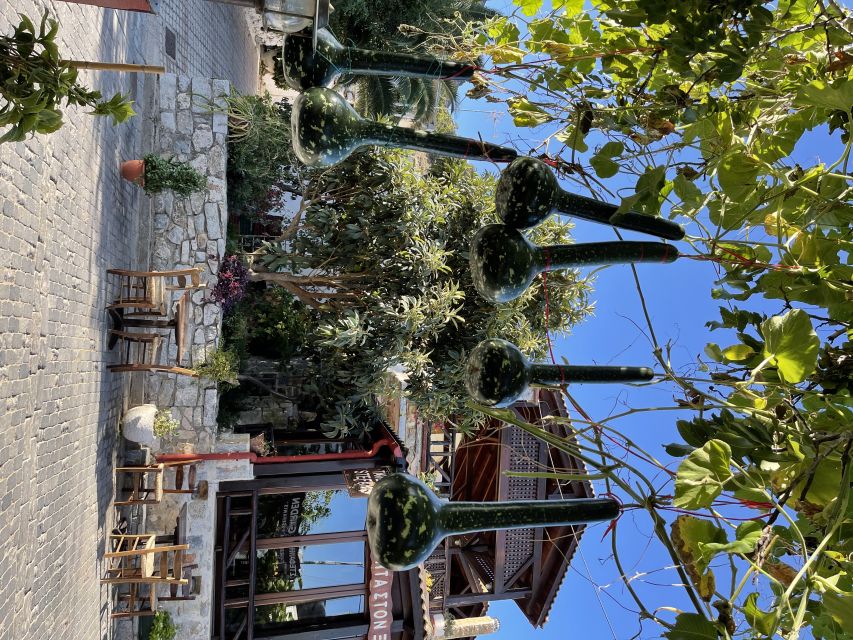
Then comes Krasi, famous here for one standout living landmark: the oldest plane tree on Crete, estimated to be older than 2,000 years. It’s not just a photo-op tree. Seeing something that old in an active village setting makes the whole day feel less like a checklist and more like a place with continuity.
You might also see small extra stops depending on the day’s route. One review mentioned additional short add-ons like a yogurt shop and a strawberry plantation, and another noted a pottery workshop stop. That’s a good sign if you like variety, but it’s worth knowing: this is not a rigid, never-change itinerary.
If you love village walking, wear shoes you trust. Even when distances aren’t long, village streets can be uneven. And if you prefer quiet sightseeing, this part of the day gives you that without feeling like you’re stuck in a slow-moving queue.
Windmills and Lasithi Plateau: how water and flour shaped daily life
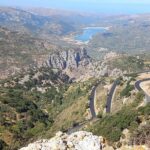
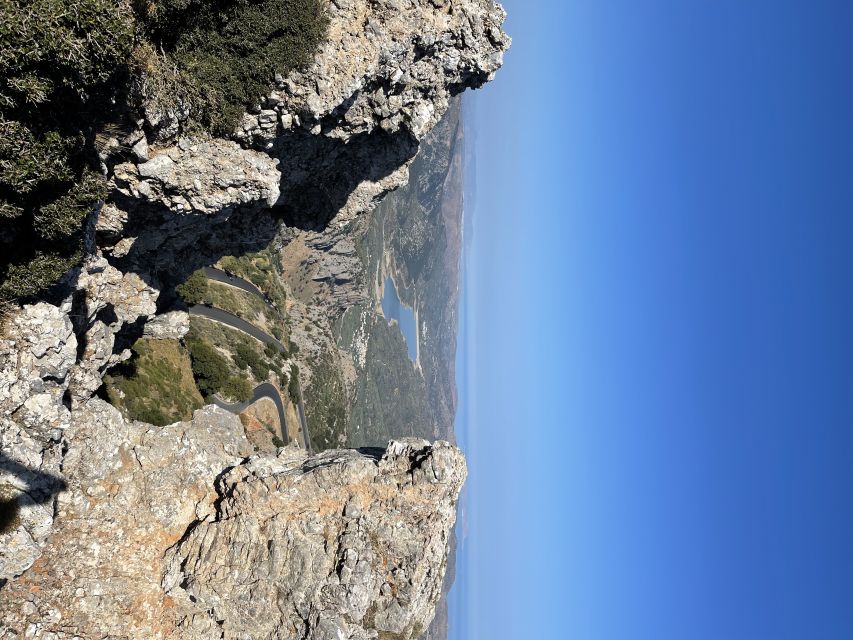
Next you head toward the Lasithi Plateau, one of Crete’s biggest plateaus, located at around 900 meters above sea level. The change in elevation matters. It often feels cooler than the coast, and it gives you that classic mountain “open air” feeling.
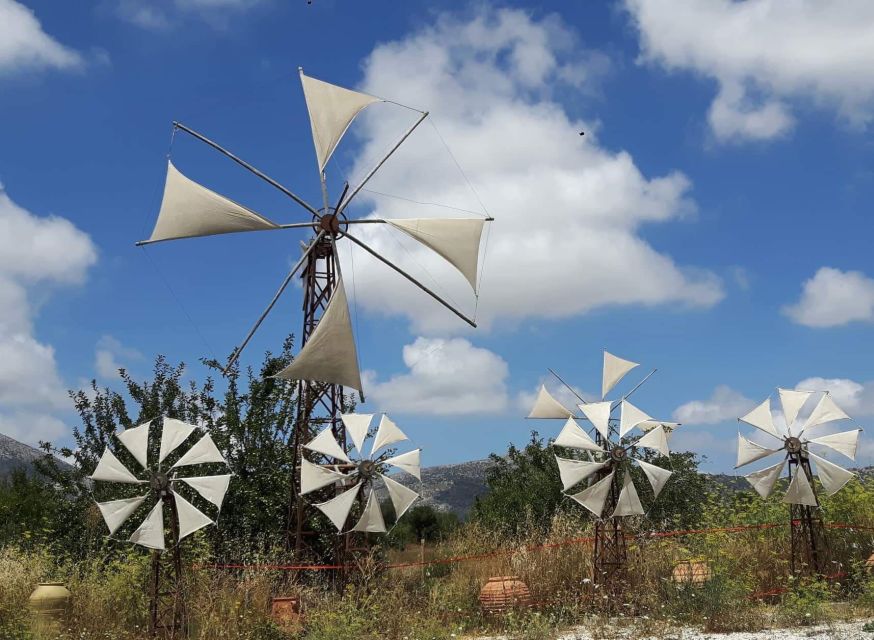
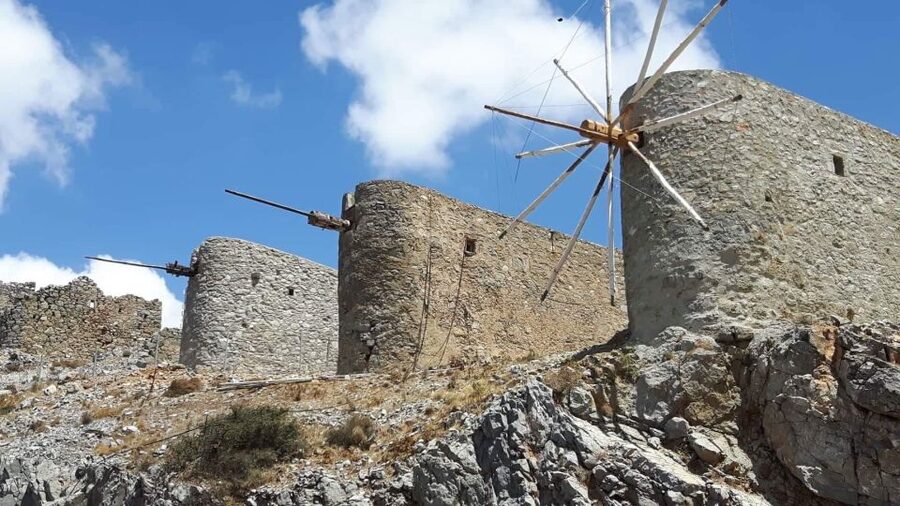
The tour includes a look at old windmills. These windmills were used for more than show: some were for grinding corn and wheat, while others helped pump water up for crops. That’s a big deal in a place where water access can make or break farming. So when you see the mills, you’re not just seeing old buildings. You’re seeing the system that fed people.
On the plateau, you’ll also get a chance for mountain-time food stops. One guide-style detail I liked from the tour descriptions is tasting fresh fruits and vegetables right from the fields area during the drive through the high ground. It’s a simple moment, but it ties the landscape to the meal later.
If you’re the type who hates “stops on stops,” pace-check this section. You’ll see multiple working-history touches—windmills, plateau viewpoints, and village visits. It’s still 8 hours total, so it doesn’t become a full-day hiking marathon, but plan to be up and down a bit.
Zeus’s birthplace area and the cave closure reality
This part of the tour is built around the Zeus story, specifically the area where Zeus is believed to have been born. You’ll be shown the site context and have time to look around with your guide.
Here’s the key planning detail: the Zeus cave is currently closed due to work in progress, so you won’t enter the cave. If cave access is the main reason you booked, this is the one note that might make you rethink. It doesn’t change Knossos, but it does change the Zeus portion from “myth + dramatic cave visit” to “myth + viewpoint and site area.”
If the cave does reopen later, you should expect a bit of effort. The tour information states there’s about a 15-minute uphill walk and around 200 steps to explore the cave, with donkey rides available for those who can’t walk that much.
Quick decision rule: if you’re okay with the Zeus stop being more about the area than the cave interior, you’ll still get value from this day because the rest of the itinerary is doing strong work—oil tasting, villages, windmills, and Knossos. If you specifically want the cave interior photo moment, you may want to wait.
Lunch at the mountain family restaurant: where the day slows down
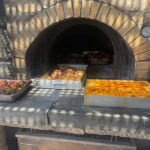
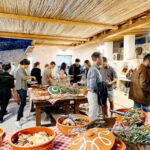
Lunch happens at a family-run restaurant on the mountain. Lunch is not included in the price, but you do get the time and setting to eat properly, not just grab something on the run. The meal is described as comfortable, with food that includes vegetarian options.
This matters more than it sounds. In an 8-hour tour with multiple stops, lunch can either feel like a speed bump or like a reset button. Here, it’s positioned as a real break in the middle: you’ve done villages and plateau sights, then you sit down with views and food before going to Knossos.
Practical advice: if you’re sensitive to timing, plan around the fact that Knossos is later in the day. Eat a meal that won’t leave you heavy or too full. You’ll be in ruins and walking around, so go for something you can handle comfortably.
Also, bathroom stops are included as part of the day’s flow. That’s a big deal on longer island tours, and it makes the overall pace feel less stressful.
Knossos Palace: the big finish, with room to breathe
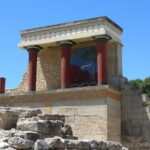
Knossos Palace is Crete’s most important archaeological site, and it lands at the end of the day. You’ll visit Knossos Palace and then explore on your own or with the option of hiring a private guide once you’re there.
Entrance fees are separate. The Knossos Palace entrance fee is 18 euros per person, and a private guide inside Knossos can be added for 120 euros per group (optional). That means the tour price is really covering the route, guiding outside the site, and the timing that gets you there.
Here’s how to make your time count once you’re inside: don’t try to sprint the entire palace in one loop. If you want meaning, linger at the areas your eyes are drawn to—especially the spots that feel like they explain how a Minoan palace worked. If you want facts, a private guide can help, but it’s not mandatory if you’re happy wandering with the help of your own reading and photos.
One more note: because Knossos is a late stop, the day can feel longer than the 8-hour label. That’s not a complaint; it’s just the trade-off for packing in Lasithi, villages, and Zeus context too. If you’re sensitive to fatigue, bring a hat and water habits you’re comfortable with.
Price and logistics: is $135 good value?
For $135 per person with 8 hours, you’re buying a bundle: pickup and drop-off in the Heraklion region (and port, plus areas like Gouves, Hersonissos, Analipsi, Stalis, and Malia), private air-conditioned transportation, a local guide, and included drinks plus tastings.
What you get included:
- Bottled water, soft drinks, and coffee
- Olive oil + raki oil tasting
- Hotel pickup and drop-off (or port pickup)
- Knowledgeable local driver guide and comfortable transport
- Liability insurance
What you’ll likely pay separately:
- Lunch (optional)
- Knossos Palace entrance (18 euros per person)
- Zeus cave entrance fee (6 euros per person), though the cave is currently closed
- Optional private guide inside Knossos (120 euros per group)
Is it worth it? It’s most worth it when you want a guided day that links places logically. Driving yourself gives you flexibility, but you lose the “why this matters” context at the oil factory, villages, and windmill sites. Also, you’re traveling across mountain areas where it’s easy to waste time figuring things out.
If you’re traveling as a small group and you’d otherwise hire a guide yourself, this format can feel like a good compromise. It’s not a full private charter for every minute, but it’s also not a giant bus scramble.
Who this tour is best for (and who should skip)
This tour fits best if you want the Cretan side of the island, not just the famous archaeology photo stop. The mix of olive production learning, village wandering, and windmill history helps you understand why Knossos still feels connected to everyday island life.
It’s also a strong fit for families and teens who can handle a structured day with breaks. One experience highlighted that the group stayed around 9 people in a small-group setting, with bathrooms breaks and space to opt out of the optional shop stops.
Consider a different option if:
- You booked specifically for a cave interior visit, since the Zeus cave is currently closed
- You want only one main monument and nothing else
- You don’t like days with several walking segments, even if none are described as extreme
The small group size (limited to 10 participants) is a plus. It tends to keep the guide attentive and the day less chaotic than bigger tours.
Should you book this Private-Knossos Palace-Zeus day?
I’d book this tour if you’re excited by the idea of Crete as a food-and-water island as much as a myth-and-ruins island. Olive oil tasting in Malia, walking Mochos and Krasi, seeing windmills, then finishing at Knossos is a satisfying sequence. You’ll come away with more than photos—you’ll understand how people here farmed, cooked, and told stories over time.
I’d hesitate if Zeus cave access is a top priority for you right now. Since the cave is closed, the Zeus part will be different than many people imagine.
If you like practical guidance, English live narration, and a small-group pace, this day is a good use of your time in Crete—especially if you’re staying around Heraklion or nearby resorts.
FAQ
How long is the tour?
It runs for 8 hours.
Does the tour include hotel pickup?
Yes. Pickup is available from the Heraklion region and also from the port, plus areas such as Gouves, Hersonissos, Analipsi, Stalis, and Malia.
Is lunch included in the price?
No. Lunch is not included and is optional.
What about Knossos Palace entrance fees?
Knossos Palace entrance fees are not included. The entrance fee is 18 euros per person, and a private guide inside Knossos is optional at 120 euros per group.
Is Zeus’s cave included?
The Zeus cave is currently closed due to work in progress, so the tour won’t be able to visit it.
What are the tastings included?
The tour includes olive oil tasting plus raki oil tasting, along with bottled water, soft drinks, and coffee.
How large is the group?
It’s a small group limited to 10 participants, and there is also a private option. The guide runs the tour in English.