REVIEW · RHODES
Private Tour: Discover the Secret World of Olives in Afantou
Book on Viator →Bookable on Viator
Olives in Rhodes rarely feel this personal. This private 3-hour experience in Afantou starts with a welcoming drink on a terrace with a sea view, then takes you through an olive grove packed with 150 trees and learning stops built around how Rhodes harvests and turns olives into oil. I especially like the farm setting with animals, herbs, and flowers, plus the hands-on workshop style food prep. One thing to keep in mind: it runs on good weather, so you may need flexibility if conditions change.
You’ll spend the late afternoon (it starts at 4:00 pm) with a small, focused group—only your party—getting practical context you can actually use later. Emma, who guided one past group, was praised for showing how her small olive farm works and for making the workshop part the highlight. The farm has dogs, cats, donkeys, chickens, ducks, bees, butterflies—so it’s not a sit-down museum vibe, and it’s not the quietest option.
If you want a calm, purely indoor experience, this may feel a bit lively with farm animals nearby. If you’re happy in the open air and you like learning by doing, this is one of the more memorable olive tours I’d bet on in Rhodes.
In This Review
- Key things that make this olive tour worth your time
- Arriving in Afantou: what the setting is really like
- The terrace welcome and Emma’s olive-farm style
- Walking the olive grove: 150 trees and an Arboretum you can picture
- Olives, herbs, and harvest history: what you’ll actually learn
- The workshop: olive delicacies and a take-home recipe plan
- Animals and farm life: fun extras, plus one practical consideration
- Price and value: is $62.48 per person a fair deal?
- When this private tour is the best fit
- Should you book Discover the Secret World of Olives in Afantou?
- FAQ
- How long is the Private Tour: Discover the Secret World of Olives in Afantou?
- What time does the tour start?
- Is this a private tour or shared group?
- Where do we meet for the tour?
- What happens during the visit to the olive farm?
- Will we prepare or make food during the tour?
- Do you take anything home?
- What if the weather is poor?
- Is there free cancellation?
Key things that make this olive tour worth your time
- A sea-view terrace welcome with a drink before you even start walking
- The Olive Arboretum project described as the only one in Greece
- 150 different trees in the olive grove, plus herbs and flowers
- Hands-on olive tastings and recipe prep, then take the recipes home
- Olive oil know-how tied to real use, including a checklist-style view of exhibitions/contests
- Farm life included: donkeys and more, not just trees on a map
Arriving in Afantou: what the setting is really like
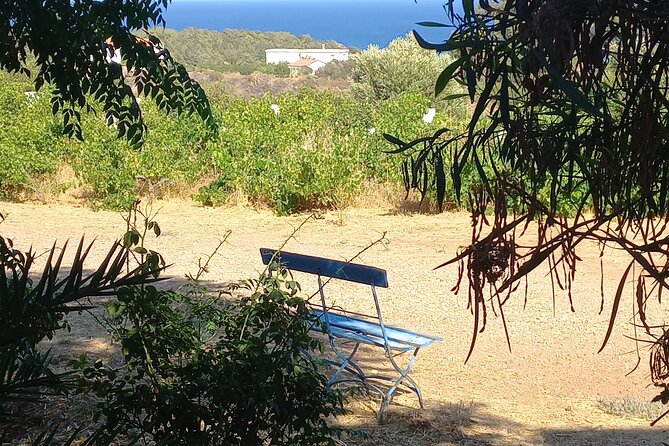
This is a farm experience first, and a tour second. You meet at 853F+R7X, Afantou 851 03, Greece, and the whole thing loops back to the same meeting point when it’s done. The start time of 4:00 pm matters because it gives you a slower rhythm than mid-day tours. Instead of racing through explanations, you’re set up for conversation and practical demonstrations.
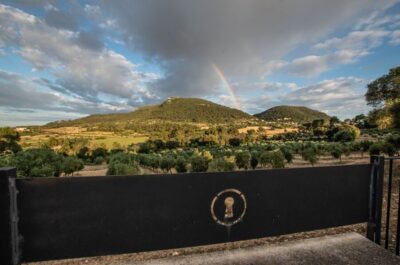
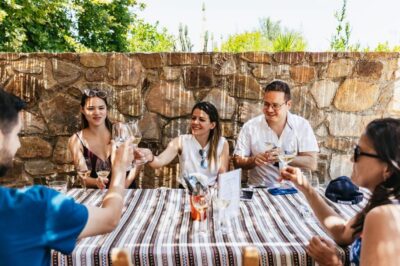
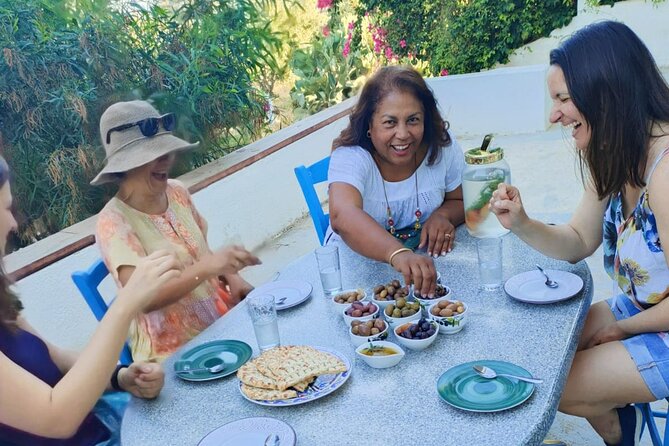
The guide team welcomes you at the farm and starts with a welcoming drink on the terrace. The sea view is part of why this feels special. It sets the tone: you’re not just learning about olives in a classroom; you’re learning on the land, with the horizon nearby.
It’s also genuinely practical that they call for casual clothes. You’re on a working property with animals around, so dress for comfort and movement. And because the tour is described as private, you’re not sharing your guide with other groups—your pacing and questions stay yours.
You can also read our reviews of more tours and experiences in Rhodes.
The terrace welcome and Emma’s olive-farm style
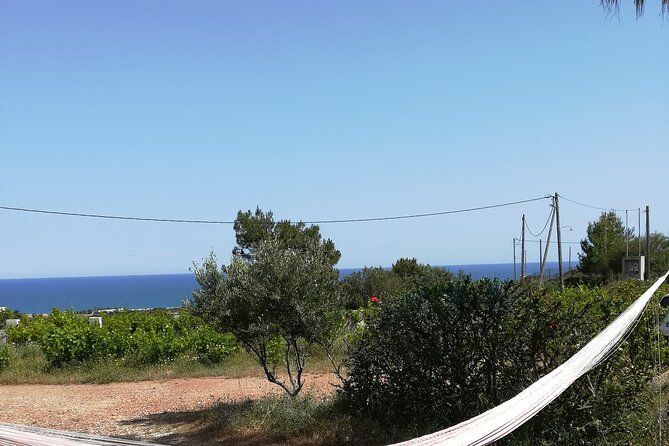
The best part of starting with something simple—a drink on the terrace—is that you get grounded before the explanations begin. From there, you’ll move into the olive grove and start learning what’s planted and why it matters.
In one past group’s note, Emma was singled out for sharing a lot about her olive farm and for making the workshop portion the favorite part. That combination—friendly welcome plus real farm teaching—tends to be what turns a standard tasting tour into something you’ll remember. Instead of only hearing facts, you’re seeing the trees and animals that frame those facts.
You’ll also get introduced to the farm itself, including donkeys. That might sound like an extra, but it’s not fluff. When a tour includes the animals and the everyday farm environment, it’s easier to understand how the olive-growing story fits into daily life rather than existing in isolation.
Walking the olive grove: 150 trees and an Arboretum you can picture
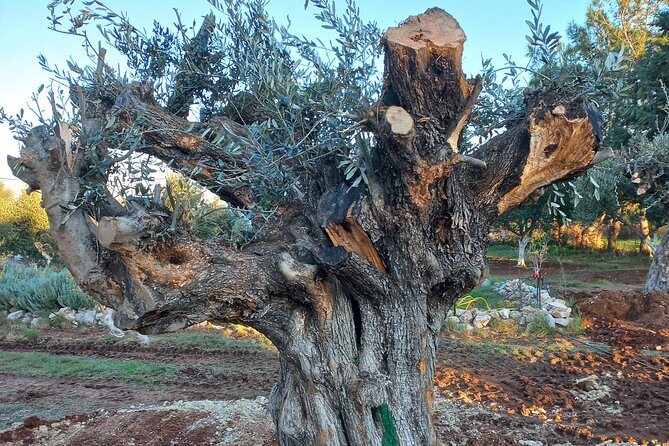
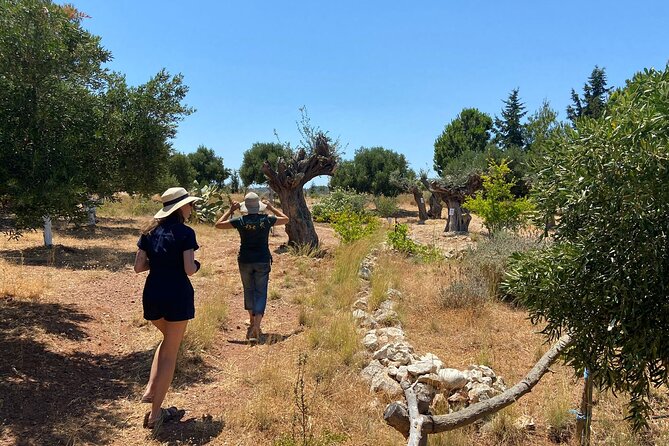
Once you’re in the grove, the tour’s main learning arc kicks in: you visit the olive trees and get explanations about about 150 different trees. That scale is the point. It’s not one or two varieties explained quickly. You’re stepping through a living collection.
The guide also explains a project called the Olive Arboretum, described as the only one in Greece. For you, this matters because it reframes what you’re doing. You’re not just sampling olives. You’re seeing a curated living system—trees grouped and maintained with an educational goal behind them.
On top of olives, you’ll also learn about local herbs and flowers you can find around the property. That detail helps you connect olives to the broader plant life of the area. You might notice how those herbs and flowers sit in the ecosystem around the grove, rather than treating olives like a standalone product.
And because the farm includes things like bees and butterflies, the whole place feels alive. That’s useful for understanding why harvest and oil production are seasonal and grounded in nature. You’re not just hearing dates—you’re standing inside the conditions those dates depend on.
Olives, herbs, and harvest history: what you’ll actually learn
This tour has a clear educational core. You’ll get information on:
- varieties of trees and olives
- the history of the harvest of olives in Rhodes
- how olive oil is made
- tips on how to use the oil
- an insight into a to-do list approach used for olive oil exhibitions or contests
That’s a smart mix. Many tours only teach the romantic part—how olives grow—and the tasting part—how oil should taste. Here, you’re also getting the production logic and some practical serving ideas.
The harvest history piece is especially helpful if you’ve had a generic idea of olive oil production before. Rhodes isn’t one-note agriculture. When a guide ties harvest to local patterns, you understand why olive oil isn’t just a flavor. It’s a tradition shaped by timing, plants, and the work needed to transform fruit into oil.
The oil-making explanation is also where value shows up. If you walk away knowing the basic process, your future tastings make more sense. You’re no longer guessing why one bottle tastes fresher or more intense than another.
And those tips for how to use the oil, plus the exhibition/contest checklist-style insight, gives you a way to think. Even if you never attend a competition, it teaches you how people evaluate olive oil beyond taste alone.
The workshop: olive delicacies and a take-home recipe plan
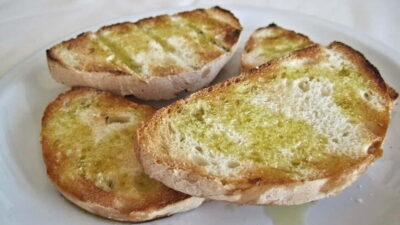
After the walking and explanations, the experience turns hands-on. You’ll prepare olives delicacies together, and you’ll also do another recipe using olive oil. This is where the tour earns real staying power.
Why? Because learning sticks better when you do. You’re not just collecting information. You’re participating in making food based on what you’ve just been taught about olives and oil. That connection between the trees and the kitchen results in a more complete memory.
There’s also a seasonal detail that changes what you’ll prepare. From mid September to the end of November, the tour includes preparing some olives. If you visit during that window, you’re effectively seeing more of the harvest cycle in action, not only the final products. If you visit outside those dates, you’ll still do the delicacy prep and recipes, but the olive preparation part shifts away from harvesting season.
Another major value point: the recipes will be sent to you so you can continue the experience at home. That’s useful because you get more than one evening’s entertainment. You get a repeatable way to recreate the flavors and keep the olive education going after you leave Rhodes.
At the end, you receive some souvenirs. The exact item isn’t listed, so don’t expect a detailed shopping list. But it’s an added closing touch that fits the farm feel.
Animals and farm life: fun extras, plus one practical consideration
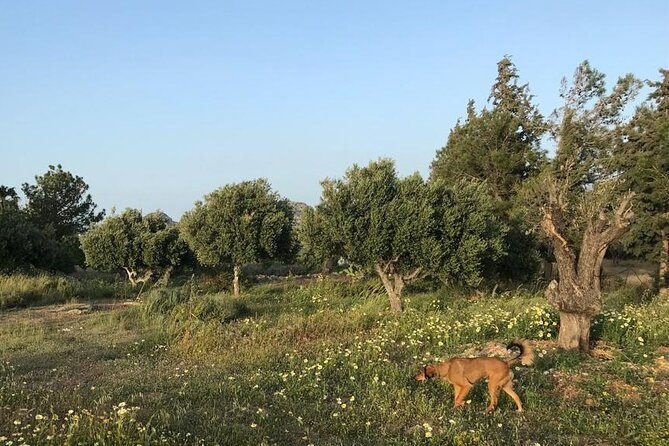
This isn’t a sterile attraction. The farm includes dogs, cats, donkeys, chickens, ducks, bees, butterflies—and lots of garden growth around the grove.
That matters because it changes how you should mentally prepare:
- It’s interactive by nature. You may notice animals while you’re listening.
- The environment is part of the learning. Bees and insects reinforce that this is a real working property, not a staged set.
- Casual comfort is important, and you should plan for a lived-in setting.
The only real downside is noise or movement potential. If you’re very sensitive to animals around you, or you expect silence and strict control of the space, this might feel less structured than typical tours.
If you’re traveling with kids, this kind of farm detail can be a win. And if you’re traveling as a couple or friends, the private format makes it easier to stay comfortable when you encounter unexpected farm moments.
Price and value: is $62.48 per person a fair deal?
At $62.48 per person for about 3 hours, this lands in the category of experiences that work best when you care about learning and tasting, not just checking a box.
Here’s what you’re paying for, in practical terms:
- Private guiding for only your group (no shared audio or rushed pacing)
- A farm setting with explanations across 150 trees and an education-focused Arboretum project
- Food time: olive delicacies you help prepare, plus another olive-oil recipe
- Take-home value through recipes sent to you
- Small extras like souvenirs at the end
- A sea-view start with a welcoming drink
If you only want a quick taste and a short walk, you might find cheaper olive tours elsewhere. But if you want the full olive chain—from grove to oil to usage, plus cooking—you’re getting more than a sample flight.
Also, the timing is reasonable for Rhodes. A late start at 4:00 pm means you can combine it with other afternoons or evening plans without feeling like your entire day is taken over by a single activity.
When this private tour is the best fit
Book this tour if you want:
- a hands-on olive experience with food prep
- a closer look at olive varieties and how they’re grown/organized in an Arboretum
- practical oil-use tips beyond just tasting
- a farm setting with real-life animals, not a purely urban attraction
Consider a different option if you need:
- an indoor-only, quiet tour
- a rigid, strictly timed schedule with zero organic farm interruptions
This also suits people who enjoy food education without pretending it’s complicated. The mix of harvest history, oil making, and practical tasting-style thinking hits a sweet spot for casual food lovers.
Should you book Discover the Secret World of Olives in Afantou?
I’d book it if you’re in Rhodes and you want something that feels grounded and personal. The private setup, the farm atmosphere, the sea-view welcome, and the combination of olive education + workshop + take-home recipes make it more than a standard tasting stop.
It’s also a strong choice if you like learning in a way that stays usable—tips on oil use and that exhibition/contest checklist angle help you carry the experience forward. The only reason not to book is if you strongly dislike farms with animals or you can’t handle the possible need for a weather-backed change, since the tour requires good conditions.
FAQ
How long is the Private Tour: Discover the Secret World of Olives in Afantou?
The tour is about 3 hours.
What time does the tour start?
The start time is 4:00 pm.
Is this a private tour or shared group?
It’s a private tour/activity, so only your group participates.
Where do we meet for the tour?
The meeting point is 853F+R7X, Afantou 851 03, Greece.
What happens during the visit to the olive farm?
You’ll be welcomed with a drink on the terrace with a sea view, visit the olive grove to learn about the trees and Olive Arboretum, meet donkeys, learn about herbs and flowers, get information about olive varieties, harvest history in Rhodes, and how olive oil is made.
Will we prepare or make food during the tour?
Yes. You prepare together some olive delicacies and also do another olive oil recipe. From mid September to the end of November, some olives are prepared as part of the experience.
Do you take anything home?
You receive souvenirs, and the recipes from the tour are sent to you so you can continue at home.
What if the weather is poor?
This experience requires good weather. If it’s canceled due to poor weather, you’ll be offered a different date or a full refund.
Is there free cancellation?
Yes. You can cancel for a full refund up to 24 hours in advance of the experience’s start time.