REVIEW · BARI
Olive Oil Mill Tour with Tasting near Molfetta & Bari
Book on GetYourGuide →Operated by Slow Travel · Bookable on GetYourGuide
Fresh olive oil starts with basics. This family-run mill tour near Molfetta and Bari is a practical way to learn the whole olive oil path, from harvest moments to storage and bottling, without getting lost in marketing. I especially like the close-up production walk and the fact that you finish with a trained tasting so you can tell good extra virgin oil from the average stuff. One drawback to plan for: depending on timing and weather, you might not see olive trees or running production at full speed.
The setup is friendly and focused. You’ll meet the mill master, move through the visitor center and storage areas (including the controlled atmosphere cellar), then slow down for a guided tasting where aroma and flavor cues matter. If you come expecting a full “see the farm and watch everything happen” show every single day, ask a few questions first, because some months can be quieter on the processing side.
In This Review
- Quick Reasons You’ll Like This Olive Oil Mill Tour
- Why This Olive Mill Tour Makes Sense for Apulia
- The 75-Minute Flow in Ciccolella: Where the Time Goes
- What You Learn in the Mill: From Harvest to Bottling
- Storage Areas and the Controlled Atmosphere Cellar
- The Tasting Part: How to Taste Quality, Not Just Flavor
- Espresso, Family Stories, and Sustainability Talk That Actually Connects
- Price and Value: Does $42 Pay Off?
- When the Tour Is Running vs. When It’s Quiet
- Practical Tips Before You Show Up in Ciccolella
- Should You Book This Olive Oil Mill Tour?
- FAQ
- How long is the olive oil mill tour?
- Where does the tour start?
- What’s included in the price?
- Is transportation to the venue included?
- What languages are available?
- Is the tour wheelchair accessible?
- What should I wear or bring?
- Is there a cancellation option?
Quick Reasons You’ll Like This Olive Oil Mill Tour
- Harvest-to-bottling workflow, explained in plain language by the people who do it
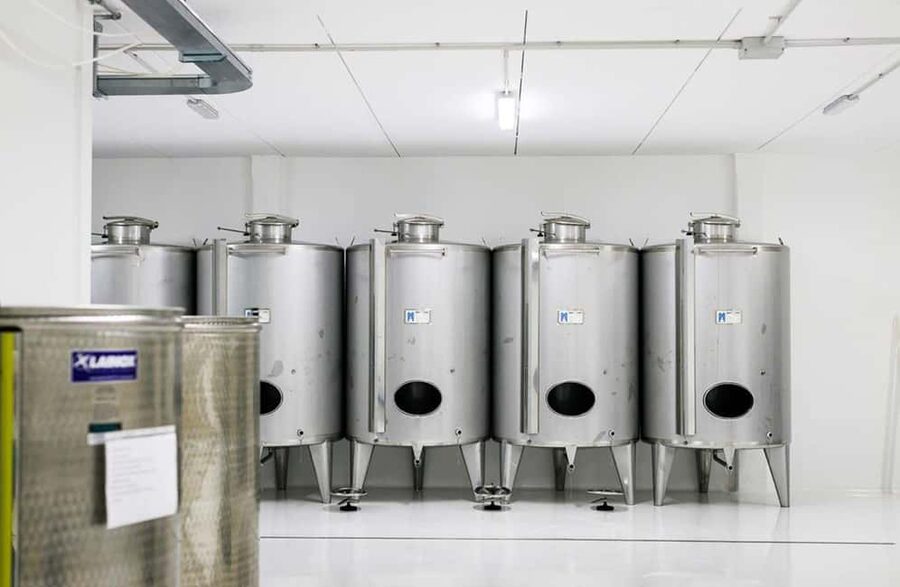
- Controlled storage areas for prized extra virgin oil, not just a casual viewing room
- Professional tasting designed to help you recognize quality by taste and aroma
- Family stories plus sustainability focus, tied to how the mill operates
- Solid on-site experience space that feels very clean and well-run
Why This Olive Mill Tour Makes Sense for Apulia
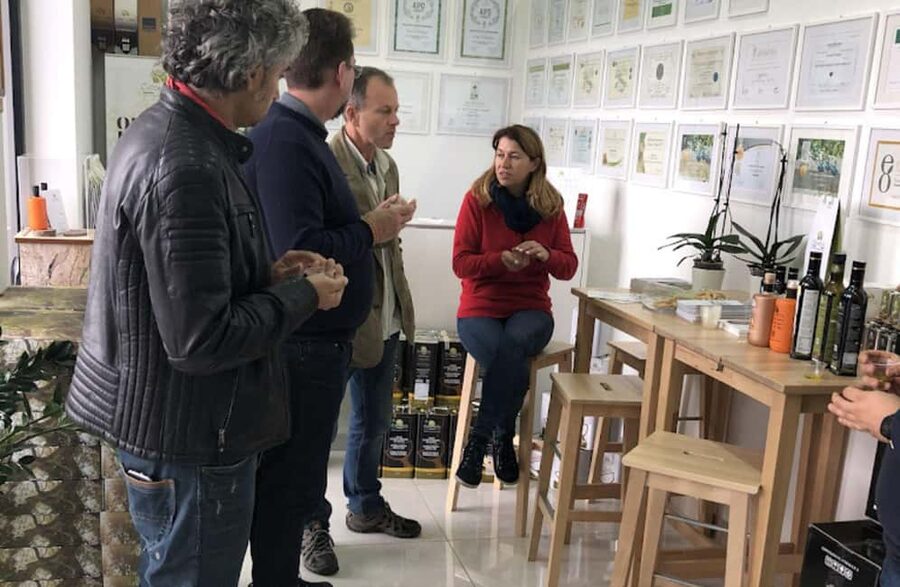
Apulia is a serious olive-growing region, but many tours stop at a poster-perfect explanation. This one tries to show you what happens between the harvest and the bottle. That’s the real value: you’re not just learning terms like extra virgin and varietal. You’re learning what actions and timing produce better oil, and why careful storage matters.
The mill is described as family-run with sustainability and tradition at the core. That matters because it changes the tone of the visit. Instead of hype, you get a “here’s what we do and why we do it” conversation. One review also praised the facility’s cleanliness, comparing it to the standards of high-tech industries. That clean, methodical feel is a good sign when you’re paying attention to something as sensitive as olive oil quality.
At a cost of $42 per person for about 75 minutes, the price only works if you use the tasting part well. If you’re the kind of person who wants to learn what you’re tasting (not just sample a few sips), you’ll get your money’s worth.
You can also read our reviews of more tours and experiences in Bari.
The 75-Minute Flow in Ciccolella: Where the Time Goes
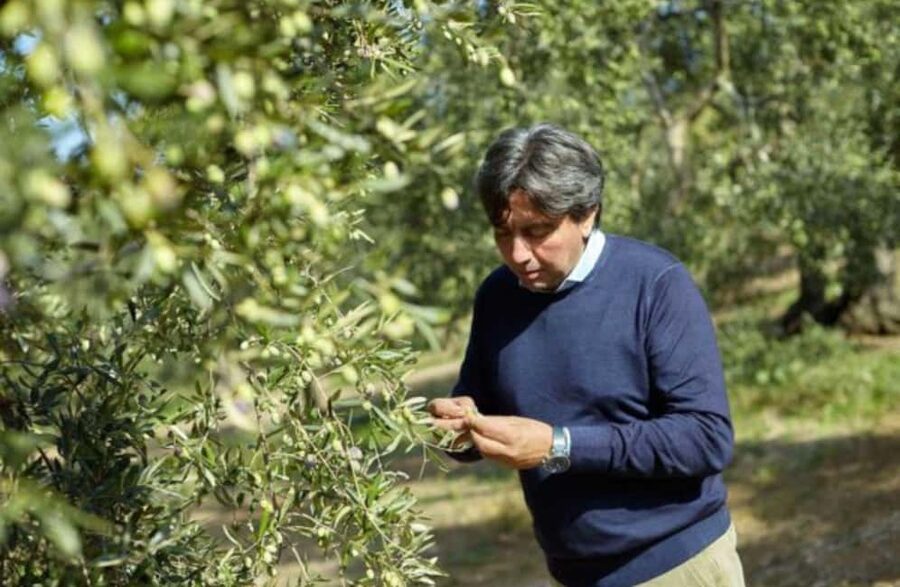
You start in Ciccolella, then shift into the visitor-center experience. The total visit runs about 75 minutes, so this is not a long, leisurely stroll through an estate. It’s a structured program.
First, you get a warm welcome and a guided visit at the visitor center. Expect an explanation of what goes on from olives being collected to how the oil is handled afterward. You’ll also have time to meet the mill master and ask questions about the process.
Then the program transitions into the tasting portion at the center. This is where the tour becomes most practical. You’re guided through a professional olive oil tasting, with instruction on how to distinguish quality. One added bonus included is espresso coffee, which fits the overall “cozy, family-run” feel.
Two quick realities to keep in mind:
- It’s a short format, so wear comfortable shoes and move at a steady pace.
- If you want to see trees and on-site field work, plan around seasonal operations, since not every day includes the same activities.
What You Learn in the Mill: From Harvest to Bottling
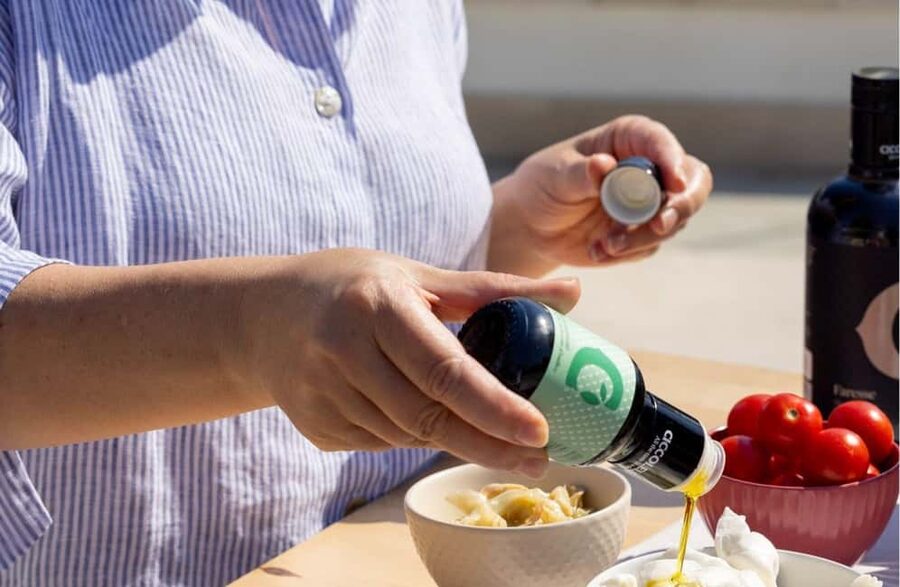
The heart of the tour is the production story: how freshly harvested olives become extra virgin olive oil. The guide covers the full arc, including harvest, processing, storage, and bottling. The value here is how the story connects cause and effect.
For example, you’ll hear about the importance of careful handling after harvest. The key is that olive oil doesn’t improve because it sat around. It stays best when it’s processed thoughtfully and stored properly. That’s exactly why the tour moves from production into storage rather than treating storage as an afterthought.
Meeting the mill master is also part of the appeal. You get more than “tour-guide facts.” You get a real operator’s perspective. In one account, the host named Carla was singled out for taking time to explain each stage clearly and patiently. That kind of teaching style matters if you want to walk away able to talk about oil like something more than a flavor.
One more practical angle: you can come away knowing what to look for when buying oil later. The guide doesn’t just pour oil into tiny cups and hope you get it. You’ll learn tasting techniques that link back to quality.
Storage Areas and the Controlled Atmosphere Cellar
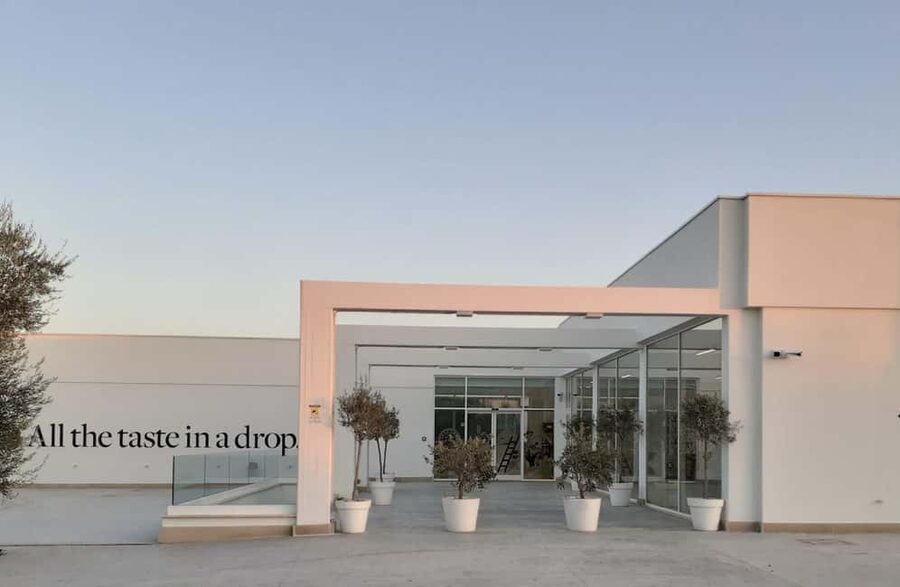
After the production overview, the tour spends real time in the storage areas. This is where many olive oil tours get lazy. They show a room with bottles and call it a day. Here, you focus on the logic of storage and how it protects quality.
You’ll explore the carefully maintained storage spaces, including a controlled atmosphere cellar where the prized extra virgin oil is kept safe. That phrase isn’t just technical filler. Olive oil is sensitive. Temperature, air exposure, and aging all matter. The tour’s emphasis on controlled storage helps you understand why “it came from a good harvest” is only half the equation.
You’ll also hear family history and values while you’re in these storage areas. That’s a smart pairing, because you remember it better. You’re learning the craft while standing in the environment built for the craft.
One thing to watch: storage visits can be more about process and protection than about dramatic visuals. If you’re expecting the mill to be running and loud every time you show up, keep your expectations flexible.
The Tasting Part: How to Taste Quality, Not Just Flavor
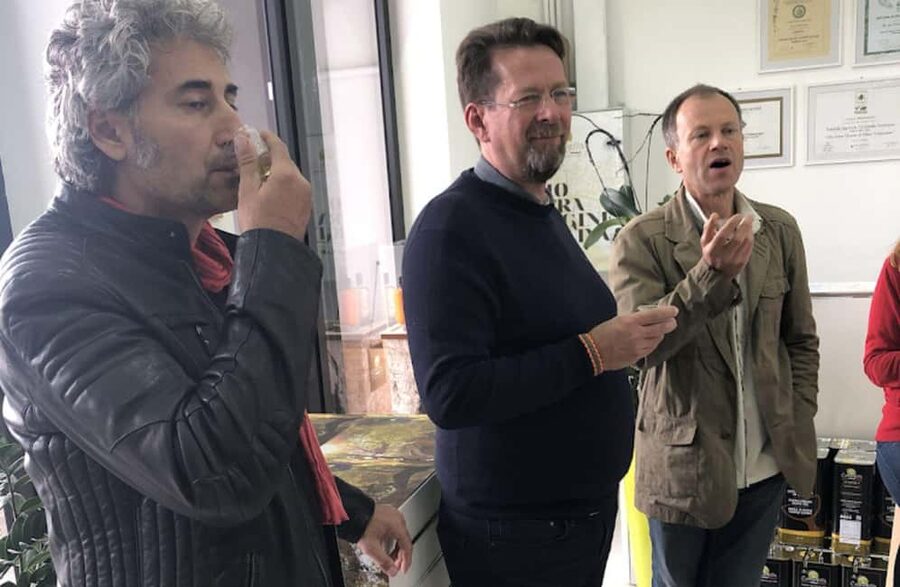
The tasting is the biggest “do it right” section of the whole experience. It’s guided and professional, and the goal is to help you tell high-quality extra virgin olive oil from lesser varieties.
Here’s the practical takeaway: you’re not only tasting. You’re learning to notice aroma and flavor differences. The tasting guidance is built around technique, so you can repeat the skill later when you’re comparing oils in a shop.
A few useful things you can apply immediately:
- Smell first, then taste with attention to the first seconds, not only the finish.
- Pay attention to balance—how bitterness and fruitiness can coexist in good oil.
- Notice intensity. Some oils feel lighter but still taste fresh; others feel heavy or flat.
One review specifically praised the tasting because you could actually taste the difference between olive varieties. That’s what you want from a class-like tasting: measurable learning, not only a nice afternoon snack.
Also note the small extras: espresso is included, and it pairs well with learning about aromatics. If you’re the type who likes to take home a sensory memory, the tasting is where that happens.

Espresso, Family Stories, and Sustainability Talk That Actually Connects
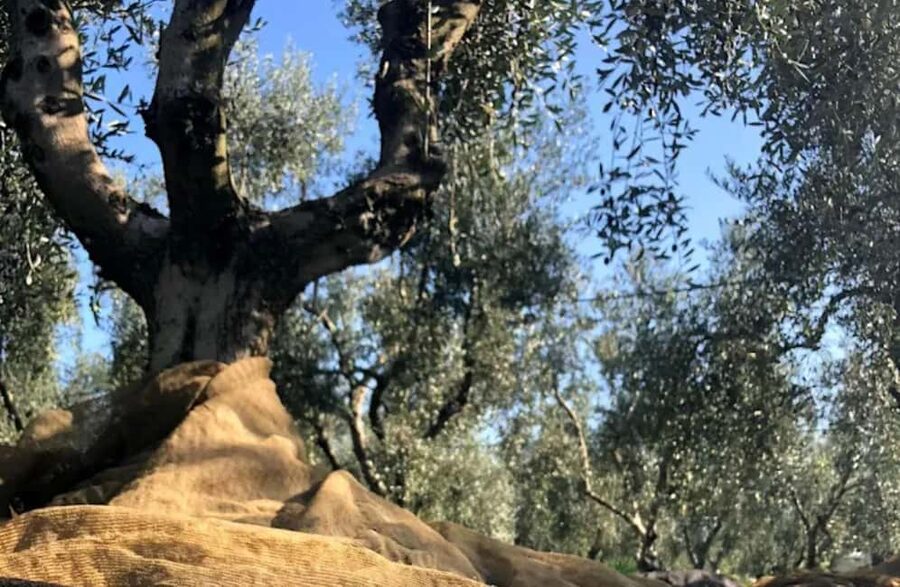
Many tours claim sustainability and tradition. The real difference is whether you can connect those words to actions. This experience does that by pairing stories with what you can see: how oil is stored, how production is handled, and how the family thinks about protecting quality.
The environment is described as cozy, with a welcome that includes the aroma of espresso. That matters more than you’d think. Olive oil tasting works better when you’re not stressed, rushed, or distracted by a noisy tour scramble.
You’ll hear stories about the family’s origins and values. And because the production is family-run, the conversation tends to feel less like a scripted sales pitch. In one account, the host was described as extremely kind and willing to explain steps slowly. That kind of pace is what makes a technical topic feel approachable.
One small reality: sustainability is only as convincing as the evidence you’re shown. Here, the evidence is in the care around handling and storage. It’s not just a poster on the wall.
Price and Value: Does $42 Pay Off?
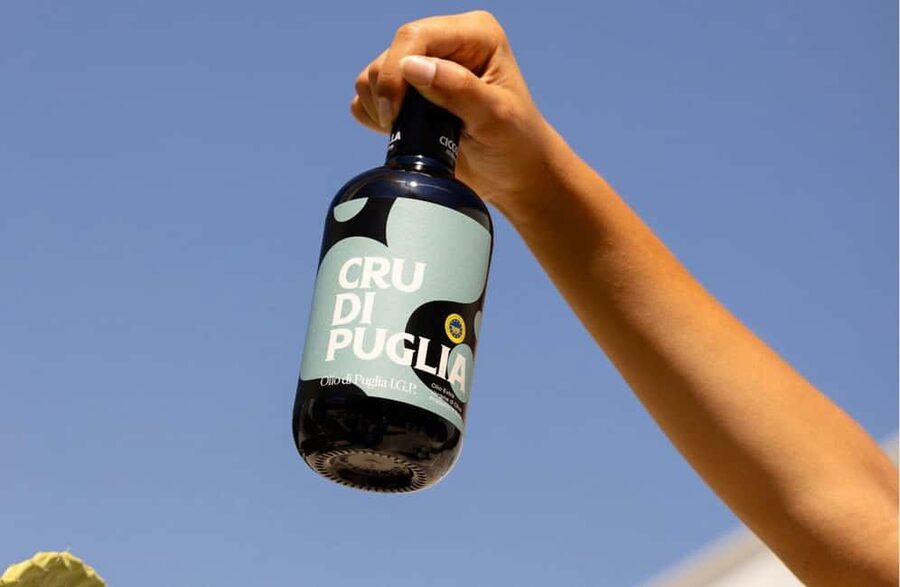
$42 for about 75 minutes is not a throwaway price, so you should understand what you’re paying for.
You get:
- A guided olive mill tour
- Time with the mill master
- Storage-area exploration (including a controlled atmosphere cellar)
- A professional olive oil tasting
- Espresso coffee
In other words, you’re paying for three things: instruction, access, and tasting guidance. If you treat the tasting like a souvenir sampler, the value drops. If you treat it like a mini course on quality, the value climbs fast.
Also consider what’s not included: transportation. That’s important around Bari and Molfetta, where you’ll likely need your own plan to reach Ciccolella. If you’re already driving or staying nearby, the price feels fair. If you have to add taxis or long transfers, it can swing the math.
The best value signal is what the tasting teaches you. When you leave able to recognize quality, you stop buying olive oil blindly. You can use the skill at supermarkets, specialty shops, and online—anywhere.
When the Tour Is Running vs. When It’s Quiet
This is the part you should plan for, because it affects what you actually see.
The tour’s concept includes fresh olives coming in, a walk through the production process, and a close-up look at storage and bottling. But production schedules don’t always match visitor expectations. One account from September described a situation where harvest hadn’t started yet, with no olive trees shown and production not running. Another account mentioned not going to the trees due to rain.
So, here’s the practical advice:
- Before you go, ask whether olives are being processed on that day.
- If your main goal is seeing the outdoors and the grove side, ask whether the tour includes tree visits and when weather might affect it.
- If you’re visiting in off-season windows, adjust your mindset. You may get stronger teaching and tasting, with less operational spectacle.
This isn’t a deal-breaker. It just changes the experience. A good tasting and a clear explanation can still be worth it, especially if you’re there for quality learning.
Practical Tips Before You Show Up in Ciccolella
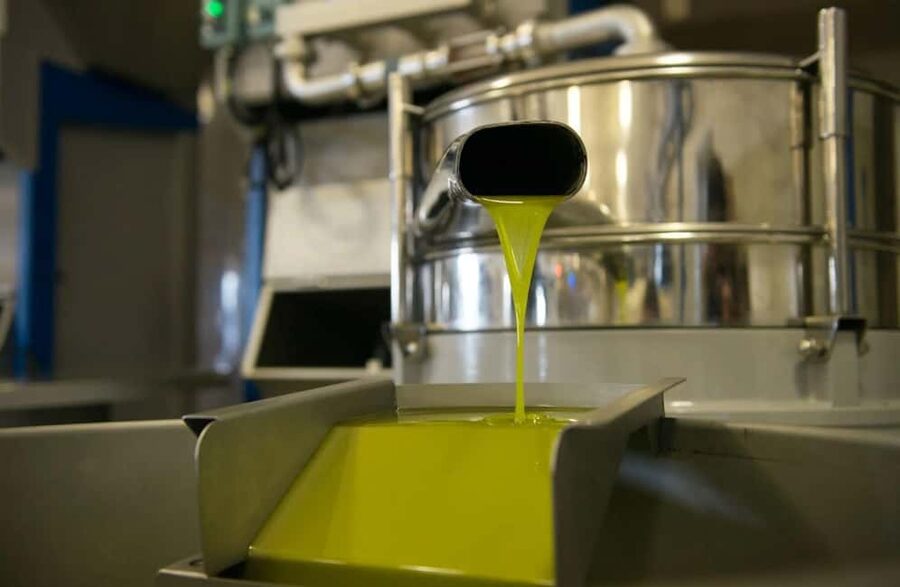
Keep it simple and you’ll enjoy it more.
Wear:
- Comfortable shoes (you’ll be walking and standing through the visitor area and storage areas)
- Comfortable clothes (you’re in a working environment and timing can vary)
Languages:
- The tour is offered in English and Italian, with a live guide.
Timing:
- The tour runs about 75 minutes, so arrive with enough buffer that you don’t rush the first welcome.
Transportation:
- No transportation is included, so plan your route to Ciccolella in advance.
Questions to ask on arrival:
- Is production running today, or is the focus mainly on storage and explanation?
- How many different oils will you taste, and what are you using as reference points for quality?
- Will the tasting include bread or pairing-style notes, or is it strictly oil-focused?
Those questions help you match the day’s reality to your expectations.
Should You Book This Olive Oil Mill Tour?
Book it if you want a short, structured experience focused on learning how olive oil quality is made and protected. You’ll likely enjoy it most if you like hands-on food education and you’re curious about tasting technique—not just sipping and moving on.
Skip it (or at least ask more questions) if your priority is a full farm-style outing with visible tree work and active milling every day. Production can be quiet outside peak harvest windows, and weather can limit where you go. In that case, you might prefer a tour that clearly guarantees outdoor grove time—or plan for it as an educational tasting day, not a live “watch everything” show.
One final note: the experience is run through Slow Travel, and it’s designed to be a family-run, sustainability-and-tradition style visit. If that tone fits how you like to learn while you travel, this is a solid use of an hour and change near Bari.
FAQ
How long is the olive oil mill tour?
The tour lasts about 75 minutes.
Where does the tour start?
The starting location is Ciccolella.
What’s included in the price?
It includes the olive mill tour, meeting the mill master, exploring storage areas, a professional olive oil tasting, and espresso coffee.
Is transportation to the venue included?
No. Transportation is not included.
What languages are available?
The live tour guide offers English and Italian.
Is the tour wheelchair accessible?
Yes, the tour is wheelchair accessible.
What should I wear or bring?
Bring comfortable shoes and comfortable clothes.
Is there a cancellation option?
Yes. You can cancel up to 24 hours in advance for a full refund.