REVIEW · HERAKLION
Heraklion: Knossos, Zeus, Villages & Olive Oil Factory Tour
Book on GetYourGuide →Operated by Explore Real Crete · Bookable on GetYourGuide
Crete can feel huge until a good day plan shrinks it.
This one takes you from Heraklion into the hills for Zeus-related stops, old villages, and a working olive oil lesson, then wraps with Knossos Palace. You get that rare mix: big myth-and-history names plus the stuff locals actually do, eat, and taste.
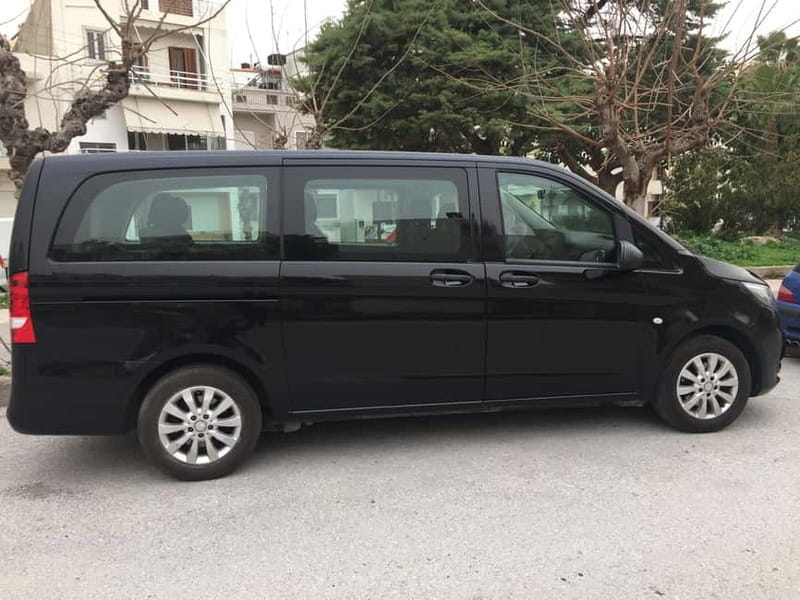
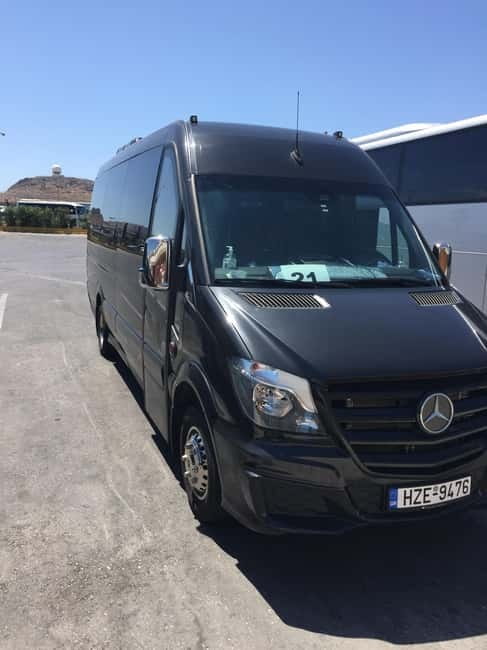
I love how the day is paced like a human itinerary, not a bus schedule. Small-group touring (often just a handful of people in the van) means you can hear the guide and actually ask questions, and guides like Stavros, Michael, and Ed tend to keep the energy friendly and funny. I also like the food angle: olive oil plus raki tasting, coffee, and extra local flavors during the day like traditional yogurt.
One thing to consider: Knossos entry is extra (around €20), and access to the Zeus cave can depend on what is open that day. If your heart is set on a specific cave visit, plan to stay flexible.
In This Review
- Key things that make this tour worth your day
- Heraklion pickup to the Crete that moves slower
- Olive oil factory tour and the tasting you’ll remember
- Knossos Palace: optional entry and how to plan your time
- Mochos village: narrow streets, coffee stop, and local rhythm
- Krasi and the 2,400-year-old plane tree stop
- Lasithi Plateau at 900 m: windmills, irrigation, and mountain views
- Lunch on Cretan time, plus small extras you might score
- Zeus mythology in the hills: what to expect and how to prep
- Price and value: what $128 buys you in the real world
- Who this tour is perfect for (and who may want a different plan)
- Practical tips so your day runs smooth
- Should you book the Heraklion: Knossos, Zeus, Villages & Olive Oil Factory Tour?
- FAQ
- How long is the tour?
- What’s included in the price?
- Do I need to pay extra for Knossos Palace?
- Where does the pickup happen?
- Is the tour offered in English?
- Is the group private or small?
- Is there a cancellation option?
Key things that make this tour worth your day
- Small-group van time, built for conversation, not crowd herding.
- Olive oil factory tasting with raki and other local samples, plus the how-it’s-made story.
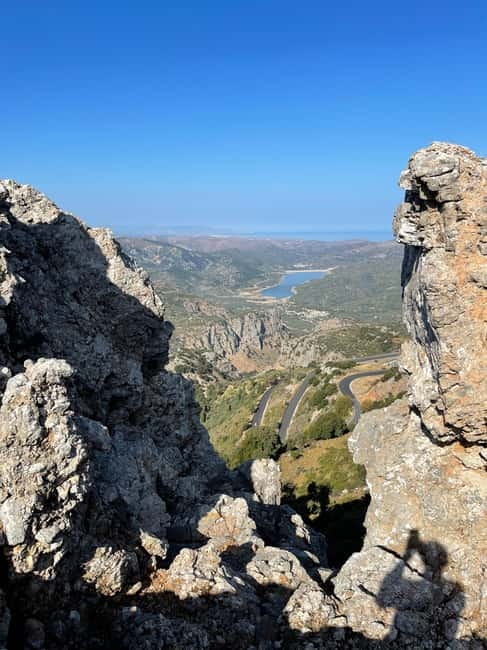
- Lasithi Plateau drive at about 900 m for windmill history and big mountain views.
- Mochos and Krasi villages, including a stop for coffee and a walk near a 2,400-year-old plane tree.
- Knossos Palace included as an on/off visit, with optional ticket timing on your side.
Heraklion pickup to the Crete that moves slower
This tour starts with hotel pickup in the Heraklion area (and also from parts of the coast like Agios Nikolaos, Elounda, Malia, Hersonisos, Rethimno, and nearby places). That matters because Crete’s best village days often die if you have to self-navigate every leg. Here, you’re handed the route and the timing, and you can focus on what you’re seeing instead of finding parking.
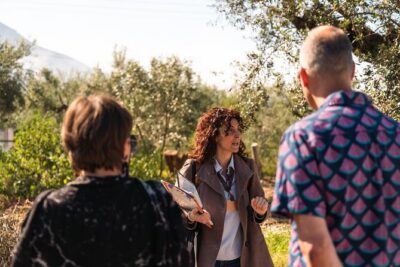
Then the day shifts away from the obvious tourist rhythm. You’ll spend time in smaller places—narrow lanes, village squares, and countryside drives—where the pace is different. The guide is the key here. The strongest days I’d want for you are the ones led by people like Stavros or Ed, who clearly enjoy their home and know how to translate myths and agriculture without turning it into a lecture.
You should also know this is not a sit-on-a-bench tour. Even when the stops are short, there’s walking involved—enough to feel like you’ve been outside, not enough to feel like you need a second vacation just to recover.
You can also read our reviews of more tours and experiences in Heraklion.
Olive oil factory tour and the tasting you’ll remember
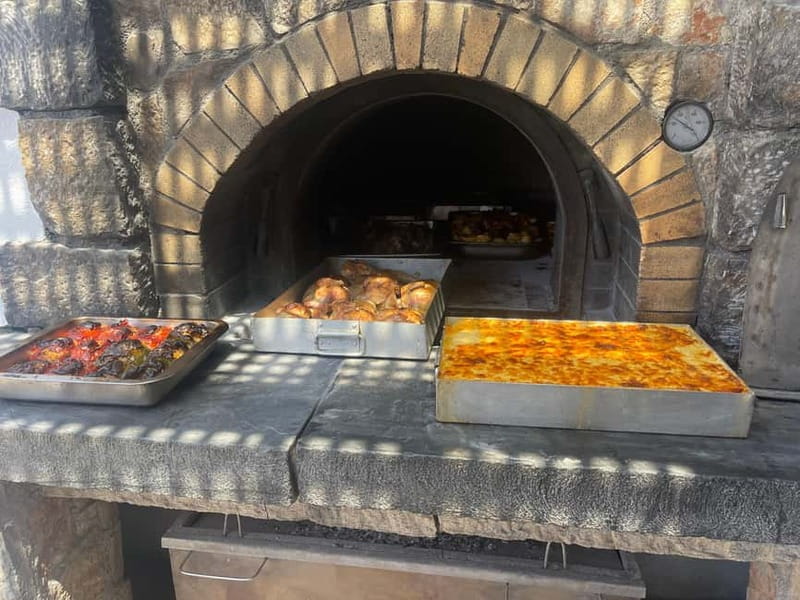
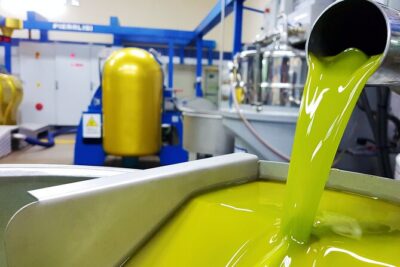
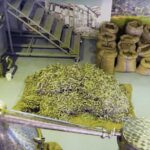
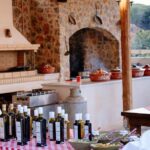
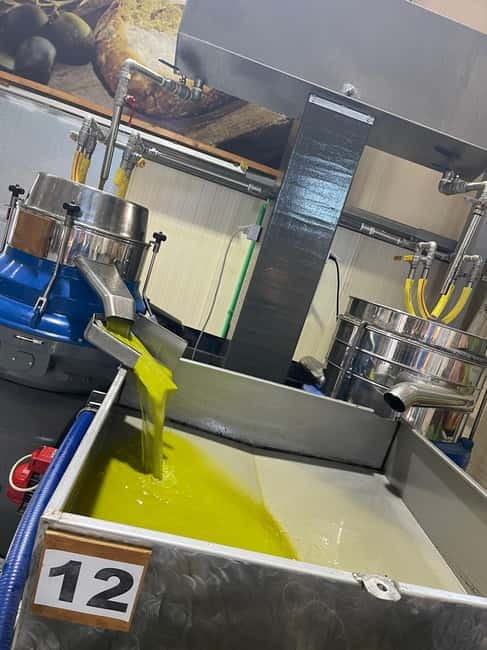
One of the best reasons to book is the olive oil stop. You don’t just taste something pretty. You get the story of how olive oil is made now with modern machines and how it was done in older days. That gives you context for the flavor, and it makes the tasting feel earned instead of random.
The factory portion is also where the tour’s food culture shows up. You’ll have olive oil tasting (and it comes with raki tasting), and the day description includes more local sampling such as honey and olive-oil-related bites. In practice, many guides also add small extras like coffee or bread with the tasting so you can really compare what you’re smelling and tasting.
If you like food travel that goes beyond tasting one thing and moving on, this is the stop. It helps you understand why Crete exports olive oil and why families treat the trees like long-term projects. Buy what you actually like—don’t buy what looks fancy in the shop.
Knossos Palace: optional entry and how to plan your time
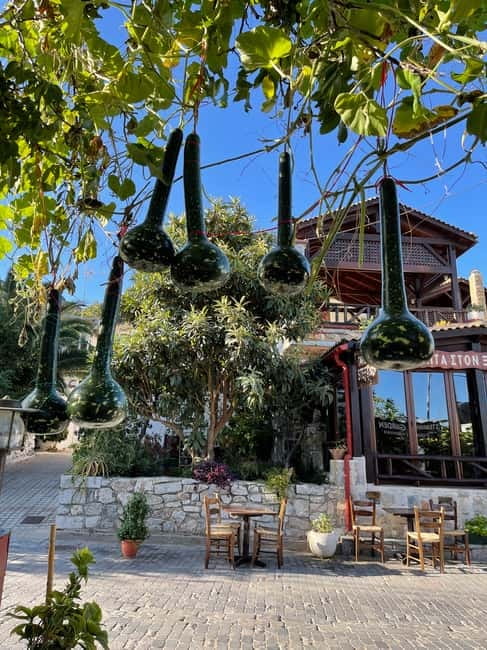
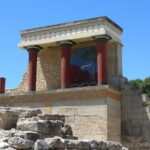
Knossos Palace is the big-ticket name on the schedule, and you’ll visit and explore it during the day. Here’s the practical part: Knossos Palace entry fee is not included (listed as optional), so you should plan for that extra cost.
How the Knossos visit feels can vary depending on timing and what else is happening that day. In some cases, the tour may feel more like transport + a set amount of time at the site, then pickup later. If you want a deep, in-depth guide inside the palace rooms, you may need extra time and patience on your own—or pair this with a separate Knossos-focused strategy on another day.
Still, for first-time visitors, it’s hard to beat getting it handled in one long day that also includes rural Crete. The best approach is simple: arrive mentally ready to see a major site even if it’s crowded. Bring water, wear comfortable shoes, and keep your expectations grounded. You’re there to understand what Knossos represents, not to chase perfect photos.
Mochos village: narrow streets, coffee stop, and local rhythm
Mochos is where the day turns scenic in a very practical way. You’ll walk through old narrow streets, slow down enough to actually look at the details, and then enjoy a drink at the main square.
This is a good stop if you like village travel with just enough structure. You’re not expected to wander for hours. Instead, you get a taste of how village life sits in Crete’s day-to-day world. It’s also a nice contrast to the big archaeological name of Knossos. One stop says ancient palace power. Mochos says everyday continuity.
Guides who are especially good at this often frame the village with small cultural context—how people live, what the land supports, and how mythology sits in the same space as farming and family routines. That’s where the personality of guides like Michael and Nikos shows: they connect what you’re seeing to the bigger Crete story.
If you’re sensitive to uneven pavement, watch your footing. Village streets are often older and uneven, even when they don’t look rough from a distance.
Krasi and the 2,400-year-old plane tree stop
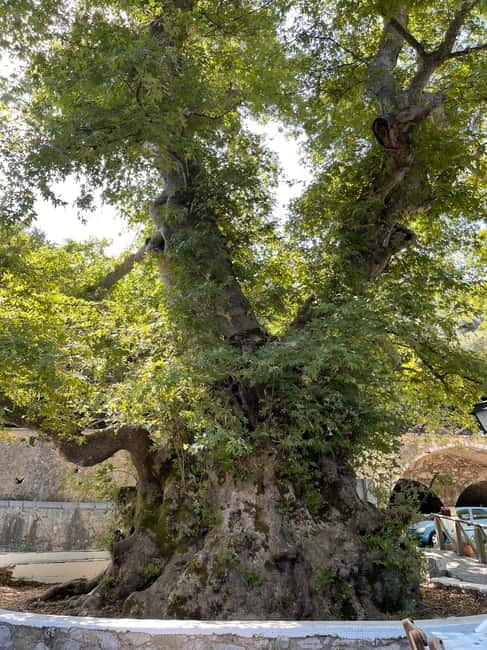
After Mochos, you’ll visit the old village of Krasi and take a walk around town. The standout is a stop by the oldest plane tree in Crete, estimated around 2,400 years old.
This might sound like a single-photo moment, but it actually works as a reset for the day. You go from architecture and food into something slower and more grounded: a living marker that helps you picture how long people have been shaping this island.
This is also a great place to ask questions. If you’re curious about how agriculture, water, and traditions connect to place, the guide is usually at their best in calmer, slower stops like this one.
One practical note: a tree stop means you may be standing around a bit. If it’s hot, don’t be shy about using shade and taking a breath before your next leg into the mountains.


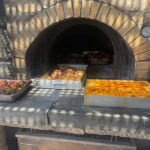
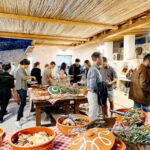

Lasithi Plateau at 900 m: windmills, irrigation, and mountain views
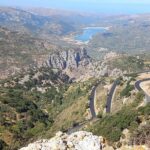
The Lasithi Plateau drive is one of the most memorable parts because it’s not just scenic. It’s historical in a way that makes sense.
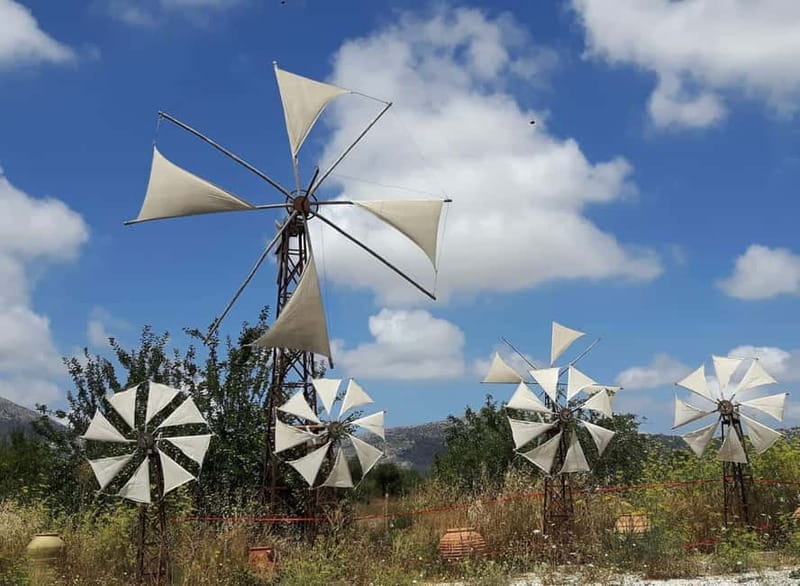
You’ll learn about old windmills used in the past to pump water up for irrigation. The tour also explains windmills that were used for grinding flour. That’s a smart combination: water for crops, flour for food. It ties together how people lived, worked, and fed families—using technology that depended on wind and patience.
The tour also drives around the plateau through old villages where time can feel like it slowed down. You’re at about 900 m above sea level, and that altitude typically means cooler air than the city—often a welcome break from Heraklion heat.
If you’re the type who likes understanding how landscapes and livelihoods are linked, you’ll appreciate this segment. It turns the mountains from a background into a working system.
Lunch on Cretan time, plus small extras you might score
After the plateau and village circuit, you’ll visit a family restaurant for traditional Cretan food. The day plan includes lunch with house wine, and it notes that lunch options can include local house wine and sometimes beer.
Lunch isn’t listed as included in the base price, so treat it like something you’ll probably pay for on the day. That’s normal for tours like this: you’re buying the experience and the route, while meals are an add-on.
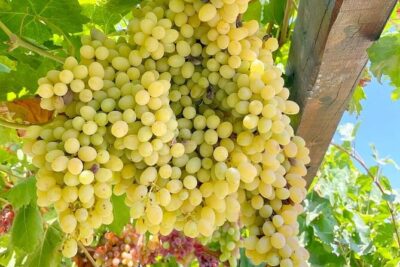
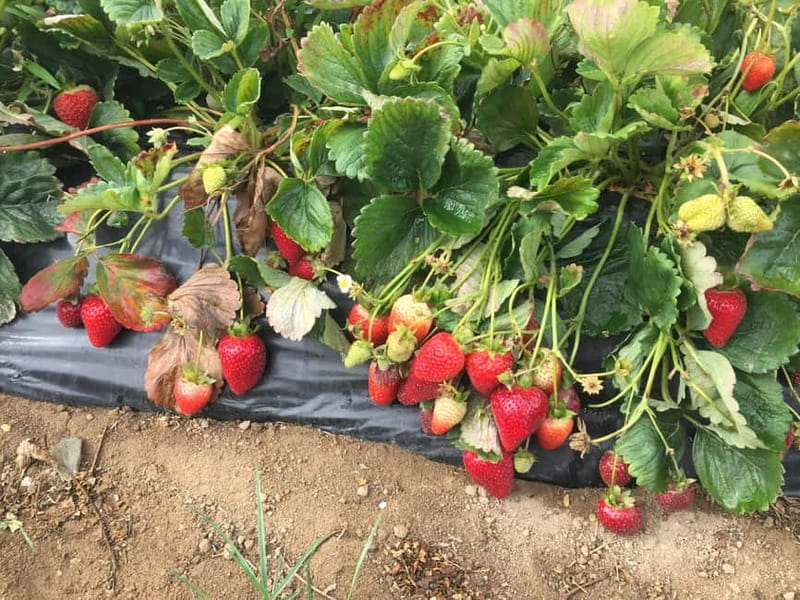
In many real-world versions of this day, guides also add small extras to keep the culture moving. For example, some guides have been described as adding things like local yogurt, popular coffee, strawberry picking, or other fruit stops. Don’t count on every extra every day, but it’s a sign that the best guides here don’t just move you between attractions. They feed you the island as they go.
If you have dietary restrictions, ask your guide in the moment about what’s likely to be on the table. The tour includes tastings and multiple food stops, so communication helps.
Zeus mythology in the hills: what to expect and how to prep
This experience is built around the Land of Zeus. Depending on the day, that can include a cave-related stop connected to Zeus mythology. Some operational days include climbing and walking in a rocky setting, and the experience can be physical.
One practical takeaway from how people describe the Zeus portion: bring shoes with good traction. If there’s a steep stair down involved, you want grip and stability. Plan for it to take a little longer than a flat walk.
Also, keep a flexible mindset. Access can change. There have been situations where the cave area was closed, and guides handled the day by keeping the mythology and engagement going elsewhere. That doesn’t mean you lose the point of the day; it means you trade one exact stop for another version of the same theme: mountains, myth, and the human story behind the location.
If you’re traveling with limited mobility, this part is the part to evaluate first. The rest of the day is village walking and sightseeing, but the cave climb can be the biggest physical hurdle.
Price and value: what $128 buys you in the real world
At $128 per person, this tour prices out as a value if you want a full, structured day without renting a car. You’re getting hotel pickup and drop-off, a driver/guide, bottle of water, coffee, liability insurance, and the core tastings (olive oil and raki).
The two big potential extra costs are:
- Knossos Palace entry (about €20, optional)
- Lunch (not included in the listing, though the day plan includes a restaurant meal)
So the value equation looks like this: you pay once for transportation + interpretation + multiple stops, then you budget separately for the palace ticket and your meal. That’s a fair trade if you don’t want to spend your vacation time navigating or timing buses.
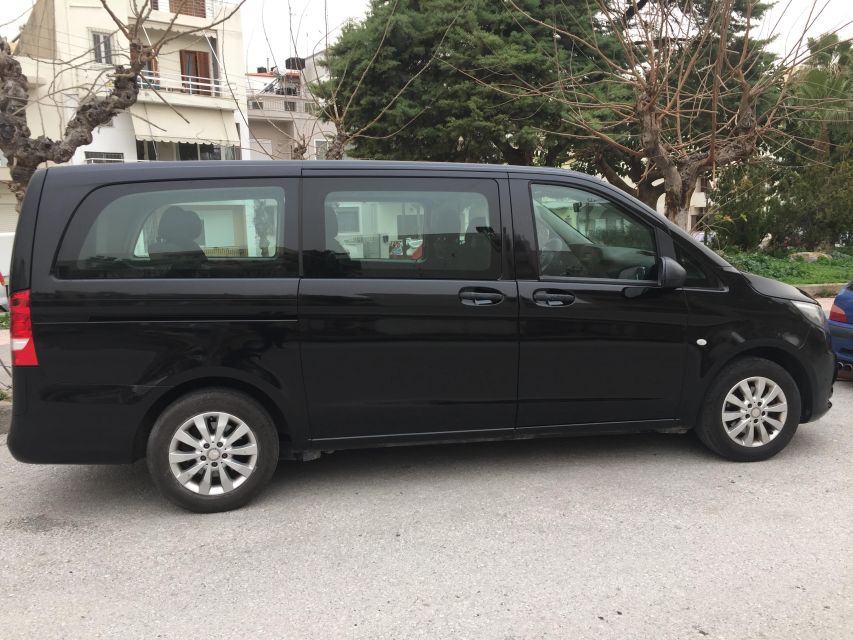
You should also like the small-group format. In descriptions from the field, people have praised the comfy van ride and the fact that it feels more personal than large bus tours. That personal factor often makes a myth-and-food day like this one work better.
Who this tour is perfect for (and who may want a different plan)
This tour fits you best if you want:
- Mythology and history paired with real village life
- Olive oil culture and tastings (not just a quick shop stop)
- A day that starts in Heraklion and ends with Knossos handled efficiently
- A small-group guide experience led by people like Stavros or Ed, who tend to keep the tone friendly and engaging
It’s less ideal if:
- You need deep, slow time inside Knossos itself (since the palace visit may be more of a drop-off time slot)
- You’re only interested in one site and dislike multiple short walks
- You can’t handle some walking and possibly uneven, steep cave steps
If you’re a first-time visitor to Crete with limited days, this is the kind of “get your bearings fast” day that helps you choose what to do next.
Practical tips so your day runs smooth
A few things I’d plan for:
- Wear comfortable, grippy shoes for village streets and any cave steps.
- Bring a light layer. The plateau area is higher and can feel cooler than the city.
- Budget for Knossos entry and your lunch, since they’re not included.
- If you want shopping, remember olive oil purchases can be part of the factory stop. Buy what you actually like.
- Bring cash or a card you’re comfortable using for extra costs at lunch and entry.
And if you’re the type who likes photos, time the photos with your walking breaks. You’ll get better shots when you’re not sprinting between stops.
Should you book the Heraklion: Knossos, Zeus, Villages & Olive Oil Factory Tour?
Yes, I’d book it if you want a single full day that connects Crete’s two faces: the famous ancient sites and the everyday island culture that still runs on villages, farming, and olive oil. The strongest part is the combination—olive oil tasting with real context, multiple village stops, mountain history on the Lasithi Plateau, and Knossos wrapped into one day.
Skip it only if you want a low-walking day or you’re laser-focused on one exact ticketed experience inside Knossos. Otherwise, you’re buying a guided, small-group route that gives you more Crete per hour than trying to piece together four different regions on your own.
FAQ
How long is the tour?
It runs about 7.5 to 8 hours, with starting times depending on availability.
What’s included in the price?
The tour includes hotel pickup and drop-off, a driver/guide, bottle of water, coffee, liability insurance, and olive oil and raki tasting.
Do I need to pay extra for Knossos Palace?
Yes. The Knossos Palace entry fee is not included and is listed as optional (about €20).
Where does the pickup happen?
Pickup is available in the Heraklion region and port, plus the Agios Nikolaos region and port, and several nearby areas including Rethimno, Elounda, Malia, Hersonisos, Agia Pelagia, Sissi, Analipsi, and Anisara.
Is the tour offered in English?
Yes, the live tour guide speaks English.
Is the group private or small?
The activity offers private or small-group options.
Is there a cancellation option?
Yes, free cancellation is available up to 24 hours in advance for a full refund.