REVIEW · HERAKLION
Crete: Olive Oil, Soap, Wine, Raki – Flavorful Culinary Journey
Book on Viator →Operated by LocalTrips4U "Experience True Crete" · Bookable on Viator
Olive oil and raki, taught by real makers. This small-group day trip focuses on how Cretan food and spirits get made, not just where to stand for photos. I love the hands-on olive oil production stop, and I like the small group size that keeps questions and conversations easy. The main drawback is that it’s a long, hot day, so plan for sun and a bit of walking.
You’ll start inland from Heraklion and move through a family-run olive mill, a micro-winery and raki distillery, a traditional soap workshop, and a traditional lunch in Peza Village. Expect tastings along the way: fresh olive oil from the press, wine from indigenous varieties, and raki aged in a barrel. If you’re after a slow, beach-style afternoon, this one won’t match that mood.
In This Review
- Key points to know before you go
- Olive oil, soap, wine, and raki: why this Crete day works
- The route from Heraklion and how the timing feels in real life
- Olive mill morning: fresh oil tastes different after you see the press
- Wine tasting and raki distillery: how to become the person who knows what to ask
- Wine: indigenous varieties, not just generic pours
- Raki: barrel-aged and served like a friendship ritual
- Soap workshop: the surprise stop that makes the day memorable
- The lunch in Peza Village: where value becomes obvious
- Small-group logistics: why max 15 matters more than you think
- Price and value: does $111.26 buy you enough?
- Who should book this tour, and who should skip it
- Should you book the Olive Oil, Soap, Wine, and Raki day?
Key points to know before you go
- Family-run craft stops: olive mill, micro-winery and raki distillery, and a soap workshop run with local pride
- Real tastings included: wine (3 indigenous varieties) plus barrel-aged raki, with olive oil tasting too
- Lunch in Peza Village: a traditional light lunch that many people call the highlight
- Small group format (max 15): easier conversations with hosts and a relaxed pace
- Good chance to get a great driver: Tony is a standout name to request
Olive oil, soap, wine, and raki: why this Crete day works
Crete has a way of making you slow down without trying. This tour follows that inland rhythm. You head away from the shoreline and into working places where families still manage the same cycles—pressing olives, fermenting grapes, distilling spirits, and turning oil into soap.
What you’ll really get is perspective. Instead of tasting Cretan products like they appear magically on a store shelf, you see the steps behind them. That’s why the olive oil part matters so much. When you watch oil being produced and taste it fresh, you start noticing the differences that normally get lost once everything is bottled and shipped.
I also like how the day stays practical and human. You’re not stuck in a lecture hall. You’re in real workshops and tasting rooms with hosts who talk through what they do—sometimes with plenty of personality. Names you’ll hear connected to great days include Tony (a fan favorite driver), Yanni (noted for turning transit time into insight), and Eleni (the operator mentioned as part of a smooth, friendly experience).
The one consideration: this is a full itinerary. It runs long enough that you’ll feel it in the heat. If you’re easily cooked by the sun, you’ll want to plan your pace and hydration on purpose.
You can also read our reviews of more tours and experiences in Heraklion.
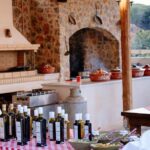
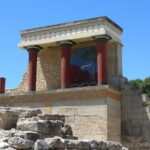
The route from Heraklion and how the timing feels in real life
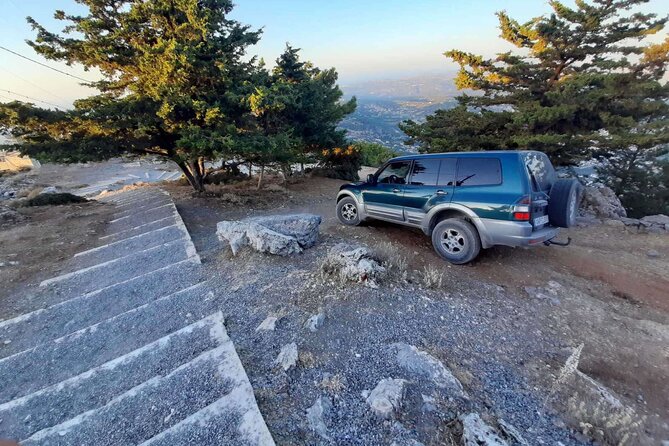
This is about 6 hours total. That sounds simple until you add travel time between inland stops and the time needed for tastings and short walks around each property.
The pacing you can expect is a mix of:
- quick walks on site (usually not long, but not always flat)
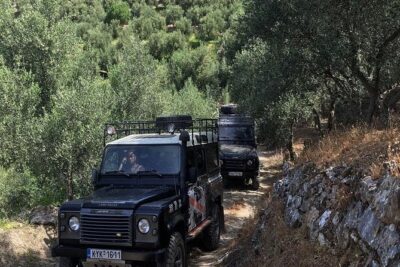
- short drives between stops (the day is broken into manageable blocks)
- a lunch that comes later than many people expect, so eat a proper breakfast
One common theme from the experience is that it doesn’t feel like you’re stuck waiting around. The day is built to keep moving without feeling rushed—short walks, then talk and taste, then the next stop.
Still, keep this in mind: if it’s a very hot day, you’ll want to be strategic. Bring sun protection and water, and don’t assume you’ll be topped up at every stop. Some people also report that water wasn’t available at certain moments, so treat hydration as your job.
Olive mill morning: fresh oil tastes different after you see the press
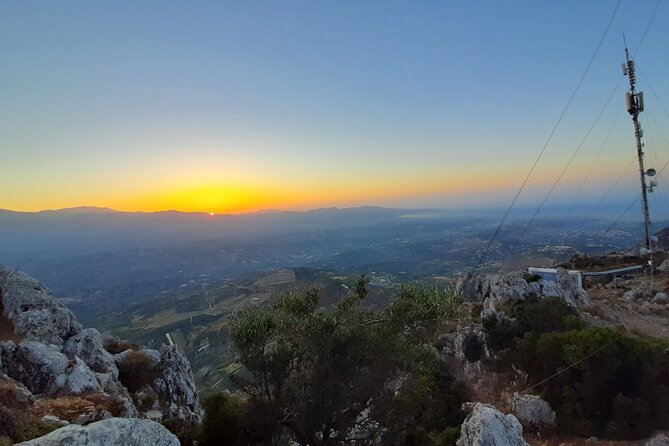
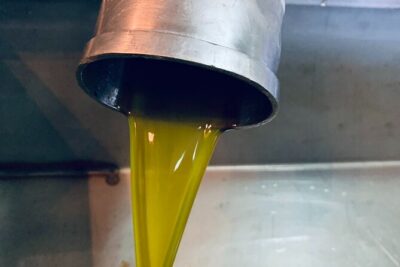
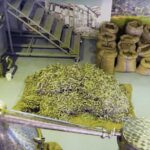
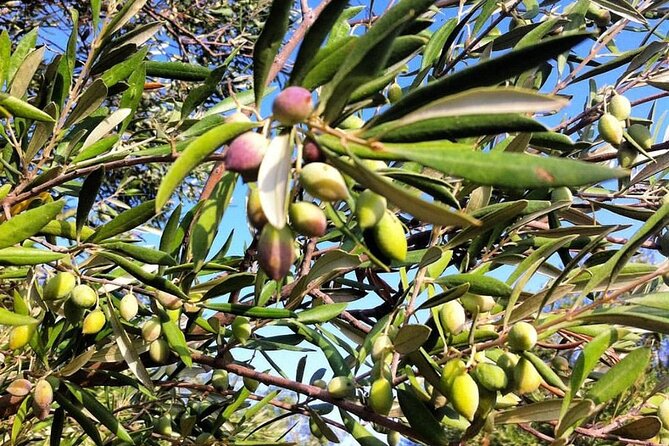
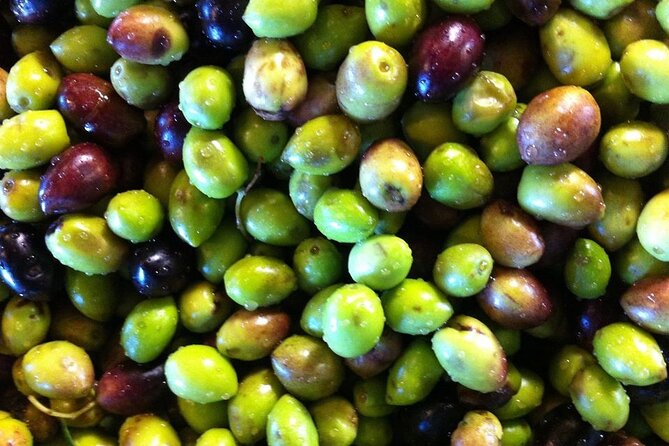
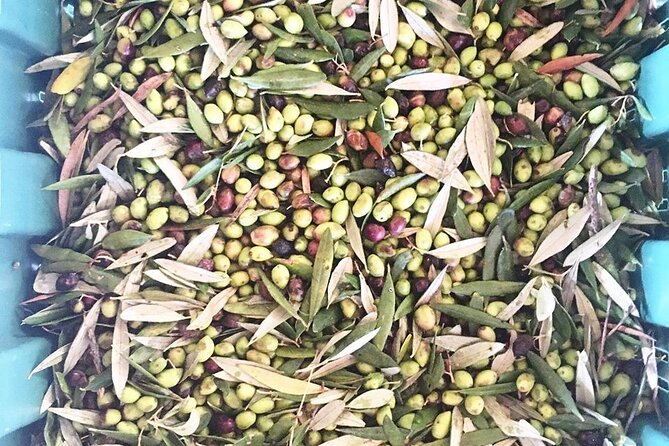
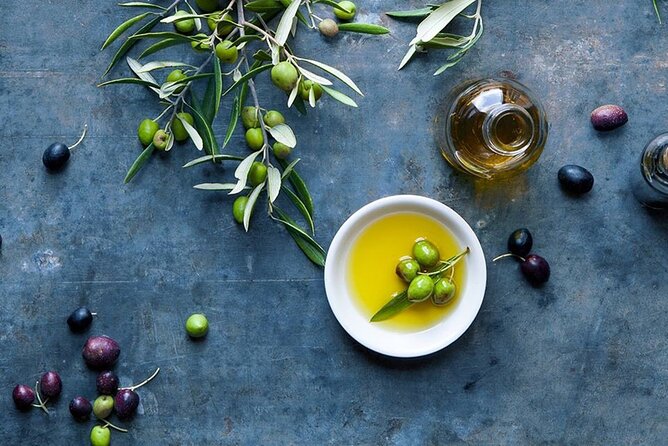
The olive mill is the backbone of this tour. You’ll visit a family-run olive mill and learn how olive oil is produced. Many people are surprised by how much “craft” there is in what looks like a simple process from the outside.
What you’ll do and learn:
- see the way oil production works in a working setting
- take in how the family approach differs from big-scale production
- taste olive oil from the process, not just from a bottle
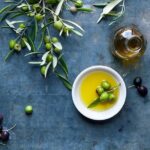
This tasting is the part that changes how you shop later. When you taste olive oil fresh from production, the flavor jumps out more clearly—peppery notes, fruitier edges, and that unmistakable olive character that bottled oil sometimes softens over time.
Some visitors also mention the olive stop can include extra crops or playful tastings alongside the olive theme. One person highlighted an olive farm experience tied to dragon fruit and herbal teas. Don’t count on the exact same add-ons every time, but do expect a lively, local-feeling visit rather than a sterile factory line.
Wine tasting and raki distillery: how to become the person who knows what to ask
Crete’s wine and spirits are part of daily life, and this tour gives you a useful starter kit for talking about them.
Wine: indigenous varieties, not just generic pours
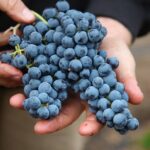
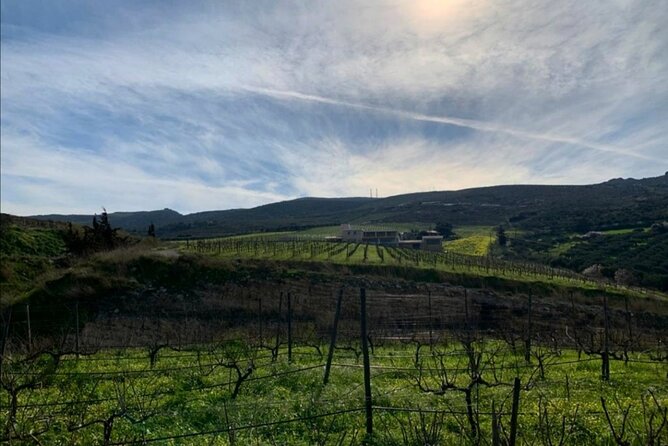
You’ll have a wine tasting of 3 indigenous varieties. The point isn’t to turn you into a sommelier. The point is to help you recognize the flavors and learn what local winemakers are aiming for on this island.
Some people also describe one winery stop as more intimate and guided by the owner, which is exactly the kind of setting where you’ll pick up better details—what they grow, how they produce, and what they think makes their style worth caring about.


Raki: barrel-aged and served like a friendship ritual
Then comes raki, the island’s fiery spirit, often associated with hospitality. This tour includes tasting 1 raki aged in a barrel and also includes time at a micro-winery & raki distillery setting.
What you’ll likely notice is that raki isn’t presented as a harsh shot. It’s offered as part of a bigger conversation. People mention the raki hosts as passionate and welcoming, with sampling that feels personal rather than scripted.
One detail to keep in mind for your comfort: one review notes that wine wasn’t chilled. If you know you prefer your wine colder, tell your guide early, or plan for room temperature wine as part of the reality of the day.
Soap workshop: the surprise stop that makes the day memorable
This is the stop many people don’t expect, and that’s exactly why it works.
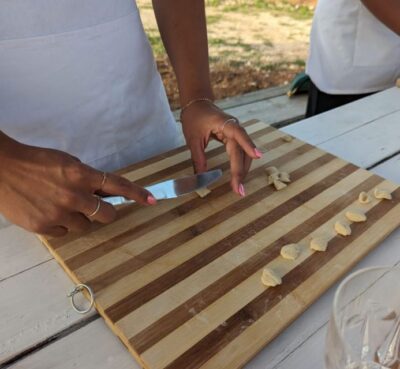
You’ll visit a family-run soap making workshop, and you don’t just watch from the sidelines. You’ll participate in a soap making demonstration. That hands-on moment tends to stick because you can literally connect it to what Crete grows and produces: olive oil becomes something useful, practical, and beautifully scented.
People repeatedly describe this as surprisingly interesting, and that makes sense. Once you understand the basics—oil, process, and how the final product takes shape—you’ll see olive oil in a new way. It’s not only for drizzling over salad. It’s also for skincare and everyday living.
This also changes the tone of the day. After tasting wine and raki, soap is a softer, slower craft. It’s the kind of place where you may want to linger and ask more questions, even if the itinerary moves on.
The lunch in Peza Village: where value becomes obvious
The lunch is a big deal here, and it’s not just “included.” Many people describe it as the highlight, calling it traditional, satisfying, and hosted with warmth.
You’ll enjoy a traditional light lunch in Peza Village. Based on what people say, this meal lands as the emotional payoff: the day stops being a string of activities and becomes a shared table moment.
What you can expect in spirit:
- Greek basics like salads and local sides
- meat dishes (like chicken with potatoes) or vegetarian alternatives (like stewed beans and potatoes)
- desserts such as yogurt-based options
One thing to plan for: lunch timing can be later than you’re expecting. Several comments mention it isn’t until around the early afternoon (people cite around 3:00). If you show up hungry after an easy breakfast, you’ll feel it. So I recommend a proper meal before you go, then snack lightly before pickup if your morning is slow.
Small-group logistics: why max 15 matters more than you think
This tour caps at 15 travelers. That number is the difference between:
- asking questions and actually getting answers
- rushing through tastings because everyone is waiting
- feeling like you’re part of the day instead of observing it
A lot of the best comments revolve around host friendliness and the comfort of the small-group format. Some mention time to talk with other people on the tour, and a few describe ending the day feeling like friends.
Transportation is also part of the value. You get an air-conditioned vehicle, and pickup is offered. Pickup time is confirmed by text message or email, so you’ll have less guessing in the morning.
If you care about the guide/driver vibe, ask for Tony. Multiple people recommend him by name, calling his driving both fun and informative. Yanni is another name tied to great day-of commentary during transit. The operator Eleni also shows up in feedback as helping make the experience feel organized and easy.
Price and value: does $111.26 buy you enough?
At $111.26 per person for about 6 hours, you’re paying for more than a ride and a couple of tastings.
You’re getting:
- olive mill visit with tour and olive oil tasting
- wine tasting of 3 indigenous varieties
- raki tasting (including barrel-aged raki)
- a micro-winery & raki distillery visit
- a traditional lunch in Peza Village
- a soap making workshop where you participate
If you were to do these separately, the total often climbs fast once you factor in transport and time. Here, the big value is that it packages multiple local producers into one day with built-in structure.
The tradeoff is that you’re committing to a full itinerary. If you prefer just one or two stops and more free time, you might feel this is packed. But if you want a well-fed, well-informed day that covers the island’s flavors in one shot, this price can make sense quickly.
Who should book this tour, and who should skip it
This is a great match if you want:
- a food-focused day that goes inland from Heraklion
- a small group with time to chat
- tastings that come with context
- a hands-on craft stop (the soap workshop)
It may be less ideal if:
- you hate long hot days and don’t want to plan for sun and walking
- you’re sensitive to later lunch timing
- you need full wheelchair accessibility. One person reports it’s described as not wheelchair accessible, with walking on uneven, sloping dirt at the olive stop and a longer walk at the winery involving stairs and sloping surfaces.
If you fall in the “I want the real makers of Crete” camp, you’ll probably love it.
Should you book the Olive Oil, Soap, Wine, and Raki day?
I’d book it if your goal is to leave Crete with a deeper taste of the island’s daily crafts—olive oil production, indigenous wine, barrel-aged raki, and soap making—plus a traditional Peza Village lunch that actually feels like the payoff.
I’d think twice if you want a slow, low-effort afternoon, or if you can’t handle walking on uneven ground and stairs. Also, if you’re a cold-wine person, remember some wine is served without chilling.
Overall, this tour is built for people who like their souvenirs edible, practical, and story-backed—things you can explain at home, not just drink in the moment.