REVIEW · CRETE
Small-Group Honey & Extra Virgin Olive Oil Tasting Tour in Crete
Book on Viator →Operated by "Idiosmos" Extra Virgin Olive Oil & Honey Tour & Taste · Bookable on Viator
Olive oil and honey, done the real way. In Crete, this small-group stop mixes on-site production with a hands-on tasting, all tied to a family story dating back to 1920. I particularly like how you get eight honey varieties plus olive oil in one short visit, and how the host keeps it lively without turning it into a lecture. One thing to consider: it’s weather-dependent, so plan a flexible time window.
You’ll also like the sensory setup. You hear the story, see the process on site, and smell the outdoor scents that make the whole thing feel like a working farm, not a shop tour. The possible drawback is simple: because it ends back at the meeting point and stays to about an hour, you won’t get a full, slow farm day. If you want something longer and more hands-on than tasting-focused, this may feel brief.
In This Review
- Key reasons to go
- One hour in Crete: honey and olive oil, without the time drain
- Meeting Idiosmos at Pervolakia: the setting matters
- The 1920-to-now family story: why it’s more than a tasting
- Cold-pressed extra virgin olive oil: seeing how flavor starts
- Bees and beekeeping in Greece: making the honey tasting click
- The tasting lineup: eight honeys plus olive oil (and real food pairings)
- What it feels like in a small group: questions without crowd noise
- Price in context: what $18.10 buys you in Crete
- Buying to take home: how to leave with less regret
- Weather and timing: the small details that affect your day
- Should you book? My practical take
- FAQ
- How long is the Honey & Extra Virgin Olive Oil Tasting Tour in Crete?
- How much does it cost?
- How big is the group?
- What do I taste during the tour?
- Where does the tour start and where does it end?
- Is the tour offered in English?
- What if the weather is bad or plans change?
Key reasons to go
- Small group (max 10) means more time for questions and personal attention.
- Cold-pressed olive oil tasting right at a working setup, not just a demo.
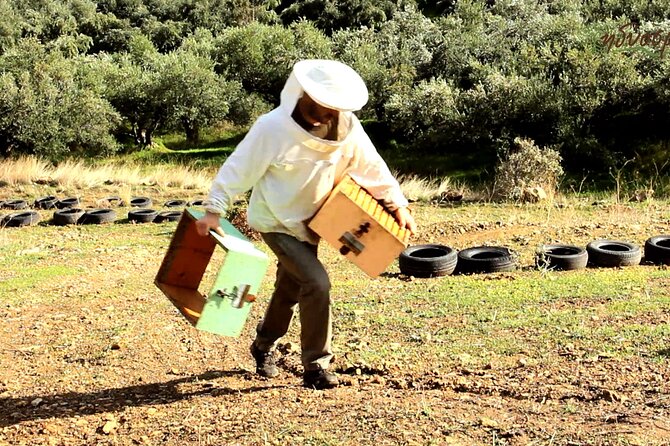
- Bees and hives are explained clearly, with the honey tasting tying it all together.
- Eight different honeys let you taste real flavor differences, not just one sweet sample.
- Local pairings (like bread, cheeses, olives, tomatoes, and yogurt depending on the spread) make the flavors make sense.
- A host-led story from 1920 to now adds context beyond food.
One hour in Crete: honey and olive oil, without the time drain
This is built for travelers who want a meaningful food experience without eating up a whole day. Plan on about one hour, and you’ll move through production explanations, a taste session, and then you’re back where you started.
What I like about the format is the pace. You don’t just sit and listen. You touch, smell, and taste your way through olive oil and honey, which means you remember it later when you’re back at your hotel, comparing flavors.
And for food lovers, this hits fast. You’re not waiting for the main event. The tastings are a core part of the experience, paired with local foods that keep everything grounded in how people actually eat in Crete.
You can also read our reviews of more tours and experiences in Crete.

Meeting Idiosmos at Pervolakia: the setting matters
The tour starts at Idiosmos Extra Virgin Olive Oil & Honey Tour & Taste in Pervolakia 734 00, Greece. Ending back at the meeting point makes it easy to slot into a day without hunting for a late pickup.
You’re also going to feel where this happens. The experience is designed around senses: scents from herbs and olive trees, the feel of an on-site working environment, and the rhythm of a family producer. That’s a big deal because it changes how you taste. Olive oil and honey aren’t abstract flavors here. They’re connected to place.
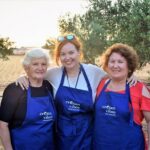
A detail worth noting: the experience is offered in English, and the host approach is part of the value. People specifically highlight Marianna as warm, engaging, and funny, which matters because you’re going to ask questions when the guide keeps things moving.
The 1920-to-now family story: why it’s more than a tasting
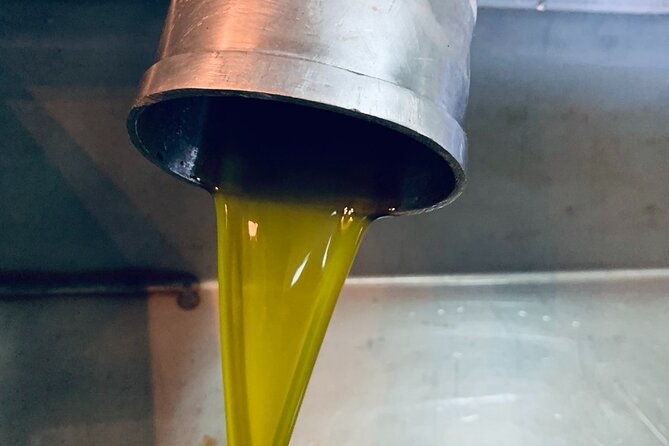
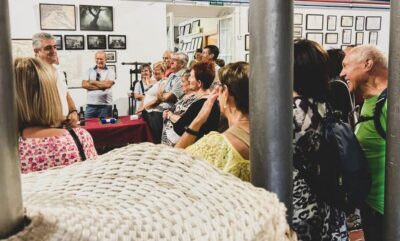
The visit doesn’t treat olive oil and honey as trivia. You get a story that runs from 1920 until now, tied to family tradition and ongoing work. That timeline makes the food feel less like a souvenir and more like something grown and handled every season.
In practical terms, the story helps you taste better. When you understand that a family has been producing these products for generations, you naturally pay attention to details like aroma and finish, not just sweetness.
It also frames why they explain both sides: bees and hives, plus olive extraction. The tour wants you to see how different natural processes create different flavors, and how those flavors show up again when you taste eight kinds of honey and olive oil samples.
Cold-pressed extra virgin olive oil: seeing how flavor starts
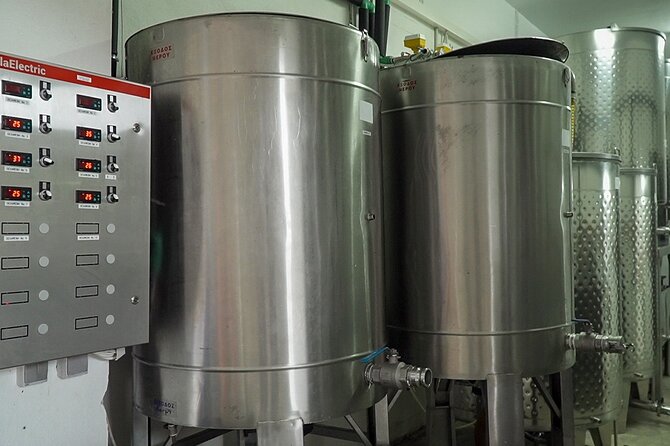
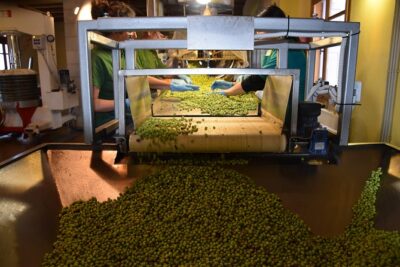
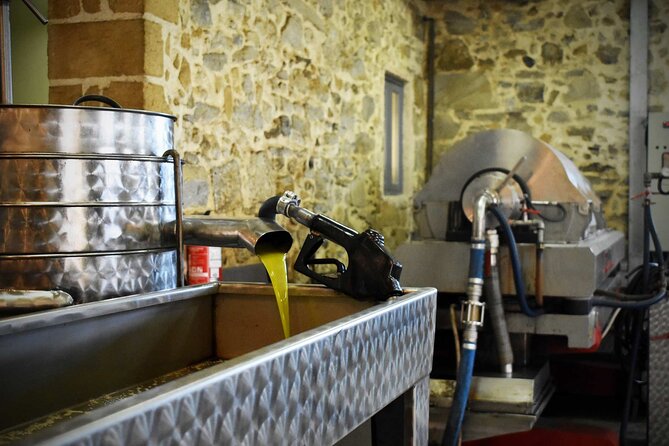
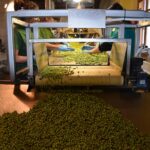
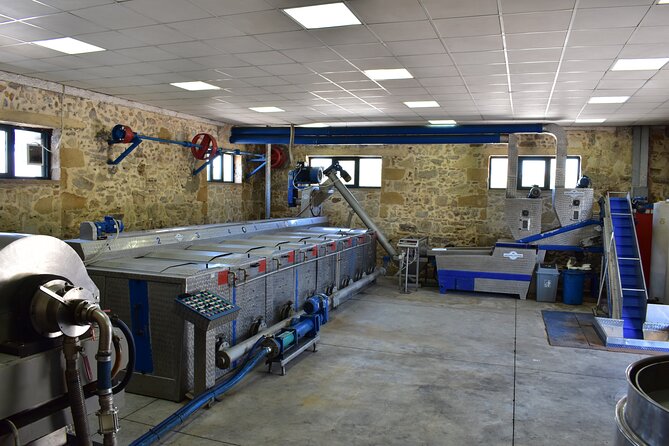
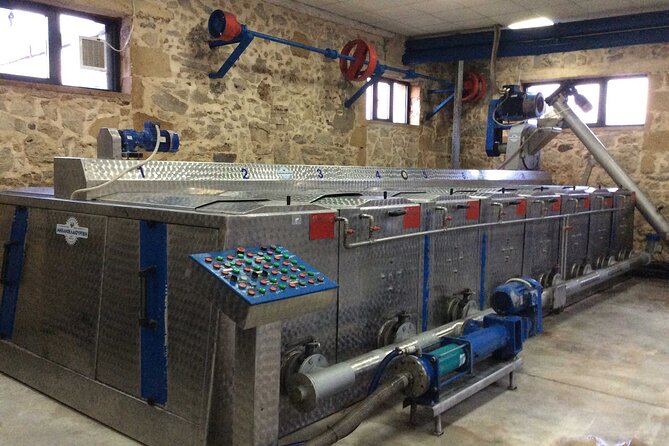
One of the most useful parts of this experience is that you’re introduced to the process of extracting extra virgin olive oil and you see the core production steps on site. That’s the difference between drinking oil like a condiment and learning why olive oil tastes the way it does.
You’ll also hear explanations about the “work” side of production—how extraction happens and what it means to use their own olive trees. This matters for you because it gives you a quick framework for tasting on your own later. Even if you don’t become an oil expert, you’ll start noticing things like intensity, aroma, and how the oil feels after the swallow.
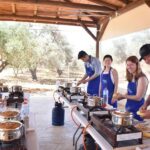
Also, you’re not just watching. The tour includes on-site moments for touching and small hands-on interaction, plus a movie shown during the visit. It keeps the flow from purely visual to a more complete experience.
If you’re the type who likes to buy food you understand, this section earns its place. You’ll walk out with a clearer idea of what makes cold-pressed olive oil worth paying attention to.
Bees and beekeeping in Greece: making the honey tasting click
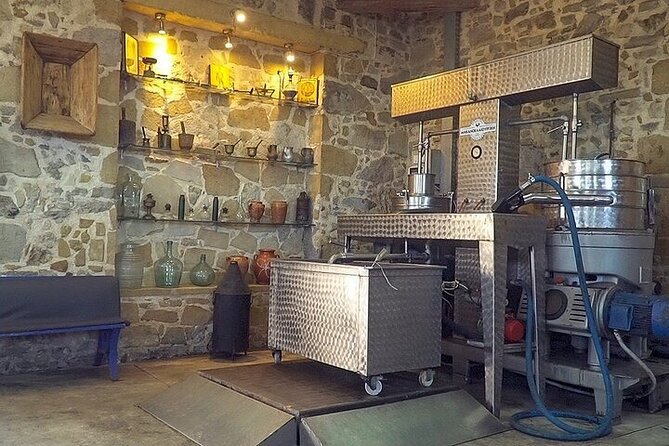
After the olive oil part, you shift to the honey side. You learn about bee hives and beekeeping in Greece, and the explanations connect directly to what you’ll taste at the end.
This is where many people find the tour genuinely interesting, because honey is not one flavor. It’s many flavors shaped by plants, season, and how bees work. When you hear the process behind the product, the tasting stops feeling like a sugar parade and starts feeling like a guided comparison.
There’s also a strong “outdoors” element. The tour uses smell and imagination—thinking about sitting under olive trees or picking Cretan herbs while sampling. It’s not meant to be poetic for its own sake. It’s meant to put you in the right sensory mindset for tasting.


The tasting lineup: eight honeys plus olive oil (and real food pairings)
The main event is a guided tasting of products from the family producer. You’ll experience the tastes of their products and get tips about what to look for as you sample.
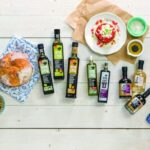
For honey, the tour highlights a tasting of 8 different types of honey. That’s a great choice for your palate because it shows you how varied honey can be. You’ll taste and explore a range of flavors, and you’ll start recognizing that honey isn’t always just sweet. It can taste floral, earthy, or more intense depending on what’s behind it.
For olive oil, you get an olive oil tasting alongside honey. The tour is structured with starter-style tastings: one for honey and one for extra virgin olive oil. The goal is to keep them separate enough that you can tell them apart, but close enough that you can compare.
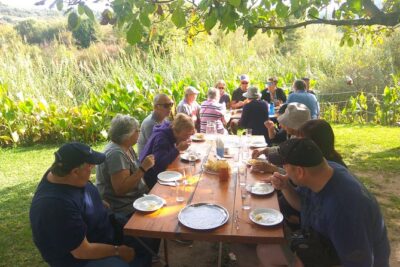
You’ll also likely encounter local pairings during the tasting spread. People mention bread and cheeses (plus items like olives, tomatoes, and yogurt in some spreads). This is smart for you because it helps you learn how the flavors work in real eating, not just on a spoon.
A small practical tip: go slow. With multiple honeys and oil samples, it’s easy to rush. The best tasting tours give you permission to pause and smell again before you take the next bite.
What it feels like in a small group: questions without crowd noise
With a maximum of 10 travelers, you’re not competing with a crowd. That matters because honey and olive oil tasting is where questions pop up naturally: How did they make this? Why does this honey taste different? What should I notice when I buy a bottle?
The host’s style is part of the experience. People repeatedly point out the humor and engagement of Marianna, plus her ability to answer questions at exactly the right level—enough detail to feel smart, not so much that you tune out.
The small-group size also helps during the sensory moments. When you’re touching or sampling, it’s easier to get attention and guidance. You don’t feel like a number moving past a table.
And yes, the environment helps. Views and the countryside drive up to the farm show up in people’s memories. Even if you’re short on time, this kind of setting makes the tasting feel like a real stop, not a quick transaction.
Price in context: what $18.10 buys you in Crete
At $18.10 per person, this is priced like a practical food experience. It’s short, but it includes a lot of value: guided explanations, on-site production discussion, and a serious tasting moment with eight honeys plus olive oil.
The real value is not just volume. It’s learning-by-tasting. You’re paying for context that helps you choose what to buy afterward. If you’ve ever left a food tour with products but no idea what makes them special, this one aims to fix that.
Also, the family-run angle matters. You’re visiting a producer where products come from their own work, including olive trees and their own production. That gives you more confidence when you purchase.
One more value note: the tour ends where it starts, so you’re not paying extra time costs for transportation inside the activity. For a tight itinerary, that’s worth something.
Buying to take home: how to leave with less regret
The tour includes a store where you can buy the presented products. People highlight that you can shop after tasting without pressure, which makes a difference if you’re trying to stay thoughtful and not overspend while your taste buds are still buzzing.
If you want to bring home gifts, the tasting is the best way to decide. You’re not buying blindly. You’ve compared multiple honeys and olive oil samples and received tips on how they differ.
My advice: pick fewer items, but pick the ones you genuinely liked. With eight honeys, it’s tempting to buy variety packs. A better approach is to choose one honey you love for flavor and one for versatility, then get olive oil you can picture using at home.
If you already know you’ll use olive oil regularly, prioritize that purchase. Honey is great, but olive oil can become a daily habit if it suits your palate.
Weather and timing: the small details that affect your day
This experience requires good weather. If it’s canceled for poor weather, you’ll be offered a different date or a full refund.
You also want to book with time in mind. It’s often booked about 18 days in advance, so don’t wait until the last minute if your schedule is tight.
The tour is about an hour, and it ends back at the meeting point. That structure makes it easy to build around it, but it also means you should avoid booking it as a “maybe later” filler if your day depends on a tight route.
For most people, participation is straightforward, and service animals are allowed. If you have specific needs, it’s worth checking ahead, since the on-site experience includes small sensory and interaction moments.
Should you book? My practical take
Book this tour if you want a food-focused experience that teaches you how honey and extra virgin olive oil actually connect to production, not just flavor. The combination of on-site explanations, a small group, and an extensive tasting makes it one of the better short excursions in Crete for your taste buds and your curiosity.
Skip it or reconsider if you’re looking for a long, slow farm visit with lots of time wandering. This is built for efficiency and tasting, so you’ll leave with samples and knowledge, but not a whole day’s worth of roaming.
If you’re traveling with someone who loves sweets, this is also a strong choice. Eight honeys plus pairings means even pickier eaters usually find something they like.
In short: if you want to taste like a Cretan for an hour and come away with products you understand, this is a smart booking.
FAQ
How long is the Honey & Extra Virgin Olive Oil Tasting Tour in Crete?
The tour is approximately 1 hour.
How much does it cost?
The price is $18.10 per person.
How big is the group?
The experience has a maximum of 10 travelers.
What do I taste during the tour?
You’ll do tastings that include 8 different types of honey and extra virgin olive oil.
Where does the tour start and where does it end?
It starts at Idiosmos Extra Virgin Olive Oil & Honey Tour & Taste in Pervolakia 734 00, Greece, and it ends back at the meeting point.
Is the tour offered in English?
Yes, the tour is offered in English.
What if the weather is bad or plans change?
The experience requires good weather. If it’s canceled due to poor weather, you’ll be offered a different date or a full refund. There is also free cancellation up to 24 hours in advance for a full refund.