REVIEW · BAEZA
Visit an almazara + extra virgin olive oil tasting: Baeza
Book on GetYourGuide →Operated by Turistour, turismo, cultura y gestión · Bookable on GetYourGuide
Olive oil becomes real when you smell it. This guided visit at Almazara El Álcazar turns the olive oil you use every day into a process you can actually see, right in the middle of the region’s sea of olive trees. I really like how the tour shows the full chain of making olive oil, and I also like the structured EVOO tasting that helps you distinguish varieties and what makes extra virgin different.
The guide is Spanish, so you’ll want to follow along with your listening—or be ready to ask questions. Also, if it’s not harvesting season, you’ll see the extraction process using projections rather than watching it happening live, which can slightly change the vibe.
Still, the setting and the explanations make it feel more like learning a local craft than doing a quick stop. One highlight is the way they explain the biggest humanised forest in the world and its long-term exploitation, which puts all that olive groves-at-every-turn scenery into context.
In This Review
- Key things to know before you go to El Álcazar
- Getting oriented in Baeza’s sea of olive trees
- Entering El Álcazar: reception yard and first lessons
- Cleaning and classification: why good oil starts with sorting
- The mill experience: processes you can follow (and what you won’t see)
- Storage and packaging: where production meets patience
- The EVOO tasting: how to learn the differences
- The guide makes it: Irene’s Q&A style and the small-moment factor
- Baeza olive culture explained through production, not slogans
- Price and value: what $11 buys you in real-world terms
- Who should book this EVOO tour (and who might skip it)
- Should you book the Almazara El Álcazar EVOO tasting in Baeza?
- FAQ
- How long is the Baeza almazara and EVOO tasting tour?
- Where does the tour meet?
- How much does it cost?
- What language is the live tour guide?
- Is the tour wheelchair accessible?
- What happens if it is not harvesting season?
- What do I visit during the tour?
- What do I taste?
- Is the cancellation policy flexible?
- Can I reserve and pay later?
Key things to know before you go to El Álcazar
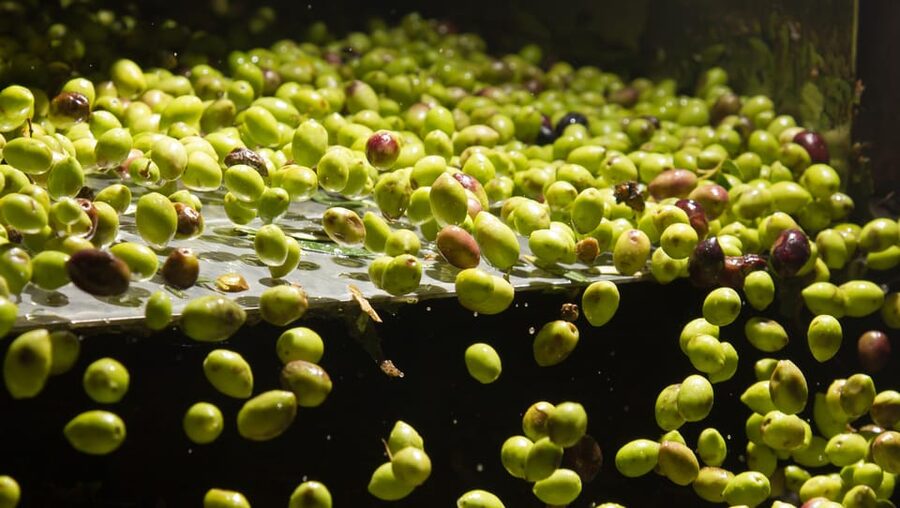
- Full production walkthrough: you’ll move through the reception yard, cleaning and classification area, mill, storage area, and packaging area.
- Tasting with comparisons: you’ll sample Extra Virgin Olive Oil and also learn to spot differences among varieties, plus extra virgin vs non-extra virgin.
- Early harvest oils in the tasting: the experience includes tasting these oils so you can compare as part of the lesson.
- Projections if not harvesting season: the extraction process is shown with visuals when harvest isn’t happening.
- Potentially small group feel: at least one booking notes a tour for just your group, which makes questions easier.
- Guide-led learning: a live Spanish guide leads the visit, and the explanations are built to answer questions as you go.
Getting oriented in Baeza’s sea of olive trees
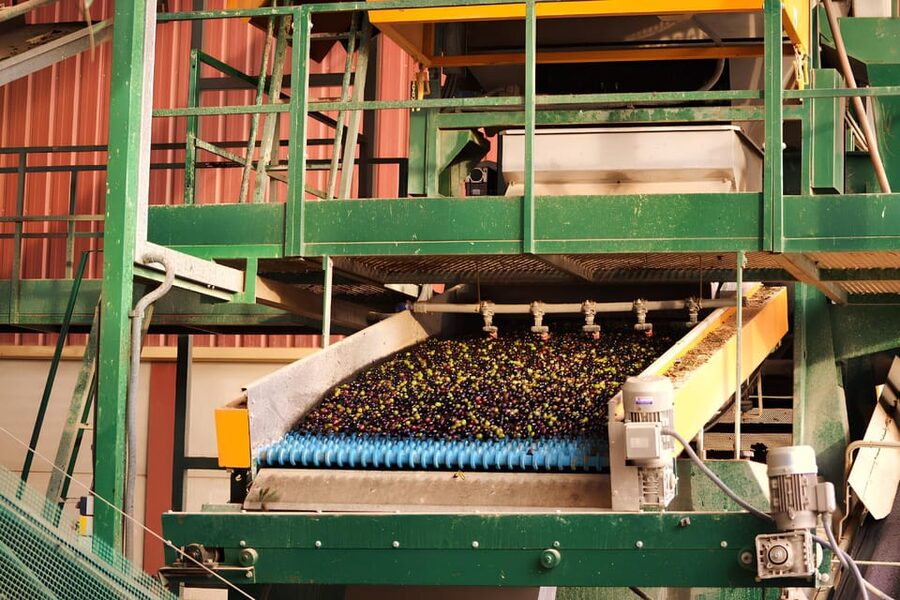
This tour makes sense immediately. You’re in Andalusia, in and around the olive-growing heart of the region, and the Almazara El Álcazar site is located about a 1 km drive from Baeza. That matters because you’re not learning olive oil in a city classroom—you’re learning it where the olives come from, with big olive grove views around you.
What I like most is the way the tour connects “the story” with “the system.” You get a guided lesson on how olive oil works as a product, then you walk through the practical spaces where olives are handled and oil is prepared. If you like food that actually has a backstory, this kind of visit turns that backstory into something you can point to.
One more thing: expect the explanations to include the human side of olive growing. The tour talks about the biggest humanised forest in the world and how it has been exploited over time. That framing helps you understand why the region’s olive production is such a major part of daily life and culture, not just an industry.
You can also read our reviews of more tours and experiences in Baeza.
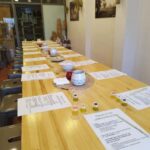
Entering El Álcazar: reception yard and first lessons
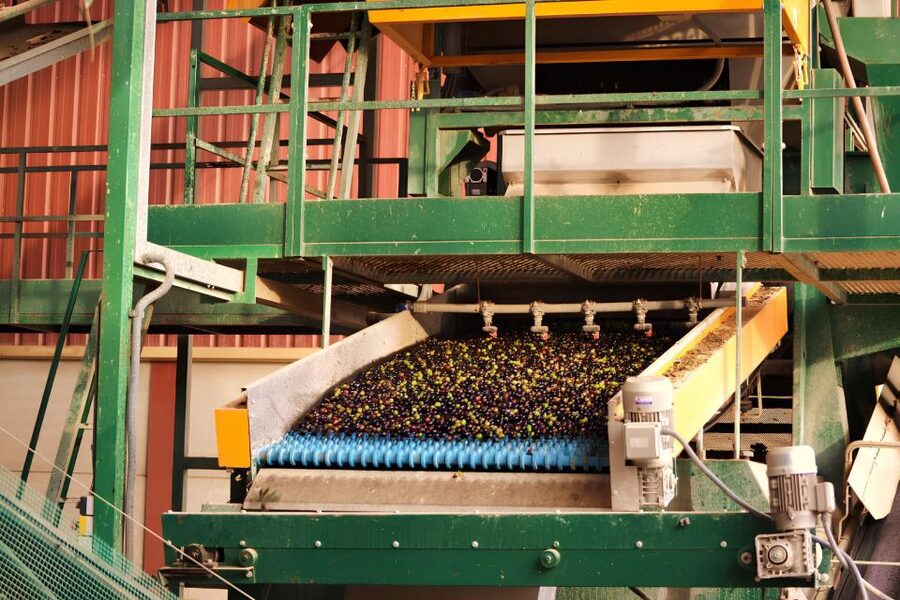
The visit starts at the Almazara El Álcazar main offices building (Ctra. Ibros s/n, about 1 km from Baeza). Right away, you’re pointed toward the logic of the process. The reception yard is where the experience begins because it’s the first step where olives enter the system.
This stop matters because olive oil quality doesn’t start at the mill press. It starts with handling. Even if you don’t know the terminology yet, you can follow the tour’s basic idea: olives don’t just get processed in one step; they move through stages that are meant to keep quality consistent.
You’ll also get an introduction to the world of EVOO so the rest of the tour isn’t just a tour of rooms. The guide sets you up with the mental framework to understand what you’ll see next: why olives are prepared before the milling step, why storage matters, and why tasting is part of the job—not an afterthought.
Cleaning and classification: why good oil starts with sorting
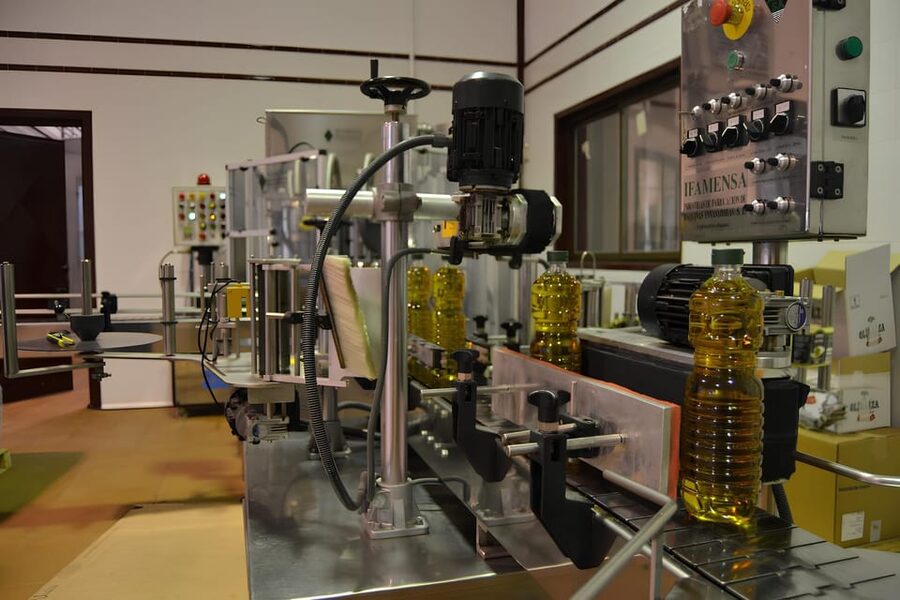
Next comes the cleaning and classification area. This is one of those parts that can feel unglamorous, but it’s exactly what you want to learn on a tour like this. If olive oil is about taste, you still need to know the process that affects consistency.
The tour helps you connect the dots: olives get cleaned and sorted before they go into the mill. That’s the practical bridge between raw fruit and “liquid gold.” As you move through this area, the guide’s explanations are aimed at helping you see the production chain as a sequence, not a mystery.
I like this part because it trains your brain to think like a producer. Once you understand that quality depends on choices made at multiple points, the final bottle stops being “magic.” It becomes a result.
The mill experience: processes you can follow (and what you won’t see)
Now you get to the mill. This is the core of the experience because it’s where the olive oil extraction happens in the production flow.
Here’s the key practical consideration: the tour includes projections of the extraction process when it is not harvesting season. So depending on when you go, you may not see active milling at that exact moment. If your goal is purely to watch the machinery working live, time of year matters.
Even without live extraction, you’re not left in the dark. The projections are there specifically to show what’s happening during the extraction step. The value is that you still leave with a clear understanding of the process and where each part fits in.
If you go during a time when they are operating, you’ll likely feel more of the day-to-day rhythm of production. If not, the tour still keeps you on track with visuals and guided explanation, so you can follow what the process is supposed to do and why it matters.
Storage and packaging: where production meets patience
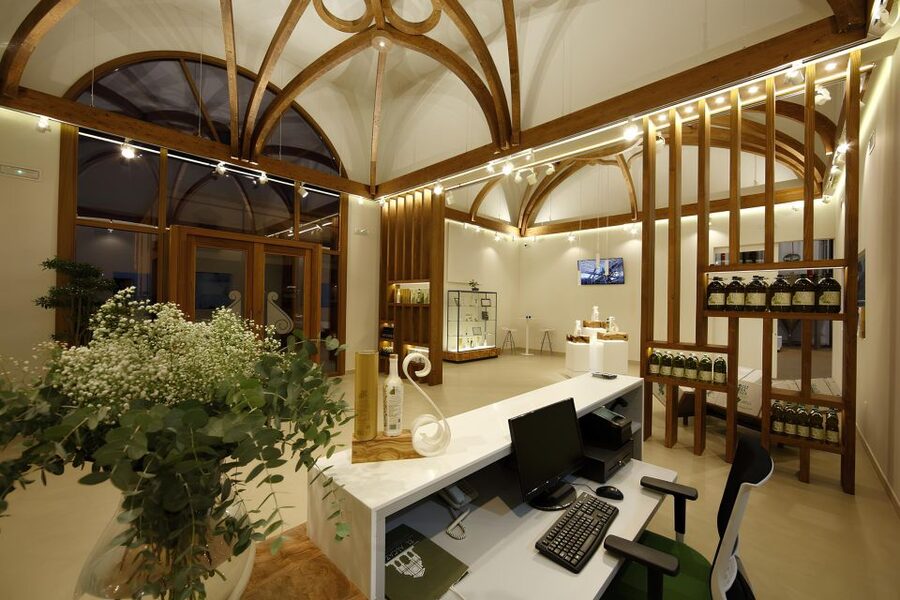
After the mill, the tour moves into the storage area and then the packaging area. This is where the olive oil lesson expands beyond the machine.
Storage matters because oil isn’t just made and instantly “done.” You’ll learn about this stage as part of the broader system, which helps you understand that production is also about managing time and handling oil after extraction. Packaging then becomes the final step that connects the industrial process to what you buy and use.
I like that this tour doesn’t stop at the mill. Many food tours go straight to the highlight and skip the behind-the-scenes middle. Here, you actually see the full pathway that gets the oil ready for consumption.
If you’re the type who reads labels and wonders why different bottles are different, these stops are a good foundation. Even when you’re not leaving with technical formulas, you get enough context to interpret what you see later in a shop.
The EVOO tasting: how to learn the differences
This is the payoff. After walking through the spaces that make EVOO possible, you’ll do a tasting that’s designed to teach you how to notice differences.
You’ll taste Extra Virgin Olive Oil and learn to differentiate the varieties. You’ll also learn how to distinguish an extra virgin olive oil from a non-extra virgin olive oil. That second part is especially useful if you’ve ever looked at bottles and felt like the labels were written in code.
The tasting also includes early harvest oils. Even if you don’t have a trained palate, the guide’s job is to help you compare within the tasting set and understand what you’re being asked to pay attention to. It turns “tasting” into “learning,” which is what you want from a short, 1.5-hour experience.
A practical tip: during the tasting, ask the guide to explain what to focus on while you’re sampling. Guides who can answer questions clearly make the difference between a fun sip and a real skill you can use later when buying olive oil.
The guide makes it: Irene’s Q&A style and the small-moment factor
What elevates this visit is the guide’s ability to turn questions into part of the lesson. In one booking, the guide Irene stood out for answering every question that came up and doing it with a smile. That kind of energy matters because olive oil has lots of fine distinctions.
And the group dynamic can be a big deal. One confirmed booking notes it was a tour for just your group. When that happens, it’s easier to ask follow-ups and not feel rushed out of your curiosity.
Even if your group isn’t tiny, the tour is built so the guide can keep moving without leaving you behind. The activity is short, so you’ll likely cover all the major areas and still have time to connect the tasting to the production stages you just saw.
Baeza olive culture explained through production, not slogans
I like tours that give you context without turning it into a lecture. This one does that by connecting the olive groves around you to the way the humanised forest has been exploited and maintained over time. You get a sense that olive growing is not a random agricultural thing; it’s a long-term human system shaped to produce oil and sustain a whole local economy.
That context helps you interpret what you see at the Almazara. When you understand the scale of olive groves and their role in the region, the mill stops being just a factory visit. It becomes the link between centuries of cultivation and the modern process steps you tour in an hour and a half.
It also helps with respect. You start paying attention to details you might otherwise ignore, because you realize olive oil is a product shaped by choices and timing, not just a commodity.
Price and value: what $11 buys you in real-world terms
At about $11 per person for a 1.5-hour guided visit, this is strong value—especially because the price covers both a production walkthrough and an EVOO tasting. You’re not just paying to see equipment. You’re paying for an explanation of the process and a lesson in how to recognize differences during tasting.
That combination is what makes it worth it. A standalone tasting can feel like a one-time event. A standalone mill tour can feel like sightseeing. Here, you do both, and the tasting is tied to the production learning so the oil you sample actually means something.
Also, because the venue is an advanced facility and one of the largest in Andalusia, you’re getting access to a serious production environment rather than a small demo setup. If you’re into food that tastes better when you understand it, this price is a fair trade for the education you get.
Who should book this EVOO tour (and who might skip it)
This tour is a great fit if you:
- Want a structured olive oil education without needing hours of reading.
- Like tasting as a learning tool, not just as a free add-on.
- Enjoy food production visits that explain the process step-by-step.
- Are curious about early harvest oils and how the tasting is used to compare differences.
You might skip it if you:
- Only want a full-on hands-on extraction show at the mill. Since the tour uses projections when it’s not harvesting season, live pressing isn’t guaranteed.
- Don’t want to manage Spanish-language explanations. The guide is Spanish, and the tour is designed around that.
Should you book the Almazara El Álcazar EVOO tasting in Baeza?
Yes, book it if you want a practical olive oil skill in a short time. For $11 and 1.5 hours, you get a guided walk through multiple production stages plus an EVOO tasting designed to teach you real differences. The fact that they include early harvest oils and cover both extra virgin vs non-extra virgin tasting concepts makes this more than a simple sample session.
Go in with one mindset: treat it like a classroom where you can look around and taste what you’re learning. If you’re comfortable with Spanish or you’re ready to ask questions, you’ll get a lot out of the guide-led explanations—especially the kind that answer questions clearly, like Irene’s style noted in a confirmed booking.
If you’re the type who enjoys food culture tied to actual production, this is an easy yes.
FAQ
How long is the Baeza almazara and EVOO tasting tour?
The tour lasts 1.5 hours.
Where does the tour meet?
Meet at the Almazara El Álcazar main offices building, Ctra. Ibros s/n (about 1 km from Baeza).
How much does it cost?
The price is $11 per person.
What language is the live tour guide?
The guide is Spanish.
Is the tour wheelchair accessible?
Yes, it’s wheelchair accessible.
What happens if it is not harvesting season?
You’ll see projections of the extraction process when it is not harvesting season.
What do I visit during the tour?
You visit the reception yard, cleaning and classification area, mill, storage area, and packaging area.
What do I taste?
You’ll taste Extra Virgin Olive Oil, learn about different olive oil varieties, and sample early harvest oils.
Is the cancellation policy flexible?
Yes. You can cancel up to 24 hours in advance for a full refund.
Can I reserve and pay later?
Yes. You can reserve now and pay later.