REVIEW · CRETE
Crete’s Wine and Olives Safari Tour from Chania
Book on Viator →Operated by Cretan Holidays · Bookable on Viator
A full day of food, wine, and off-road scenery starts early. This 8-hour Land Rover safari from Chania strings together the island’s two big food stories: extra-virgin olive oil and Cretan wine, with a lunch cooked by locals. Two things I especially like are the small group size (max 8) and the way the day mixes hands-on tastings with real stops, like an olive mill and a vineyard visit. One drawback to consider is the early start, plus some bumpy off-road time where you’ll want comfortable shoes and a bit of patience.
You also get more than just “look at a farm” tourism. You’ll learn how olives become extra-virgin oil, see a famous 3,000-year-old olive tree up close (great photo moment), and then shift gears to grapes and wine-making methods. The pacing stays active, but it’s not a sprint: there’s time to sit down for a traditional meal and absorb the quiet mountain villages along the way. The main consideration is that if you’re not into long drives and rural stops, this type of day may feel like more time on the road than you hoped.
In This Review
- Key moments that make this tour special
- A Full-Day Cretan Food Safari From Chania
- Land Rover vs. Big Bus: Why the Small Group Matters
- White Mountains Start: Olive Country and a 3,000-Year-Old Tree
- Olive Grove and Olive Oil Mill: From Harvest to Extra-Virgin
- Vineyard Tour and Wine Tasting in Cretan Hills
- The Lunch Stop That Feels Like Crete
- Agia Paraskevi Chapel Above the Cave
- What $126.31 Buys: Tastings, Lunch, and Two Entrance Fees
- What to Expect on the Road: Early Start, Off-Road Time, and Seat Tips
- Who This Tour Suits Best (and Who Might Feel It’s Too Much)
- Should You Book the Crete Wine and Olives Safari from Chania?
- FAQ
- How long is the Crete Wine and Olives Safari Tour?
- Where does pickup happen?
- What time does the tour start?
- What’s included in the price?
- Are drinks included?
- Is this tour good for families with kids?
- How big is the group?
Key moments that make this tour special
- Land Rover safari energy: small-group road time, including a bit of off-road driving between stops
- Olive oil education: learn how olives are harvested and how extra-virgin olive oil is produced
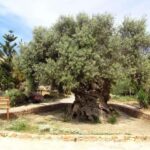
- The 3,000-year-old olive tree: a memorable viewpoint and photo stop (with an easy reality check about the olive oil)
- Vineyard tour plus tasting: a guided wine visit with multiple pours, not just one quick sip
- Lunch with locals: traditional Cretan food served in a mountain setting, often home-cooked
A Full-Day Cretan Food Safari From Chania
This is the kind of day trip that feels like you left the tourist map and landed in the working rhythm of Crete. You start in Chania, then spend the day winding through olive hills and vineyard country with a guide who ties food to place and tradition.
The heart of the tour is simple: you’ll walk through olive growing and oil production, then switch to wine, and finally eat a Cretan meal that actually sounds like what you want to eat on Crete. It’s not just “samples.” It’s tasting with context.
And because it’s a max of 8 travelers, you’re not fighting a loud bus crowd. In the best moments, the conversation stays personal enough to ask real questions—especially when you’re standing in an olive mill or listening during the vineyard visit.
You can also read our reviews of more tours and experiences in Crete.
Land Rover vs. Big Bus: Why the Small Group Matters
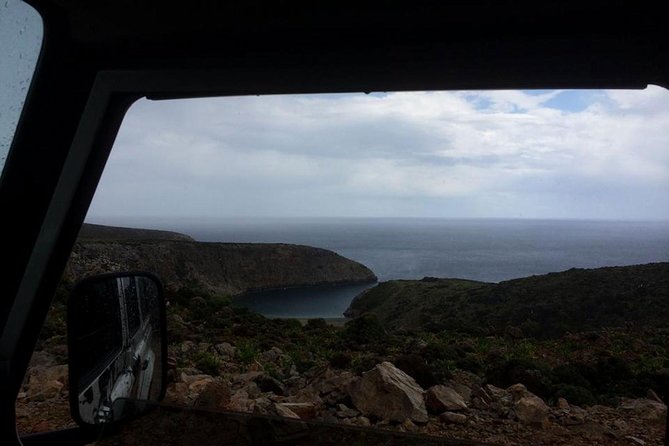
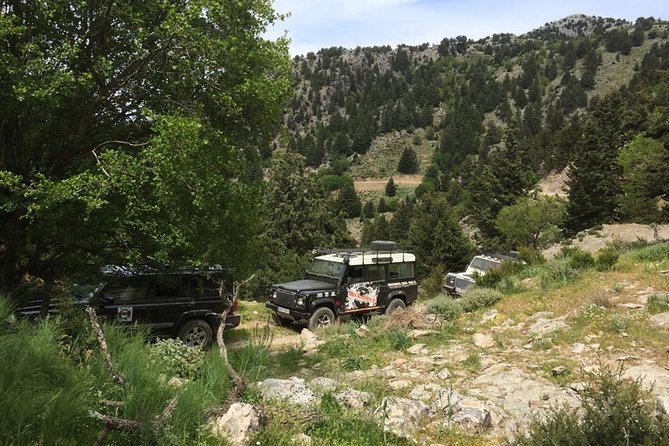
A Land Rover safari isn’t a stunt for its own sake. With a vehicle that size, you’re usually more nimble on narrow roads and mountain routes. You’re also more likely to get the kind of guide interaction that makes a food day feel meaningful instead of rushed.
Multiple guides have been named for this outing, including Thannasi (sometimes spelled Thanass), Antonio, and Petros. That matters because several guests talked about the guide’s stories and Cretan history as part of the experience, not just dry facts.
There’s one more practical upside: if you’re photographing, you can often get better sightlines. And if you’re prone to getting car-sick, the shorter vehicle and fewer passengers can help. You’ll still be on winding roads, though, so don’t plan to work on your laptop.
White Mountains Start: Olive Country and a 3,000-Year-Old Tree
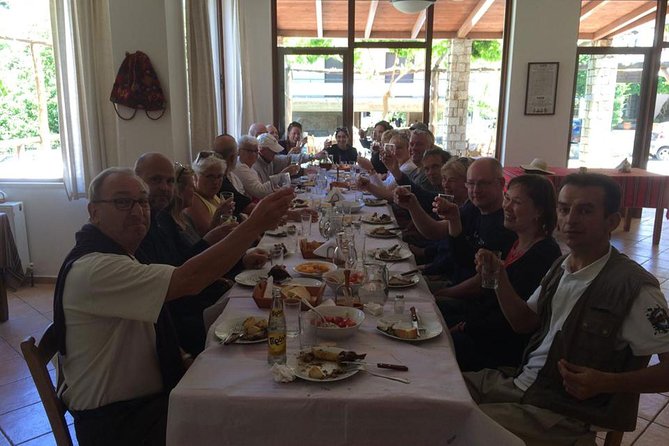
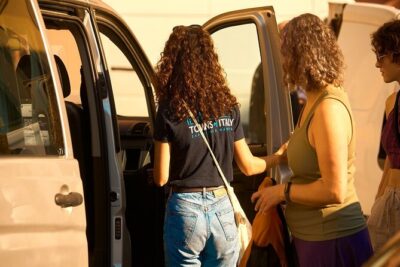
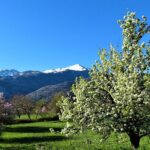
The day kicks off around 7:00 am with pickup from your centrally located hotel in Chania. After that, you’re set loose into the Lefka Ori area (the White Mountains region), where olive trees and vineyards shape the view.
Early morning is also a quiet advantage. You miss some of the day’s heat, and the drive feels like a slow reveal instead of an afternoon traffic jam. The tour structure also means you’re not just stuck at one viewpoint. You’re moving from olive country into grape country, then into a chapel/cave stop before heading back toward Chania.
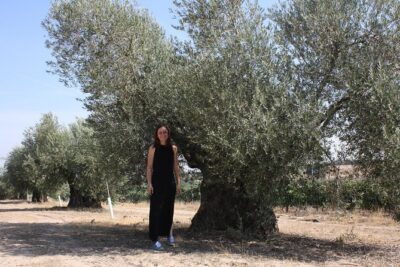
The standout “wow” moment here is the stop for the 3,000-year-old olive tree. It’s a powerful symbol of how long olive cultivation has mattered in Crete. Just know what you’re looking at: one guest pointed out that you won’t be getting olive oil from that tree. It’s more about the living history and photo opportunity than souvenir production.
Olive Grove and Olive Oil Mill: From Harvest to Extra-Virgin
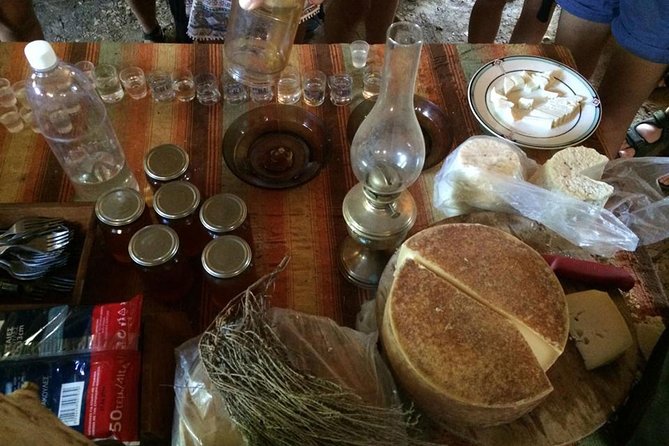
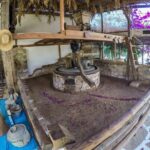
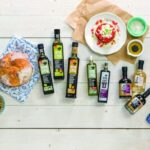
The olive part of the safari isn’t a vague “here are olives” moment. You’ll stop at an olive oil mill area and learn the workflow from olive harvesting to extra-virgin olive oil—the core step that turns fruit into that peppery, green-gold flavor.
This is where the guide’s explanations start paying off. When you know the basic process, the tasting later feels less random. You begin to understand why certain oils taste sharper or more aromatic, and why olive oil is treated like more than cooking fat—it’s part of daily life on the island.
One practical note: the mill and tasting stop involves standing and walking around production areas. Wear comfortable shoes and plan to sweat a little if you’re visiting during hot hours. A hat and sunscreen aren’t optional if you burn easily.
Vineyard Tour and Wine Tasting in Cretan Hills

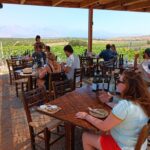
After olives, you shift into grapes. At a Cretan vineyard, you’ll get a guided tour and then a wine tasting. This is one of the reasons the tour feels like an actual “safari” rather than a sequence of checkboxes: you’re comparing two related food worlds and learning how they both carry regional tradition.
In the experience, guests have described tasting multiple offerings, including whites, a rose, and reds. Even if you’re picky about white wines, this type of tasting format can be helpful because it gives you a range rather than forcing you into one style.
Also, one of the big values here is the explanation of methods. You’ll learn about ancient Cretan wine-making methods, which adds a sense of continuity. You’re not just drinking. You’re connecting what you taste to a story about how wine traditions survived—then adapted—over time.
If you’re the type who likes to pick up a bottle after a tasting, this is a good day for that instinct. And since drinks aren’t included as a general rule, you’ll want to pace your own water and food so you stay comfortable.


The Lunch Stop That Feels Like Crete
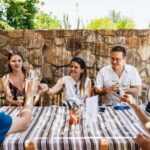
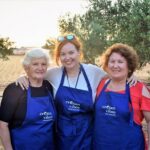
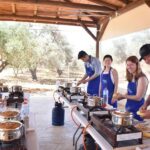
Lunch is where the tour turns from informative to genuinely satisfying. You’ll eat a traditional Cretan meal prepared by locals at a mountain tavern setting. Expect typical Cretan flavors: fresh herbs and greens, seafood, feta, and the kind of savory pies that make you understand why Cretans talk about longevity and good living.
The tone here matters. Several guides have been praised for how they bring you to real-feeling food stops—places that don’t feel staged for tourists. One standout detail from guest feedback is that lunch can be served in a small remote mountain village setting, not a big restaurant, and that it may be prepared by a husband-and-wife team rather than a large kitchen operation.
That said, I’ll be honest for balance. One guest said the tavern meal was filling but just OK in taste, and they were surprised the setup didn’t seem busier. So yes, food quality likely varies slightly with day and menu. But the overall pattern is clearly positive: lunch is a highlight, not a filler.
For you, the big tip is to treat lunch as the anchor of the day. Get there hungry, take your time, and don’t plan to skip it because “we’ll eat later.” You won’t.
Agia Paraskevi Chapel Above the Cave
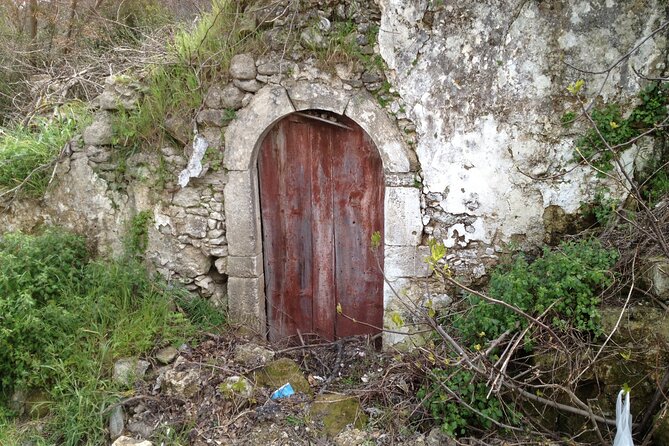
Near the end of the tour, you’ll make a stop at the chapel of Agia Paraskevi, located above a huge cave. This is the moment that adds a different kind of meaning to the day—less about food production, more about ancient belief.
The cave is described as a shrine to an ancient fertility goddess long before the church was built. The dimensions are striking: the cave is about 525 feet (160 m) deep and 118 feet (36 m) wide. Even if you don’t go inside (the tour info frames it as a stop above the cave), the setting does something to your sense of scale.
What I like about adding this kind of stop is that it breaks up the sensory loop. After olive oil and wine, you get a quieter, reflective piece of Crete. It’s also a good photo moment if the weather cooperates.
Then you’re back on the road and eventually dropped back at your hotel.
What $126.31 Buys: Tastings, Lunch, and Two Entrance Fees
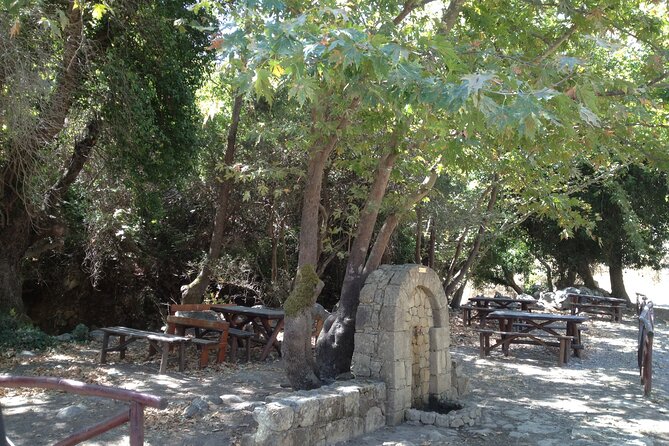
At about $126.31 per person for a roughly 8-hour day, the value depends on what you want out of Crete. If you’d normally rent a car, this tour can feel easier and more efficient. You’re also paying for guided interpretation at two production/ tasting sites plus transportation.
Here’s what’s clearly included:
- local guide
- Land Rover transportation with driver
- lunch with traditional Cretan food
- entrance fee for the olive mill tour and tasting
- entrance fee for the winery tour and tasting
Not included: drinks. That’s an important line because wine tastings are included, but you should still assume you may need to buy extra water or sodas if you want them.
From a value standpoint, the key is this: you’re not just touring a vineyard. You’re touring a mill and a vineyard, and the lunch is part of the package. If you care about tasting and learning, the “pay once, enjoy all day” format is sensible.
If you only want one or two quick samplings, you might feel differently. But the structure is built for people who want to come away with a fuller understanding of how Crete feeds itself.
What to Expect on the Road: Early Start, Off-Road Time, and Seat Tips
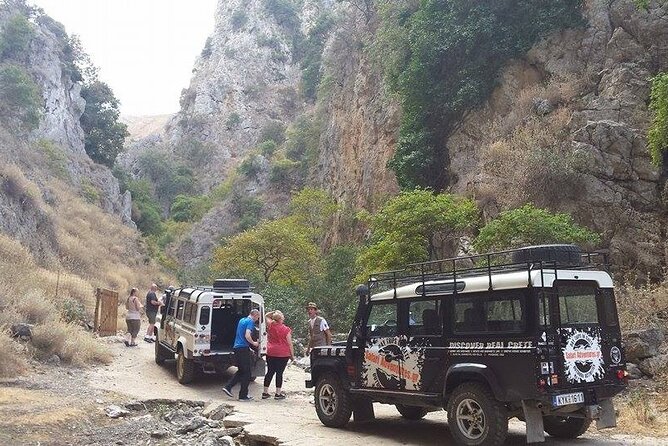
Let’s talk honestly about the drive. The tour lasts most of the day and starts early. You’ll be on mountain roads, and there can be some off-road driving time. One guest specifically said the off-roading felt a bit too long and that the drive through the mountains could have been skipped. Another pointed out that the off-road section between the winery and the tavern is bumpy, about 30 minutes, and that it may help to sit mid-vehicle.
So plan for:
- a longer-than-you-think ride
- uneven road spots
- a day that’s active enough that you’ll want rest after
Comfort helps. Bring sunscreen. Bring your camera. And wear shoes that can handle uneven ground near rural stops. If you’re sensitive to motion, you’ll still likely be okay, but you should choose your seat carefully and take a bottle of water.
The upside is that a portion of the day is rural scenery at close range. You’re not just passing; you’re traveling through.
Who This Tour Suits Best (and Who Might Feel It’s Too Much)
This tour fits best if you:
- want a food-and-wine day that’s guided and hands-on
- like small groups and real stops over checklists
- enjoy learning how products are made, not only tasting them
- don’t mind early mornings and lots of driving
It may feel less ideal if you:
- hate long car days
- get grumpy when the day includes off-road bumps
- want mostly city sights rather than rural Crete
Families should note one key rule: infants are not allowed. Child seats are available if you request them when booking.
For most people, the tour says that most travelers can participate, which usually means it’s not ultra-strenuous. Still, you should expect walking around mill and village areas, so don’t show up in sandals and call it a day.
Should You Book the Crete Wine and Olives Safari from Chania?
I’d book this if you want a day that turns Crete into something you can taste and understand—olive oil production, vineyard wine tasting, and a proper Cretan meal. The strongest reason to choose it is the combination: transport + guided tastings + lunch, all in a small-group format.
If you’re on a short trip and you want one non-beach day that gives you an authentic view of island life, this is a smart pick. And if you like guides who tell stories and connect food to place, you’re very likely to enjoy the day, especially with guides such as Thannasi, Antonio, Athanasios, or Petros.
Just be honest about one thing: this is an all-day road trip in Land Rover mode. If you hate early starts or you dislike bumpy sections, you might prefer a different kind of Crete outing.
FAQ
How long is the Crete Wine and Olives Safari Tour?
The tour runs about 8 hours.
Where does pickup happen?
Pickup is from your centrally located hotel in Chania.
What time does the tour start?
It starts at 7:00 am.
What’s included in the price?
The price includes local guide, Land Rover transportation with driver, lunch with traditional Cretan food, and entrance fees for the olive mill tour and tasting and the winery tour and tasting.
Are drinks included?
No. Drinks are not included.
Is this tour good for families with kids?
Infants are not allowed. Child seats are available if you request them at booking.
How big is the group?
The tour has a maximum of 8 travelers.