REVIEW · FLORENCE
Leonardo Da Vinci’s wind mill visit and Organic olive oil tasting
Book on Viator →Operated by Agriturismo Fattoria Lavacchio · Bookable on Viator
A working windmill paired with olive oil tastings is a rare combo. I like how this one keeps things hands-on and practical: you walk through the olive groves first, then you get real mechanics and history behind the windmill at Bottega del Mulino by Fattoria Lavacchio. I also love the tasting format, because you learn what to notice in extra virgin olive oil instead of just sipping and hoping. One caution: the experience is in the countryside near Pontassieve, so if you do not have your own transport, getting there from Florence can take planning and may cost extra.
You’re looking at about 2 hours total in a small semi-private group (max 20), led in English. You’ll start and end at the same meeting point, and you get a glass of organic Chianti DOCG (or grape juice), which makes this feel like more than a quick stop-and-sample.
In This Review
- Key highlights at a glance
- Tuscany Olive Groves and Leonardo’s Windmill: the 2-hour rhythm
- What you’ll likely feel during the experience
- Stop 1: Bottega del Mulino and the olive grove first
- The olive grove walk (why it’s more than a warmup)
- Learning the tradition of Tuscan olive oil
- Touring the mill: technical, historical, and practical
- What could be annoying at Stop 1
- Stop 2: Professional olive oil tasting that teaches your senses
- Why this tasting format feels worth your time
- What you can do with what you learn
- The wine (or grape juice) makes it feel complete
- Organic flour and traditional milling: why the windmill matters
- Price and value: is $39.74 fair for what you get?
- When the value feels strongest
- When you might feel it’s overpriced
- Logistics from Florence: Pontassieve is the key detail
- My practical advice
- Who should book this tour
- A quick word on guide style and the farm shop factor
- Should you book Leonardo’s windmill and olive oil tasting near Florence?
- FAQ
- Where does the tour start?
- How long is the tour?
- How much does it cost?
- Is the tour in English?
- What’s included in the price?
- Is transportation included from Florence?
- What ticket type do I receive?
- How big is the group?
- Can service animals attend?
- What is the cancellation policy?
- Do I need to book far in advance?
Key highlights at a glance
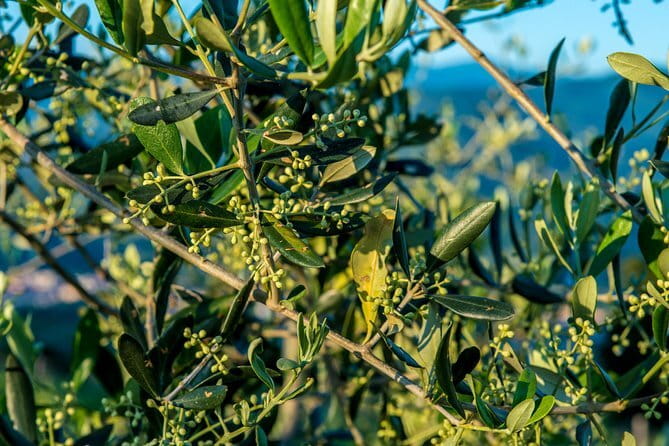
- Olive grove walk: A calm start in the Tuscan countryside rather than a rush through a shop
- Da Vinci-style windmill tour: Clear, technical explanations of how the mill works after renovation
- Professional olive oil tasting: Learn how to tell quality by the oil’s characteristics
- Organic focus: You’ll see how the farm connects traditional milling with organic production
- Small-group feel: Semi-private pacing with an English-speaking expert
- A country-style finish: A glass of organic Chianti DOCG (or grape juice) during the experience
Tuscany Olive Groves and Leonardo’s Windmill: the 2-hour rhythm
This is a compact country outing built for people who want something real, not just a photo stop. The pace is simple: walk first, then tour, then taste. Expect roughly one hour for the windmill and olive tradition part, and another hour devoted to learning and tasting.
The setting matters. You’re not in the middle of Florence’s museum circuit. Instead, you’re on a working agriturismo property, which means the guide can point to what matters in agriculture: the trees, the milling process, and the choices that shape a bottle of extra virgin olive oil.
You can also read our reviews of more tours and experiences in Florence.

What you’ll likely feel during the experience
You’ll get a quick education on how olive oil is made and what makes good oil taste different. Then the tasting helps your brain catch up to your senses. It turns something vague like fruity or peppery into specific traits you can actually recognize.
Stop 1: Bottega del Mulino and the olive grove first
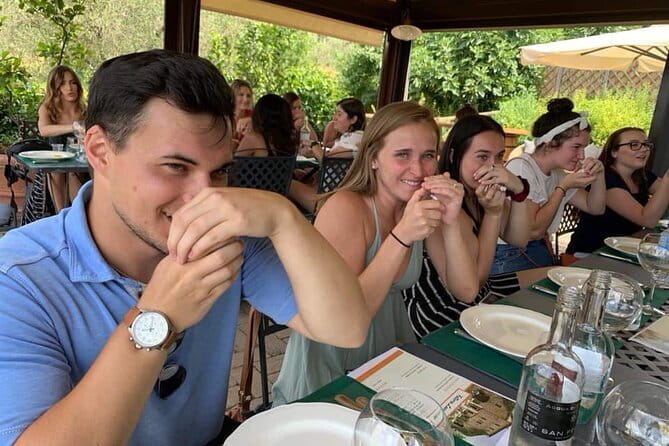
You start at Bottega del Mulino by Fattoria Lavacchio at Via di Montefiesole, 48, 50065 Pontassieve (FI), Italy. The first part lasts about an hour and focuses on the farm and the journey from olive to oil.
The olive grove walk (why it’s more than a warmup)
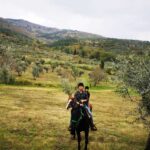
This is your Tuscany intro: you’ll walk among the olive trees and get a feel for how the landscape supports production. The point isn’t pretty views for their own sake. It’s understanding why olives from a specific farm and process can produce a noticeably different oil.
In a lot of olive oil experiences, you jump straight to tasting. Here, you start earlier, so later you can connect taste to the reality of cultivation and pressing.
Learning the tradition of Tuscan olive oil
After the grove walk, the guide gives context on Tuscan olive oil traditions. You’ll hear a short introduction to how locals think about quality and production, and you’ll get the historical background that connects the agriturismo with its long-term approach to preserving tradition.
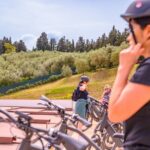
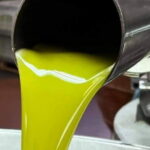
Touring the mill: technical, historical, and practical
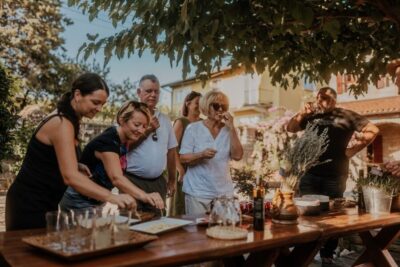
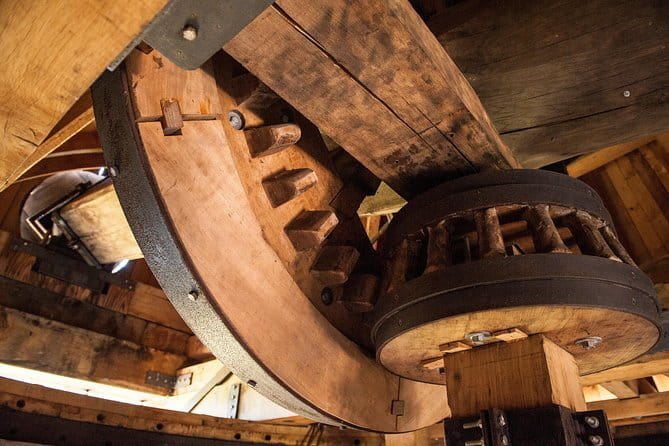
The highlight of the first stop is the guided tour of the windmill at Bottega del Mulino. You’ll get historical background on the windmill, its renovation, and the technical explanations of how it works.
There’s also an organic angle tied to milling. The experience is framed around the idea of using the windmill for milling organic flour, which helps you see that this is not just a decorative piece of machinery. It’s a working tradition that supports the agriturismo’s broader organic production.
What could be annoying at Stop 1
Because you’re walking in fields and touring machinery, wear comfortable shoes. One review noted the location and paths can involve walking and tight stairs, so if you dislike uneven ground or narrow steps, consider that before booking.
Stop 2: Professional olive oil tasting that teaches your senses
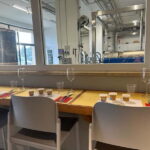
The second part is about learning how to taste like a professional. This segment also runs about an hour and is centered on a course in olive oil professional tasting.
Why this tasting format feels worth your time
Most tastings either:
- serve samples with no method, or
- overwhelm you with theory.
This one aims for the middle. You learn differences in the characteristics of good extra virgin olive oil and how those traits show up in taste. The goal is to help you understand what you’re buying, not just enjoy a few sips.
What you can do with what you learn
Once you’ve practiced with guidance, you’ll be better at answering questions like:
- Why do two oils taste different even if they look similar?
- What does quality mean on your tongue, not just on a label?
- How do you identify features you like so you choose oils you’ll actually use?
And since you’re on a working farm, you’re tasting in context. It’s easier to believe the story when you’ve just been shown the grove and the milling process.
The wine (or grape juice) makes it feel complete
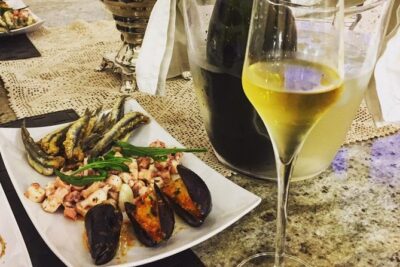
You’ll also get 1 glass of organic Chianti DOCG wine or grape juice as part of the included experience. It’s a nice wrap-up because it gives you a local pairing vibe without turning the tour into a long food event.
Organic flour and traditional milling: why the windmill matters
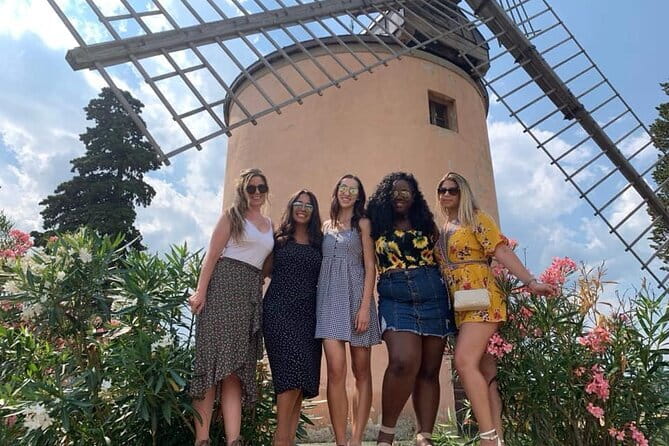
Even if you already know what a windmill is, this tour treats the mill like a real piece of production. You’re not just looking at machinery. You’re getting an explanation of how it works, plus why it was renovated and how it fits into the farm’s organic approach.
The most useful takeaway for you is perspective: when people preserve old technology, it’s often because it supports a practical system. Here, the working windmill is tied to organic milling (including flour), which means the farm is connecting heritage with function.
If you like tours where the guide can point and explain, this section should land well.
Price and value: is $39.74 fair for what you get?
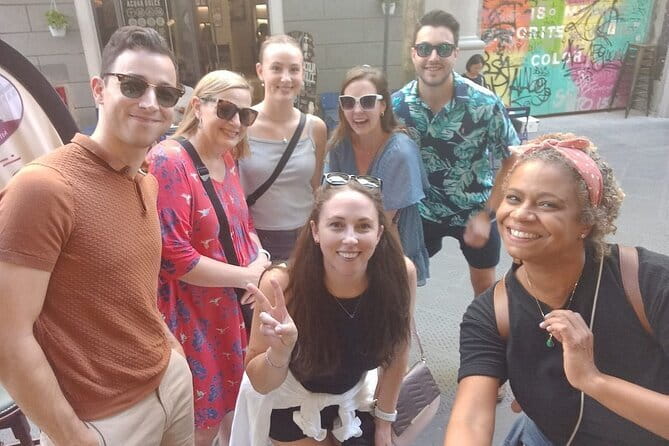
At $39.74 per person for about 2 hours, this is priced like an actual activity, not a museum add-on. The value comes from three things bundled together:
- Time on-site in Tuscany (olive groves + mill tour)
- A structured tasting session focused on professional criteria
- A small-group setup (maximum of 20) with an English-speaking expert
Add in the included Chianti DOCG glass or grape juice, and it stops feeling like just a walk-through. It’s also helpful that the tour uses a mobile ticket, which usually makes check-in smoother.
When the value feels strongest
This is strongest value if you:
- want to understand olive oil quality, not just sample it
- like small-group learning with hands-on context
- don’t mind a short countryside commute
When you might feel it’s overpriced
If you end up paying a big chunk for private transport just to get there, the price math shifts. The experience itself is solid, but the location is the main thing that can change the total cost of your day.
Logistics from Florence: Pontassieve is the key detail
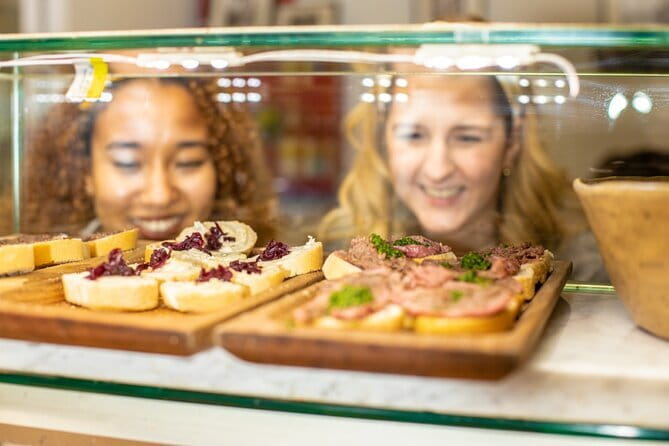
The meeting point is in Pontassieve, not in central Florence. The tour ends back at the meeting location, so plan on returning the same way you came.
If you’re staying in Florence without a car, this is the part to take seriously. The itinerary doesn’t include transportation, so you need to arrange it yourself (taxi options, rides from a driver, or other local solutions you can set up). The address is also specific, so I’d recommend relying on the street address rather than assuming a map pin will be perfect.
My practical advice
- Confirm the exact meeting address before you leave your hotel room.
- Build in extra time for rural roads and any small navigation errors.
- Wear shoes for walking and stairs, since the first stop includes grove paths and mill access.
If you want the easiest day, treat this like a planned countryside outing, not a last-minute add-on.
Who should book this tour
This experience is a good fit if you want a Tuscany morning that stays grounded in real agriculture. It works especially well for:
- Couples and small groups who want a small-group feel
- Food travelers who care about how products are made
- People who enjoy farm visits with an explanation you can take home
It’s less ideal if you:
- hate walking or tight stair areas
- want a central Florence experience with zero countryside commuting
- expect a pure restaurant-style meal (this is tasting-focused, not a long lunch event)
A quick word on guide style and the farm shop factor
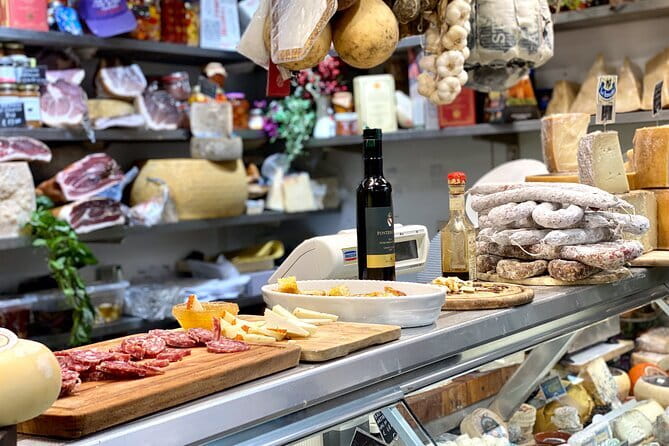
The tour’s strength is how the guide connects process to taste. The windmill tour isn’t just story time. You get historical context plus technical explanation, then the tasting teaches you how to evaluate oil quality in your own mind.
If the agriturismo shop is open during your visit, you may find you want to bring home what you tasted. Even without making it a shopping mission, the tasting format naturally encourages you to remember the oils that fit your preferences.
Should you book Leonardo’s windmill and olive oil tasting near Florence?
If you want a short Tuscany lesson that combines a walk in the olive grove, a guided Da Vinci-style windmill tour, and a genuinely helpful extra virgin tasting, I think this is a smart buy. The price is reasonable for the time on-site, the professional tasting component, and the included Chianti DOCG glass or grape juice.
If you do not have your own transport, book with extra attention to getting to Pontassieve and back. Once you solve that logistics piece, the experience itself is exactly the kind of day-trip activity that makes Florence feel less like only museums and more like a living food region.
FAQ
Where does the tour start?
The experience starts at Bottega del Mulino by Fattoria Lavacchio, Via di Montefiesole, 48, 50065 Pontassieve FI, Italy.
How long is the tour?
It runs for about 2 hours total (with Stop 1 around one hour, and Stop 2 around one hour).
How much does it cost?
The price is $39.74 per person.
Is the tour in English?
Yes. English is offered.
What’s included in the price?
You get a professional olive oil tasting course, a professional guide, a small group semi-private tour, an English-speaking expert, and 1 glass of organic Chianti DOCG wine or grape juice.
Is transportation included from Florence?
No. Transportation to and from the attraction is not included.
What ticket type do I receive?
You’ll receive a mobile ticket.
How big is the group?
There is a maximum of 20 travelers.
Can service animals attend?
Yes, service animals are allowed.
What is the cancellation policy?
Free cancellation is available. You can cancel up to 24 hours in advance for a full refund.
Do I need to book far in advance?
This experience is often booked about 45 days in advance on average.