REVIEW · FLORENCE
Florence: Great Chianti Wine and Olive Oil Trail with Lunch
Book on GetYourGuide →Operated by Towns of Italy · Bookable on GetYourGuide
Chianti tastes better when you know what to look for. This Florence day trip pairs three winery tastings with an olive oil mill visit, so you leave with flavor knowledge, not just souvenir photos. I love that the day mixes viewpoints, guided tastings, and a real Tuscan meal instead of turning into a rushed drive-by tour. I also like that you get instruction on how wine tasting works, step by step, from aroma to structure. One watch-out: it’s a full 7-hour day and it runs rain or shine, so plan for long stretches outdoors and car time.
The wine side here is built around Chianti Classico and learning how to evaluate it like a pro. If you’re into food and drink, you’ll enjoy the way the guides connect what you’re tasting to how it’s made and how it should be read in the glass. You’ll also appreciate that the tour can be led by guides such as Lorenzo or Michaela—both described as warm, professional, and attentive to guest needs.
The only drawback to keep in mind is that it’s not suitable for everyone—pregnant women are listed as not eligible. Also, if you don’t want to taste alcohol, you may feel like the schedule is built for wine lovers.
In This Review
- Key Points You’ll Care About
- Leaving Florence for the Chianti Hills: What Makes This Day Work
- Getting Started at the Piazza Mentana Meeting Point (And Staying Comfortable)
- The Scenic Chianti Hills Stop: A Photo Stop With Context
- Winery Visits #1 and #2: Learning How Chianti Tastes Like It Means Something
- Greve in Chianti: The Medieval Break That Prevents Wine Fatigue
- Lunch at a Boutique Winery: Food Pairings You Can Actually Taste
- The Olive Oil Mill at an Ancient Estate: The Part People Don’t Expect
- Photo Stops and Vineyard Walks: How the Day Creates Real Memories
- The Wine Coaching: Turning Tastings Into Skills
- Semi-Private Upgrade With Supertuscan Focus: When It’s Worth Paying More
- Price and Value: Is $89.50 a Smart Deal?
- Who This Tour Suits Best (And Who Might Be Happier Elsewhere)
- Quick Booking Notes That Save Stress
- Should You Book This Florence to Chianti Wine and Olive Oil Trail?
- FAQ
- How long is the Florence to Chianti wine and olive oil tour?
- What does the tour cost?
- Where do I meet for the tour in Florence?
- Do I need a passport or ID?
- What’s included in the tour price?
- How many wineries are visited?
- Is the tour only about wine?
- Is lunch included?
- Is the tour available in English?
- Is the tour suitable for everyone?
Key Points You’ll Care About
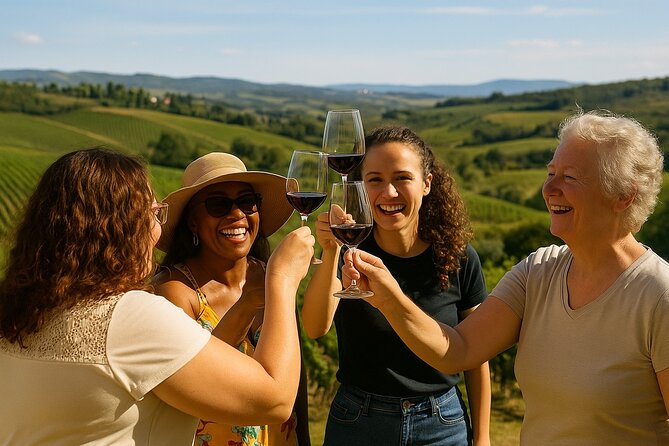
- Three wineries, one coherent Chianti theme with Chianti and Chianti Classico tastings
- Olive oil mill tour at a historic estate with extra virgin olive oil learning and tastings
- Wine tasting coaching that teaches what to notice in aroma, acidity, and aftertaste
- A true Tuscan 3-course lunch at a boutique winery with wine pairing
- Comfortable transport in a Mercedes minibus with free Wi‑Fi, plus scenic photo stops
- Optional semi-private upgrade (max 8 guests) with Supertuscan focus and a certified wine expert
Leaving Florence for the Chianti Hills: What Makes This Day Work
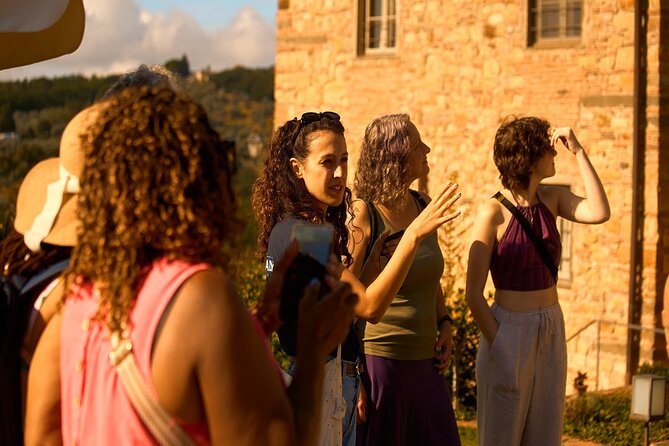
This is the kind of day trip that fits Tuscany’s rhythm. You start in Florence, then head into the Chianti countryside where vineyards and olive groves actually make sense together. The tour is structured so you don’t just stop and sample—you learn why the wines taste the way they do and why olive oil from the same region matters in the same food culture.
A big reason I think this works for most people is balance. You get three winery visits spread through the day, plus time in Greve in Chianti, plus lunch, plus the olive oil mill. That pacing keeps it from feeling like a single long tasting parade. You also get photo stops along the way, including scenic views that help you place the region in your head rather than staring at grapes from a bus window.
You can also read our reviews of more tours and experiences in Florence.

Getting Started at the Piazza Mentana Meeting Point (And Staying Comfortable)
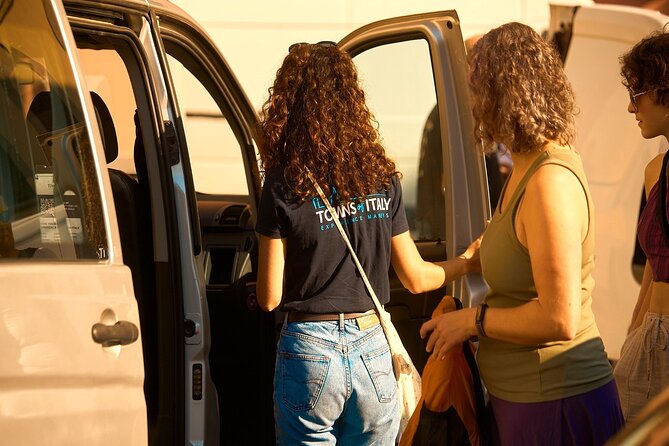
You’ll meet at Piazza Mentana, Florence, at Via dei Vagellai 22 R, on the corner by the Arno River. It’s across from the meeting-side landmark, so it helps to arrive a little early, get your bearings fast, and double-check you’re at the right corner.
Transport is a Mercedes minibus (or minivan type depending on group setup) with free Wi‑Fi and an English-speaking driver. For a 7-hour day, that matters more than it sounds. You’ll spend real time on roads through the Chianti hills, and having comfortable seats and Wi‑Fi makes the ride feel like part of the experience instead of a chore.
The tour runs rain or shine, so bring something practical. Even if tastings happen indoors, you’ll still deal with outdoor bits like photo stops and short walks. If you hate being cold and damp, dress in layers.
The Scenic Chianti Hills Stop: A Photo Stop With Context
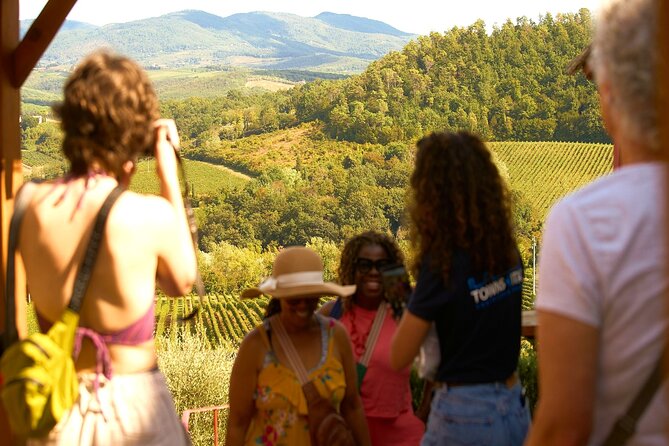
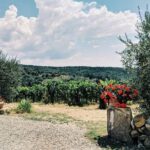
Early on, you pass through Chianti Hills and you’ll get a photo stop with scenic views. This isn’t just about snapping a few pictures. The point is to give you a visual map of what you’ll taste later: rolling vineyards, hilltop villages, and the kind of countryside where wine-making has been a local craft for generations.
If you’ve only ever seen Tuscany in postcards, use this stop to calibrate your expectations. The views are the easy part. What’s harder is understanding how place shapes wine style. That’s where the sommelier-style tasting guidance later in the day becomes useful.
Tip: pick one or two shots that show scale—fields, roads, and distant buildings—so your photos look like Tuscany, not just a close-up of leaves.
Winery Visits #1 and #2: Learning How Chianti Tastes Like It Means Something
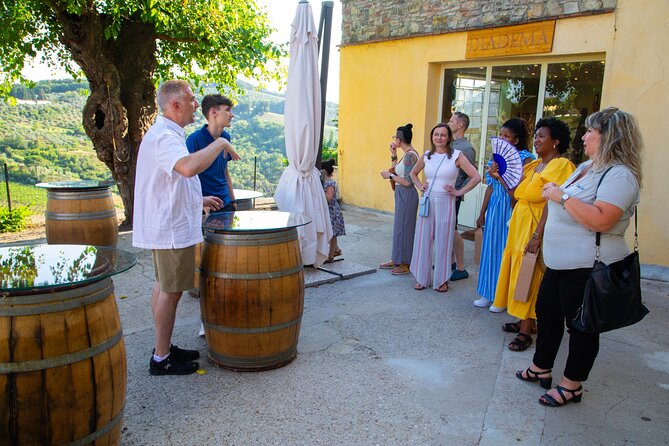
At the first winery and the second winery, you’ll do guided tastings. These stops are described as visits to award-winning wineries, and you’ll also hear about techniques behind the wines. What you should look for is the tour’s emphasis on making the tasting feel teachable.
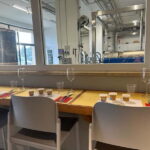
You’ll taste a selection of Chianti and Chianti Classico. Chianti Classico is the label many people think of first, and this tour is clearly built around it. The tasting isn’t just sip-and-smile. You’ll learn how to evaluate wine: aroma to structure, acidity to aftertaste. That set of words is exactly what helps when you’re staring at a glass later and trying to describe what you’re feeling.
A practical note for you: if you’re not sure how to “do” wine tasting, this is a plus. The guidance gives you a framework, so you’re not sitting there thinking you’re missing something.
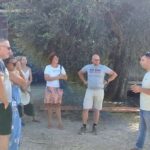
If you get a guide like Michaela, the style can be very Q-and-A friendly—professional, answers ready, and no fuss. If you end up with someone like Lorenzo, the tone may feel more like a warm host walking you through the process, with extra attention to dietary needs.
Greve in Chianti: The Medieval Break That Prevents Wine Fatigue
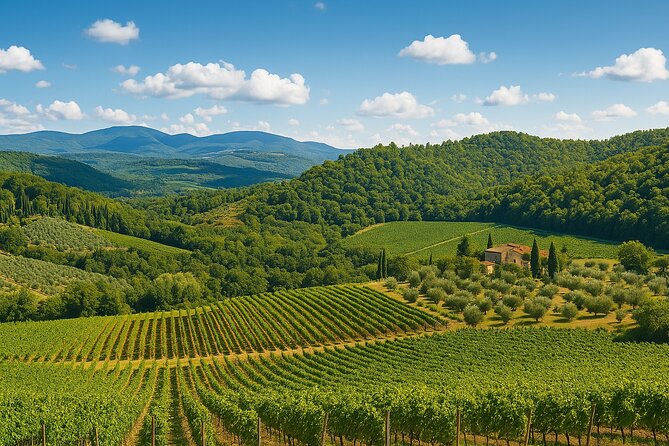
Between tastings, you’ll head to Greve in Chianti, described as the charming medieval heart of the region. You’ll get a photo stop plus free time and sightseeing.
This break matters. Without it, three winery tastings plus lunch can turn into a blur where everything tastes the same because you’re overwhelmed, not because the wine is. Greve adds a change of pace: stones, streets, and a real Tuscan town vibe.
Since your tour includes guided pieces before and after this free time, you don’t have to worry about being totally “on your own” all day. Still, treat Greve as your chance to reset. Walk slowly. Get water. If you want to buy something small (olive oil, local treats, or wine-related souvenirs), this is usually the sensible moment.
Lunch at a Boutique Winery: Food Pairings You Can Actually Taste
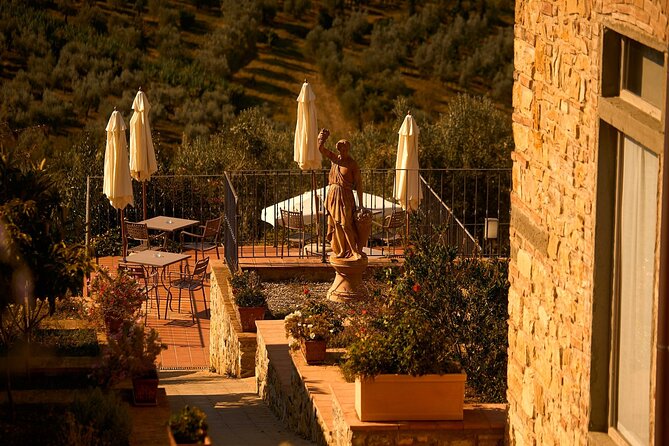
Lunch is served at a boutique winery, with a 3-course typical Tuscan meal and wine pairings. This is one of the day’s best value points because it ties everything together. If you’ve been learning tasting basics, lunch becomes your test run.
Tuscan lunches in this format usually mean multiple courses designed to work with local wines. You’ll taste and compare flavors in the context of food, not just as standalone sips. That’s where many people start to understand why acidity, texture, and aroma are not just wine-shop talk.
If you’re someone who gets overwhelmed by long menus, don’t worry too much. The structure is part of the tour’s design: you’re not navigating uncertainty while hungry. You’re seated, guided through the meal, and paired wines are part of the experience.
Dietary needs are something the guides handle with care in the way they’re described by guests. If you have restrictions, mention them ahead of time so the team can plan properly.
The Olive Oil Mill at an Ancient Estate: The Part People Don’t Expect
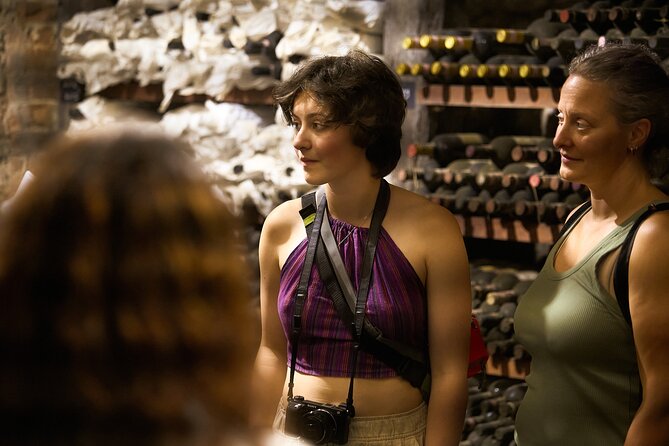
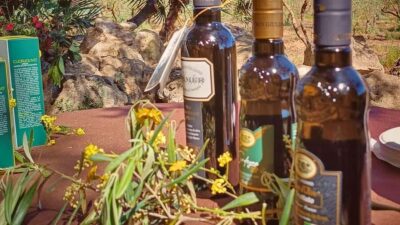
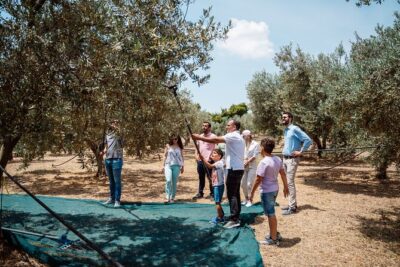
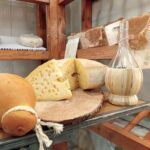
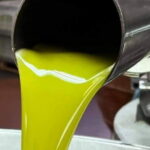
After the wine side, you’ll visit a historic olive oil mill at an ancient estate. You’ll get a guided tour and tastings focused on extra virgin olive oil.
This is a huge differentiator. Many Chianti days focus only on wine. Here, the olive oil piece teaches you that the region isn’t just about grapes—it’s also about olives, harvest timing, and a craft that’s tied to local cooking every day.
The tour is built to help you notice differences. Even if you don’t know olive oil vocabulary yet, you can start comparing what you taste: peppery notes, fruity character, and how it feels on the palate. And because you’re also learning wine tasting logic, the olive oil lesson gives you a second lens for understanding taste.
Think of this as the day’s “make it real” moment. Wine is complex, sure. Olive oil is immediate. It hits the senses quickly, and it pairs naturally with Tuscan food culture.
Photo Stops and Vineyard Walks: How the Day Creates Real Memories
You’ll have photo stops along the way, plus time where you can see the vineyards and cellars as part of the winery experience. The tour description includes walks among vines and visits to ancient cellars, which is exactly what you want on a day trip: small moments that feel like place, not only tastings.
A good rule for this kind of tour: don’t try to photograph everything. Pick a few shots that show what’s happening, then put the camera down and watch. The whole point is to remember what you learned, not just what you recorded.
If you enjoy getting out of the vehicle when the scenery is good, this tour offers enough chances for that. If you prefer quiet, you might find the mid-day walking manageable but still present—especially on rain days.
The Wine Coaching: Turning Tastings Into Skills
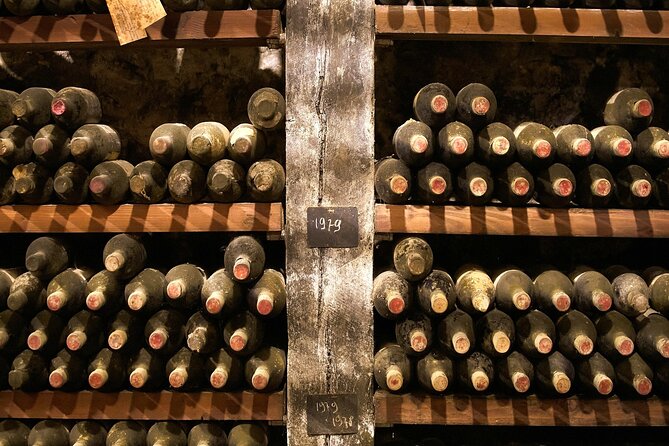
One of the most praised parts of this experience is the wine instruction. You’re guided like you’re becoming a sommelier for the day, learning how to judge wine properly.
Here’s what that tends to mean in real life during a tasting:
- You notice aroma first, then connect it to what you later taste.
- You look at structure, not just sweetness or strength.
- You watch acidity, because it affects how food-friendly a wine is.
- You pay attention to aftertaste, which can shift how you remember the wine.
This approach is what makes the day feel worth it long after you return home. If you buy a bottle later, you won’t only think: I liked it. You’ll be able to describe why, and you’ll buy more confidently.
Semi-Private Upgrade With Supertuscan Focus: When It’s Worth Paying More
There’s an option to upgrade to a semi-private version with max 8 guests, led by a certified wine expert, with extra focus on Supertuscan wines.
You should consider this upgrade if:
- you already care about Italian wine and want to go beyond the basics
- you want more personal attention during tastings
- you want deeper cellar access and premium-level tastings (as described)
- you’re specifically curious about Supertuscan style and positioning in Tuscan winemaking
If you’re a casual taster who mainly wants scenery and a good lunch, the standard version already covers a lot. But if wine is your main focus, the smaller group size usually makes it easier to ask questions and keep your tasting notes straight.
Price and Value: Is $89.50 a Smart Deal?
At $89.50 per person for about 7 hours, this tour can feel like a bargain or a splurge depending on what you expected.
Here’s why it often lands on the “worth it” side for you:
- You’re paying for round-trip transportation from Florence in a Mercedes minibus, with Wi‑Fi.
- You’re paying for three winery visits with guided tastings.
- You’re getting an olive oil mill tour plus guided tasting.
- You’re including a 3-course Tuscan lunch with wine pairings.
- You’re not only eating and sipping—you’re also getting structured tasting guidance.
If you tried to DIY this day, you’d quickly lose money on transportation and you’d have to arrange tastings at multiple places yourself. Even with a rental car, the logistics and time drain can spoil the day. This tour handles the coordination and gives you a guided flow.
Possible value trade-off: because it’s a scheduled day, you’re not free to linger in Greve longer or skip a tasting stop. But most people find the pacing works, especially because Greve and lunch break up the intensity.
Who This Tour Suits Best (And Who Might Be Happier Elsewhere)
This is a great fit if you:
- want Chianti and Chianti Classico tastings with actual tasting instruction
- care about both wine and olive oil
- like the idea of a guided day with photo stops and a real meal included
- prefer small-group dynamics (and especially if you choose the semi-private upgrade)
It may not suit you if you:
- are looking for a purely laid-back countryside stroll day
- dislike structured tastings or want a mostly walking tour
- are pregnant (the tour lists that it’s not suitable)
Also remember: it runs rain or shine. If you hate wet weather sightseeing, you’ll want to dress for it.
Quick Booking Notes That Save Stress
You’ll need passport or ID card. Italy’s alcohol law means guests under 18 won’t be served alcohol, and they’ll get non-alcoholic beverages instead. The tour language is English, and it’s guided with a live tour guide.
If you want the best experience, think ahead about your pace. Taste slowly. Write down what you notice. And don’t try to pack this day with extra plans afterward in Florence, because once you return, you’ll likely want a quiet dinner.
Should You Book This Florence to Chianti Wine and Olive Oil Trail?
If you want a Tuscany day that checks three boxes—great tastings, real food, and meaningful learning—this is a strong pick. The best reason to book is the way the tour links your senses to technique. You’re not only tasting; you’re learning what to listen for in the wine and what to notice in olive oil.
I’d book it if you’re excited about Chianti Classico, want an olive oil component (so the day feels more complete), and like structured guidance during tastings. I’d consider the semi-private Supertuscan option if you’re the kind of traveler who wants extra focus and a smaller group.
Skip it only if a full 7-hour itinerary in rain or shine sounds like too much, or if you know you don’t want alcohol-based tastings at all.
FAQ
How long is the Florence to Chianti wine and olive oil tour?
The tour duration is 7 hours.
What does the tour cost?
The price is $89.50 per person.
Where do I meet for the tour in Florence?
The meeting point is PIAZZA MENTANTA | FIRENZE, at Via Dei Vagellai 22 R, corner with Piazza Mentana, opposite side of the Arno River.
Do I need a passport or ID?
Yes. You should bring a passport or ID card.
What’s included in the tour price?
Included are round-trip transportation from Florence in a luxury Mercedes minibus with free Wi‑Fi, an English-speaking driver, a guided olive oil mill tour and tastings, guided winery visits and tastings, a 3-course typical Tuscan meal, and guided visits that include an iconic Tuscan village and wineries.
How many wineries are visited?
You visit three wineries for tastings.
Is the tour only about wine?
No. It also includes a guided tour of a historic olive oil mill with extra virgin olive oil tastings.
Is lunch included?
Yes. Lunch is included as a 3-course typical Tuscan meal, with wine pairings.
Is the tour available in English?
Yes. The tour provides an English live guide.
Is the tour suitable for everyone?
It is not suitable for pregnant women. Also, due to Italy’s law, alcohol is not served to teens under 18, and non-alcoholic beverages are offered instead.