REVIEW · CRETE
Cretan Cooking Class and Olive Oil Tasting
Book on Viator →Operated by Cretan Vibes · Bookable on Viator
Olive trees set the mood fast. This Cretan cooking class pairs real hands-on cooking with a family-style meal, plus an olive oil tasting taught by Marianna and her mum, Stella.
Two things I really like: you get step-by-step, fully hands-on cooking (not watch-and-hope), and the premium olive oil tasting actually teaches you how to taste and judge extra virgin oil. One thing to consider: it’s a rural farm stop, private transport isn’t included, and the activity depends on good weather.
Small group, max 12 people so you cook more and wait less.
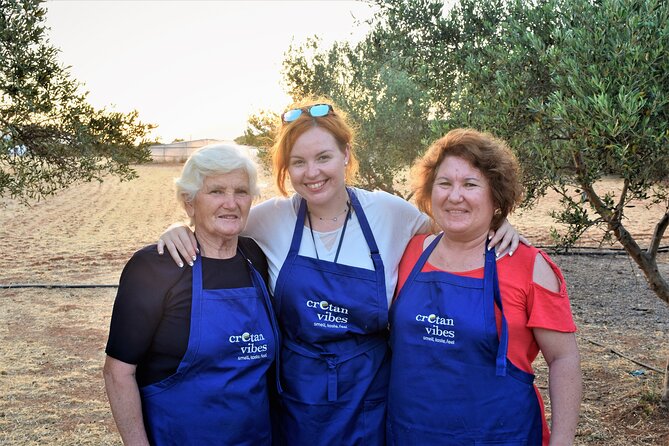
Mother-daughter hosts: Marianna and Stella with a warm family welcome.
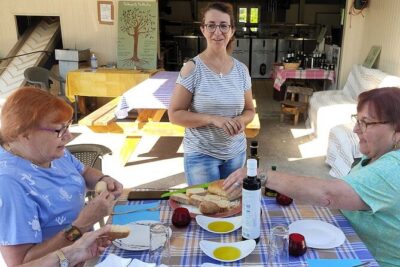
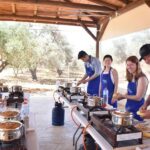
Outdoor cooking between olive trees in a modern open-air kitchen space.
Olive oil tasting included with aroma, flavor, bitterness, and defect tips.
Take-home extras: recipes/photos by email, plus leftovers packed to go.
Local wine and homemade drinks served with your meal.
In This Review
- Where The Class Really Happens: An Olive-Farm Kitchen With Family Energy
- The 4-Hour Rhythm: From Welcome Drinks to Cooking Stations to Dinner
- What You’ll Cook: Dakos, Dolmadakia, Giaxni, Stifado, and Cretan Cheese Pies
- Starters
- Mains (vegetarian/vegan option and meat options)
- Dessert
- Olive Oil Tasting: How to Smell, Taste, and Spot Trouble
- The Meal Part: Wine, Lemonade, Sunset Moods, and Take-Home Leftovers
- Price and Value: Why $114.93 Feels Fair for What You Actually Get
- Who This Class Fits Best (And Who Might Want Another Option)
- Practical Tips Before You Go: Make the Most of the Farm Setup
- Should You Book This Cretan Cooking Class and Olive Oil Tasting?
- FAQ
- How long is the Cretan cooking class and olive oil tasting?
- Is this a hands-on cooking experience?
- How many dishes will I make?
- What’s included besides cooking?
- Do I need to bring ingredients or equipment?
- Is private transportation included?
- Is the tour offered in English?
- What group size should I expect?
- Are dietary restrictions accommodated?
Where The Class Really Happens: An Olive-Farm Kitchen With Family Energy
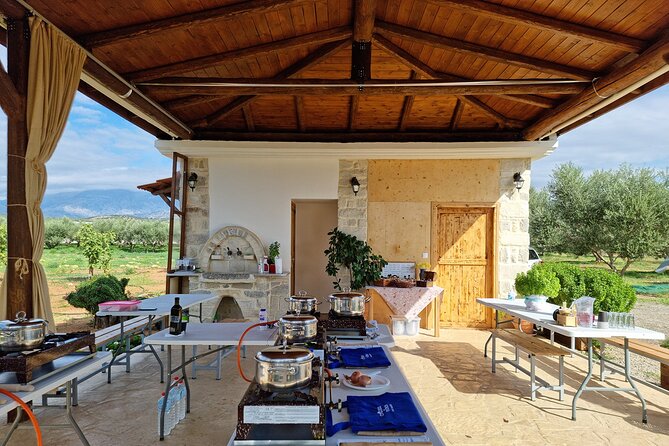
This is not a stuffy cooking studio. The class takes place on a real Crete olive farm, in an outdoor cooking and dining setup that’s modern and clean, but still feels grounded in the countryside. You’re cooking near olive trees and garden spaces, and the setting helps explain why Cretan food is so tied to what’s growing nearby.
What stood out in the way people describe it is the feel of being welcomed into a family routine, not treated like a ticket number. Marianna teaches the process, and Stella brings that classic mom energy: warm, funny in a gentle way, and happy to share where ingredients come from and how dishes should taste.
The other big “you’ll notice it right away” factor is how hands-on the space is. There’s room to work, plus the flow is set up so you can move from chopping and stuffing to cooking and plating without feeling like you’re stuck behind someone else’s shoulder.
The 4-Hour Rhythm: From Welcome Drinks to Cooking Stations to Dinner
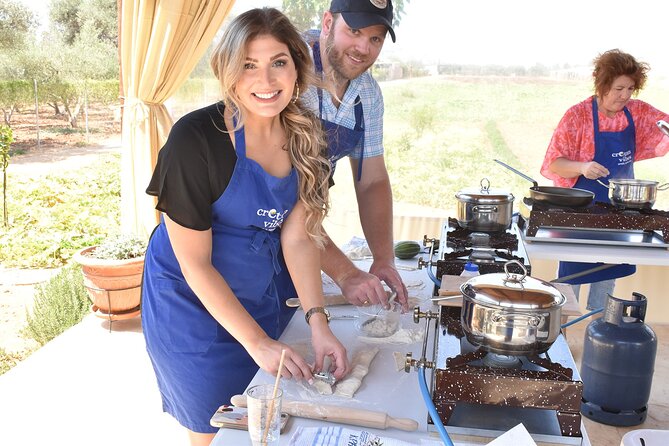
The total time is about four hours, and the day is paced to keep you doing real work. You start at Cretan Vibes (near Moíres) and return there at the end, so you’re not juggling transfers all day long.
You’ll begin with a welcome that includes homemade refreshments and water, with options like lemonade made by Stella. Then Marianna typically gives you a quick overview of what you’ll cook and how the olive oil tasting will work, so you’re not guessing what matters.
From there, it’s a cycle of cooking tasks: ingredients prep, shaping/stuffing when needed, and hands-on cooking. People also note there’s little downtime, even when the group is small, which matters because the best cooking classes don’t waste time.
Later you eat what you cooked, with local wine, and you’ll leave with leftovers packed for the road. Recipes are also sent by email afterward, including photos from the experience and the dishes you made.
You can also read our reviews of more tours and experiences in Crete.

What You’ll Cook: Dakos, Dolmadakia, Giaxni, Stifado, and Cretan Cheese Pies
The official menu plan is built around a 3-course meal, but the overall highlights point to learning multiple Cretan dishes (five total). In other words, you should expect a real workload: you’ll do prep, stuffing, and cooking steps that connect into a full meal.
Here are the dishes listed in the menu, which gives you a clear sense of what you’ll learn:
Starters
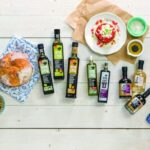
- Cretan Dakos: rusk with fresh tomato sauce, Cretan cheese (mizithra), organic oregano, and extra virgin olive oil.
This is a smart starter for a cooking class because it teaches you how the flavors “snap together” with olive oil, herbs, and tangy tomato.
- Cretan Dolmadakia: stuffed grape leaves.
This is hands-on shaping work, and it’s the kind of dish you’ll remember because technique matters.
- Stuffed zucchini flowers: a Cretan-style item that adds a more delicate, floral note to the meal.
Mains (vegetarian/vegan option and meat options)
- Vegetarian or Vegan Giaxni: green beans, potatoes, zucchini, fresh tomato sauce, and Ksinoxondros, a Cretan product made from grandma.
This is the kind of dish that helps you understand how Cretans build depth with simple ingredients and timing.
- Lamb with artichokes: potatoes, fennel, fresh tomato sauce.
If you like hearty meals with springlike flavors, this is a good match.
- Augolemono: pork or chicken (free range), with leek or lettuce, onions, potatoes, dill, eggs, and fresh lemon juice.
This is comfort food built on eggs and lemon, and it’s an impressive sauce to learn.
- Cretan Stifado: described as a spring or autumn dish, made with chicken, rabbit, or even snails, depending on what fits best.
The class treats stifado as a flexible home-cooking tradition, which is useful if you want to cook it again at home without fearing rigid rules.
- Lamb with Stamnagathi: lamb with stamnagathi and tomato sauce.
Dessert
- Sarikopites or Kalitsounia: dough stuffed with fresh Cretan cheese (made by grandma) and fried in family extra virgin olive oil.
If you’re wondering how they manage options: they clearly describe vegetarian/vegan choices in the menu, and the experience has also been described as accommodating at least one dietary restriction with care. Your best move is to share any needs during booking so they can plan your ingredients.


Olive Oil Tasting: How to Smell, Taste, and Spot Trouble
This class doesn’t just pour olive oil and call it “tasting.” The olive-growing family portion is structured as an education on what authentic extra virgin olive oil should do for your palate.
You’ll learn how to recognize extra virgin oil and how to detect aromas and flavors, including bitterness. That’s important because bitterness isn’t a flaw in good olive oil—it’s often part of what indicates quality and freshness. You’ll also hear guidance on identifying defects in lower-quality oils, plus tips for choosing olive oil when you shop.
There’s even a behind-the-scenes piece: you’ll see a video of their olive harvest. That helps connect what you’re tasting with how the fruit is grown and gathered. It turns the tasting from a fun activity into a skill you can use later at home when you’re buying oil.
One more practical benefit: once you know what to look for (aroma, flavor, and bitterness balance), you can stop treating olive oil like a vague label and start treating it like something you can actually judge.
The Meal Part: Wine, Lemonade, Sunset Moods, and Take-Home Leftovers
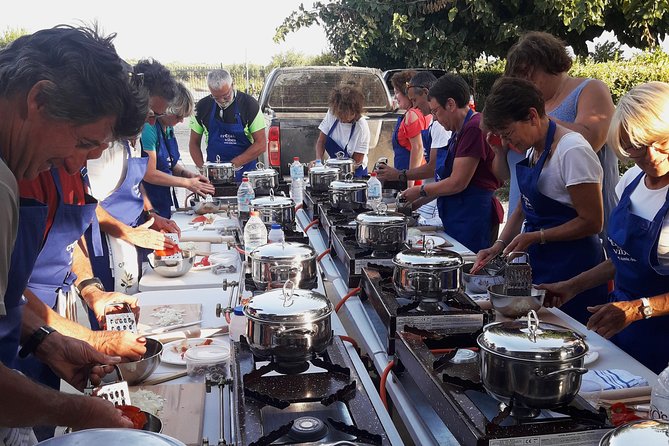
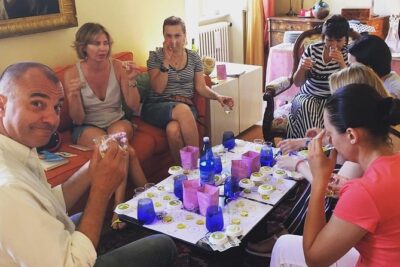
After the cooking work, you sit down to enjoy your creations with local wine. Coffee or tea and handmade refreshments like Stella’s lemonade are also included. It’s a very “Crete at home” feel: the meal is the reward, not a separate event that happens hours later.
A common theme in the experience descriptions is the atmosphere when everyone finally eats. Because it’s on the farm with olive trees and an open-air kitchen, it can feel especially special around sunset. That matters, because the best meals are usually the ones you didn’t rush.
You’ll also take food home. Leftovers are carefully packed for you, and people mention leaving with plenty to share. That’s not just convenient. It’s also a value booster because you’re not “spending” the ingredients only to get one meal out of them—you can re-create part of the experience again later.
And if you like keeping a record, you’ll get recipes and photos by email after the class, so you can try the dishes again without guessing from memory.
Price and Value: Why $114.93 Feels Fair for What You Actually Get
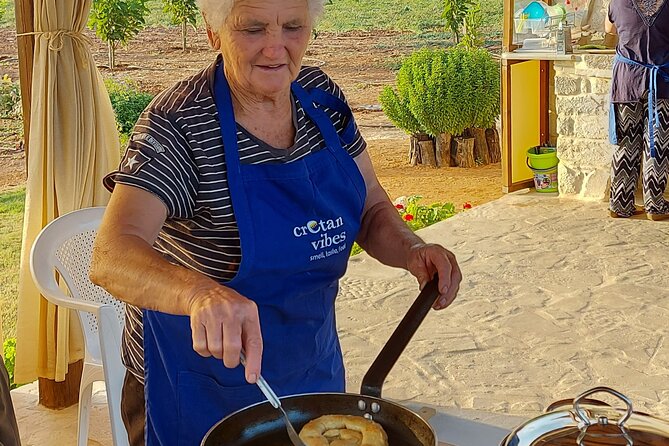
At $114.93 per person, this isn’t the cheapest cooking class on Crete. But it also isn’t a barebones demo, and that’s where the value comes from.
For the price, you get:
- a full class meal after cooking (with wine)
- the premium olive oil tasting
- ingredients and what you need to cook (like aprons)
- coffee/tea and homemade refreshments
- a behind-the-scenes olive harvest video
- recipes and photos afterward (sent by email)
- leftovers packed to go
Also, group size is capped at 12. A small group matters because you’re more likely to stay active and keep moving through tasks, rather than waiting while someone else uses the main workspace.
If you’re the type who wants to cook when you travel, this usually pencils out better than a long wine tour with stops you can’t repeat at home. You leave with skills and ingredients you can use again, including an olive oil tasting framework that upgrades how you shop.
Who This Class Fits Best (And Who Might Want Another Option)
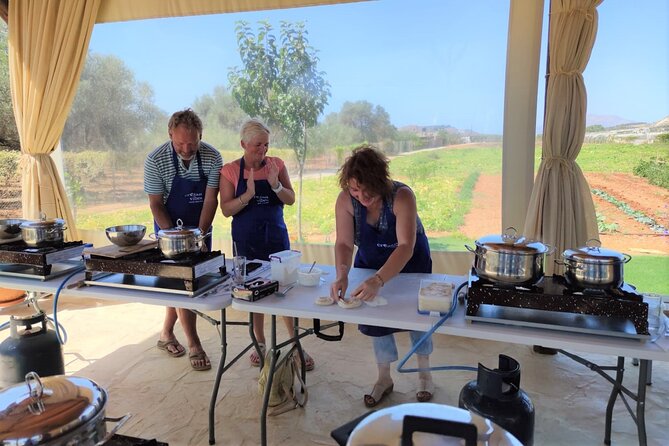
This experience is ideal if you want hands-on cooking plus a cultural food lesson. People describe the teaching as structured enough that beginners can follow along, but not watered down. Even if you cook at home already, you’ll likely pick up technique and flavor logic you don’t get from a cookbook.
It’s also a good option if you like social travel, but you don’t want crowd energy. With a maximum of 12, the class can feel like a small group hangout where you talk, cook, and laugh while you work.
If you’re traveling with a family, the class can also work well. There are examples of children enjoying the hands-on nature, and the pace is described as relaxed even while food keeps happening.
The main “not for everyone” factor is the rural setting and the good-weather dependency. If you hate getting to remote places or you’re traveling during uncertain weather, you might want to plan extra flexibility.
Practical Tips Before You Go: Make the Most of the Farm Setup
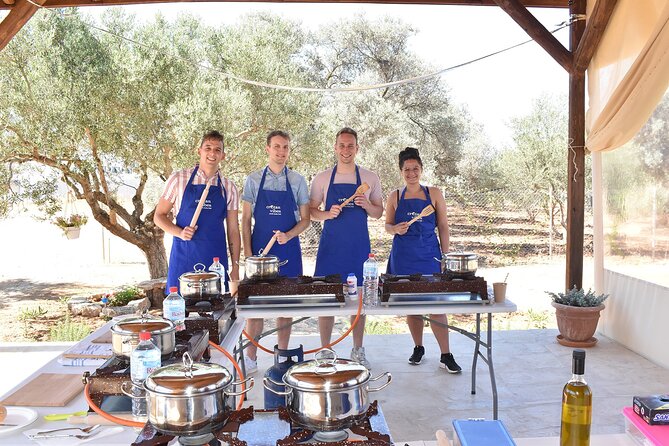
A few practical moves can help this go smoothly:
- Come hungry. You’ll cook, then eat what you made, and the meal is part of the experience.
- Plan for rural travel. Private transportation isn’t included, but the activity is near public transportation. If you’re unsure how you’ll get there, check options early.
- Dress for working outside. Even with a modern open-air kitchen feel, you’re prepping and handling food. Comfortable shoes help.
- Bring your curiosity for olive oil. The tasting includes specifics like bitterness and defect detection, so taste slowly and pay attention to what you smell first.
- If you have dietary needs, speak up early. The menu includes vegetarian/vegan giaxni, and at least one dietary restriction was handled with care.
If you enjoy taking notes, you’ll be glad recipes and photos are sent after. That way you can focus during class and verify details later.
Should You Book This Cretan Cooking Class and Olive Oil Tasting?
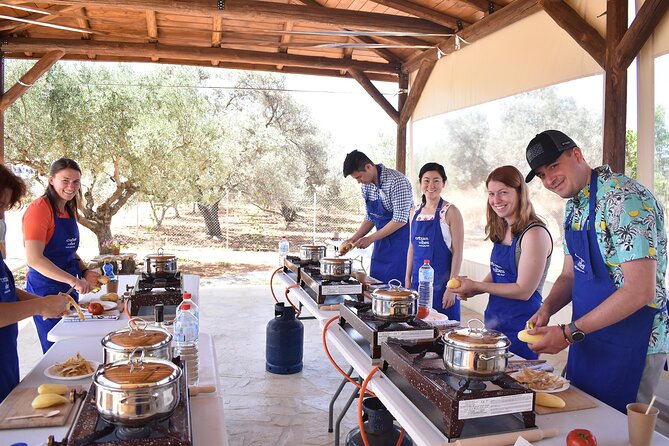
Book it if you want a real cooking workout, not a passive show. You’ll get hands-on instruction from Marianna and Stella, cook a multi-course Cretan meal with classic dishes like Dakos and Dolmadakia, and finish with a serious olive oil tasting taught in plain language. Add in wine, homemade lemonade, farm produce energy, plus leftovers and emailed recipes, and it becomes more than a one-off dinner.
Skip it only if the rural location and weather dependency would stress you out. If you’d rather bounce between city stops, this farm experience is more of a deliberate choice.
For most people heading to Crete who enjoy food, olive oil, and learning by doing, this one is an easy “yes” to put on your calendar.
FAQ
How long is the Cretan cooking class and olive oil tasting?
It runs about 4 hours.
Is this a hands-on cooking experience?
Yes. The class is described as 100% hands-on, with you cooking and preparing the dishes yourself.
How many dishes will I make?
The highlights say you’ll create five Cretan dishes, and the plan includes a 3-course meal.
What’s included besides cooking?
You’ll also get a premium olive oil tasting, a video of the olive harvest, local wine with your meal, coffee and/or tea, handmade refreshments, and recipes sent by email. Leftovers are packed for you to take home.
Do I need to bring ingredients or equipment?
No. All cooking ingredients are provided, and the class supplies items like aprons and what you need to cook.
Is private transportation included?
No. Private transportation is not included.
Is the tour offered in English?
Yes, it is offered in English.
What group size should I expect?
It has a maximum of 12 travelers.
Are dietary restrictions accommodated?
A dietary restriction was described as being respected and accommodated with care for one participant. If you have a specific need, you should make sure it’s known when booking so they can plan accordingly.