REVIEW · JAEN
Jaén: Olive Mill Tour and Olive Oil Tasting Experience
Book on GetYourGuide →Operated by Timonfaya Travel Lanzarote · Bookable on GetYourGuide
Olive oil here is science and sun. This Jaén mill tour mixes hands-on production with a real tasting at the end. You’ll get a guided walk through the olive groves, then step into the modern milling rooms where extra virgin olive oil is made.
I especially liked how clearly the guide explains olive oil quality and how it shows up in everyday use and even market prices. I also love the tasting format: you’re not just sampling oil, you’re smelling and comparing three different extra virgin olive oils side by side.
One thing to consider is timing: if you visit outside the harvest window, you may not see olives moving through the process in action. One reviewer noted harvesting had not started yet, even though the mill and groves were still fully accessible.
In This Review
- Key things to love about this Jaén olive mill tour
- Jaén olive country: why this mill tour feels bigger than a tasting
- Entering PICUALIA: a modern mill experience that still feels practical
- The grove walk: harvesting explained where the olives actually grow
- From olives to extra virgin: what you see in the mill matters
- Olive oil quality, uses, and prices: the lesson that helps you shop
- Tasting three extra virgin olive oils: how to taste without overthinking it
- Timing and group vibe: English at 10:30, Spanish at 12:30
- Price and value: is $30 worth it for what you get?
- Practical tips so your visit runs smoothly
- Should you book this Jaén olive mill and tasting?
Key things to love about this Jaén olive mill tour
- Grove walk in Jaén: You’ll stroll under the olive trees and see the orchard side of production
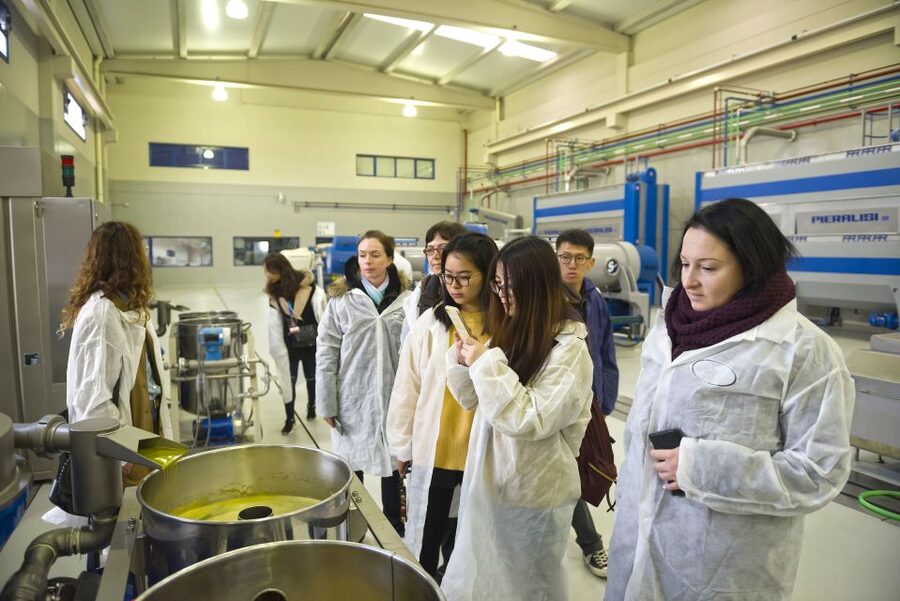
- Modern oil mill tour: Walk through the pressing setup and learn what each stage does
- Three extra virgin oil tasting: Aroma and taste comparisons, not just a quick sample
- Harvest process explained: You’ll learn how olives move from field to mill
- Quality, uses, and market pricing: The guide connects production to what you buy
- On-site dining option: They say they’re the only olive oil mill with a restaurant on the premises
Jaén olive country: why this mill tour feels bigger than a tasting
Jaén is one of those places where olive oil isn’t a novelty. It’s agriculture, identity, and daily food. And this tour leans into that. You’ll be in Andalusia, in the region known for producing about half of the world’s olive oil. That context matters because it changes how you listen to the guide: you’re not learning a hobby, you’re learning a major global industry.
The host also frames olive oil production as cultural heritage. They mention that olive oil has been labeled an immaterial heritage by UNESCO. Whether you’re into heritage labels or not, it gives the tour a sense of place. The groves aren’t just scenery. They’re the starting point.
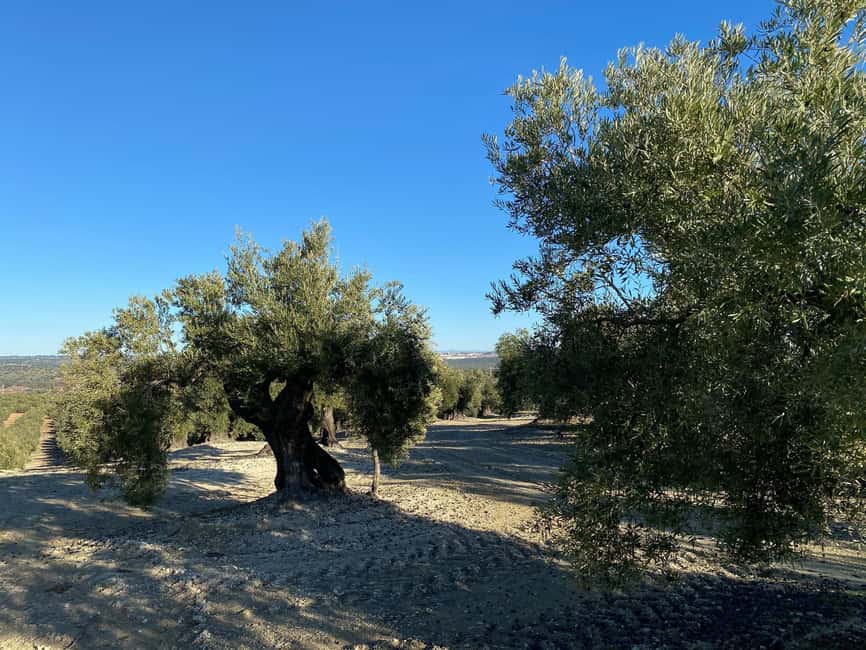
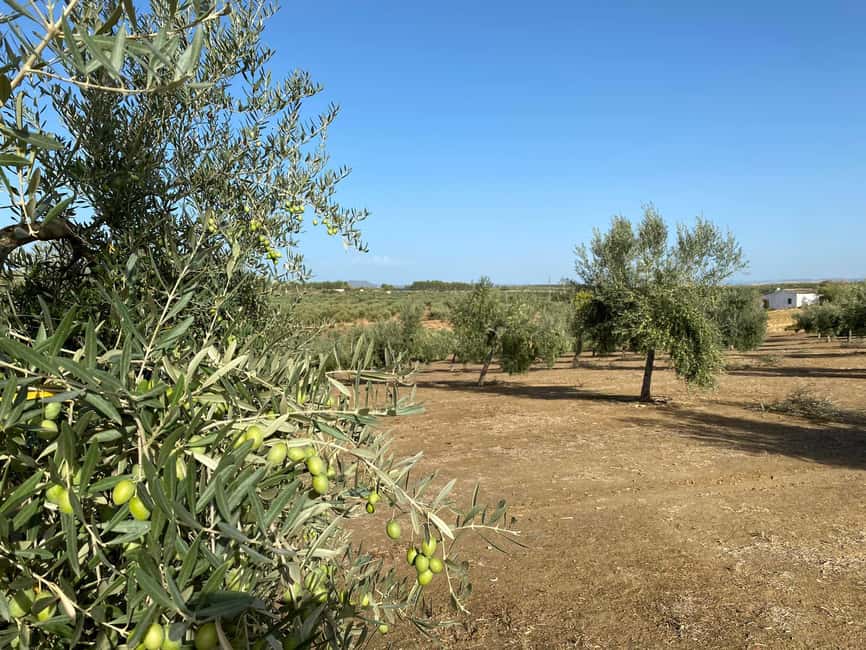
Before you get to the machines, you’ll spend time under the olive trees around the mill. One of the best parts is how immediate it feels: the Spanish sun hits the grove, and suddenly the whole process makes sense. Cold logic comes later, but the tour starts with the source.
You can also read our reviews of more tours and experiences in Jaen.

Entering PICUALIA: a modern mill experience that still feels practical
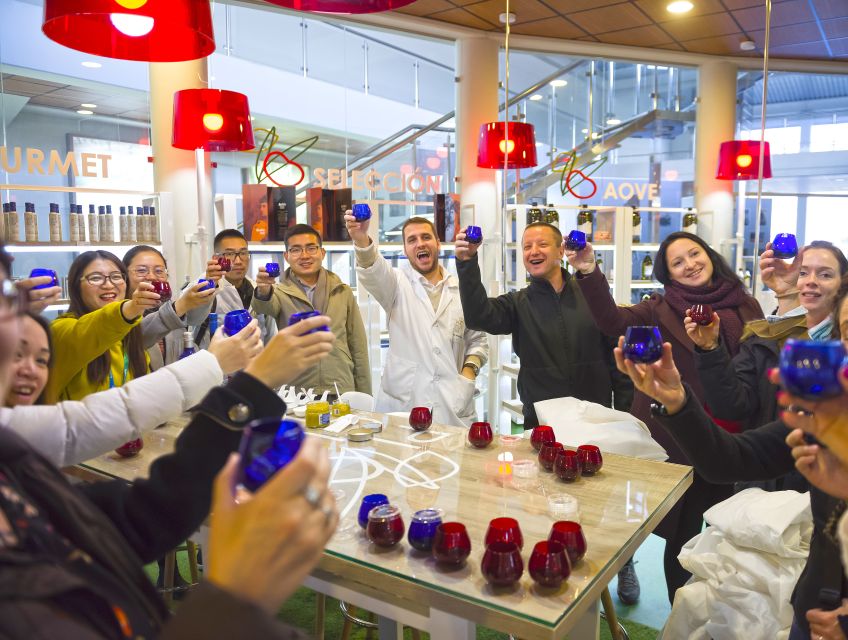
The tour meets at PICUALIA | Aceite de oliva y Oleoturismo. It’s set up to receive visitors without turning the process into a museum. From there, you’ll be greeted by your host and guided through the site, including both outdoor grove areas and the interior mill spaces.
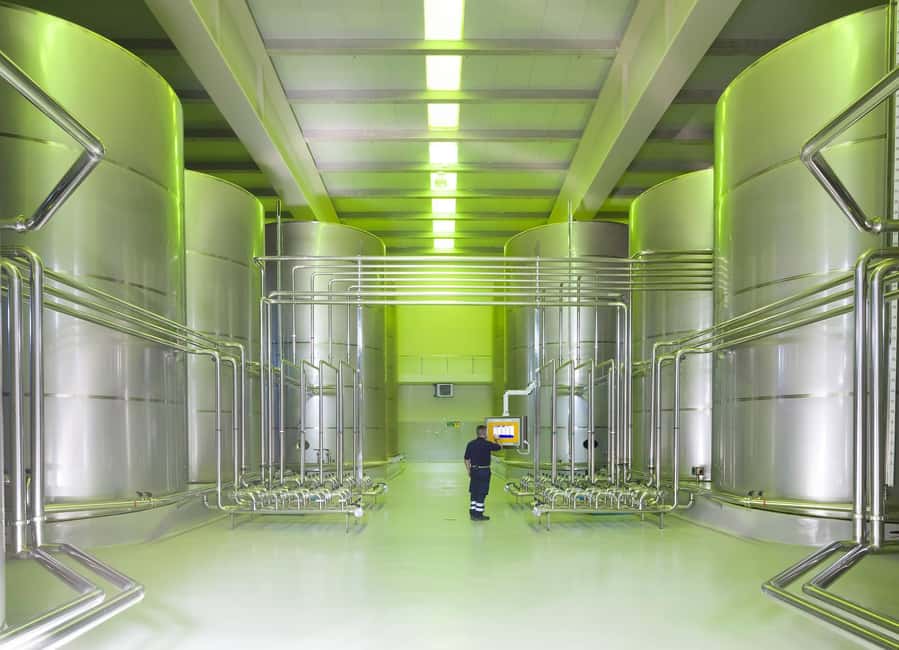
The “modern” part isn’t marketing fluff. Reviews mention a super modern installation, and the tour is designed for flow: you walk, you listen, you see the equipment, and you move on. That’s a big deal because olive oil production can sound complicated on paper. Seeing how the facility is arranged makes the explanation stick.
You’ll also notice a helpful balance in how the guide teaches. The tour is described as covering process, history, science, culture, and even sustainability. You don’t have to be an engineering fan to follow it, but if you are the kind of person who asks why something works, you’ll have plenty to chew on.
The grove walk: harvesting explained where the olives actually grow

A key stop is your walk through the olive groves around the mill. This is where the tour turns from sightseeing into understanding. You’ll learn about the olive harvesting process as you move through the orchard.
In harvest season, this would likely be more “in motion,” but even outside peak timing, the grove walk gives you something most city tastings don’t: the physical reality. You see the kind of trees you’re dealing with, how the grove sits, and how harvesting fits into an agricultural rhythm.
One review warns about seasonality. If harvest has not started (they said it was only starting a couple of weeks later), you won’t see the full process running right then. Their practical tip was to book between about half October and January if you specifically want the olive harvesting activity to be underway. If your priority is tasting and understanding the system, you’re still fine. If your priority is seeing everything happening live, plan around the harvest window.
So here’s my simple way to decide:
- If you want production + tasting + facility tour, this works year-round.
- If you want maximum harvest action, aim for mid-October through January.
From olives to extra virgin: what you see in the mill matters
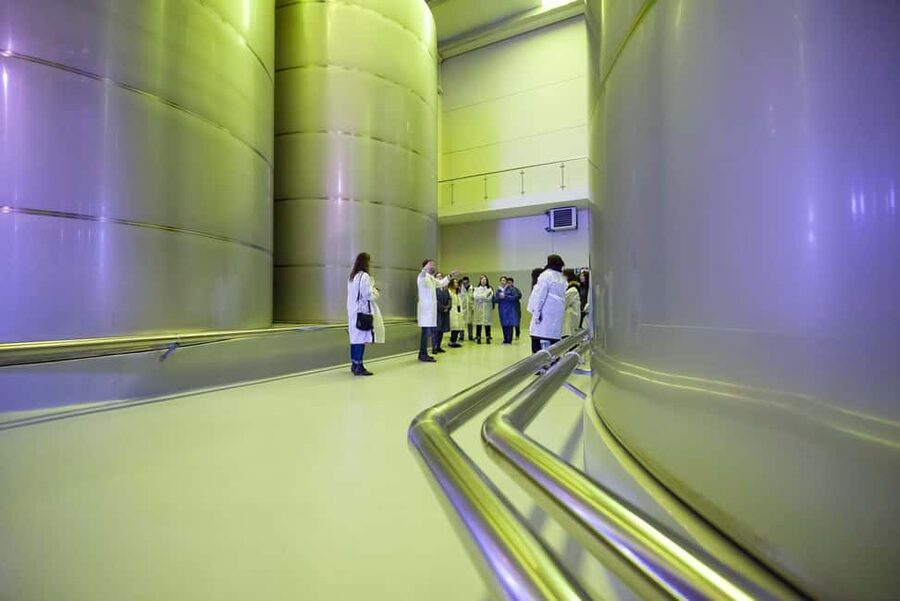
After the grove part, the tour brings you into the milling side, where the olives are pressed. The guide explains the whole path the olives follow on the way to extra virgin olive oil, and you’ll observe the machinery as you walk through the facility.
This is one of the most valuable parts of the tour because pressing is where quality can be influenced. Even when the guide stays accessible, you’ll come away with a clearer mental map: olives arrive, processing happens, and the oil you taste at the end isn’t random. It’s the result of choices across the chain.
Also, because the tour is only about 1.5 hours, it doesn’t waste your time with long pauses. You get enough explanation to understand what you’re looking at, and then you move to the tasting when your senses are ready for it.
In other words: the mill tour isn’t just to look at equipment. It’s to make the tasting make sense.
Olive oil quality, uses, and prices: the lesson that helps you shop
At the end of the factual tour part, the guide focuses on the “so what.” You’ll learn about the different qualities of olive oil, what those qualities mean, and how they connect to uses and pricing in the market.
This is where you can get real value back later, when you’re standing in a shop with bottles that all look similar. The tour approach helps you understand that olive oil quality isn’t just one label. It’s a set of characteristics tied to production decisions and how the oil performs in the kitchen.
Reviews also mention that the tour covers sustainability and business. That balance is useful. Olive oil isn’t only about flavor. It’s about systems: labor, processing, and making a product consistently enough to reach markets.
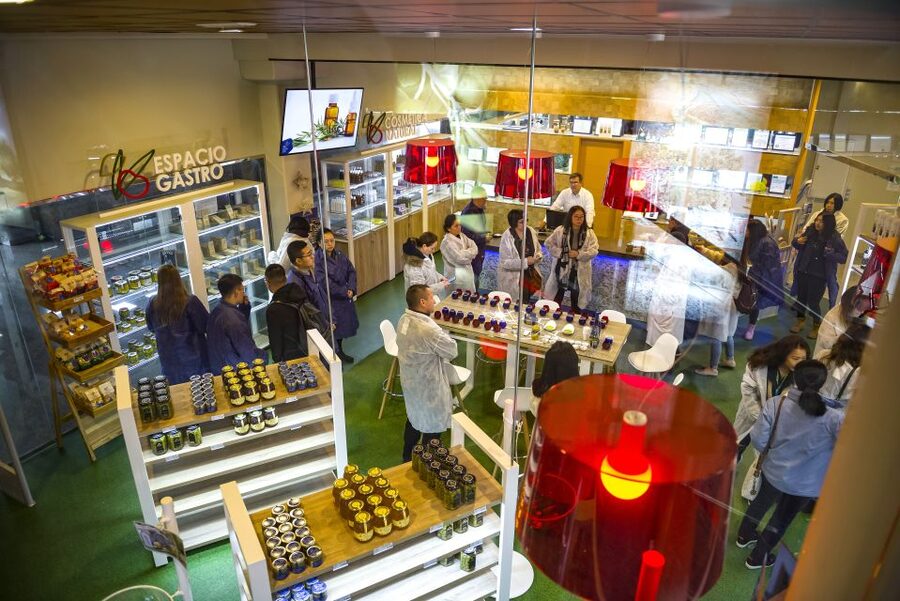
One important detail: there’s no hard sell in the tour itself. Several reviews specifically say there’s no pushing to buy. You’ll find a gift shop and the option to eat at a restaurant on-site, but the tasting portion stays focused on education rather than sales tactics.
Tasting three extra virgin olive oils: how to taste without overthinking it
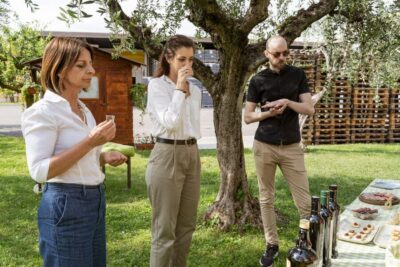
The tasting is the payoff. You finish the tour savoring three extra virgin olive oils. The guide will lead you through smelling and tasting, so you get a chance to notice differences instead of just reacting to a single pour.
Here’s how to get more out of it:
- Focus on aroma first, then take a small taste. Olive oil often makes more sense once you train your nose.
- Compare oils in order. The guide’s structure is there for a reason—each oil helps you notice what changes between qualities.
- Don’t worry about being able to describe every flavor like a wine critic. The point is building your own map of what you like and why.
This tasting segment also does something clever: it turns the earlier machinery walk into a sensory experience. When you learn what happens during processing and how quality is categorized, the oil stops being a label and starts being an outcome.
If you’re the type who likes food experiences but hates tourist traps, you may appreciate this approach. Reviews repeatedly highlight the informative nature of the guide and the lack of pressure to purchase.
Timing and group vibe: English at 10:30, Spanish at 12:30
Your tour length is about 1.5 hours, and you can choose between two scheduled language times:
- English tour: 10:30
- Spanish tour: 12:30
In practice, short tours like this can work well for a tight travel day because you’re not stuck for half a day. It also helps you plan around meals. Food isn’t included, but the mill does have an on-site restaurant. They say they’re the only olive oil mill in the world with a restaurant on the premises, and whether or not you fully test that claim, you can count on the convenience.
Group size can vary. One review noted a tour with only two people, which likely made the Q&A feel easier and more personal. Still, even in normal group settings, the structure is compact and guided, so you’re not left wandering.
Price and value: is $30 worth it for what you get?
At around $30 per person for an about 1.5-hour guided experience, the value comes from three things you don’t often get together:
- A real mill visit, with machinery explanations
- A guided grove walk, tied directly to harvesting
- A structured tasting of three extra virgin oils
If you’ve ever bought a bottle of olive oil after a quick store pitch, you know how little you learn. Here, you’re paying for context plus sensory comparison. That makes the price easier to justify, especially if you’re the kind of traveler who wants to understand what you’re eating.
There are costs you should plan for:
- Food and drinks are not included.
- Hotel pickup and drop-off are not included.
So you’ll want to build this into a day where you can get to PICUALIA on your own. If you already plan to explore Jaén’s food culture, this tour is a strong anchor activity.
Practical tips so your visit runs smoothly
A few things will make your time easier and more enjoyable:
- Wear comfortable walking shoes. You’ll be moving between grove areas and mill spaces.
- Go ready to smell. The tasting uses aroma as much as taste, and your attention here pays off.
- Ask questions about olive oil qualities. The guide covers quality and market pricing, and you’ll get more out if you bring your curiosity.
- If you care about seeing harvest activity in motion, plan for mid–October through January, based on seasonal timing mentioned by a reviewer.
- Since food isn’t included, decide in advance whether you want to stop for lunch or something light after your tasting at the on-site restaurant.
And one small mindset shift: treat this as a food-production tour, not just a tasting event. The tasting is great, but the explanations around pressing and quality are what turn it from entertainment into knowledge.
Should you book this Jaén olive mill and tasting?
I think it’s a good booking if you want a short, high-impact way to understand olive oil production in Jaén. It’s especially worth it if you care about the difference between oils and want a guided tasting that explains what you’re tasting.
Book it if:
- You want three extra virgin olive oils with a guide, not a self-guided stop.
- You like practical explanations and seeing production equipment.
- You’d enjoy a quick stroll through olive groves tied to harvesting.
Skip it or adjust your expectations if:
- Your top goal is to see harvest activity happening at full speed. Outside the harvest window, you may not see everything in motion, even though the tour still covers the process and you can view the facility.
If you’re in Jaén and you want your olive oil experience to be more than shopping, this one is easy to recommend.