REVIEW · OSTUNI
Ostuni : Tasting of Extra Virgin Olive Oil in Masseria
Book on Viator →Operated by Pugliamare · Bookable on Viator
Olive oil tasting with real underground history. You’ll tour a working masseria tied to the old ways of harvesting and pressing, then taste three organic oils while you’re still standing among the trees that make them possible. I especially like the mix of olive grove walking plus seeing an underground mill from the year 1500. One thing to keep in mind: the visit can run shorter than the advertised time, and the English level from the guide can be uneven.
You’ll start at Masseria Valente near Ostuni and move through the property at a farm pace. The tasting is guided, but if you’re expecting a very long, deep technical lesson (or a full hands-on press), you may feel a bit rushed. Also note: this stop is not suitable for mobility disabilities, so plan on uneven ground and farm paths.
In This Review
- Key things you’ll remember
- Where this Ostuni olive tasting really happens
- Meeting at Masseria Valente and what the timing feels like
- The underground oil mill from 1500: why it changes your tasting
- Wandering the grove: ancient trees, young trees, and irrigation
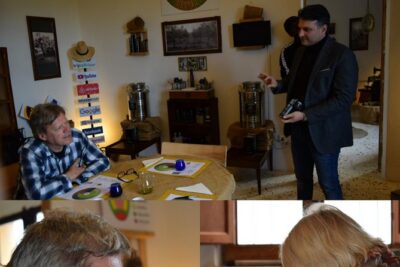
- The tastings: three organic oils and a smart comparison
- Guide quality: enthusiastic farm experts like Angela and Pietro
- Snacks, olive oil shop, and take-home value
- Price: does $48.06 feel fair?
- Logistics you should plan for
- Who this Ostuni olive oil experience is best for
- Should you book Masseria Valente’s EVOO tasting?
- FAQ
- How long is the Ostuni olive oil tasting?
- How much does it cost?
- Where does the tour start?
- What language is the tour offered in?
- What do you get to taste?
- What parts of the production area do you visit?
- Is this experience suitable for people with mobility disabilities?
Key things you’ll remember
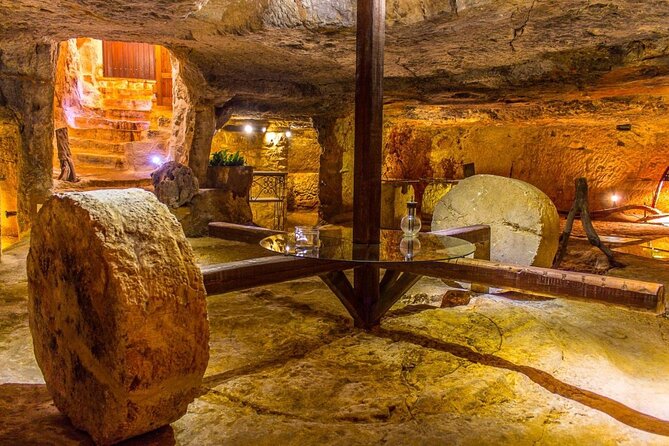
- Underground oil mill (1500): see how locals stored and processed olives long before electricity and modern lines
- Ancient, millennial olive trees: you’re not just tasting oil; you’re learning from the orchard itself
- Three organic EVOOs: a structured tasting with a clear comparison
- Tasting pairings: olives, tarallini, and fried dried beans add a savory rhythm to the oils
- Private guide, small-group feel: max 40 participants, with guide-led storytelling and Q&A (when language allows)
Where this Ostuni olive tasting really happens
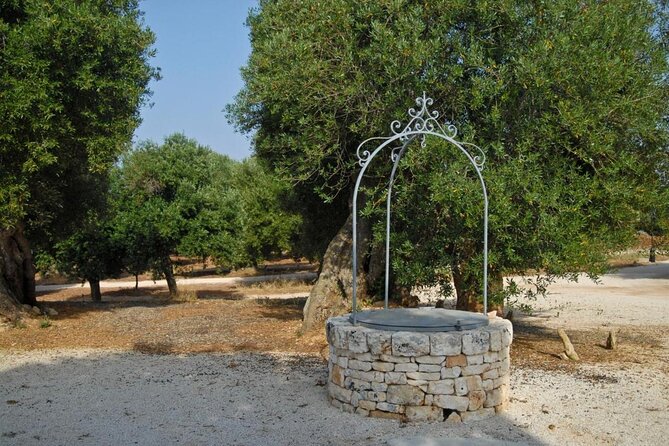
This experience is based at Masseria Valente (Contrada Valente, Ostuni area). It’s the kind of place where you can still feel the seasons in the work. You’re not in a museum room. You’re in the grove, on the farm paths, and inside the oil-processing spaces.
The big win for you is that the tasting is connected to what you see. You’ll walk among centuries-old and millennial trees and also younger plantings. That matters, because olive oil quality is never just a bottle. It’s varieties, growing conditions, harvest timing, and careful pressing.
A practical note if you’re getting there without a car: the masseria is a little out of the way. Plan extra time so you don’t arrive stressed and late. When you show up calm, the whole experience lands better.
You can also read our reviews of more tours and experiences in Ostuni.
Meeting at Masseria Valente and what the timing feels like
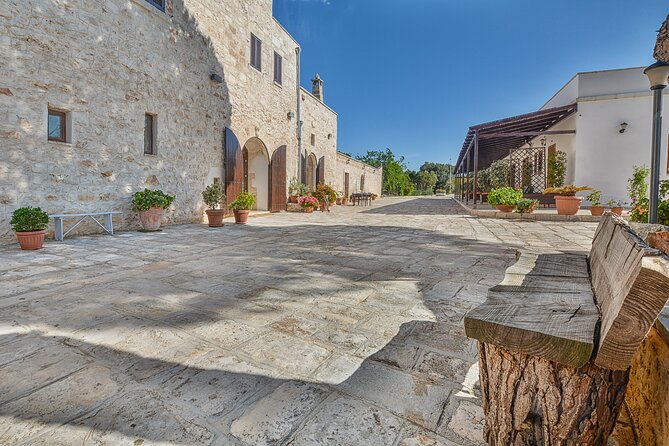
You meet at Masseria Valente, SP21, 72017 Contrada Valente, Ostuni BR, Italy. The tour ends back at the meeting point.
The duration is listed at about 1 hour 30 minutes. In real life, the time can feel closer to a shorter visit depending on the group and the guide’s flow. I’d treat it as a focused, farm-paced hour rather than a long classroom session.
That quick pace can be a plus if you want a memorable food-and-culture stop without a huge time commitment. But if you’re the type who loves extended explanations, you may want to come with a few simple questions ready. Keep them short. Even when the guide is friendly, English comfort can vary.
The underground oil mill from 1500: why it changes your tasting
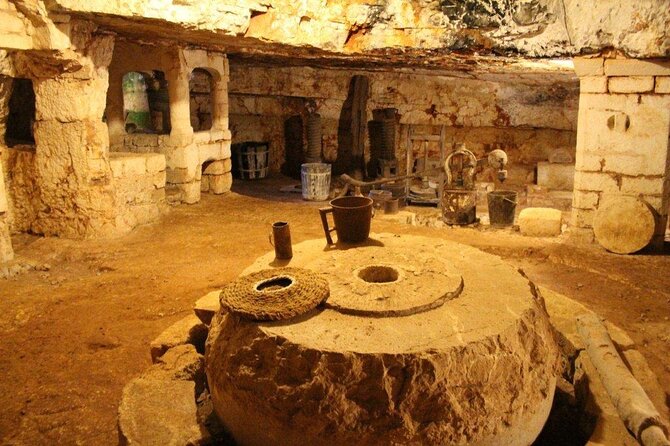
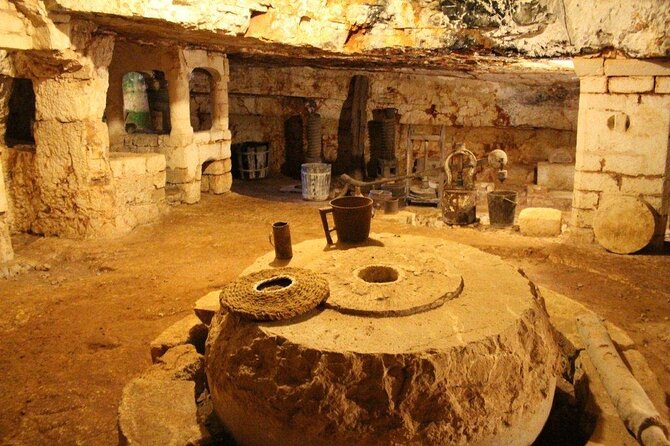
One of the most compelling parts is the visit to the underground oil mill of 1500. Seeing it in person does something a tasting alone can’t. It turns olive oil into a story of engineering and survival: stone, storage, timing, and the need to process olives quickly.
In the underground setting, the air and the architecture give you context for why pressing methods mattered. You’ll learn the traditional stages of production, moving from harvesting to pressing. The guide also shares curiosities linked to the property’s deeper past. One highlight I like from the experience as described is hearing about olive pressing traditions reaching back to ancient times, including a connection shared to Greek-era history.
Even if you’ve tried olive oil before, this kind of stop makes you pay attention to what you’re tasting. You start to notice how different oils can feel distinct on the tongue because you understand the work behind the bottle.
Wandering the grove: ancient trees, young trees, and irrigation
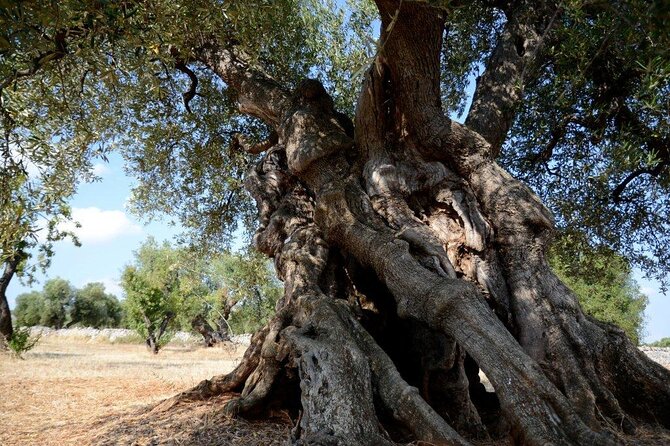
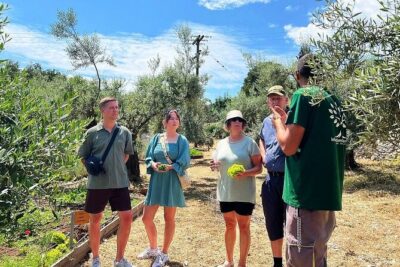
After the underground part, you’ll walk the property among ancient and millennial olive trees, plus younger ones. That variety in age is more than scenery. It’s a living lesson about how long-term cultivation shapes flavor and resilience.
You’ll also hear about the harvest and how growers maintain the orchard ecosystem. For example, you’ll learn why irrigation and careful cultivation keep the balance in the grove. This is the part where olive oil becomes local knowledge, not just a food product.
What you should do to make this walk more rewarding: slow down. Look for differences in tree form and spacing. If your guide can answer questions, ask something simple like what the trees are doing this season, or why some oils taste sharper than others. You’ll get more out of it than just taking photos.
The tastings: three organic oils and a smart comparison
The tasting is the core finale. You’ll sample three organic oils. The goal isn’t to drink olive oil like juice. It’s to compare—how each oil shows itself in aroma and taste, and how the story you heard matches what you’re tasting.
You’re also given olives and snacks to go with the oils: tarallini and fried dried beans. Those pairings are useful. They clean your palate differently than water would, and they help you understand how oil behaves with real, everyday food.
When you taste, try this practical approach:
- Take a small taste first, before you load up on snacks.
- Pay attention to aroma, not just flavor.
- Then compare the oils one after another, so your brain has a fresh reference point each time.
This tasting is exactly why I think this tour is worth it even for people who think they already know olive oil. Three oils plus local context usually changes how you talk about EVOO back home.
Guide quality: enthusiastic farm experts like Angela and Pietro
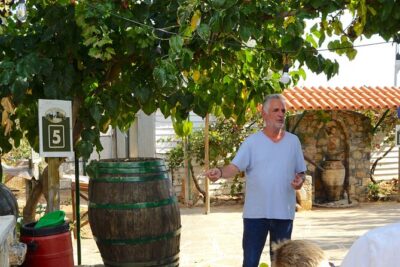
A big reason this experience scores well is the way it’s guided. Several people specifically named guides such as Angela and Pietro. What stands out is the mix of orchard knowledge with genuine enthusiasm.
Still, there are a few caution flags. In at least one account, English was limited and questions couldn’t always be answered. In another, the tour felt short, with less detailed explanation than expected. So here’s my advice to you: come with curiosity, but also come with realistic expectations about pacing and language.
If your English is strong, great. If you’re not, you can still enjoy the experience by focusing on what you see: the trees, the mills, and the tasting sequence. A farm tour doesn’t need perfect translation to land emotionally.
Snacks, olive oil shop, and take-home value
You’ll be offered snacks with the oils, including olives, tarallini, and fried dried beans. That turns the tasting into an actual food experience, not just a sit-and-sip event.
There’s also usually a shop on-site, and many people like the chance to buy products afterward. Some mention the option to purchase oils to take home and even arrange shipping. The practical takeaway for you: if you want to bring Puglia home, this is one of the best moments. You’ll already understand the differences between oils, so you’re less likely to buy blindly.
Price: does $48.06 feel fair?
At $48.06 per person, this isn’t a cheap tasting. The way it earns its cost is simple: you’re paying for a guided experience inside a real masseria, including both underground and above-ground mill visits, plus a structured tasting of three organic oils with food pairings.
Where value can feel better:
- You like food education tied to place, not generic facts.
- You enjoy walking and learning about the orchard ecosystem.
- You’re planning to buy olive oil anyway, so the tasting acts like a buying tool.
Where it might feel steep:
- You expect hands-on pressing or a longer, more technical workshop.
- You’re sensitive to time. Some visits can feel shorter than advertised.
- You’re mostly there for a quick taste and don’t care about the mill walk.
My balanced take: if you’re the type who enjoys small, sensory experiences in the countryside, the price can be reasonable. If you want a longer explanation or a very detailed production deep dive, be sure you’re comfortable with a compact, farm-focused format.
Logistics you should plan for
This is not a “grab a seat and relax” tour. It involves walking through the property and viewing parts of the mill facilities. Sturdy shoes help, especially because it’s a working farm with uneven ground.
It also isn’t suitable for mobility disabilities. So if that affects you or someone in your group, skip it and look for a more accessible alternative.
Weather matters too. The experience requires good weather, and you’ll be offered a different date or a refund if it’s canceled due to poor conditions.
If you’re traveling in a group, the tour caps at 40 people. That’s big enough to feel like a real tour, but small enough that you should still get guided attention. For an even smoother day, you’ll do best arriving early and being ready to move at a farm pace.
Who this Ostuni olive oil experience is best for
This is a great fit if:
- You’re visiting Puglia and want a food-and-culture stop that feels authentic.
- You love olive groves, local agriculture, and seeing how things are made.
- You want a guided tasting that helps you understand what different oils taste like.
It’s less ideal if:
- You need wheelchair-accessible terrain.
- You expect a long, multi-hour production class.
- You’re looking for a full hands-on pressing experience rather than a guided visit plus tasting.
If you’re traveling as a couple, this can be a satisfying half-day anchor. If you’re with family, it can work nicely too, especially because the sensory tasting and orchard walk keep things lively. Just note that the farm setting means active walking.
Should you book Masseria Valente’s EVOO tasting?
I think you should book this tour if you want an authentic, place-based olive oil experience. The combination of the 1500 underground mill and a tasting of three organic oils gives you two things at once: context and comparison.
I’d skip it or adjust expectations if you’re hoping for a long, deeply technical session, hands-on pressing, or perfectly fluid English throughout. Also factor in that the visit isn’t mobility-friendly and can run shorter than you might expect.
If you’re the kind of traveler who buys food on trips because you understand it, this is one of those experiences that helps you make a smart purchase—and remember what you tasted for months, not days.
FAQ
How long is the Ostuni olive oil tasting?
The duration is listed at about 1 hour 30 minutes.
How much does it cost?
The price is $48.06 per person.
Where does the tour start?
The meeting point is Masseria Valente, SP21, 72017 Contrada Valente, Ostuni BR, Italy.
What language is the tour offered in?
The tour is offered in English.
What do you get to taste?
You taste 3 organic oils, with olives, tarallini, and fried dried beans.
What parts of the production area do you visit?
You visit the underground oil mill (of 1500) and also the epigean oil mill.
Is this experience suitable for people with mobility disabilities?
No. The visit is not suitable for people with mobility disabilities.