REVIEW · OSTUNI
Ostuni: Olive Oil Tasting Tour
Book on GetYourGuide →Operated by PUGLIAMARE SRL · Bookable on GetYourGuide
Olive oil comes with a time machine. I love the ancient olive grove walk and the chance to tour real underground presses. One catch: it’s a tight 1-hour visit, so you taste only three oils.
If you want rural Apulia with actual production, this tour is built for you. You’ll start at Masseria Valente, move through the estate, visit both the historic hypogeum (underground) and epigean (above-ground) oil mills, then finish with a structured tasting.
Bring comfy shoes and a bit of curiosity. No transfer is included, so you’ll want to plan how you’ll get to the masseria on time (arrive about 15 minutes early).
In This Review
- Key points before you go
- What makes this Ostuni olive oil tour worth your hour
- Entering Masseria Valente: where the countryside starts
- The grove walk: how tree age shapes your tasting
- Underground hypogeum mill: the 16th-century part you can almost hear
- Epigean oil mill: the 19th-century above-ground counterpart
- The 3 organic oil tasting: how to taste without overthinking
- Food pairings in rural Puglia: olives, tarallini, and broad beans
- Pricing and value: is $53 worth it?
- Timing, meeting point, and group flow
- Who should book this tour?
- Should you book this Ostuni olive oil tasting tour?
- FAQ
- How long is the Ostuni Olive Oil Tasting Tour?
- Where does the tour start and where do you return?
- What is included in the tasting?
- Are transfers included?
- What languages are available?
- Is free cancellation available?
Key points before you go
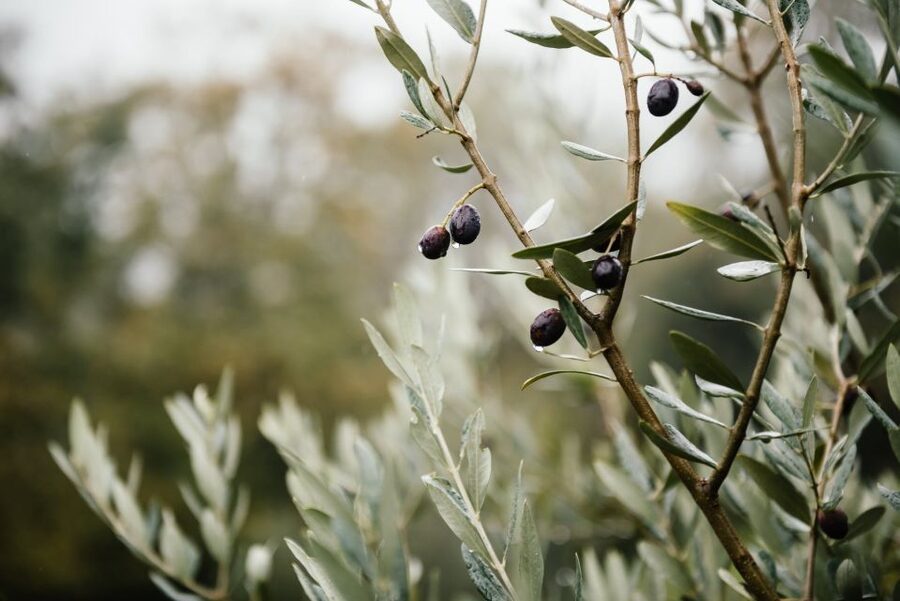
- Ancient tree grove, including 2,000-year-old stories that make the walk feel like living history
- Two mill eras in one stop: a 16th-century underground hypogeum and a 19th-century epigean mill
- Three organic olive oils tasted in a way that helps you notice differences, not just like them
- Simple pairings that make sense locally: olives, tarallini, and fried broad beans
- Short but focused: about 1 hour, best if you want a meaningful stop without a long commitment
- Guides with strong explanations (some have been named Angela, Carla, or Maria in past tours)
What makes this Ostuni olive oil tour worth your hour
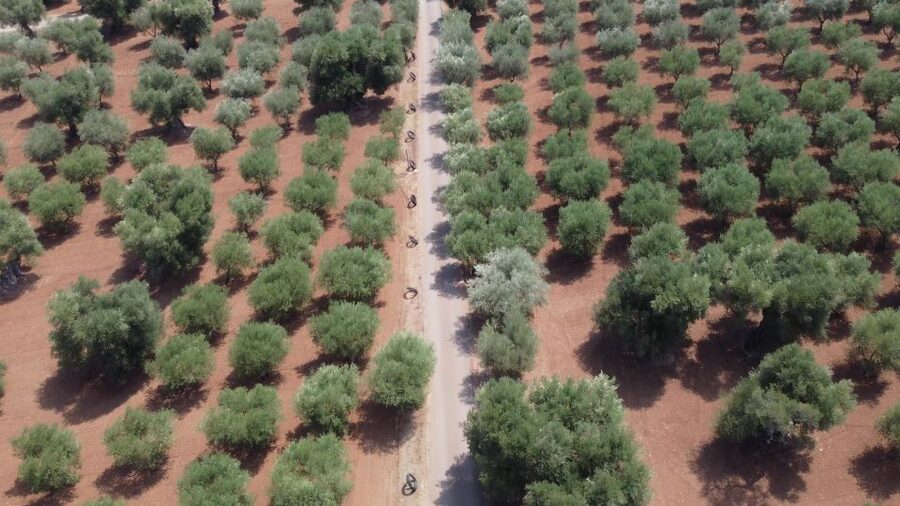
Ostuni is great for whitewashed views, but this experience gives you something different: the source. Olive oil in Puglia isn’t a museum topic. It’s a working countryside skill, and this tour shows it in the places where it actually happened, underground and above ground.
I like that it doesn’t pretend to be complicated. You get a guided walk through an olive estate, you see both historical milling areas, and you taste three organic oils with straightforward local snacks. The focus stays on smell, texture, and what’s behind the oil—tree age, harvest timing, and traditional production methods.
The main consideration is time. At roughly 1 hour, you won’t leave with a massive flight of oils or a long lunch. If you want to sample more varieties or linger for a full meal, plan to add that nearby on your own.
You can also read our reviews of more tours and experiences in Ostuni.
Entering Masseria Valente: where the countryside starts
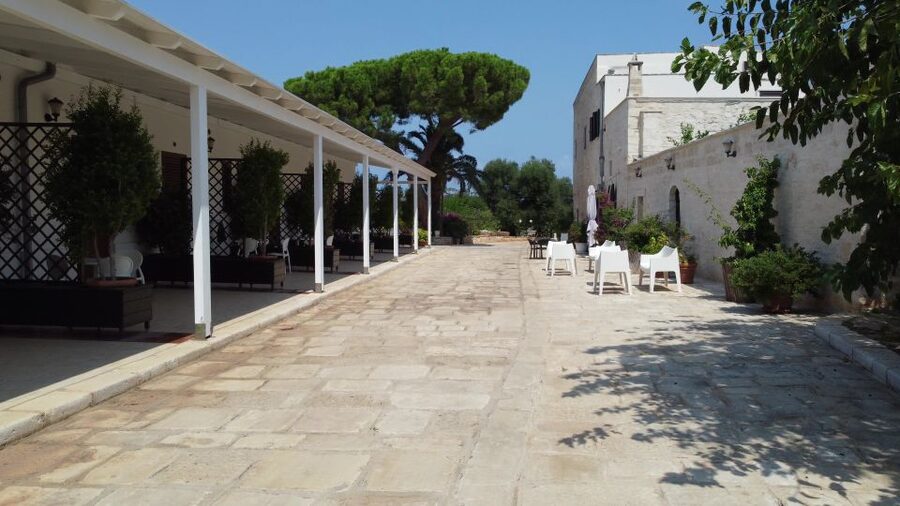
Your tour begins at Masseria Valente. This matters because a masseria isn’t just scenery. It’s the typical Apulian farmhouse system tied to farming, oil production, and storage. Even before you reach any mill, the estate sets the tone: cool shade under the trees, the rhythm of rural work, and a sense of scale you don’t get from shopping in town.
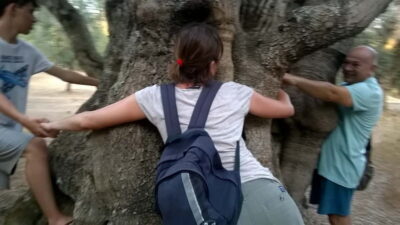
Then comes the estate walk. You’ll stroll among different olive generations, including trees described as being planted over 2,000 years ago by veterans of the Punic Wars. That’s the kind of claim that could sound dramatic—until you realize what it changes about your tasting. When you know the trees are ancient, you start paying attention to why one oil might taste fresher, greener, or more complex than another.
You’ll also get a photo stop and a guided visit as part of the flow. The tour is structured so you’re not just wandering while the guide talks. You move, look, and learn in the same rhythm.
The grove walk: how tree age shapes your tasting
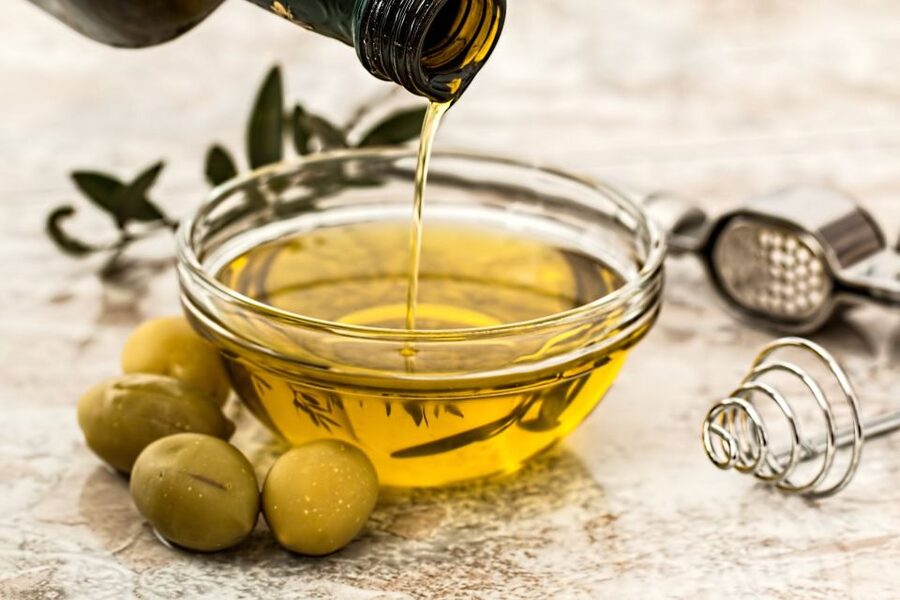
This is the part I’d repeat if you like olive oil as more than a condiment. The walk isn’t random. You’re guided through areas with older and younger trees, which helps you understand what producers mean when they talk about “character” and how oil can differ from grove to grove.
Here’s a practical way to use this section:
- While you’re walking, pay attention to the guide’s cues about how olives are grown and handled.
- When you get to the tasting, think back to the grove and ask yourself what seemed distinct during the walk.
Some tours include moment-by-moment explanations of what people often mix up, like the difference between virgin and extra virgin. If that’s new to you, this grove-to-glass path is a great way to understand it without turning it into a test.
Underground hypogeum mill: the 16th-century part you can almost hear
A standout moment is the visit to the hypogeum oil mill, described as 16th century and set underground. Standing in a space built to control conditions for production makes the whole process feel real. Olive oil isn’t just pressed; it’s managed—timed, cooled, stored, and protected.
In practical terms, the hypogeum is where you see how traditional producers worked with stone, space, and gravity. The tour takes you through the “how it used to be” side: old stone floors, milling and processing areas, and the sense that the design served oil production rather than visitor comfort.
It’s also a great photo and wow factor stop because it contrasts hard with the open grove. One minute you’re under the sky with trees older than many cities; the next you’re in a cool, historic space where production was happening on a different schedule.
If you care about authentic details, this underground section usually becomes the memory you mention later.
Epigean oil mill: the 19th-century above-ground counterpart
Then you switch gears to the epigean mill, described as 19th century, located above ground. The contrast is the point. Underground areas helped control conditions and protected processes. Above-ground milling areas reflect the evolution of how producers organized labor and equipment as methods and needs changed over time.
For you, this is more than a “see both” checklist. It gives you a timeline you can taste. In the tasting, you’ll learn how traditional extra virgin oil production is connected to what happens before pressing: handling the olives, processing timing, and using methods that were refined over generations.
It’s a smart pairing: walking through the story of how oil was produced, then tasting the result.
The 3 organic oil tasting: how to taste without overthinking
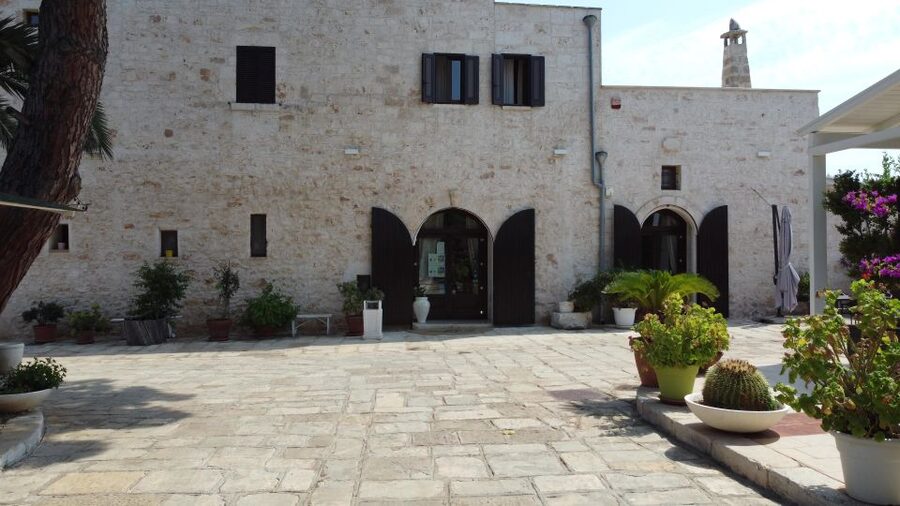
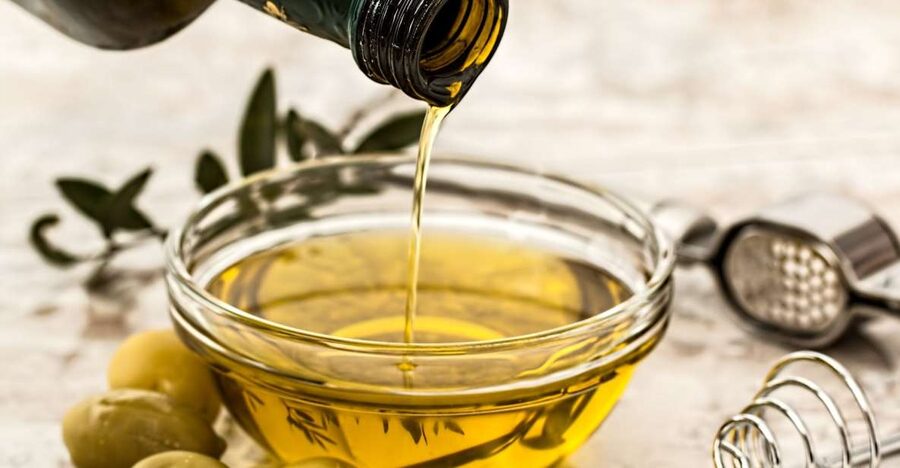
After the mills, you’ll do the tasting of three organic olive oils. This is where the tour earns its value. You’re not just sampling. The tasting is guided, and it’s paired with local bites that help you separate flavors.
What you’re tasting for typically includes:
- Aroma: grassy, leafy, or nutty notes
- Bitterness and pepperiness: often linked to the olive variety and how fresh the oil is
- Texture: whether it feels smooth, slightly intense, or more “green” on the finish
Since the tour is only about an hour, the tasting sequence is kept efficient. You won’t have time for a long workshop. But you will get enough guidance to make your next purchase smarter.
Practical tip: take small sips and cleanse your palate between oils with the included snacks. Tarallini and olives are salty and crunchy, which can help reset your palate quickly.
Food pairings in rural Puglia: olives, tarallini, and broad beans
The tasting isn’t served alone. You’ll get local pairings:
- olives
- tarallini
- fried broad beans
These pairings are a big part of why the experience works for real people, not just olive-oil fans. Salt plus crunch makes you focus on the oil’s finish instead of drowning everything out. And broad beans add a savory, earthy note that plays nicely with olive oil’s sometimes peppery character.
Some people also choose to extend their time at the property with extra appetizers and wine in the dining room afterward. That’s not built into the base tour timing, but it’s the kind of option that can turn a good stop into a more relaxed afternoon.
Pricing and value: is $53 worth it?
At $53 per person for about 1 hour, the price feels fair if you see this as a guided introduction to production plus tasting—not just “a quick food stop.”
You’re getting:
- a guide
- access to the olive grove and historic mill spaces
- tasting of three organic oils
- included snacks (olives, tarallini, fried broad beans)
Where the value can feel tighter is exactly where the tour is short. A few people note that the tasting is limited to three oils, and they would have preferred more choice or longer time. That’s a valid expectation if you’re an olive oil geek who wants a big range.
My take: if you want one strong, educational tasting with real historic context, this works well. If you’re hoping for a long lunch-style experience or a broad flight of many oils, look for a longer or multi-course option.
Also factor in one practical detail: transfer isn’t included. If you’re staying in Ostuni center, you may spend extra time and money getting to Masseria Valente. That doesn’t make the tour “bad,” but it does affect total cost.
Timing, meeting point, and group flow
The duration is listed as 1 hour, and you should arrive 15 minutes early. Plan for a calm start. Olive oil tours move at a pace that depends on the group size and on how many questions people ask in the grove and the mill areas.
Languages are English and Italian with a live guide. In past experiences, guides named Angela, Carla, and Maria have been praised for explaining the differences between types of oil and for keeping the pace comfortable. That’s the kind of guiding style you want on a short tour: quick, clear, and still lively.
What to wear: you’ll be walking outdoors and moving through historic spaces. Comfortable shoes help more than you’d think, especially if the ground is uneven around the trees or the mill access points.
Who should book this tour?
This experience fits best if you:
- love food with a story you can connect to real places
- want to learn how olive oil is produced, not just taste it
- like guided explanations that make shopping easier later
- prefer a short, high-impact outing rather than a long day plan
It may be less ideal if:
- you want a long sit-down meal included
- you’re expecting many more than three oils to taste
- you don’t have an easy way to reach Masseria Valente without arranging your own transport
Should you book this Ostuni olive oil tasting tour?
Book it if you want a focused introduction to Puglia olive oil in an actually historic setting: ancient trees, a hypogeum underground mill, and a 19th-century mill, followed by tasting three organic oils with local bites. It’s also a good “set-up your palate” tour—by the end, you’ll be able to describe what you like and why, instead of just picking the bottle that tastes nicest in the moment.
Skip it or adjust expectations if you’re looking for a longer tasting menu, more oils, or an all-day food experience. With only three oils and a one-hour format, it’s designed to be efficient.
If you’re visiting Ostuni and want one countryside stop that feels authentic and not staged, this is a strong bet.
FAQ
How long is the Ostuni Olive Oil Tasting Tour?
The tour duration is listed as 1 hour.
Where does the tour start and where do you return?
You start at Masseria Valente and you return there.
What is included in the tasting?
You’ll taste three organic olive oils, paired with olives, tarallini, and fried broad beans.
Are transfers included?
No. Transfer is not included, so you’ll need to arrange your own way to reach the meeting point.
What languages are available?
The live tour guide offers English and Italian.
Is free cancellation available?
Yes, free cancellation is offered up to 24 hours in advance for a full refund.