REVIEW · PERUGIA
Olive Oil tasting with Olive Mill Tour in Umbria.
Book on Viator →Operated by Umbria con Me · Bookable on Viator
You can learn to taste olive oil in real production time. This small-group stop in the Umbria hills pairs a short walk through olive groves and the mill with an organized tasting session, plus a food spread that many visitors never get.
What I like most is how hands-on it feels. You’ll see the olives, the grinding process, and the state-of-the-art extraction equipment, then you’ll get practical instruction on tasting extra virgin oils rather than just sampling blindly.
One thing to consider: it’s not a long factory tour. Expect a compact experience that fits an hour, so if you want a huge facility and a marathon walkthrough, this may feel short.
In This Review
- Key Highlights Worth Your Time
- A 1-Hour Olive Oil Lesson in Small-Group Umbria
- Where You Go: Gualdo Cattaneo Base at Via Putuense
- Frantoio Rinalducci: Olive Grove Walk, Mill Views, and the Terrace
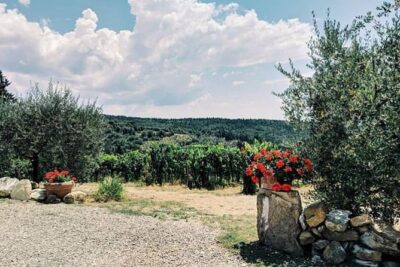
- The olive grove stop
- The oil mill and extraction equipment
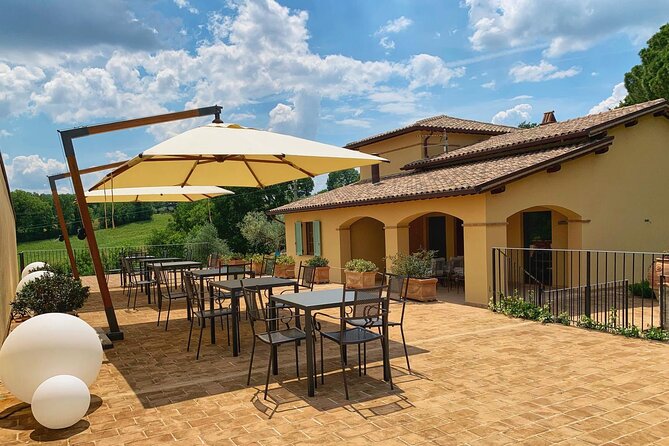
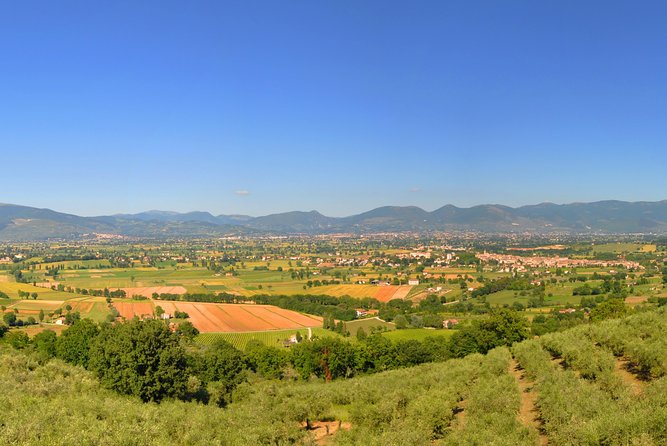
- The panoramic terrace moment
- How the Tasting Works: Learning to Taste Extra Virgin Oils
- The Food Pairing That Turns Sampling Into a Meal
- Price and Value: Why $44.95 Feels Fair Here
- Practical Tips Before You Go
- Who Should Book This Olive Oil Mill Tour (and Who Might Pass)
- FAQ
- FAQ
- How long is the olive oil mill tour?
- What is the group size limit?
- Is the tour offered in English?
- Where do I meet the tour?
- What does the tour include?
- What food and drinks are included?
- Does the price include transport?
- Is there walking involved?
- Can the mill tour change during harvest season?
- What is the cancellation policy?
- Should You Book This Olive Oil Tasting Tour?
Key Highlights Worth Your Time
- Cap at 15 people for a more personal, Q-and-A friendly experience
- Olive grove + oil mill + panoramic terrace in one tight route
- Guided tasting of extra virgin oils with instructions to help you compare flavors
- Food pairing that goes beyond bread, including bruschetta, charcuterie, and wine
- Learn how Umbrian olive oil is made, not just how it tastes
- Frantoio Rinalducci brings both technique and family passion into the visit
A 1-Hour Olive Oil Lesson in Small-Group Umbria
This experience is built for people who want more than a quick sip and a shrug. In about an hour, you get a clear path: where the olives grow, how they’re processed, and how to taste what you’re seeing. It’s the kind of trip that makes the rest of your olive oil shopping make sense.
You’ll be in a group capped at 15, so the host can actually slow down for questions. That matters when you’re learning how extra virgin oils are different, because the differences aren’t just about taste. They’re also about how the oil is made and how you’re taught to notice aroma, bitterness, and peppery finish.
The big catch is timing. The tour portion is intentionally compact, and it’s designed to move from view to tasting without dragging. If you’re the type who wants a long, detailed mill tour with tons of waiting time, this format may not satisfy you.
You can also read our reviews of more tours and experiences in Perugia.
Where You Go: Gualdo Cattaneo Base at Via Putuense
The meeting point is Via Putuense, 40, 06035 Gualdo Cattaneo PG, Italy. The overall experience is positioned as an Umbria highlight near Perugia, but your practical reality is that you’ll start here and end right back at the same spot.
That means a key planning point for you: transport isn’t included. If you don’t have a car, plan on arranging a taxi or other local ride so you can arrive on time and not stress about timing. A one-hour experience rewards people who show up a few minutes early.
You’ll also get a mobile ticket, and the tour is offered in English. Confirmation comes within 48 hours of booking (based on availability), so it’s usually safe to plan ahead without last-minute panic.
Frantoio Rinalducci: Olive Grove Walk, Mill Views, and the Terrace
The core of the visit centers on Frantoio Rinalducci. You start with a short walk with the farmer, then you move through the production steps with a mix of explanation and real-world sightlines.
The olive grove stop
You’ll see the olive trees and learn how Umbrian olive oil connects to the growing process. This isn’t just scenery time. The idea is to help you understand why olive oil flavor and quality don’t appear out of thin air. Growing conditions, harvesting timing, and how olives are handled after picking all affect what ends up in the bottle.
Expect a moderate walking component. The tour notes a moderate physical fitness level, which fits with a short walk rather than a full hike.
The oil mill and extraction equipment
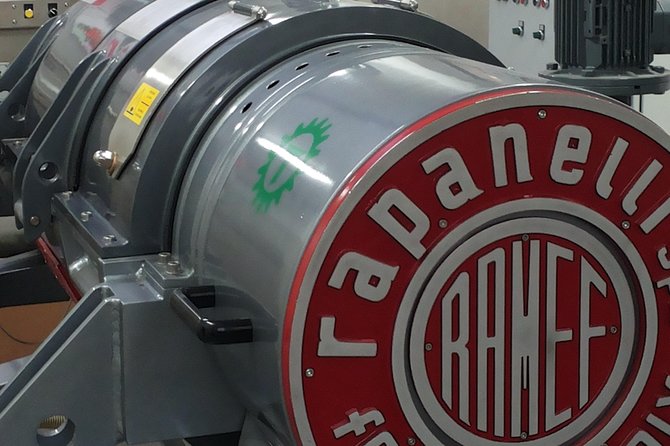
Next comes the mill tour. You’ll see the olives being ground into a paste and then the extraction process that pulls the oil out. The emphasis is on production, not just branding. You’ll be shown modern equipment used for extraction, and it’s the kind of technical clarity that helps you understand what you’re tasting later.
During harvest period, the tour may face restrictions because staff availability can change. If you’re booking during peak harvest season, keep your expectations flexible about what you’ll see and how the timing runs.
The panoramic terrace moment
You also get a stop on a panoramic terrace. It’s not just a photo break. It helps you re-orient—literally connecting the view around the mill to the olives you just walked past. After this, the tasting session feels less random. You’re not just tasting oil; you’re tasting a regional process.
The facility experience is compact, which is part of the charm. More than one person notes that they expected a bigger place, but the visit covers the important pieces without turning into a long, repetitive loop.
How the Tasting Works: Learning to Taste Extra Virgin Oils
This is where the tour earns its keep. The tasting isn’t presented like a free-for-all snack table. You get instructions on how to taste olive oil, so you can actually tell one oil from another instead of only thinking in terms of mild versus strong.
You’ll sample multiple extra virgin oils, and at least one tasting session includes six varieties. That’s a great number for learning because it forces comparison. You start noticing patterns: aroma changes, bitterness levels, and whether the oil leaves that peppery sensation in the throat.
A smart way to approach it for yourself: keep your questions simple. Ask what to notice first, and don’t be afraid to say you’re not sure what you’re picking up. A good host will translate the tasting language into something you can experience on your own tongue.
The tasting structure also makes the oil more meaningful if you’re going to buy later. Instead of choosing a bottle because it looks nice, you can connect flavor traits to what you saw in production.
The Food Pairing That Turns Sampling Into a Meal
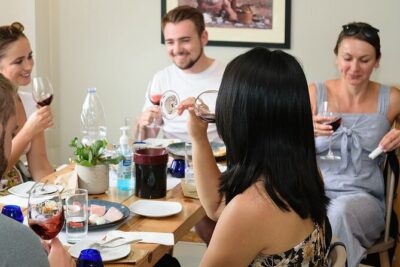
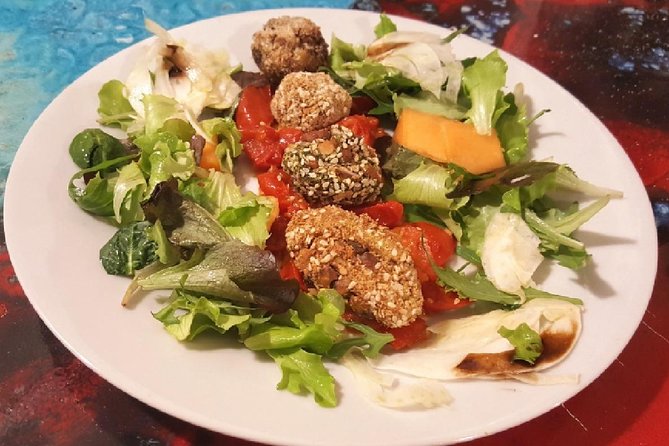
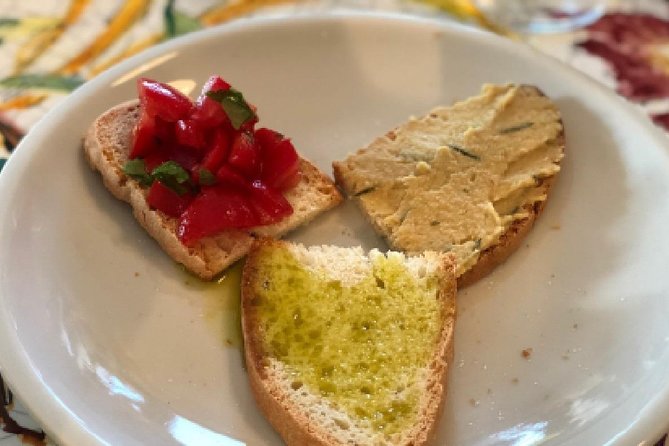
The olive tasting is paired with food, and that’s one of the most praised parts of the experience. You’ll see charcuterie, bruschetta, and wine included, along with other treats.
Here’s why that matters: olive oil tasting works best when you’re not only focusing on the oil itself. Bread and simple pairings help you reset your palate and notice how the oil behaves with real flavors. In other words, it’s not just tasting; it’s tasting in context.
Bruschetta is specifically highlighted, including a version with tartufo spread. Charcuterie and antipasti-like bites round it out, so you leave feeling fed rather than briefly entertained.
One detail I really appreciate in this format is the pacing. After the technical production walk, the food helps you land the lesson. You go from seeing grinding and extraction to understanding why those sensory qualities matter on a plate.
And yes—people were genuinely surprised by how substantial the spread felt for the price.
Price and Value: Why $44.95 Feels Fair Here
At $44.95 per person for about an hour, you’re paying for three things at once: a production visit, guided tasting instruction, and an eating component (not just a token nibble). That combination is where the value comes from.
If you’ve ever done olive oil tastings that are basically tasting-only, you know the difference. This one includes access to the grove and the mill route, plus a panoramic terrace stop. That’s a lot of content for a short duration, especially with the group cap of 15.
Is it the cheapest thing in your calendar? No. But it’s also not priced like a day-long tour with long transport legs. You’re buying efficiency plus learning plus food, all in a compact package.
The experience being described as enough time to cover the important parts is important. A shorter tour can be a positive if it stays focused, and multiple people mention it does.
Practical Tips Before You Go
A few things will help you get the most out of the hour:
- Bring curiosity, not a shopping list. The tasting instructions change how you judge oils, which helps even if you don’t plan to buy.
- Wear comfortable shoes. There’s a short walk with the farmer, and you’ll want stable footing.
- Plan on local transport. Transport to and from the attraction is not included.
- Ask during the tasting. If you don’t understand the flavor terms yet, ask what to focus on.
- If you’re visiting during harvest, expect possible limitations. The mill tour may have adjustments based on staffing.
The experience is offered in English, so you should be comfortable following along. If you’re the type who likes hands-on learning, this is a good fit because the host has a chance to guide you through the tasting steps.
Who Should Book This Olive Oil Mill Tour (and Who Might Pass)
This tour is a strong match if you:
- want a small-group experience with time for questions
- like food learning that leads to better choices later (especially when you shop for olive oil)
- enjoy the idea of seeing olives processed, then tasting the results
- want an hour that includes a meal-style spread, not a quick sample
You might skip it if you:
- want a long, in-depth mill tour with lots of walking and multiple stops across a larger complex
- need full wheelchair-friendly coverage (the tour only states moderate physical fitness, so you’d need to judge suitability based on your needs)
- are expecting transport from Perugia included in the price
Also, if your travel style is mostly art museums and church bells, this may still work. It’s technical, but it’s explained in a human way, and the food keeps it from feeling like a lecture.
FAQ
FAQ
How long is the olive oil mill tour?
The experience lasts about 1 hour.
What is the group size limit?
The maximum group size is 15 travelers.
Is the tour offered in English?
Yes, it is offered in English.
Where do I meet the tour?
The meeting point is Via Putuense, 40, 06035 Gualdo Cattaneo PG, Italy.
What does the tour include?
It includes visits to the olive grove, the panoramic terrace, and the oil mill, plus extra virgin olive oil tastings and a food tasting.
What food and drinks are included?
You’ll have a tasting that includes charcuterie, bruschetta, wine, and other treats.
Does the price include transport?
No. Transport to and from the attraction is not included.
Is there walking involved?
Yes. The tour includes a short walk with the farmer, and it’s listed as suitable for people with moderate physical fitness.
Can the mill tour change during harvest season?
Yes. During harvest periods, the oil mill tour may have restrictions due to staff availability.
What is the cancellation policy?
Free cancellation is available up to 24 hours in advance for a full refund.
Should You Book This Olive Oil Tasting Tour?
I think it’s a good booking if you want a focused, high-value hour that combines production viewing with guided tasting and an actual food spread. The small group cap helps you ask questions, and the tasting instruction makes the experience useful beyond the moment.
Book it when you’d rather learn how olive oil is made and how to taste it, instead of just grabbing a sample. If you’re short on time in Umbria but want something that feels authentically local—groves, mill work, and a terrace view—this one is easy to recommend.