REVIEW · HERAKLION
Private Tour-Knossos Palace Zeus Cave Olive Oil Mill & Wine
Book on Viator →Operated by Tours in Heraklion · Bookable on Viator
Crete can feel huge. This tour keeps it human.
You’ll trade highways for Lassithi Plateau villages, with real food stops (olive oil, coffee, raki, wine) and small touches like hands-on pottery. Then you finish at Knossos Palace, one of the most important sites in Greek prehistory.
Two things I especially like: the pacing. You get time to look, not just stand and sprint. And the mix is smart—modern life (factories, today’s coffee culture) plus old crafts (pottery) plus archaeology (Knossos).
One possible drawback: the day is long and drive-heavy (about 7–8 hours), and the Knossos entrance ticket is not included.
In This Review
- Key reasons people love this private Crete day
- What you’re really buying for $151.17 per person
- How the small-group setup makes Lasithi feel like a real day
- Gouves olive oil mill: the taste that makes the whole island click
- Coffee, villages, and the slower rhythm of Lassithi Mesa
- Psychro pottery workshop: hands-on craft, not museum talk
- Windmills of Lassithi Plateau: photos with context
- Tzermiado village walk: narrow streets, easy wandering
- Lunch at Restaurant Tzanakis Michael: what’s included and what’s not
- Krasi ancient plane tree: a quick pause that feels oddly timeless
- Aposelemis Dam viewpoints: modern water engineering, rural purpose
- Knossos Palace: the big finish and the ticket reality
- Zeus Cave closure: what you should expect instead
- Who should book this private Lasithi + Knossos tour
- Should you book: my honest call
- FAQ
- What’s the duration of the tour?
- Is pickup included?
- How many people are in the group?
- Are meals included?
- Is Knossos Palace entrance included in the price?
- Do I need cash for Knossos?
- Is Zeus Cave part of the tour?
- What does the tour include for drinks?
- What if I have food allergies?
Key reasons people love this private Crete day
- Small group of up to 7 so you can ask questions and actually hear the answers.
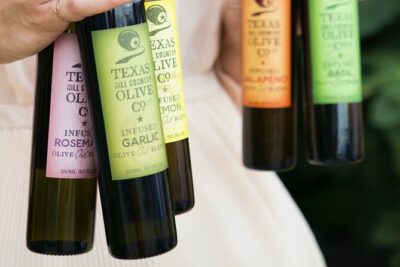
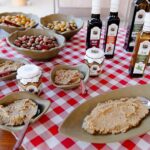
- Olive oil mill tasting at Gouves where you see modern pressing alongside traditional know-how.
- Hands-on pottery workshop on the Lassithi Plateau, with clay shaping under guidance.
- Lassithi villages for coffee, cookies, and walking breaks, not just photo stops.
- Knossos Palace time with flexible guidance, plus included drinks like Greek coffee and raki.
What you’re really buying for $151.17 per person
On paper, this is a full-day private tour out of Heraklion that combines archaeology with rural Crete. In real life, you’re paying for less hassle and more “day with a local” energy.
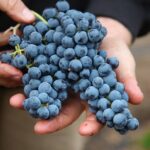
The price is built around three value points. First, you get private Mercedes van transportation with pickup and drop-off from multiple areas (Heraklion and nearby resorts). Second, you get a local English-speaking driver guide plus the day’s inclusions—Greek coffee, raki, bottled water, refreshments, and Cretan wine. Third, most of your time is spent at working places and village stops, where you don’t have to compete for attention.
So the biggest financial “gotcha” is really the obvious one: Knossos Palace entrance is extra (listed at 20 euro per person). Lunch at the taverna is also optional. If you want everything wrapped tight into one easy box, you’ll either plan for those costs or ask your guide how to handle it.
You can also read our reviews of more tours and experiences in Heraklion.
How the small-group setup makes Lasithi feel like a real day
This is designed as a private tour with a maximum of 7 travelers. That’s not a random number—it changes the whole tone.
In a group that small, you get:
- time to stop for viewpoints without everyone rushing the same photos
- room to ask why something matters (olive oil, village life, pottery patterns)
- better chances to slow down if the day runs long
You’ll also likely notice the “guide as storyteller” style. In the reviews and overall tour feedback, names like Spyros, Stavros, Dimitrios, and Mike come up with one consistent theme: people felt treated like they were spending time with someone who cares about Crete, not just delivering a script.
Gouves olive oil mill: the taste that makes the whole island click
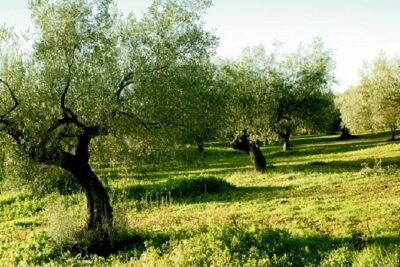
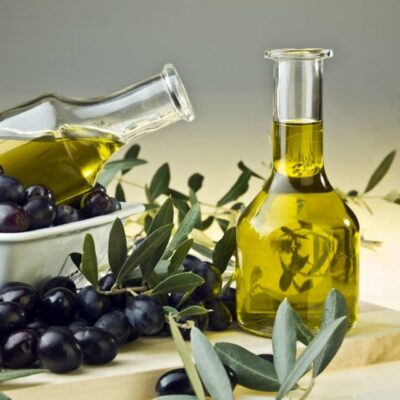
The morning starts with an old family olive oil factory in the Gouves area. This isn’t just a showroom stop. You’ll see modern equipment used alongside traditional methods passed down through generations.
What I like about this kind of visit is that it explains something you’ll keep seeing across Crete: olives aren’t a background product here. They’re part of daily life and identity. And when you taste fresh-pressed olive oil on-site, it connects the dots fast. Fresh olive oil can taste grassy, peppery, and bright—very different from what you grab in a supermarket.
Practical tip: wear clothes you don’t mind getting that “food-and-farm air” smell on—olive oil and rural environments leave a trace.
Coffee, villages, and the slower rhythm of Lassithi Mesa
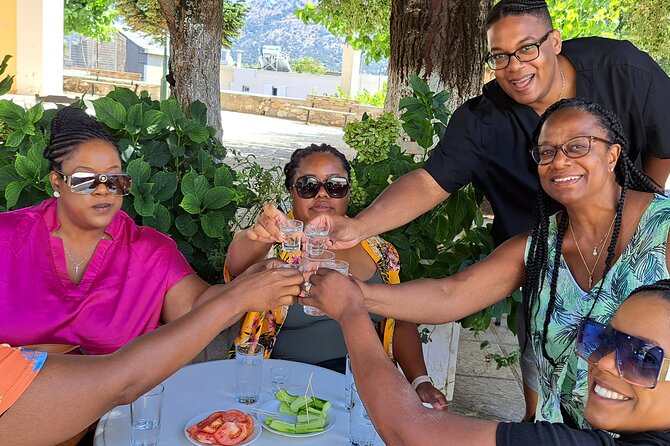
On the Lassithi Plateau, you’ll stop at a traditional coffee shop around Mesa. The point isn’t caffeine alone (though the Greek coffee is part of the day’s inclusions). It’s the pace.
In small village cafes, you get:
- an easy place to sit and watch daily life
- local stories delivered in a natural way
- a break that feels like part of the culture, not a break between attractions
Expect it to be relatively short. This is one of the places where the guide’s timing matters: you want enough time to enjoy the drink, but not so much that you lose the day’s momentum for the next workshop and viewpoints.
Psychro pottery workshop: hands-on craft, not museum talk
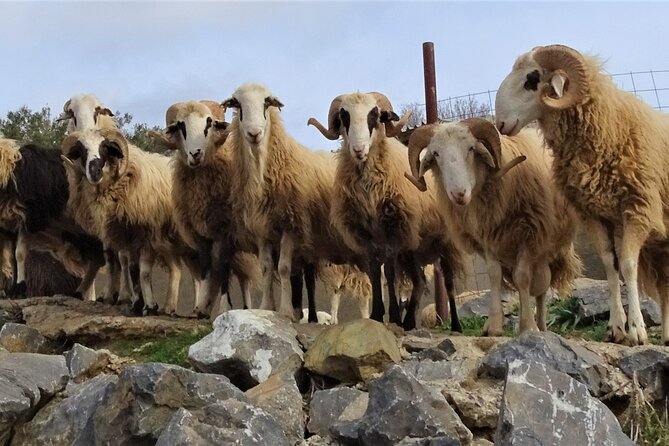
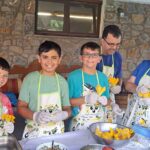
Next comes a pottery workshop on the Lassithi Plateau around Psychro. This is one of the most memorable blocks of the day because you’re not only looking—you may get a chance to make something.
You’ll learn how pottery design connects back to Minoan influence: traditional patterns and shapes evolving over time while still drawing on ancient motifs. You’ll also see a working studio setup—finished pieces, drying work, and items ready for glazing or firing.
And yes, the real win is the “try it yourself” moment: shaping clay under the potter’s guidance. Even if you don’t leave with a masterpiece, you’ll leave with a story you can’t get from photos.
Consideration: pottery is tactile. If your hands get cold easily, bring a light layer.


Windmills of Lassithi Plateau: photos with context
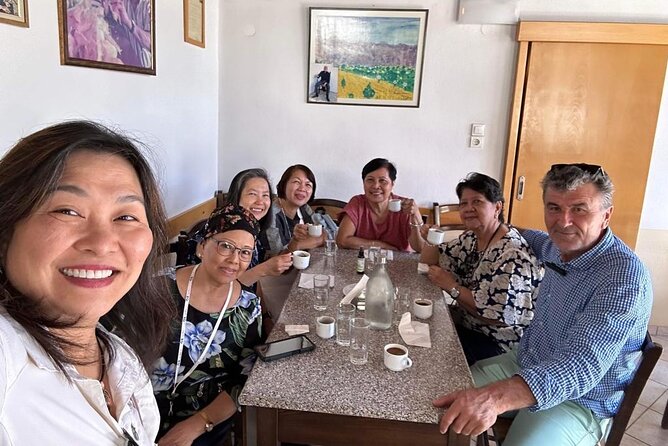
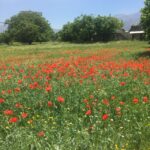
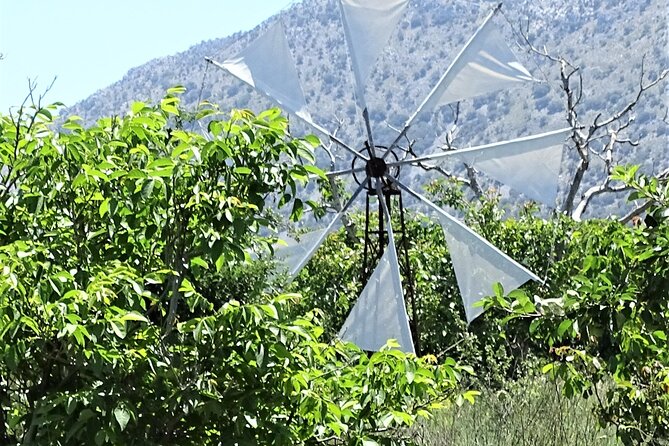
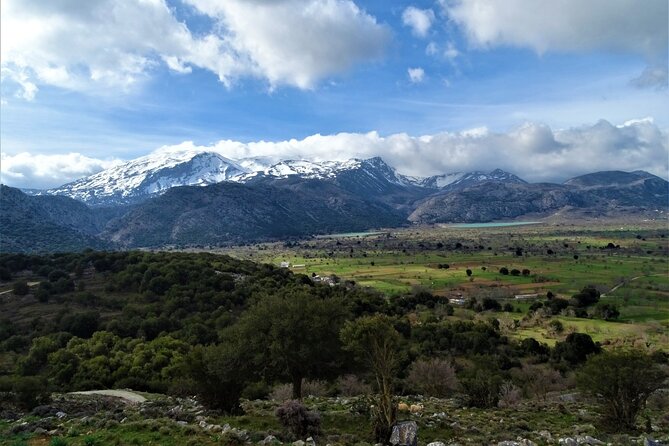
The tour moves to the Windmills of the Lassithi Plateau. This stop is built for both views and understanding. You’ll have time to explore the area and take pictures with the mountains in the background.
What makes this stop worth more than a quick photo is the explanation behind the windmills:
- they helped grind grain
- they supported irrigating fertile land
- they represent years of agricultural effort in the plateau’s farming system
You’ll probably notice that the tour threads a theme across the day: food, water, and craft. Olive oil is the food story. Pottery is the craft story. Windmills and water management (later, the dam) are the practical backbone.
Tzermiado village walk: narrow streets, easy wandering
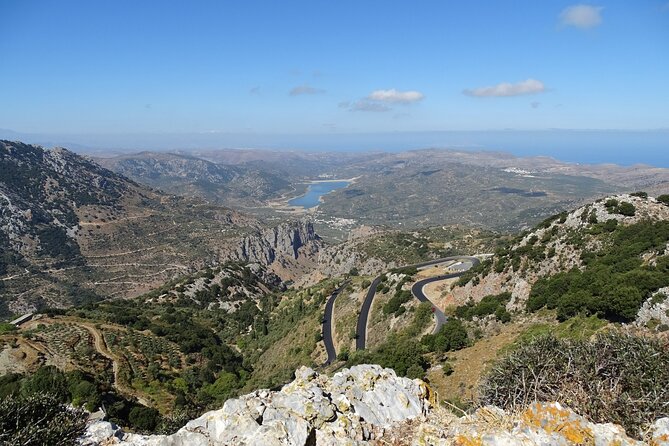
A short walk through Tzermiado is next. This is the “slow your legs down” portion—30 minutes through narrow streets and older characteristic houses.
This stop works well if you like:
- quiet streets
- architecture that isn’t trying to be a postcard
- walking without having to read every plaque
It’s not a big-ticket sight. But it gives your day some air—especially after workshops and driving.
Lunch at Restaurant Tzanakis Michael: what’s included and what’s not
On the return trip, there’s a lunch stop at Restaurant Tzanakis Michael, a family taverna with Cretan food made from fresh area products. This part is not included in the tour price.
You can expect a menu direction toward dishes like:
- moussaka
- saganaki
- stuffed vegetables
- Greek salad
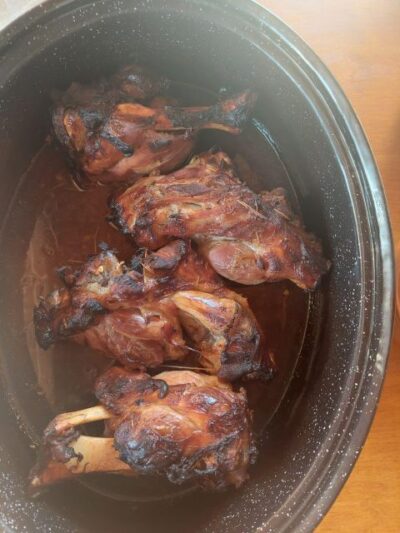
- oven lamb
If you’re trying to manage your budget, decide early whether you want a full meal here or if you’ll keep it lighter. Also, if you’re sensitive to dietary restrictions, tell your guide before you order—this tour info flags that they can respond to allergies and intolerances if you contact them ahead of time.
Krasi ancient plane tree: a quick pause that feels oddly timeless
In Krasi, you’ll visit an ancient Platanus tree—described as about 2,400 years old (and also referenced locally as over 2,000 years). It’s one of those Crete moments where scale is the story.
There’s shade, a central village square feel, and a living reminder that people have been using this same kind of outdoor space for centuries.
You won’t need long here. Expect about 10 minutes, and let the surroundings do their job.
Aposelemis Dam viewpoints: modern water engineering, rural purpose
On the way back, you’ll pass the Aposelemis Dam. The stop is brief (around 30 minutes), but the views and the function matter.
The dam is described as:
- the largest dam in Crete
- a key part of how water supports agriculture and local life
- an engineering project with scenic reservoir views
If you like understanding how a place works—how water moves, how land gets irrigated—this stop adds a modern layer to the old agriculture theme you’ve been hearing all day.
Knossos Palace: the big finish and the ticket reality
Finally, you’ll head to the Palace of Knossos. It’s one of Crete’s top archaeological sites and linked to Minoan civilization. The palace dates back to around 1900 BC and was destroyed roughly between 1380 and 1100 BC (as described in the tour info).
You’ll get about 1 hour 30 minutes to explore. Since the entrance ticket is not included (20 euro per person), plan that cost ahead.
Practical advice for enjoying Knossos:
- go in ready to look for patterns (courtyards, corridors, rooms)
- take breaks from your phone long enough to read the big picture
- wear shoes with grip—uneven surfaces happen
Also, note the tour mentions an optional official licensed tourist guide at Knossos. If you want deeper narration inside the complex and you’re visiting for the archaeology specifically, that’s the time to consider paying for that layer of expertise.
Zeus Cave closure: what you should expect instead
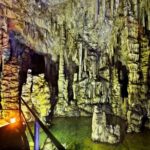
The tour name includes Zeus Cave, but the tour info says Zeus Cave is closed for the moment. So don’t expect a cave visit.
What this means for your day: your guide will focus your time on the other stops that are operating—olive oil, pottery, villages, windmills, Krasi, Aposelemis Dam, and Knossos.
If Zeus Cave is your main reason for booking, you should double-check the current status close to your trip date before you commit.
Who should book this private Lasithi + Knossos tour
This fits best if you want:
- a full-day experience that combines famous Crete with daily-life culture
- small-group attention (up to 7) instead of a bus-and-blur day
- food and craft stops that add meaning, not just photo ops
It’s also a good choice for first-time Crete visitors based in or near Heraklion, plus travelers staying in Elounda, Hersonissos, Malia, Ag Pelagia, Ag Nikolaos, Sisi, or Rethimno (pickup is offered from these areas).
If you hate long drives or want minimal time on the road, this may feel like too much. Expect plenty of driving between the plateau and Knossos.
Should you book: my honest call
Book it if you want Crete with texture—olive oil you can taste, pottery you can touch, villages where coffee feels like a ritual, and a final stop at Knossos that you can actually enjoy. The included drinks and tastings help justify the price, especially because you’re also getting private van transport and a small-group guide format.
Don’t book it if you’re chasing a quick hits itinerary or if Knossos and Zeus Cave are the only boxes you care about. Knossos requires an extra ticket, and Zeus Cave is currently closed, so your day may feel different than the tour name suggests.
If you like your travel days to feel personal and grounded—more Crete life, less checklist—this is one of the better ways to spend your time around Heraklion.
FAQ
What’s the duration of the tour?
It runs about 7 to 8 hours.
Is pickup included?
Yes. Pickup and drop-off are included from many areas, including Heraklion and nearby towns/resorts listed in the tour details.
How many people are in the group?
This is a private tour with a maximum of 7 travelers.
Are meals included?
Greek coffee, raki, refreshments, and bottled water are included. Lunch in the taverna is optional and not included.
Is Knossos Palace entrance included in the price?
No. Knossos Palace entrance costs 20 euro per person and is not included.
Do I need cash for Knossos?
The tour info states the entrance fee for Knossos is not included, so you should plan to pay that fee separately when you arrive.
Is Zeus Cave part of the tour?
The tour info says Zeus Cave is closed for the moment, so you should not expect to go inside.
What does the tour include for drinks?
The tour includes Greek coffee, raki, refreshments, bottled water, and Cretan wine for the private tour.
What if I have food allergies?
The tour info asks you to contact them if you have food allergies or intolerances so they can handle it appropriately.