REVIEW · SARDINIA
Sardinian Olive Oil tasting & Picnic among the olive trees
Book on GetYourGuide →Operated by Timonfaya Travel Lanzarote · Bookable on GetYourGuide
Olive oil lessons, right under the trees. This 1-hour Sardinian tasting at Sa Mola oleificio blends a guided extra virgin lesson with a real picnic spread, served outdoors among older groves than you usually see. I also like how the host family style keeps the mood warm and questions welcome, not rushed.
One thing to keep in mind: depending on timing, you might get more tasting than hands-on oil-making visuals, so plan for the emphasis on oil tasting more than factory viewing.
In This Review
- Key things I’d pencil in before you go
- Meeting at Sa Mola Oleificio: where the olive story starts
- The mill and the ethnographic museum: four generations of olive oil work
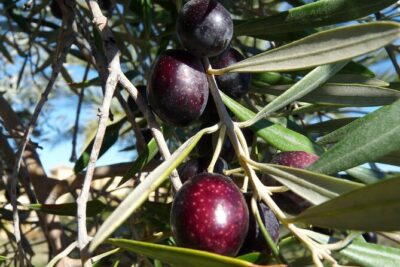
- Walking among centenary olive trees: tasting where the flavors begin
- The 7-tasting picnic basket: flavored oils meet Sardinian food
- Flavored oils: a fun Sardinian angle (and why it matters)
- Price and duration: does $81 buy real value here?
- Languages, group size, and the Q&A factor
- What to bring, and how to make the most of the hour
- Should you book Sardinian Olive Oil tasting and Picnic among olive trees?
- FAQ
- How long is the Sardinian olive oil tasting and picnic?
- Where is the meeting point?
- What does the tour cost?
- How big is the group?
- What languages are available?
- What’s included in the experience?
- What is the 7-tasting picnic?
- Are dietary options available?
- Is there free cancellation?
- Can I reserve without paying right away?
Key things I’d pencil in before you go
- Sa Mola oleificio setting: You start at the olive-oil mill area in Escolca, not a random tasting room.
- Ethnographic museum + four generations: You get the story of oil production and how it evolved, not just a quick sip-and-go.
- Centenary olive tree walk: You taste in place, among the trees that made the oil.
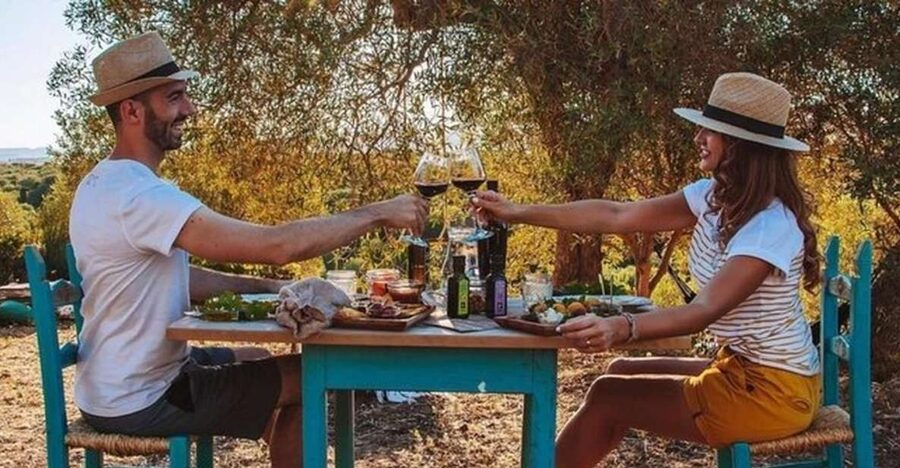
- 7-tasting picnic basket: Flavored oils get paired with seasonal Sardinian bites, plus wine and water.
- Small group of 8: More chances to ask questions and compare what you’re tasting.
- Dietary options available: Vegan, gluten-free, and lactose-free options are available if you note it at booking.
Meeting at Sa Mola Oleificio: where the olive story starts
Your day starts at Sa Mola oleificio, località Figarba, 08030 Escolca (Province of Cagliari). That matters because you’re not shuttled to a city storefront. You’re going to the countryside base where olive production history and today’s product are part of the same place.
The tour runs about 1 hour, in a small group limited to 8 people. That short window is part of the appeal—this is a focused bite of the olive world, not a half-day road trip. It’s also why your guide’s pacing and clarity matter a lot.
If you’re the type who wants time to browse or linger, you might find the schedule brisk. This is designed as a concentrated tasting and learning session, with food served as part of the learning.
You can also read our reviews of more tours and experiences in Sardinia.
The mill and the ethnographic museum: four generations of olive oil work
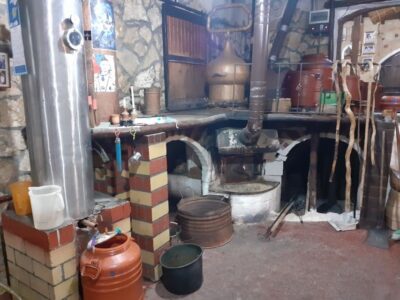
One of the best parts is the stop at the ethnographic museum connected to the olive mill. The guide (often in Italian and English) explains the history of oil producers across four generations. You’ll also hear how extraction methods changed over the years, up to the modern plant.
Even if you know the basics of extra virgin olive oil, this museum framing helps you understand what you’re tasting. You stop thinking of olive oil as a generic product and start seeing it as a long chain of choices: harvest timing, pressing systems, and how the oil ends up packaged.
What I like here is the practical storytelling. Instead of pure facts, it’s the kind of “how we got here” context that makes your tasting notes make more sense.
Walking among centenary olive trees: tasting where the flavors begin
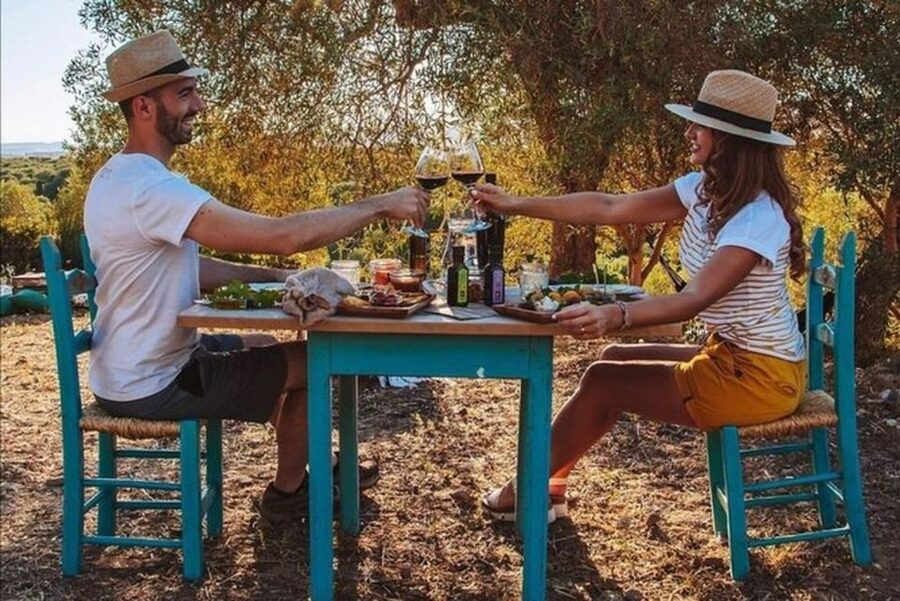
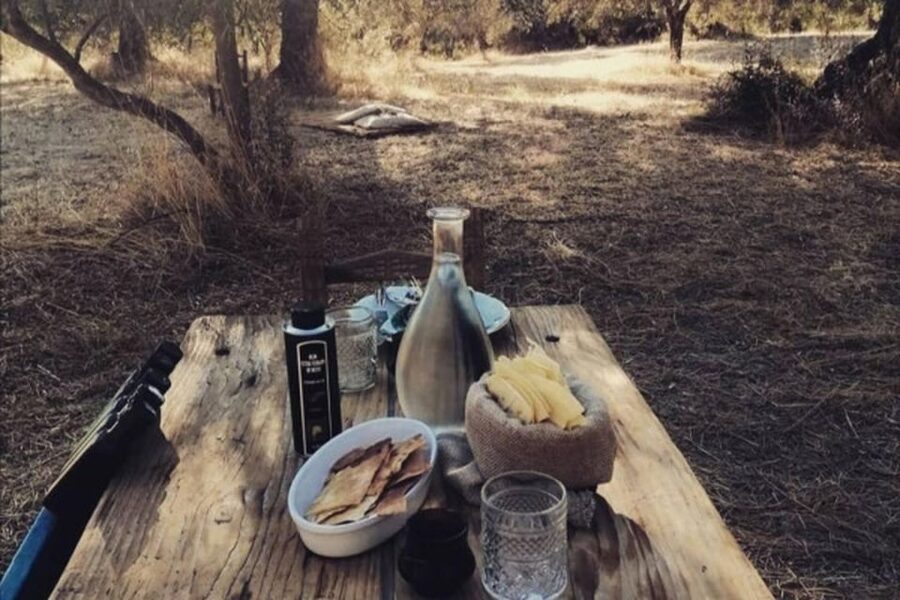
After the museum background, you walk among centenary olive trees. This isn’t just a pretty stroll. It sets the stage for the tasting portion by putting you in the setting that produced the oils you’ll try.
During the walk and tasting segment, you’ll go through an introductory course in extra virgin olive oil tasting. That’s a big deal if you’ve never learned how to taste olive oil. You’re not just told it’s good—you’re guided to notice differences and understand why an oil tastes the way it does.
Then comes the part that turns theory into a real memory: you sample oils produced from those trees, guided by the person hosting you. This is where the tour earns its value. You’re experiencing the product in the landscape that shaped it.
Possible drawback: you’re not guaranteed a full production “show” of the extraction process. One review described situations where oil-making details weren’t visible, which likely comes down to season and site setup. So treat this as a tasting-forward experience with some historical production context, not as an oil-extraction workshop every time.
The 7-tasting picnic basket: flavored oils meet Sardinian food
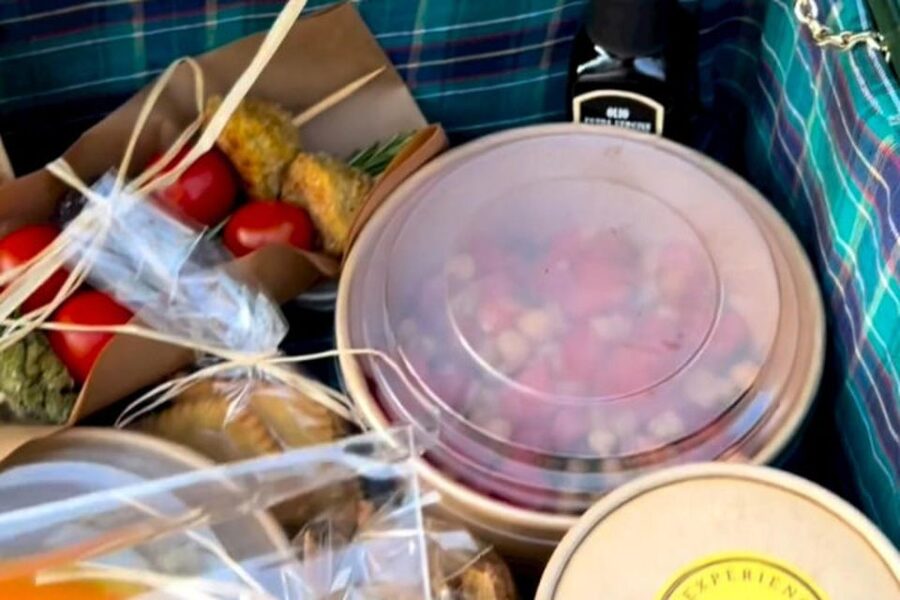
Now for the part your stomach will remember. On arrival, you receive a picnic basket with local products and more, paired with the flavored oils. The tour includes:
- Extra virgin olive oil tasting with the guide
- A picnic among the olive trees with the basket, food, wine, and water
The big feature is the 7-tasting picnic setup. The oils aren’t just sampled alone. They come with seasonal local delicacies, designed as pairings rather than random bites.
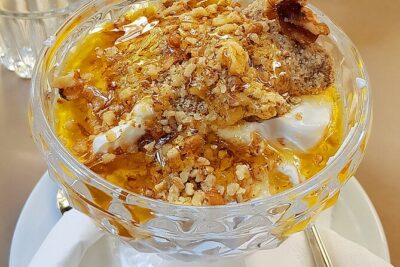
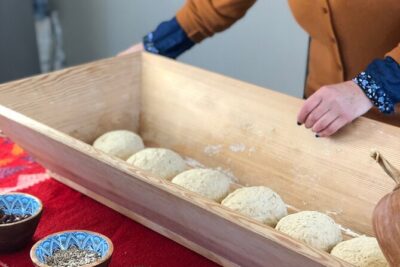
From what I’ve seen described, the food side often includes Sardinian staples like pane carasau (a crisp flatbread), along with items such as pecorino and salsiccia, plus wine. That kind of pairing helps you taste in context: salty, fatty, and savory foods can make different oil flavors pop in your mouth.
You also have dietary needs covered—vegan, gluten-free, and lactose-free options are available if you specify them when booking. That’s not always offered on small regional food experiences, so it’s worth planning around if you need it.
Flavored oils: a fun Sardinian angle (and why it matters)
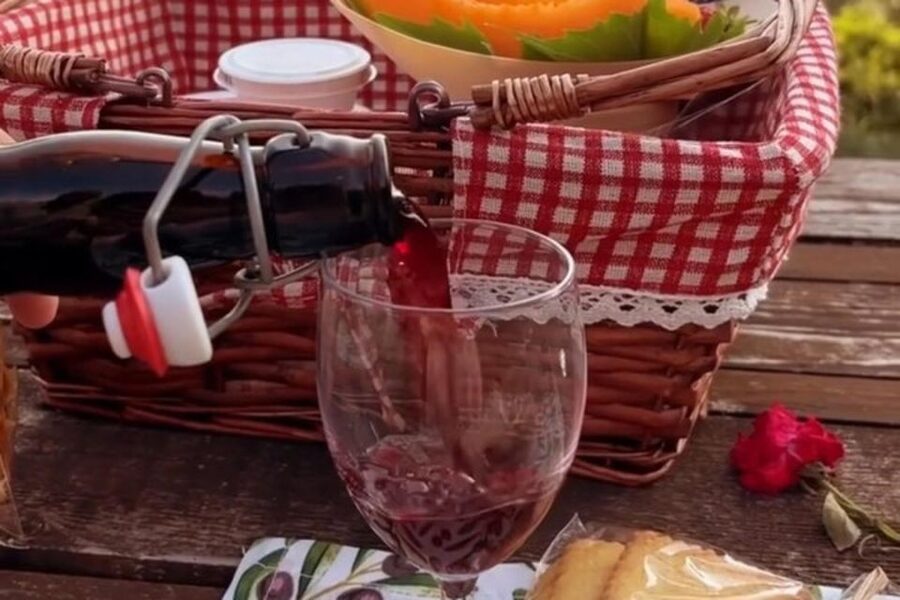
Tastings often focus on one extra virgin oil. This one also includes flavored oils, which you then pair with local products. If you normally think of olive oil as only for dipping bread, this is a great way to broaden your sense of how Sardinia uses oil.
Flavored oils can be a little polarizing if you want pure, single-ingredient tastes only. But used thoughtfully, flavored oils are a way to learn about the farm-to-table habits of the region—how seasonal ingredients and local culinary traditions show up in everyday eating.
I’d approach the flavored part like a guided experiment. Try them with each pairing, then take a second bite without forcing comparison. The goal is to notice how the oil changes the food and how the food changes your perception of the oil.
Price and duration: does $81 buy real value here?
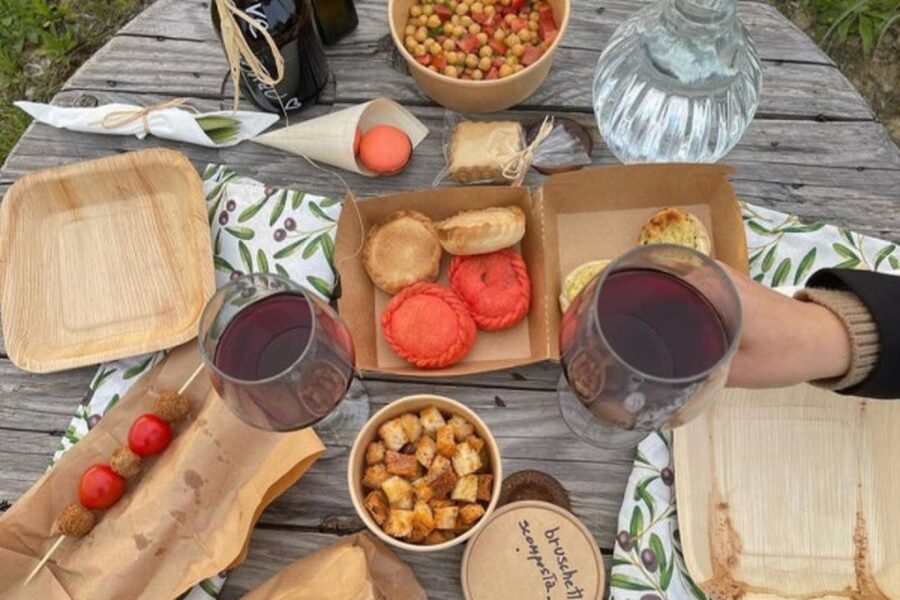
At about $81 per person for 1 hour, you’re paying for:
- A guide who explains olive oil tasting
- Museum-style production history
- Small-group attention
- Food and wine included
- Multiple oil tastings (including flavored options)
Is it a long, slow meal? No. It’s a short, structured session. But for a countryside tasting that includes both education and a multi-part picnic, $81 can feel fair—especially with wine and a full basket included.
Where the value can wobble is when you expect to watch the oil being made right there. If you come hoping for a full operational mill tour every time, one review suggested that the factory may be closed at certain times (and sometimes production details aren’t visible). If your priority is hands-on milling, double-check seasonality before you go.
Languages, group size, and the Q&A factor
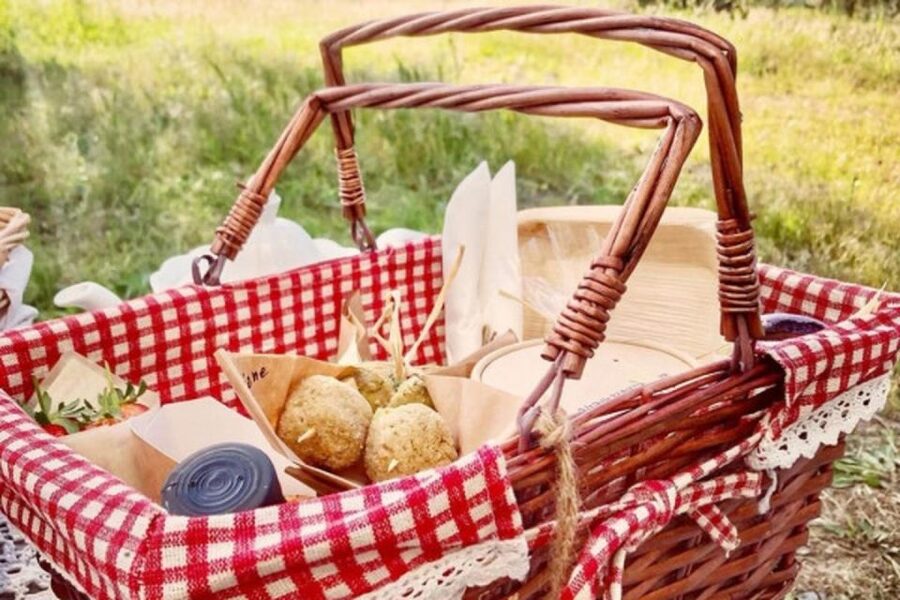
The instructor works in Italian and English, and the group is limited to 8 participants. That size is key. In a larger group, tastings turn into a lecture. Here, it’s easier to ask follow-up questions and compare your notes.
One positive account highlighted a guide named Giuseppe, described as friendly and entertaining, with clear answers about olive trade and olive processing. That lines up with what you want from a tasting: not only instructions, but conversation.
Language smoothness can vary. One review mentioned that English wasn’t always strong and that some parts relied on translation tools. If you’re an advanced olive nerd who needs very specific terminology in English, be prepared for moments where explanation may be simplified.
Still, the core is sensory and practical—so even if your language flow isn’t perfect, you should be able to follow the tasting and pairings.
What to bring, and how to make the most of the hour
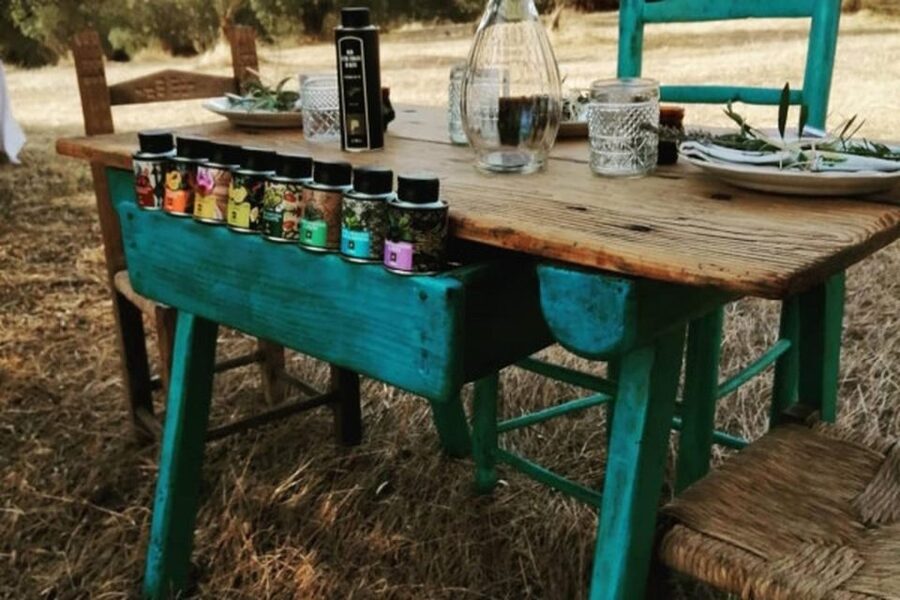
This tour is built around tasting and eating outdoors. I’d plan for that.
- Wear comfortable shoes for walking among the trees. You don’t need hiking gear, but you might be on uneven ground.
- Go in hungry enough for the picnic basket. It’s not just crackers and a sip.
- If you care about specific dietary needs, write them clearly when booking (vegan, gluten-free, lactose-free). The tour says options are available when specified.
Most important: treat the tasting like a mini class, not like a souvenir stop. Ask what the difference is between the oils you’re trying. Ask what changes the flavor. Those questions are usually the fastest path to a meaningful experience.
Should you book Sardinian Olive Oil tasting and Picnic among olive trees?
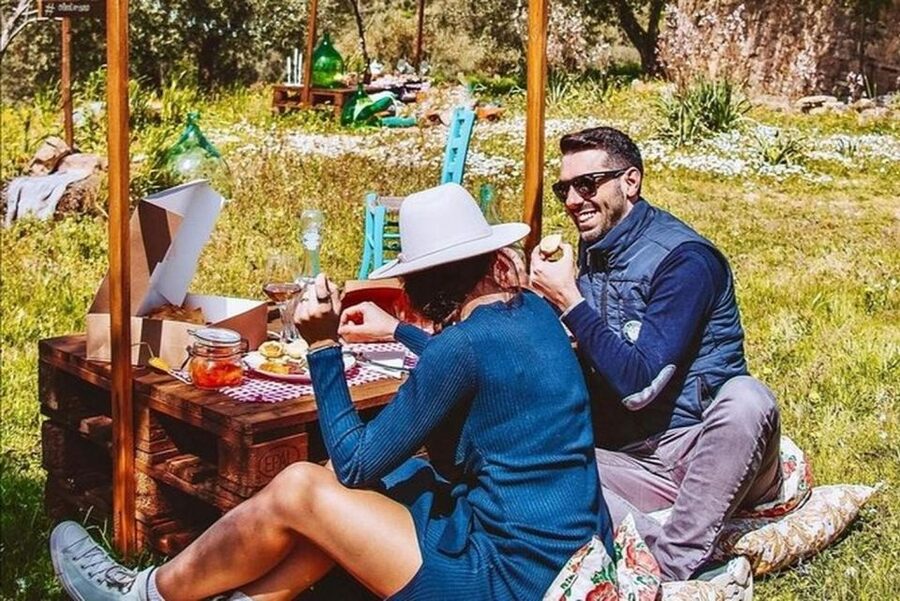
Book it if you want a short, high-quality sampler of Sardinian olive oil culture—history, tasting technique, and a real picnic with wine. The small group size and the museum context make this feel more educational than a simple store tasting.
Consider skipping or adjusting expectations if your main goal is to watch the mill in full operation. Seasonal timing and site setup can affect what you actually see. Also, because there can be confusion around date logistics, make sure you’re matching the correct meeting time to the correct date shown in your booking.
If you’re doing a Sardinia food trip, this is a strong add-on. You’ll leave with a better sense of how olive production evolved, plus a handful of flavors you can talk about at dinner back home. And yes—you’ll probably want to buy a bottle or two afterward. That’s part of the culture here.
FAQ
How long is the Sardinian olive oil tasting and picnic?
The activity lasts about 1 hour.
Where is the meeting point?
The meeting point is Sa Mola oleificio, località Figarba, 08030 Escolca, Province of Cagliari.
What does the tour cost?
The price is listed as $81 per person.
How big is the group?
It’s a small group, limited to 8 participants.
What languages are available?
The instructor offers Italian and English.
What’s included in the experience?
You get an extra virgin olive oil tasting with a guide, plus a picnic basket among the olive trees that includes food, wine, and water.
What is the 7-tasting picnic?
The picnic includes a variety of local products paired with the flavored oils, described as a 7-tasting picnic of local delicacies.
Are dietary options available?
Yes. Vegan, gluten-free, and lactose-free options are available if you specify them in the notes when booking.
Is there free cancellation?
You can cancel up to 24 hours in advance for a full refund.
Can I reserve without paying right away?
Yes, there’s a reserve now & pay later option.