REVIEW · AIX EN PROVENCE
Self tour of the olive oil mill & olive oil tasting
Book on GetYourGuide →Operated by MOULIN BASTIDE DU LAVAL · Bookable on GetYourGuide
Olive oil has a smell test. In the Luberon, you’ll tour a working modern olive mill at a family producer, then taste oils and local specialties in a way that makes the whole process click.
Luberon air, shop-basement aromatics, and machines you can actually see are the point here.
I especially love two things: the self-guided mill walk with info sheets that explain what you’re looking at, and the tasting that walks you through olive oil by style (green fruity, ripe fruity, matured, and even flavored).
It’s one of those experiences where you leave with language for what your nose is picking up.
One consideration: the visit is about 1 hour, so if you want the optional olive grove stroll with views, you’ll need to time it right.
In This Review
- Key things to know before you go
- Finding Moulin Bastide du Laval in Provence’s Luberon
- The self-guided mill tour: machines, extraction methods, and quick comprehension
- The tasting: learn by smell and style, not just by name
- Tapenade and olive delight: what you take home actually matches the flavor lesson
- Optional olive grove stroll: timing it so you get the views
- Price and value: why €5-ish feels fair for what you learn
- Best for: who will enjoy this most (and who might not)
- Practical tips so you get the most from your hour
- Should you book Moulin Bastide du Laval’s olive oil mill and tasting?
- FAQ
- How long is the olive oil mill self-tour and tasting?
- Where does the tour start and end?
- What’s included in the price?
- What languages are available?
- Is the experience wheelchair accessible?
- Can I cancel if plans change?
Key things to know before you go
- Modern mill tour: You’ll see the machines and learn the extraction methods using on-site material.
- Olive oil variety tasting: Expect a lineup that includes green fruity, ripe fruity, matured, and flavored oils.
- More than olive oil: The tasting also includes other products like wines and spread.
- Tapenade payoff: You get to choose your take-home tapenade (or olive delight).
- Optional grove walk: You can extend the visit with a stroll in the olive grove overlooking the Luberon.
Finding Moulin Bastide du Laval in Provence’s Luberon
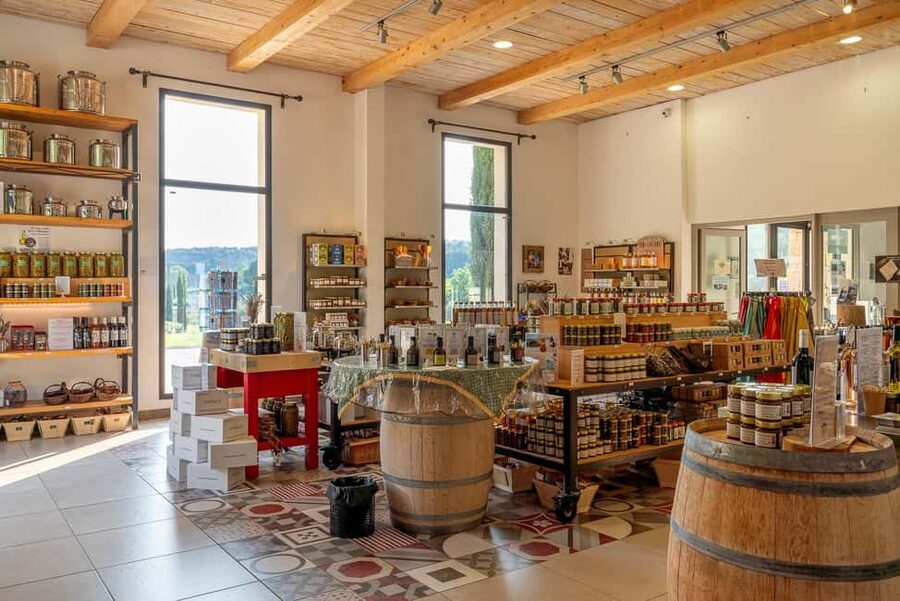
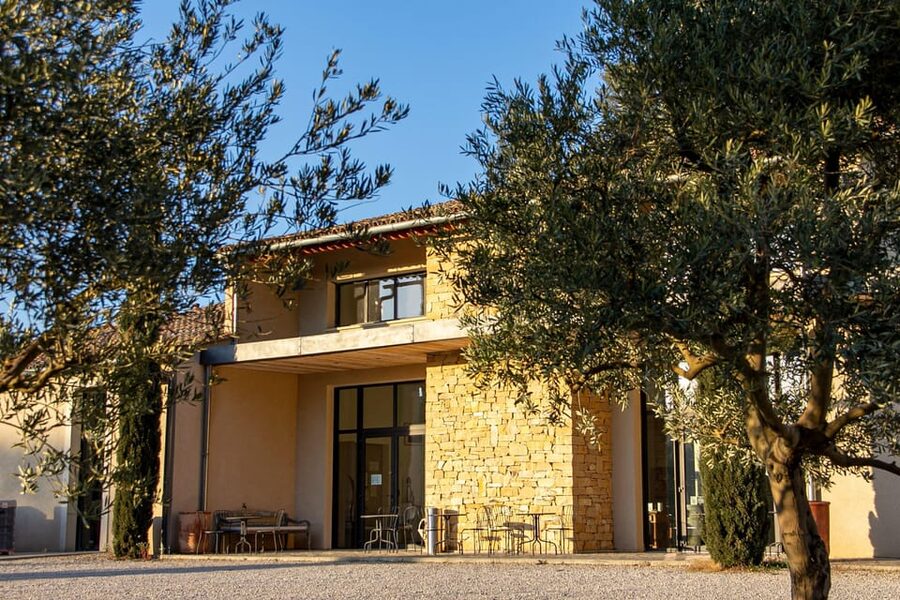
This stop is based in the Luberon Regional Nature Reserve, in the north of Aix-en-Provence—about 30 minutes away. That matters because it frames the experience as more than a shop tasting. You’re at a working producer in a rural setting, and the olive-growing story is the backdrop.
You’ll start and end at their store at the meeting point, which keeps things simple. No complicated transfers. No “meet in the far corner.” You arrive during opening hours, go straight into the mill portion, and then you finish in the tasting area with your pick-up.
Language support is solid. A host or greeter is there in English and French, and you also get an audio guide option in English, French, and German. Even if you stick to the on-site material, the audio helps you connect what you see in the mill to what it means in the final oil.
Also, the price is low enough that you can treat it like a smart add-on day activity—not a big splurge. For the time you get (about an hour), it’s very “Provence practical.”
The self-guided mill tour: machines, extraction methods, and quick comprehension
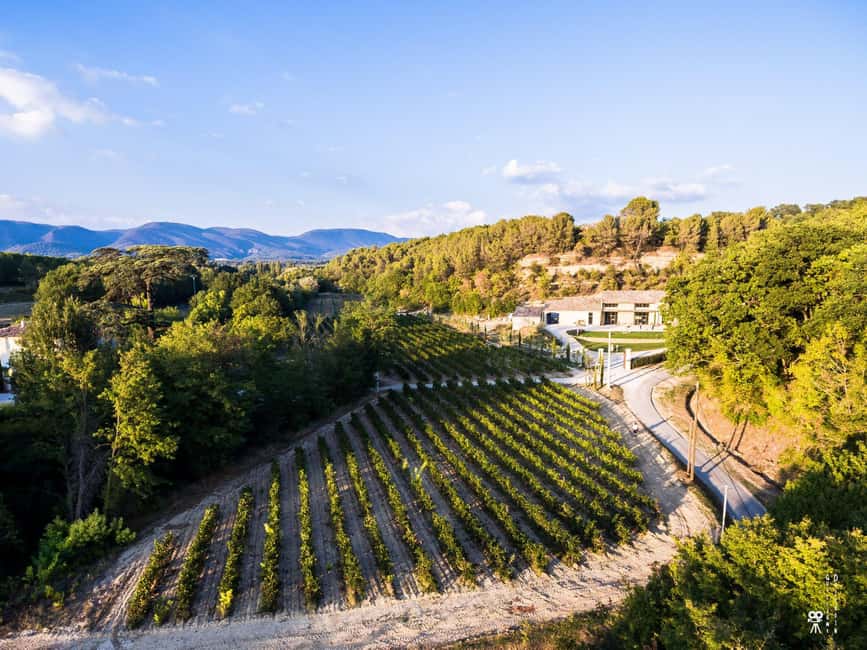
This is the heart of the visit: a self-guided tour through a modern olive oil mill. Instead of just walking past equipment, you’re given information sheets on the machines and the extraction methods. That’s a big deal. Olive oil isn’t magic. It’s process.
What you’ll focus on during this part:
- What’s happening from fruit to oil
- How the mill’s workflow turns olives into different finished styles
- Why modern equipment exists alongside traditional know-how
Because it’s self-guided, you can control your pace. If you like reading, you can linger on the machines. If you just want the essentials, you can keep moving. The audio guide being available in multiple languages gives you a back-up if you want a more guided explanation without joining a full group tour.
The setting is also helpful for first-time visitors. You’re not trying to decode an olive museum—you’re looking at a working production space. That makes the learning feel grounded. You’ll walk out with a clearer idea of what extraction means, and how timing and processing choices can affect the character you later taste.
Potential drawback here is not the content—it’s your energy. If you’re the type who hates reading while walking, you’ll want to look for a couple “anchor” machines and let those guide the rest of your understanding. The experience works best when you treat the mill tour like a short self-study session.
The tasting: learn by smell and style, not just by name
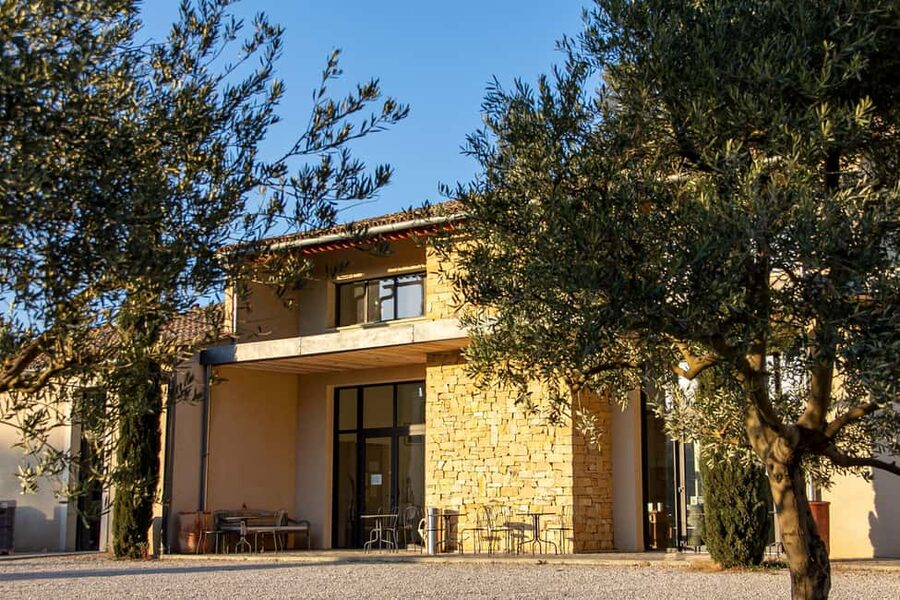
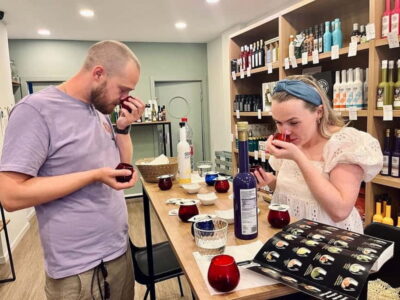
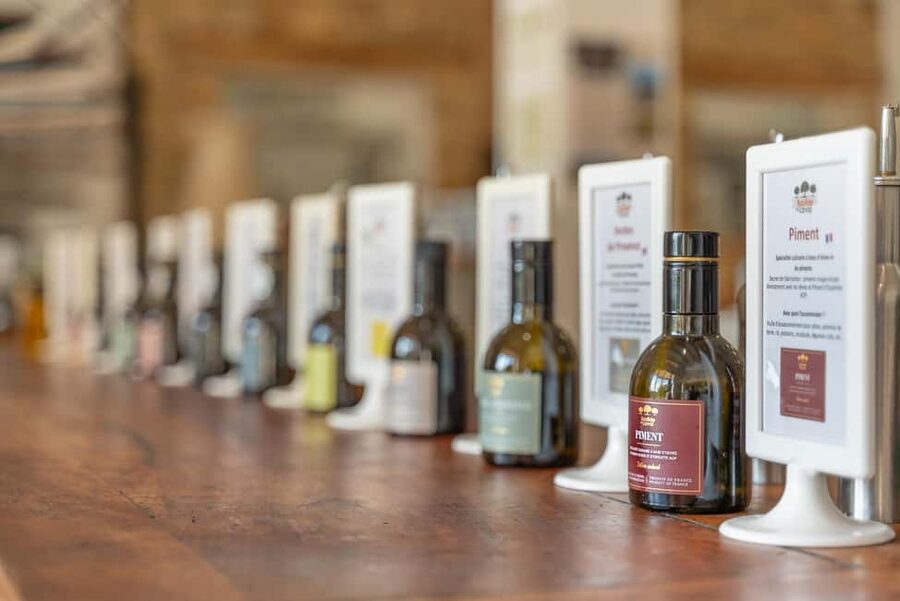
After the mill walk, you shift gears into the fun part: a commented tasting. A team member explains the oils as you taste. The lineup is built to help you learn through contrast.
You’ll sample multiple olive oil styles, including:
- Green fruity olive oil
- Ripe fruity olive oil
- Matured olive oil
- Flavored olive oil
That order is more useful than it sounds. Green fruity oils tend to feel more assertive and fresh in aroma, while ripe fruity oils often read as rounder. Matured oils usually come across as more mellow and softer in profile. Flavored oils are a different category—more about intended flavor direction than the base olive profile.
As you taste, don’t rush. Take a breath before the sip and then after. With olive oil, the aromas can hit fast, and they often change as the oil warms in your mouth. If you’re used to buying oil mainly by label, this is where you start thinking like a taster: you’ll connect what you smell to what you taste.
And yes, you’ll also taste other products at the same session. They include:
- Wines
- Spread (and related items)
This matters because it turns the tasting into a broader local-food snapshot. Provence isn’t only olive oil; it’s how olive oil shows up alongside wine, spreads, and everyday flavors.
Tapenade and olive delight: what you take home actually matches the flavor lesson
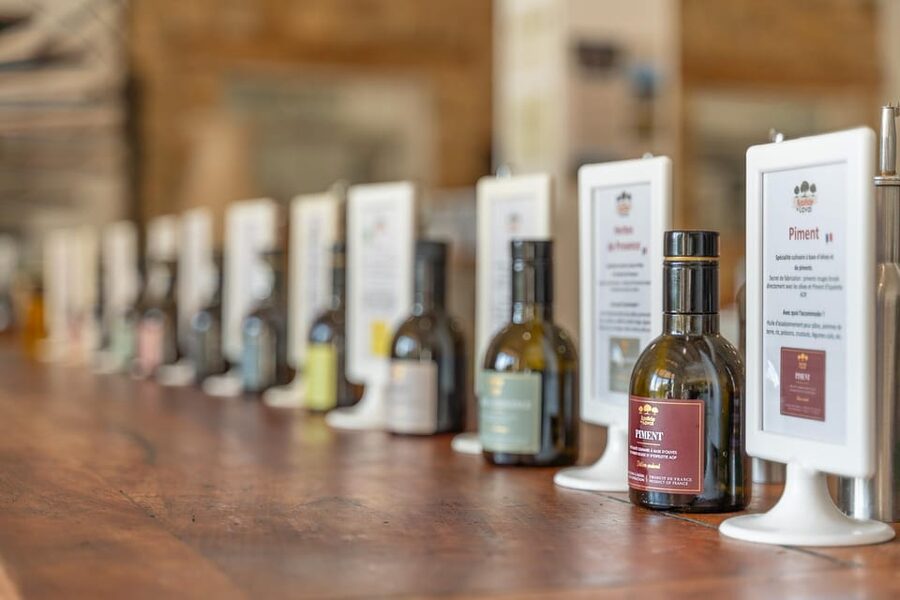
At the end of the tour, you’re offered a tapenade (or olive delight) of your choice. The options listed are:
- Green tapenade
- Black tapenade
- Provencal olive delight
- Pistou olive delight
This is a smart “learning loop.” You taste multiple olive profiles and then you choose a take-home product tied to what you liked. If you preferred a fresher, more “green” character during the tasting, you’ll likely lean toward the green tapenade. If you found the deeper style more satisfying, black tapenade may fit better.
Practical tip: if you’re traveling in hot weather, keep your take-home item protected and plan where you’ll store it. Tapenade and olive spreads can be sensitive to heat quality. (Even when the product is shelf-stable, keeping it cool makes it better when you actually eat it.)
Also, because you’re choosing your take-home item on-site, you’re not stuck with a surprise. That’s good value, because it means you can match the product to your palate rather than buying blindly.
Optional olive grove stroll: timing it so you get the views
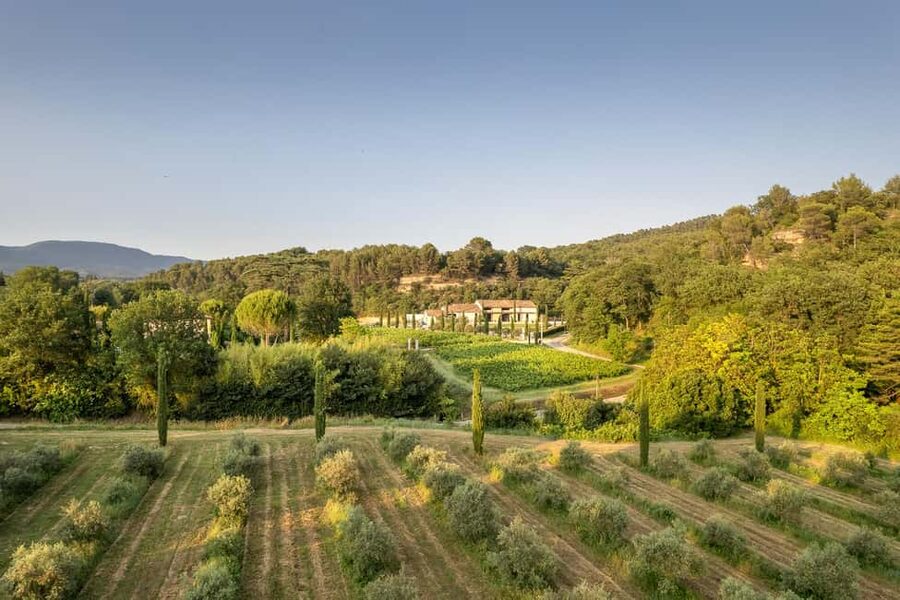
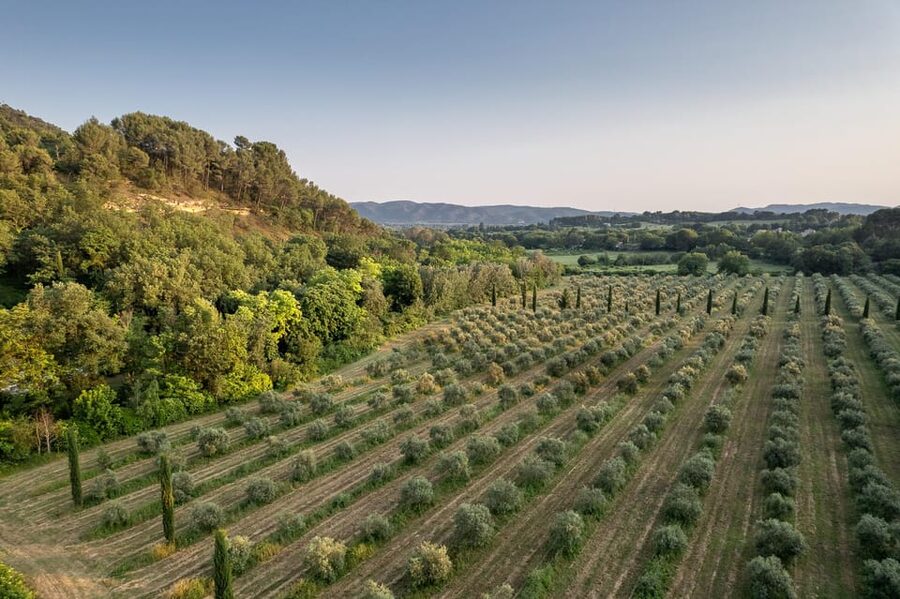
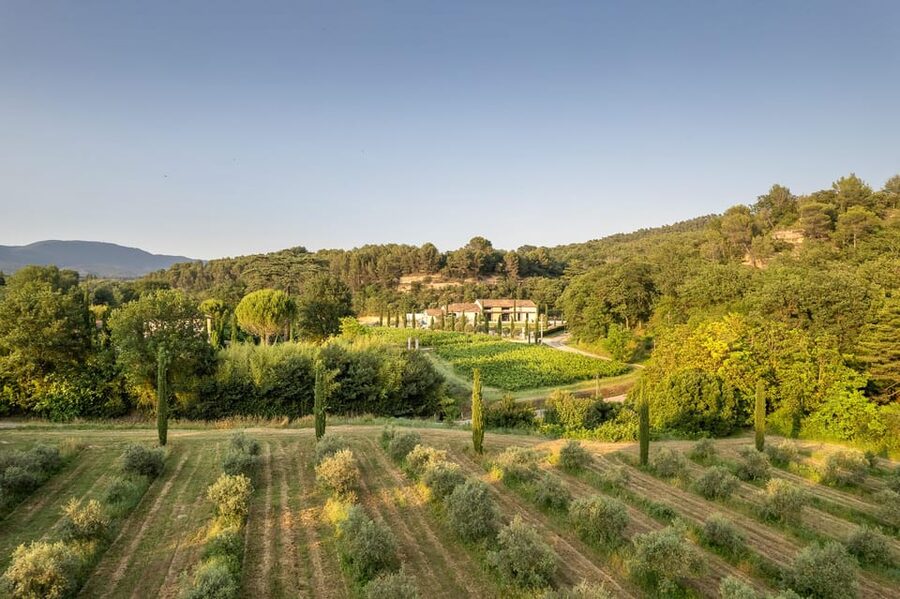
There’s an optional extension: a stroll through the olive grove overlooking the Luberon. This is where your understanding gains a little atmosphere. The tasting taught you about olives and oil; the grove walk puts you back in the geography behind it.
The key is time. The overall activity duration is listed as about 1 hour, so if you want the stroll, you’ll need to manage your pace during the mill and tasting parts. If you run slow reading every sheet, the grove walk can get tight. If you keep the first part moving and stay present during the tasting, you’re more likely to fit it in.
I like this option because it makes the experience feel complete. You’re not leaving with just flavors and facts. You’re also leaving with a sense of place—olive trees, a producer’s yard, and a view over the Luberon.
One warning, not a dealbreaker: if you’re visiting when it’s very hot, you may want to shorten the grove portion and focus on the mill and tasting. You’ll still get the main value.
Price and value: why €5-ish feels fair for what you learn
The price is listed as $6 per person (and the included price is 5€). At this level, you’re basically paying for three things:
- Access to the modern mill tour
- A guided tasting that includes not just oils, but also wines and spread
- A take-home tapenade/olive delight you choose
Many food experiences in Provence charge far more for either a short tasting or a guided explanation. Here, the structure is efficient. You get the production-side learning first, then the tasting second. That reduces the usual “I tasted stuff but I don’t know what I’m tasting” problem.
So the value is strongest if you:
- want a quick, meaningful food education
- enjoy tasting and comparing
- like leaving with something you’ll actually use (tapenade)
It’s less ideal if you want a long, wandering, multi-hour tour with lots of hiking or a big sit-down meal. This is designed to be compact and focused. Think of it like a high-impact lesson rather than a full-day excursion.
Best for: who will enjoy this most (and who might not)
This experience fits best for you if you enjoy hands-on learning without the stress of complex logistics. It’s also great if you’re a food shopper who wants to buy with confidence. After you’ve tasted green fruity versus ripe fruity versus matured, you’ll be better at choosing the right style for the way you cook.
You’ll probably feel at home here if:
- olive oil is on your daily cooking list
- you like tasting different versions rather than just buying one favorite
- you want a short stop that fits into a Provence day
It might be less satisfying if you want deep technical detail from a lecturer. The mill part is self-guided with information sheets, and the tasting is commented, but this is still a compact visit. You won’t get a long, classroom-style explanation. You’ll get a practical, sensory understanding—fast.
Practical tips so you get the most from your hour
A few things will help you get a better result from your visit time.
- Pace the mill reading. Pick up the core “how it works” cues from the info sheets, then keep moving.
- Taste like a scientist, not like a race. Smell, sip, then notice changes as it warms.
- If you want the grove walk, keep an eye on time early. Don’t wait until the end to decide.
- Ask the team member which oils match certain foods if you can. The tasting is commented, and that kind of translation helps you go home with real usage ideas.
- Bring back-up storage in your mind. You’ll leave with a tapenade or olive delight—plan how you’ll carry it.
Because the host or greeter speaks English and French, you’ll be able to ask questions without feeling lost. And with the audio guide in English/French/German, you have multiple layers of explanation if you prefer one format over another.
Should you book Moulin Bastide du Laval’s olive oil mill and tasting?
Book it if you want a short, high-value Provençal food stop that teaches you how olive oil is made and why it tastes different. The combo of mill machines + guided tasting + take-home tapenade choice is exactly the kind of practical experience that feels worth your time and money in Provence.
Skip it only if you want a long tour with heavy hiking, or if you know you won’t enjoy self-guided reading while you walk through the mill. For everyone else—especially first-time olive oil buyers—this is an easy yes.
FAQ
How long is the olive oil mill self-tour and tasting?
The experience is listed as 1 hour. Starting times depend on availability.
Where does the tour start and end?
You start at their store and the activity ends back at the same meeting point.
What’s included in the price?
The price includes a self-guided olive oil mill tour with information sheets, a guided tasting of different olive oils, tasting of other products like spread and wines, and a tapenade (or olive delight) of your choice.
What languages are available?
The host or greeter is available in English and French. An audio guide is included in English, French, and German.
Is the experience wheelchair accessible?
Yes, it is listed as wheelchair accessible.
Can I cancel if plans change?
Free cancellation is available up to 24 hours in advance for a full refund.