REVIEW · JABALQUINTO
Jaen: Olive oil tour with the 5 senses, grove and tasing
Book on GetYourGuide →Operated by AIRES DE JAEN · Bookable on GetYourGuide
Olive oil tours can feel like lectures. This one feels more like walking a working farm with five-sense focus, then proving what you learned at a real tasting in Jaén’s countryside. You visit the Aires de Jaén estate in Jabalquinto, stroll through the groves at Finca Badenes, and finish at the oil mill and tasting area with a guided, hands-on approach.
I especially like how the guide breaks down the differences between super high density, intensive, and traditional olive cultivation in three separate plantations. And I like that the extra virgin tasting is led by professionals from the Aires de Jaén laboratory, so it stays grounded in how quality is actually assessed. One small drawback to plan for: the meeting point is in the estate’s office complex, so you’ll want to find that specific spot rather than assuming it’ll be only outdoors.
In This Review
- Key points before you go
- Aires de Jaén in Jabalquinto: what kind of olive oil experience this is
- The grove walk at Finca Badenes and the 3 farming styles you’ll notice fast
- Oil mill time: how extra virgin is made using mechanical steps
- The 5-senses organoleptic tasting with laboratory professionals
- Uses of olive oil varieties: what to do with this knowledge later
- Price and timing: is $23 for 2 hours good value?
- What to bring and how to make the day feel smooth
- Who should book this olive oil tour in Jaén
- Should you book the Jaén olive oil tour?
- FAQ
- How long is the olive oil tour?
- Where is the meeting point?
- What’s included in the price?
- Is lunch included?
- What languages are available for the guide?
- Is the tour wheelchair accessible?
- What should I bring?
- Is there free cancellation and a reserve option?
Key points before you go
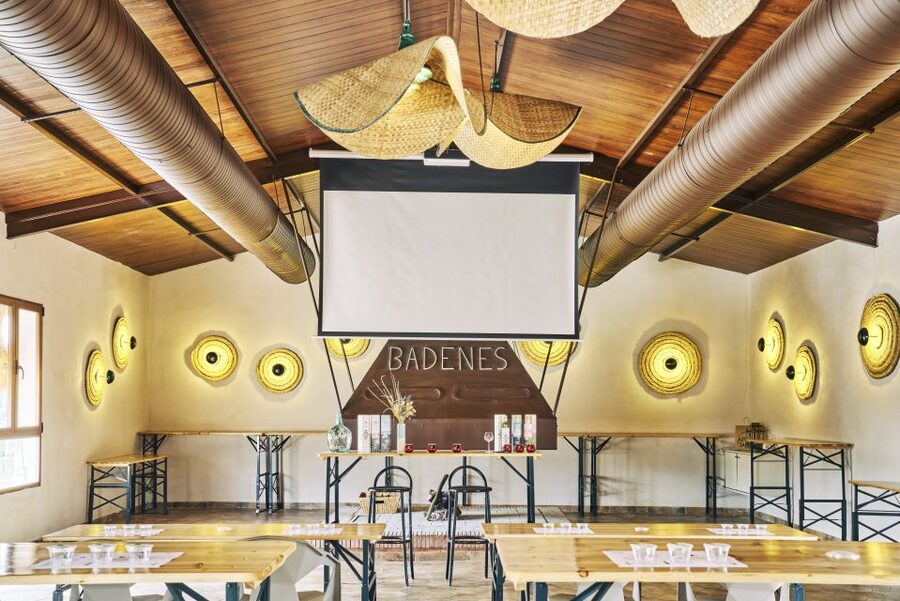
- Finca Badenes grove walk that turns olive trees into a real, living lesson
- Three plantation styles: super high density, intensive, and traditional
- Oil mill visit focused on the mechanical steps to produce extra virgin
- Organoleptic tasting led by professionals from the Aires de Jaén laboratory
- Tapas included, so the tour ends with something to nibble
Aires de Jaén in Jabalquinto: what kind of olive oil experience this is
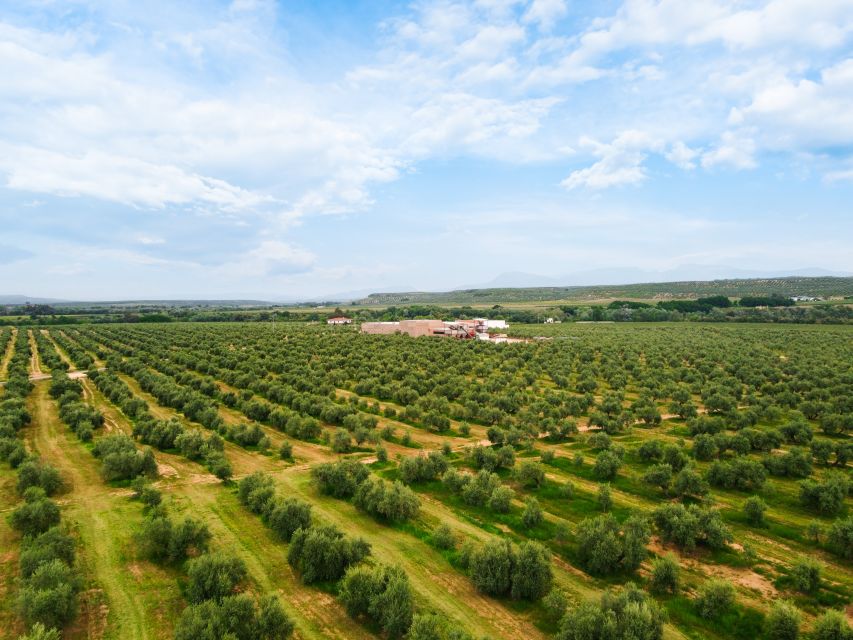
This isn’t just a pretty walk. You’re touring a working olive estate—Aires de Jaén in Jabalquinto—where you can see how olives are grown, how an oil mill processes them, and how quality is judged using the senses. The whole thing is built around the idea that olive oil isn’t only about taste; it’s aroma, texture, and balance too.
The format also matters. You have a guided route that moves from groves to the oil mill and then to a tasting session, all within about 2 hours. That time is long enough to learn the basics and still short enough that you’re not stuck in a half-day commitment.
If you’re deciding between this and a generic olive oil shop visit, you’ll feel the difference quickly. Here, you go from trees in the ground to production steps and then to a tasting with laboratory professionals.
The grove walk at Finca Badenes and the 3 farming styles you’ll notice fast
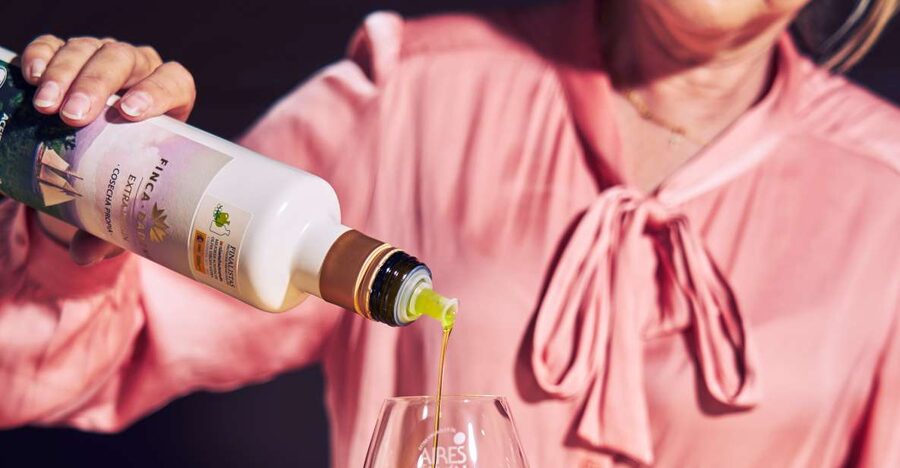
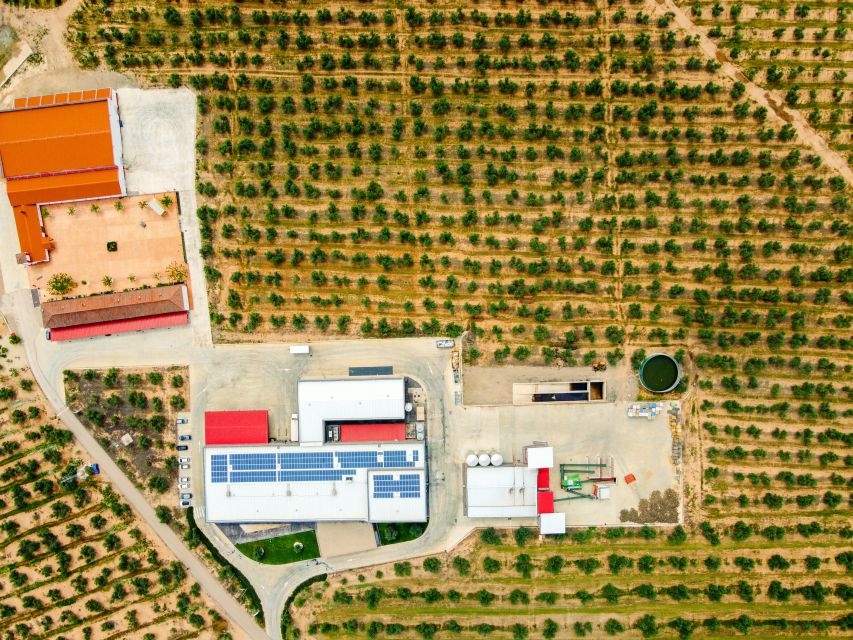
Your tour starts outdoors with a guided walk through the estate’s olive groves at Finca Badenes. This is where the tour earns its name in a practical way: olive trees are only half the story. The other half is how the farm manages spacing, cultivation style, and growing conditions.
You’ll visit 3 different plantations, and each one practices a different form of cultivation. The guide specifically compares super high density, intensive, and traditional farming methods. You’re not just hearing definitions—you’re seeing how the orchard is set up and learning what those differences mean for how olives are handled over time.
Here’s why that’s valuable for you, not just interesting trivia. When you understand cultivation style, you start to connect the dots between how olives are grown and what ends up in the bottle. You’ll also be better at reading olive oil labels and talking to shopkeepers without sounding like you memorized marketing.
What to watch for during the walk:
- Pay attention to how the orchard is arranged, because spacing and structure often reflect the cultivation method.
- Use the guide’s explanations to interpret what you see rather than trying to guess from appearances alone.
- Bring your senses online—sun, shade, air movement, and the general feel of the farm can make the later tasting easier to understand.
The grove walk is also a good “reset” part of the day if you’re already sightseeing in Jaén. It gets you out of town, puts your feet on real farm ground, and keeps the learning active.
Oil mill time: how extra virgin is made using mechanical steps
After the groves, you move to the oil mill area. This part is focused on the mechanical process of obtaining extra virgin olive oil—so you can connect the dots between cultivation and production.
Even if you’ve never toured an oil mill before, you’ll get a clear picture of how olives move from farm to processing. The main point here is not fancy machinery facts; it’s understanding the workflow behind extra virgin production before you taste anything. When you know what happens after harvesting, you taste with more intention.
A practical way to get the most out of this stop is to ask yourself what stage each detail belongs to: what the farm does, what the mill does, and what quality testing later tries to detect. You don’t need a chemistry degree. You just need the chain of steps in your head.
One more reason this works: seeing the mill makes the tasting section feel earned rather than random. You’re not just sampling oil because it’s offered. You’re sampling after learning how it comes to exist in the first place.
The 5-senses organoleptic tasting with laboratory professionals
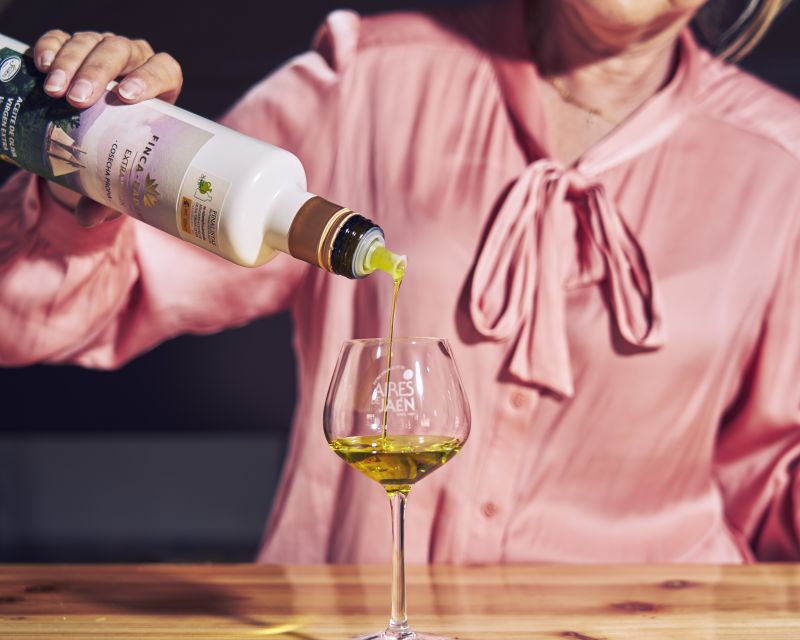
The final part is the most fun—and the part that often sticks with you the longest. You’ll join professionals from the Aires de Jaén laboratory and learn how to do an organoleptic (sensory) tasting.
This is where the tour’s “5 senses” theme makes sense. You’re not only asked what something tastes like. You’re guided through how to evaluate olive oil using your senses as tools. That can include aroma and mouthfeel, not just a quick sip and a yes/no verdict.
If you’ve ever bought olive oil in a hurry, this tasting will help you slow down. You’ll start noticing why some oils feel more balanced or why others come across stronger or fruitier. And because the session is guided by lab professionals, it feels more like a structured skill than casual sampling.
What you’ll likely take away:
- A better sense of how to describe what you taste (beyond “good” or “not my thing”)
- A clearer idea of what sensory evaluation tries to catch
- Confidence using your senses to judge quality
And don’t ignore the simple bonus: tapas are included. So when your brain gets full from learning, you get a chance to recharge and keep the vibe relaxed.
Uses of olive oil varieties: what to do with this knowledge later
A standout element is that the tour teaches you about the different uses of olive oil varieties. You’re not only learning how olive oil is produced. You’re learning how different types can be matched to real kitchen habits.
Even though the specific varieties aren’t listed in the details you provided, the concept is still practical. When you understand that olive oil isn’t one-size-fits-all, you start making better choices at home:
- You’ll think more intentionally about which oil you use for drizzling versus cooking.
- You’ll be less likely to buy one oil for everything just because it’s the most visible bottle.
- You’ll have language to ask questions in Spanish or English at a shop.
If your “olive oil education” on the road is mainly buying olive oil and hoping it’s good, this tour gives you a stronger foundation. You’ll leave with a sensor-based mindset, which means you can reapply the learning when you taste new bottles later.
Price and timing: is $23 for 2 hours good value?
At $23 per person for about 2 hours, this is a value-friendly option if you want real estate-farm context and not just a tasting stop. You’re paying for a guided estate visit, time in the oil mill area, a laboratory-led sensory tasting, plus tapas.
Here’s how to think about the value:
- You’re getting multiple “modes” in one slot: walk + production + tasting.
- The tasting is led by professionals tied to the operation, not only the tour guide.
- You also get food included, so you don’t have to scramble for a snack right after.
One consideration: since lunch is not included, plan to eat before or after. The tour includes tapas, but that’s not the same thing as a full meal.
Also, shoes matter. The route includes outdoor walking through the groves, then moving into the mill area. Comfortable shoes and water aren’t optional if you want the experience to feel easy, not stressful.
What to bring and how to make the day feel smooth
You’ll be happiest if you show up ready for outdoor time in Andalusia. The essentials are straightforward:
- Comfortable shoes
- Sunglasses and a hat
- Water
- Comfortable clothes
This matters because the grove walk is the start and it sets your pace. If you arrive underdressed for sun or with uncomfortable shoes, you’ll spend the first half of the tour thinking about your discomfort instead of absorbing the farming and tasting lessons.
One more small planning tip from what you learn on-site: the meeting point is at the estate’s office complex on the property. So if you’re the type who heads straight to the trees, slow down and first make sure you’re at the right meeting area.
Who should book this olive oil tour in Jaén
I think this tour fits best if you want:
- A guided education that stays practical
- A tasting that teaches you how to think, not just what to like
- A farm-to-bottle experience in a short time
It’s also a strong pick for couples and small groups who want to learn together and then keep the conversation going while you taste. And if you’re visiting Jaén and want a break from museums or viewpoints, this gives you a grounded, hands-on kind of sightseeing.
If you’re only looking for a quick taste with no interest in cultivation or production, you might find the farm walk and mill portion more than you need. But if olive oil is something you actually buy and use at home, the learning payoff is real.
Should you book the Jaén olive oil tour?
Yes, if you like structured learning plus a sensory payoff. At this price point, the combination of grove walk, oil mill visit, and a laboratory-guided organoleptic tasting gives you more than a typical tasting-only stop.
Book it especially if you want to understand olive oil beyond flavor words. The moment you connect cultivation style and production steps to how quality is evaluated, you’ll be able to shop and taste with confidence later.
Skip it only if you need a full meal experience (lunch isn’t included) or if you dislike guided walking. Otherwise, this is a smart, value-packed way to spend two hours in Jaén’s olive country.
FAQ
How long is the olive oil tour?
It lasts 2 hours.
Where is the meeting point?
Meet at the Aires de Jaén, S.L. estate in Jabalquinto.
What’s included in the price?
The tour includes an olive estate visit with a guide, an extra virgin olive oil tasting, tapas, and the olive oil tasting experience.
Is lunch included?
No, lunch is not included.
What languages are available for the guide?
The tour guide is available in Spanish and English.
Is the tour wheelchair accessible?
Yes, the tour is wheelchair accessible.
What should I bring?
Bring comfortable shoes, sunglasses, a hat, water, and comfortable clothes.
Is there free cancellation and a reserve option?
Yes. You can cancel up to 24 hours in advance for a full refund, and you can reserve now and pay later.