REVIEW · CORDOBA
Córdoba: Olive Oil Tasting Experience
Book on GetYourGuide →Operated by La Oleoteca de Córdoba · Bookable on GetYourGuide
Córdoba makes you taste smarter. In just 115 minutes at La Oleoteca de Córdoba, you learn how olive oil is produced, classified, tasted, and used, with hands-on work that goes well beyond the usual sampling. You’ll also get a personalized experience that mixes everyday picks with both flawed and top-quality oils, plus a Cordovan dessert at the end.
I love the organoleptic tasting training. You learn how to use your senses on purpose: aroma, flavor, and the kinds of positive attributes you should be able to detect (not just guess). I also love that the session doesn’t stop at theory; you finish by making a dessert in situ with extra virgin olive oil and cocoa.
One thing to consider: like any small, hands-on activity, it can be affected by last-minute operational issues. There’s at least one recorded case where the tasting was canceled after arrival, so it’s smart to double-check your time before you leave.
In This Review
- Key takeaways you’ll actually use
- Why Olive Oil Tasting in Córdoba Feels Different Than Just Sampling
- Where You Start: Calle Ángel de Saavedra and the Santa Ana Landmark
- From Field to Mill: How the Production Story Shapes the Taste
- Organoleptic Tasting Basics: Train Your Senses, Then Use Them
- Extra Virgin, Varieties, Intensities, and Maturation Explained in Real Glasses
- Defective Oils Included: Why That Part Actually Makes You a Better Buyer
- Turning Lessons into Dinner: How to Use Each Variety in Your Kitchen
- The Cordovan Dessert Moment: Extra Virgin Olive Oil and Cocoa
- What’s Included: Water, Bread, and a Pro-Led Experience
- Price and Value: Is $34 Worth 115 Minutes of EVOO Training?
- Who This Experience Suits Best (and Who Might Find It Too Much)
- A Quick Note on Hosts and the Tone of the Lesson
- If You Want to Buy Olive Oil: Think Like a Buyer, Not a Collector
- Should You Book This Olive Oil Tasting in Córdoba?
- FAQ
- Where does the Córdoba olive oil tasting start?
- How long is the experience?
- How much does it cost?
- What languages are available?
- What’s included?
- Is the activity wheelchair accessible?
- Is there a free cancellation window?
Key takeaways you’ll actually use
- Organoleptic basics: learn how to taste with your senses, not your opinions
- Positive attributes training: recognize what good extra virgin oil should show
- Field-to-mill production overview: understand how farming choices become flavor
- Defective oils included: taste flaws so you can spot them later
- Kitchen payoff: learn how to use different olive oil varieties and intensities
- Dessert with EVOO and cocoa: a fun, Cordoban twist that makes the learning stick
Why Olive Oil Tasting in Córdoba Feels Different Than Just Sampling
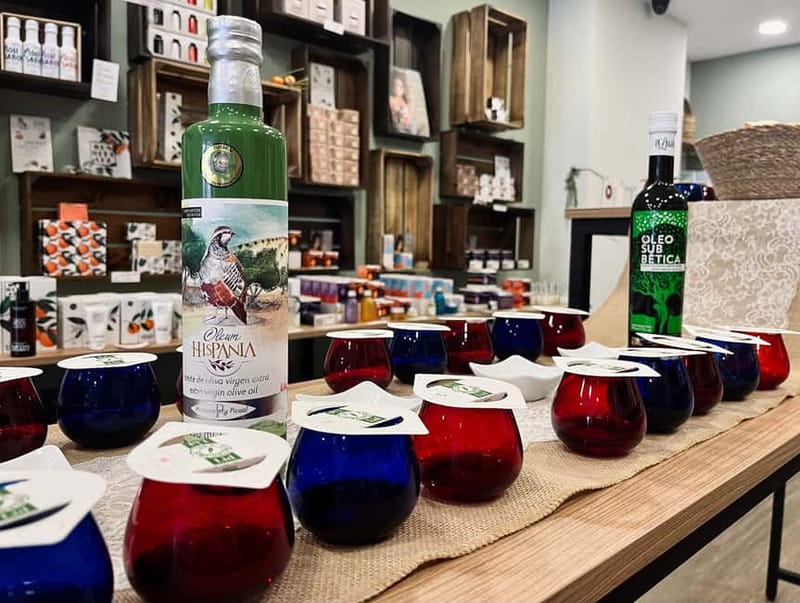
Olive oil tastings are common in Spain. What I like about this one is that it treats olive oil like food science you can taste, not like a trivia quiz. You’re not only learning what extra virgin means on a label. You’re learning how that standard shows up in real aroma and flavor.
Córdoba is a great backdrop for this kind of lesson. The experience starts in the city center, a few meters from major sights like the Judería area and the Cathedral Mosque zone. That matters because you can fit this into a day that already has walking plans, then come back for something indoor and sensory. It’s also a nice break if the heat makes you want shade and a slow pace.
Best of all, you don’t just taste a few oils and move on. You train your palate to make distinctions—varieties, intensities, and maturations of extra virgins—so you can shop and cook with more confidence.
You can also read our reviews of more tours and experiences in Cordoba.

Where You Start: Calle Ángel de Saavedra and the Santa Ana Landmark
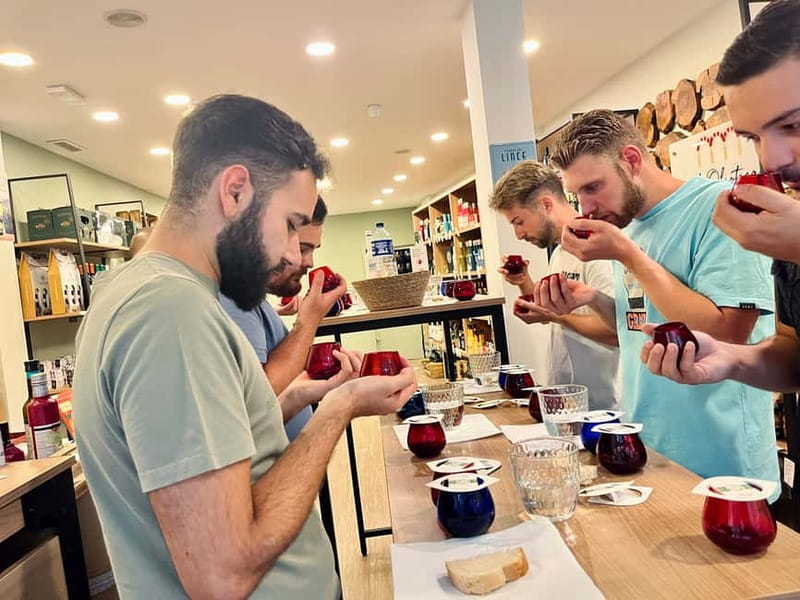
The meeting point is at the store on Calle Ángel de Saavedra nº8, directly in front of the imposing façade of the Church of Santa Ana. From there you’re close to the Judería and not far from the Cathedral Mosque area, so you can orient yourself fast even if you’re new to Córdoba.
This location choice is practical. If you’re doing sightseeing earlier, you can usually walk here without stress. And since it’s a shopfront setting, you’ll know you’re in the right place—no hidden entrances or “follow a staircase somewhere” moments.
From Field to Mill: How the Production Story Shapes the Taste
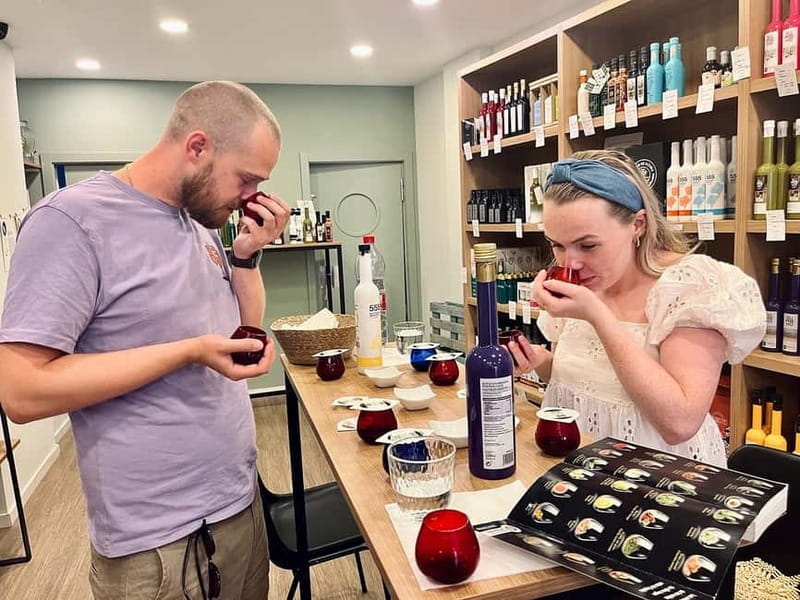
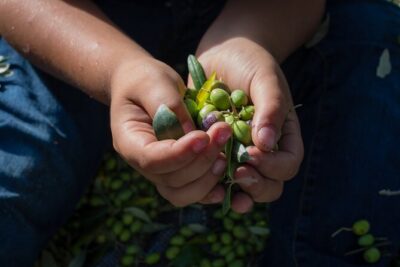
One of the biggest wins in this experience is that you connect flavor to process. You’ll look at the production chain from the field through the mill, and that’s where olive oil becomes more than a bottle on a table.
You’ll learn how olives go from growing conditions to the final oil in the glass. That helps you understand why two extra virgin oils can taste like completely different products. Farming choices, harvesting timing, and milling practices all influence the aromas you’ll notice during tasting.
Why this matters for you in real life: once you know how the oil is made, you stop treating “good olive oil” as one single taste. You start thinking in styles—brighter, greener, more mature, more intense—then you match that style to food instead of hoping it works.
Organoleptic Tasting Basics: Train Your Senses, Then Use Them
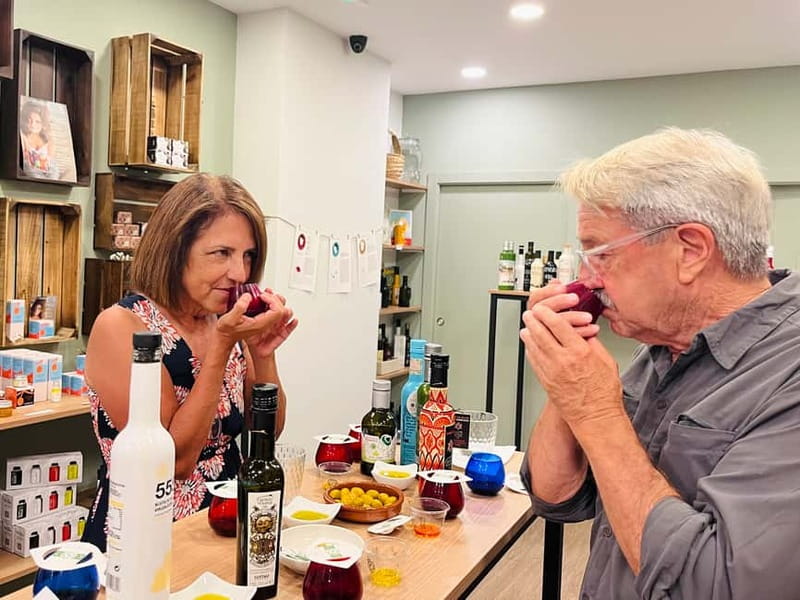
This is where the workshop turns interactive. You’ll learn the basics of how olive oils are tasted, focusing on organoleptic evaluation. That means you practice how to smell and taste like you’re evaluating a product, not just enjoying one.
The training is built around positive attributes—things a good extra virgin oil should show. Instead of only asking whether you like it, you’ll learn to detect characteristics that point to quality. You’ll also learn how to interpret intensities and how maturation can change what you experience in a spoonful.
A small but important point: this kind of practice is a skill. The first time you taste, everything can feel loud or confusing. After a short guided session, your brain starts grouping flavors. You’ll likely notice that you can explain what you’re tasting in simple terms: fruitiness, bitterness, and those peppery notes that show up when the oil is more assertive.
Extra Virgin, Varieties, Intensities, and Maturation Explained in Real Glasses
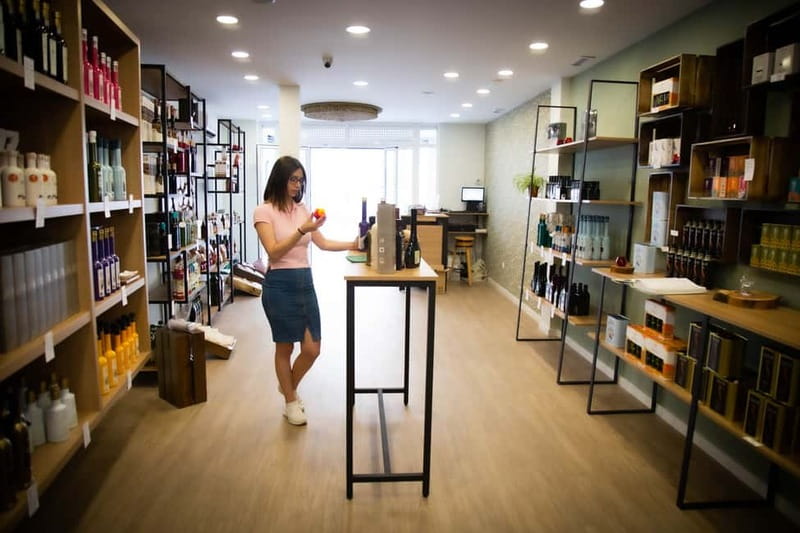
This experience leans into the details most people never learn. You’ll discover how oils are classified, and you’ll taste oils across the spectrum—from flawed samples to some of the best in the world.
That’s a smart approach. Tasting flawed oils teaches you what “wrong” tastes like, which makes the “right” ones easier to identify. It’s like learning to cook by tasting both a well-made dish and a dish that missed the point. Your senses improve faster that way.
You’ll also be guided through the idea of varieties and how they affect character. On top of that, you’ll explore intensities and maturations of extra virgins, so you can understand why an oil might taste more robust and green one season, then more mellow later. If you’ve ever bought olive oil and wondered why it didn’t taste the same next time, this part gives you language for the difference.

Defective Oils Included: Why That Part Actually Makes You a Better Buyer
Taste lessons are often too comfortable. You only taste what someone thinks you’ll enjoy. Here, you’ll also sample defective oils, which is a big deal if you plan to buy bottles later.
When you taste flaws in a structured way, you start picking up the signals of problems: the kind of off aromas and flavors that can happen when processing or storage goes wrong. Even without becoming an olive oil chemist, you gain something more useful: an instinct for whether a bottle seems clean and fresh.
And that feeds into value. If you’re spending money on olive oil, you want more than hype. You want to understand what you’re paying for and why that bottle should work on your table.
Turning Lessons into Dinner: How to Use Each Variety in Your Kitchen
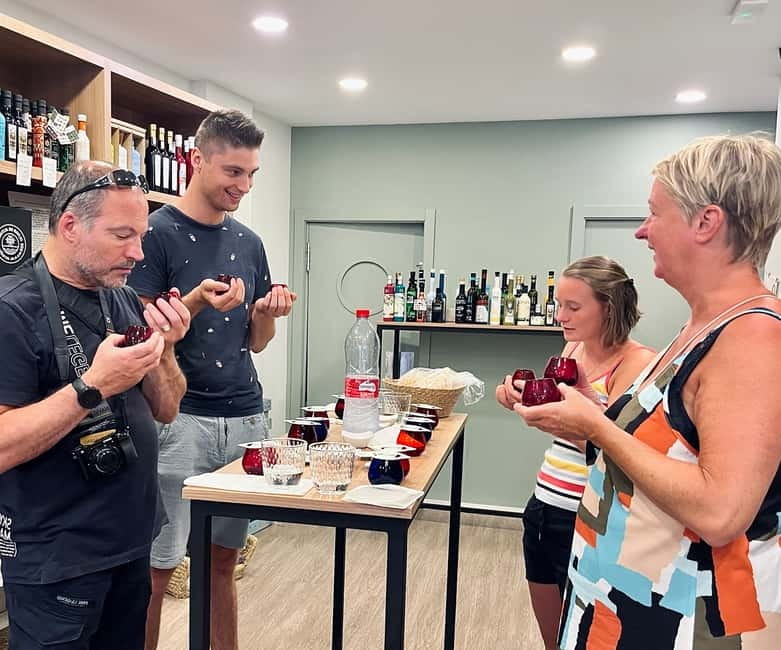
This is the part that makes the tasting feel like a workshop, not a lecture. You’ll learn how to use each olive oil variety in your kitchen, based on what you tasted—its intensity, its character, and how mature it is.
In practical terms, you’ll come away with a framework for choosing an oil based on the job you want it to do:
- A stronger, more intense oil can handle bolder flavors and stand up as a finishing touch
- A milder style can work better where you want olive oil flavor without overpowering the dish
You’re basically learning how to stop guessing. That alone can save you money over time, because you won’t keep buying random bottles and using them all the same way.
The Cordovan Dessert Moment: Extra Virgin Olive Oil and Cocoa
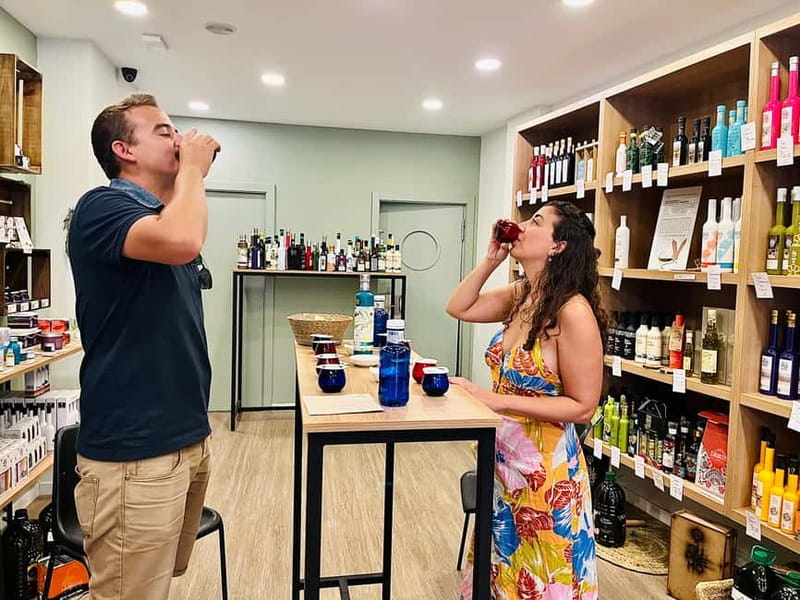
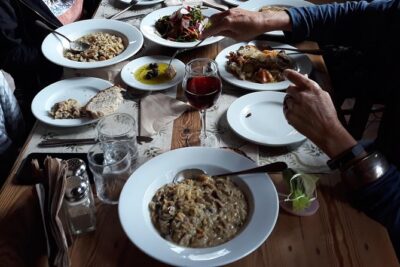
The finale is fun and a little surprising. After the tasting training, you’ll make a typical Cordovan dessert with extra virgin olive oil and cocoa, right there in the experience.
This is more than a gimmick. When olive oil shows up in dessert, you feel how versatile it is. You taste how its fruitiness and bitterness (when balanced) can work with cocoa instead of fighting it. And since the dessert is made in the setting of the workshop, the learning feels immediate. It’s the kind of activity that helps the tasting concepts stick in your head long after you’ve left.
Also, it’s a nice payoff after a sensory session. Your palate is already warmed up for flavor details. Then you get a sweet ending that keeps the mood light.
What’s Included: Water, Bread, and a Pro-Led Experience
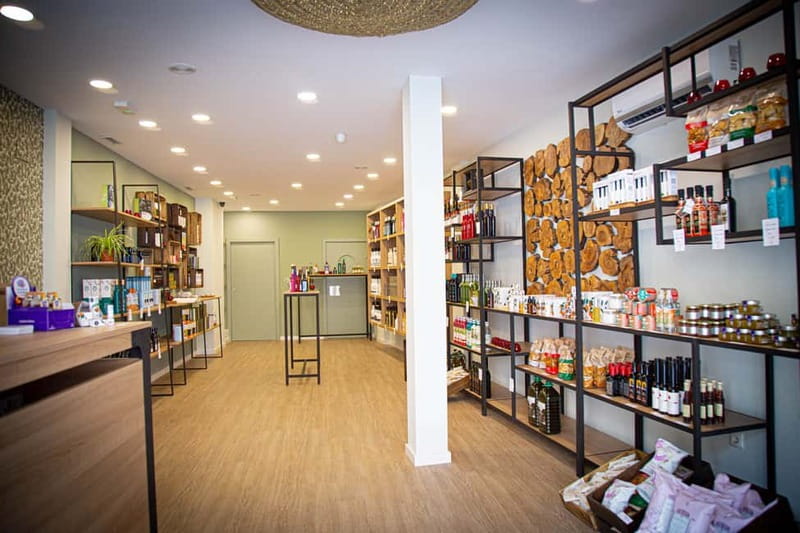
You get a professional team for the tasting, plus mineral water and bread. That sounds simple, but it supports the whole format. Water helps reset between samples, and bread gives you a neutral base so olive oil flavors don’t blur together.
The session is also instructor-led in Spanish and English. That matters if you want the explanation to match what you’re tasting, instead of reading a translation app while trying to evaluate aromas.
Price and Value: Is $34 Worth 115 Minutes of EVOO Training?
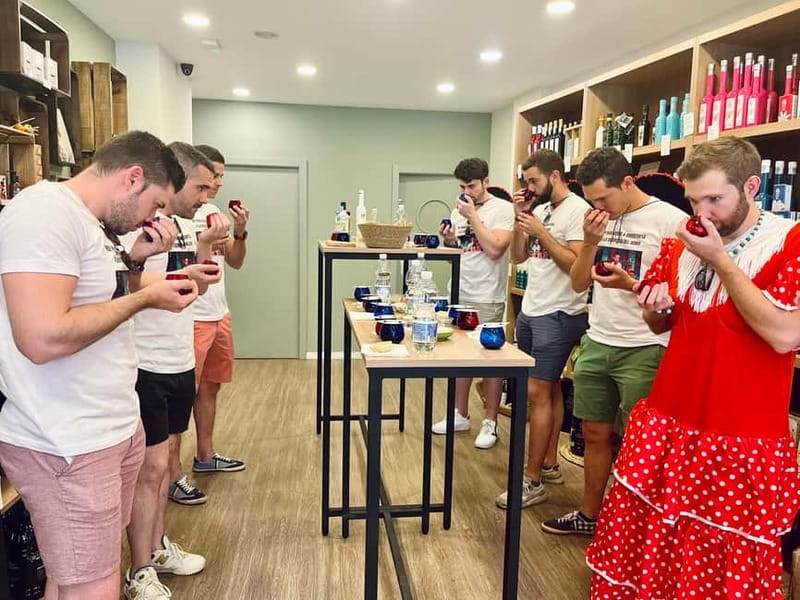
At $34 per person for 115 minutes, this isn’t a cheap “sip and go” stop. But it also isn’t priced like a restaurant meal or a full-day workshop. The value comes from three things you can’t replicate easily on your own:
1) Guided organoleptic training
You’re not just tasting; you’re learning how to taste.
2) A range of oils, including defective samples
That expands your sensory reference and improves how you’ll shop later.
3) Kitchen application plus a dessert made in the moment
You leave with a usable idea of what to do with different oils, not just tasting notes.
Add the included water and bread, and the final dessert experience, and the pricing starts to make sense. If you’re the type who likes food details and plans to buy olive oil afterward, this can pay for itself by helping you choose better bottles from the start.
Who This Experience Suits Best (and Who Might Find It Too Much)
This experience is best for you if you enjoy hands-on learning and you like food that has a “how it’s made” story. It’s also ideal if you’ve had olive oil that tasted great sometimes, then disappointing other times, and you want a clearer way to judge quality.
You might find it less satisfying if you want only a quick snack-style tasting with zero structure. This isn’t a casual pour-and-polite conversation. You’ll be tasting with purpose and learning the classification and attributes behind the flavors.
It also suits people who like practical skills. The kitchen-focused part gives it momentum beyond the glass.
A Quick Note on Hosts and the Tone of the Lesson
The explanations are led by an instructor, with Spanish and English options. In feedback about the experience, you’ll see names like Álvaro, Albert, and Maricarmen associated with clear teaching and a friendly style. That’s a good sign: you’re not just listening to a script, you’re getting guidance that helps you notice what matters.
If You Want to Buy Olive Oil: Think Like a Buyer, Not a Collector
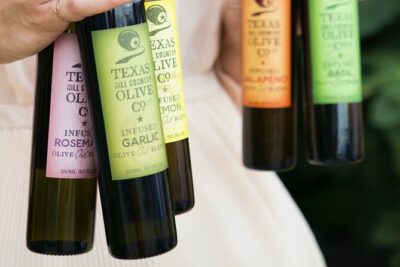
If you’re tempted to take bottles home, you’ll likely appreciate that the experience is tied to a shop setting. One detail that stands out from feedback is that oils purchased through the shop can be packed professionally, which helps if you’re carrying bottles during the rest of your trip.
My practical suggestion: after you taste, don’t buy the first bottle that feels pleasant. Use what you learned about intensity and maturation. Pick an oil that matches what you cook most—then you’ll use it more, which is the real point of buying anything edible.
Should You Book This Olive Oil Tasting in Córdoba?
Book it if you want a structured olive oil education you can taste, remember, and apply. The best part is the combination: organoleptic training, production context, tasting across quality levels, and then a dessert and kitchen use lesson. That mix turns a simple activity into something you actually benefit from after the tour.
Skip it (or at least think twice) if you only want a light, casual sample with no sensory homework. You’ll get more out of this if you’re ready to pay attention.
If you’re planning to explore Córdoba’s sights and still want a high-value, indoor, hands-on food experience, this fits nicely. It’s one of those tours where you leave with better questions—and better answers.
FAQ
Where does the Córdoba olive oil tasting start?
The store is located at Calle Ángel de Saavedra nº8, right in front of the façade of the Church of Santa Ana, near the Judería and the Cathedral Mosque.
How long is the experience?
The duration is 115 minutes.
How much does it cost?
The price is $34 per person.
What languages are available?
The instructor offers Spanish and English.
What’s included?
You’ll get a professional team for the tasting, plus mineral water and bread.
Is the activity wheelchair accessible?
Yes, it is wheelchair accessible.
Is there a free cancellation window?
Yes. You can cancel up to 24 hours in advance for a full refund.