REVIEW · CAZORLA
Cazorla: Oleotour – Olive Oil Culture Initiation
Book on GetYourGuide →Operated by Oleotur Cazorla · Bookable on GetYourGuide
Olive oil gets less mysterious in two hours. Oleotour Cazorla takes you through the Sierra de Cazorla world of Extra Virgin Olive Oil—Regulatory Council, old and modern mills, plus guided tastings—so you can understand what’s in the bottle. It’s a smart way to connect local tradition with what you actually taste.
I love the mix of 18th-Century Oil Mill Museum and a modern oil mill, because it shows how EVOO has changed (and what stayed the same). I also like the sensory angle: you’re not only looking at equipment, you’re training your nose and palate, with help from a botanical garden holding 60+ native spices.
One possible drawback: the live tour guide is Spanish, so if you rely on English explanations, you’ll need to follow by demos, visuals, and careful listening.
In This Review
- Key highlights you’ll remember
- How Oleotour Cazorla Makes Extra Virgin Olive Oil Click
- Regulatory Council Plus 18th-Century Oil Mill Museum
- Modern Oil Mill: What Pressing Looks Like Now
- Botanical Garden and Sensory Tastings for Spotting Top EVOO
- Walking the Olive Groves and the Clever Little Reenactments
- Price and Value of a $23, 2-Hour EVOO Course
- Should You Book Oleotour Cazorla?
- FAQ
- How long is Oleotour Cazorla?
- What does Oleotour Cazorla cost?
- Where does the Oleotour Cazorla take place?
- Is there a tasting during the tour?
- What stops are included in the tour?
- Is the tour guide available in Spanish?
- What language options are listed?
- Is free cancellation available?
Key highlights you’ll remember
- Cazorla Olive Complex visits that focus on the Sierra de Cazorla Denomination of Origin
- Regulatory Council stop, with context on how quality and origin matter
- 18th-Century Oil Mill Museum paired with a modern oil mill view
- Botanical Garden with 60+ native spices to link smell to taste
- Sensory tastings designed to help you recognize top EVOO
- Fun extras like the EVOO Can Guitar Monument and olive grove harvesting reenactment
How Oleotour Cazorla Makes Extra Virgin Olive Oil Click
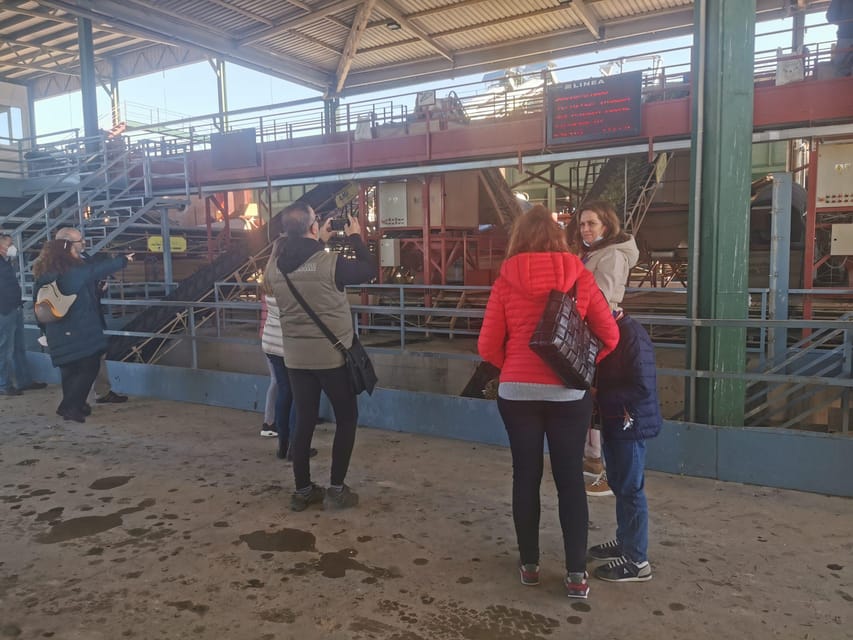
If you’ve ever stared at an EVOO label and wondered what the words really mean, this is the kind of outing that helps things fall into place. Oleotour Cazorla is only 2 hours, but it’s built like a practical course: origin, production, then the senses. You walk away with a clearer sense of what good EVOO is trying to express.
I like that the tour doesn’t treat olive oil as a vague “local product.” You get history and tradition, yes, but the real value is learning the process behind it. Once you see how olives turn into oil, tastings stop feeling random.
Another smart piece: you don’t just taste. You get the supporting cues—an audiovisual projection, a path between olive trees, and stops that connect olive groves and flavor perception. That matters because sensory training works better when your brain has a story to attach to it.
And yes, this is a “learn and taste” format, not a long museum crawl. If you’re doing a tight itinerary in Andalusia, this duration is a good match for a morning or afternoon slot.
Regulatory Council Plus 18th-Century Oil Mill Museum
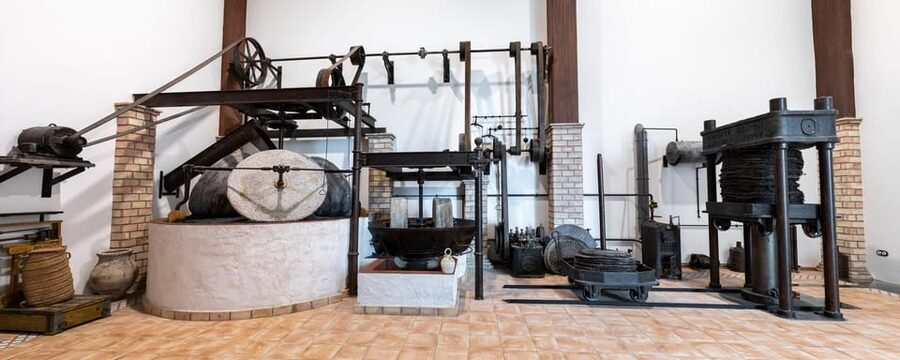
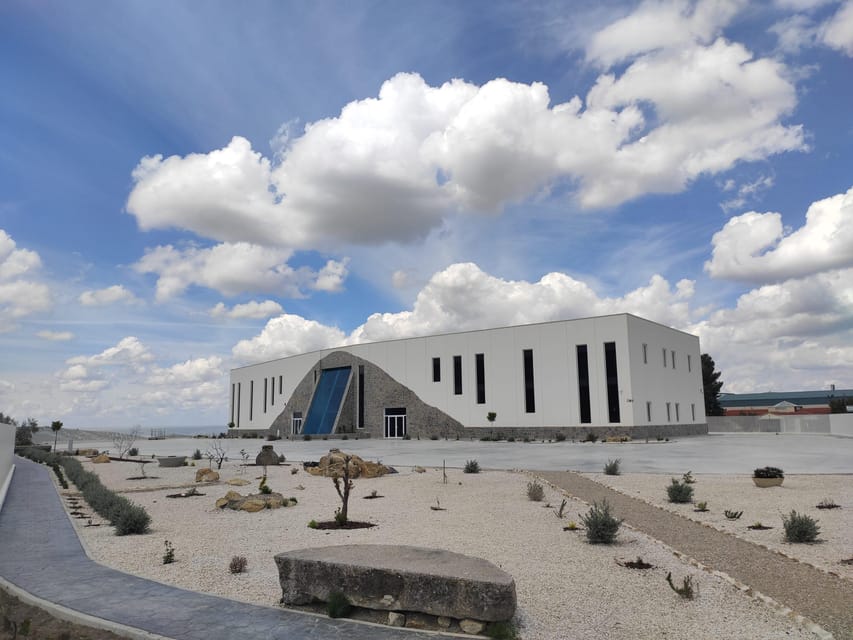
A big part of the experience happens at the Cazorla Olive Complex. You’ll visit the Regulatory Council of the Sierra de Cazorla Denomination of Origin, which is where you learn the origin side of the equation. Even if you don’t catch every detail in Spanish, this stop gives you the why behind the rules—quality, traceability, and regional identity.
Then comes the historical anchor: the 18th-Century Oil Mill Museum. This is where you can see olive-oil production as it was practiced in earlier times. It gives you perspective on why tradition sticks around. Not everything is about nostalgia; it’s about understanding how knowledge gets passed down and refined.
What makes this pair of stops especially useful is how they balance mindset. The Regulatory Council helps you think like a buyer of origin. The museum helps you think like a producer across time. Put together, you start seeing EVOO as both a cultural product and a technical one.
Potential drawback to note: if you expect a hands-on pressing demonstration or a full, step-by-step breakdown with technical measurements, you might find the pacing more explanatory than workshop-like. The focus is interpretation and sensory understanding.
Modern Oil Mill: What Pressing Looks Like Now
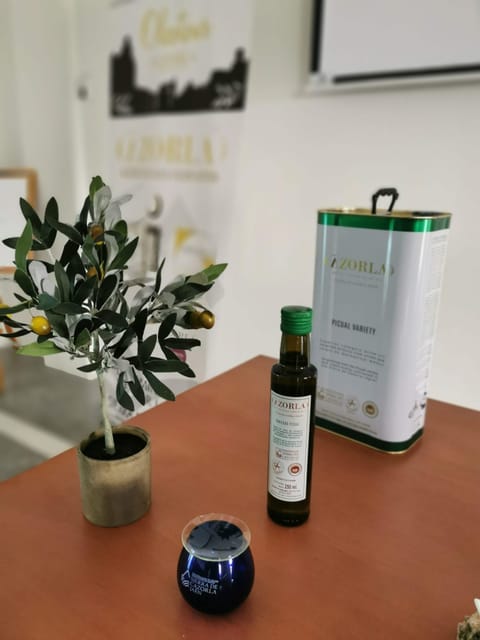
After you’ve got the history and origin framing, you shift to the modern side with a visit to a modern oil mill. This is where the tour tries to connect the dots between the past and the present—what changes with technology, and what the core process still depends on.
I find this transition important for anyone who knows almost nothing about olives or pressing. One verified booking mentioned starting with zero understanding of the olive fruit and how it gets pressed, and then leaving feeling educated and satisfied. That matches the tour structure: start simple, show the logic, and use your senses to confirm what you learned.
You’ll also get a path between olive trees experience, which helps you connect the oil back to the plant itself. It’s not just “look at a building,” it’s “remember where this comes from.” That’s one of the quiet strengths of tours like this: they rebuild your mental map.
Tip for you: slow down during the production explanation. EVOO knowledge sticks when you connect a concept (fruit to oil) to a visual (equipment and stages). With a shorter tour, your attention has to do the work.
Botanical Garden and Sensory Tastings for Spotting Top EVOO
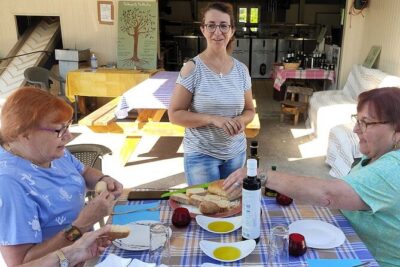
This is where the tour turns into a skills lesson. You’ll have tasting(s) included, along with activities that set you up to taste with intention. The tour specifically aims to teach the secrets of recognizing fine Extra Virgin Olive Oils, which is really about how you interpret aroma, flavor, and overall balance.
One of the most distinctive parts is the Botanical Garden with more than 60 native spices. This isn’t just a walk in pretty grounds. It’s a sensory training tool. Smell is a huge part of taste, and spices are a way to build a vocabulary in your head—sharp, herbal, warm, leafy. Even if you don’t memorize every name, you’ll start associating aromas with what you notice in oil.
Then the guided tastings help you apply that sensory work. You’re not trying to become a sommelier in two hours. You’re learning how to pay attention. The goal is to help you recognize quality rather than just drink oil like it’s a mystery sauce.
About the guide: a verified booking praised Laura for being brilliant and very knowledgeable, and another noted her as an excellent communicator. While you can’t assume the same guide every time, it’s a good sign that the explanations can land clearly, especially if you start from scratch.
Small practical note: if you’re doing food later that day, keep it light beforehand. Tastings can be more effective when your palate isn’t totally overwhelmed.
Walking the Olive Groves and the Clever Little Reenactments
Oleotour Cazorla keeps things moving, and it uses playful elements to make lessons stick. You’ll see and do themed recreations, including recreation harvesting the olive grove and a path between olive trees that helps you imagine seasonal work rather than just production steps.
There’s also an Audiovisual projection, which is there to connect dots quickly. In a 2-hour format, these short media moments are useful because they give your brain a framework—then you fill in the details with what you see and taste.
And yes, there’s the EVOO Can Guitar Monument. It sounds like a quirky roadside distraction, but in practice it’s a good breather and a memorable visual. Tours can blur together; a strange, fun landmark helps you anchor the experience in your memory.
One more included item you’ll encounter is recreation in watercolor. The exact format isn’t described in detail, but the intention is clear: make the culture feel real, not just educational. If you like experiences that mix facts with creative interpretation, you’ll probably enjoy these pauses.
Price and Value of a $23, 2-Hour EVOO Course
At about $23 per person for 2 hours, this is priced like a focused guided experience rather than a long museum ticket. The value comes from what’s bundled: origin context at the Regulatory Council, access to both an 18th-century museum space and a modern oil mill, tastings, a botanical garden visit, and themed experiences.
You also get something intangible but important: clarification. If you start knowing nothing about the olive fruit or pressing, the tour is built to fix that. The guide quality matters here, and the name Laura shows up in verified feedback as clear and well communicated—exactly what you want when the tour is in Spanish.
What to consider: because the live guide is Spanish, your enjoyment depends on your comfort level with the language. If you’re a beginner, you’ll still get a lot from visuals and the tasting itself, but your understanding of finer points may be limited.
For practical planning: treat this as an education stop. Pair it with lunch, not a packed schedule of back-to-back attractions. Your brain will be sorting flavors and facts for the next few hours.
Should You Book Oleotour Cazorla?
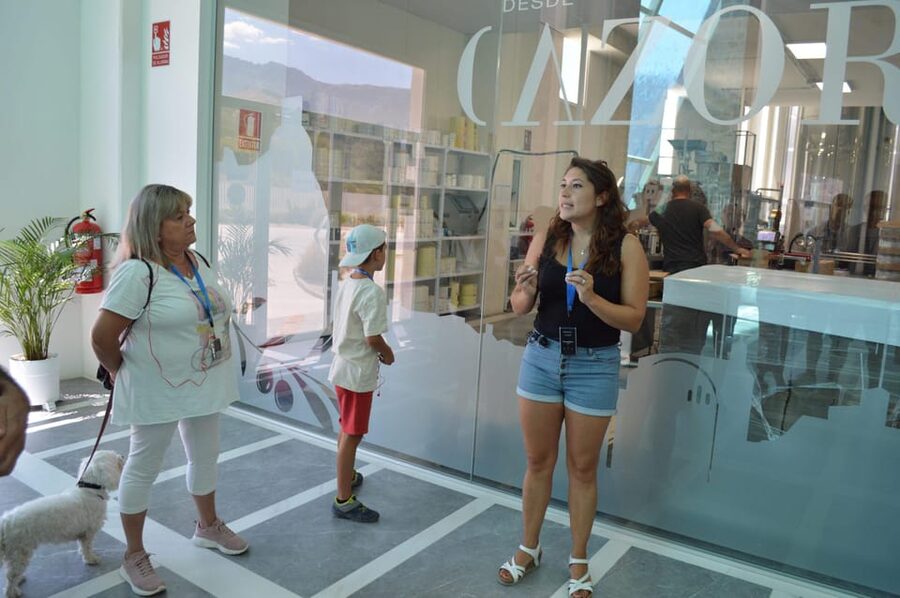
If you want a short, structured way to learn about Extra Virgin Olive Oil in Sierra de Cazorla—plus tastings and a visit to both historic and modern oil spaces—this is a strong bet. I’d book it if you’re curious, even if you’re starting from zero, because the experience is designed to turn confusion into confidence quickly.
I wouldn’t prioritize it if you need an English-only guide and you’re likely to feel lost in Spanish. In that case, you might prefer a different tour format where language support is guaranteed.
FAQ
How long is Oleotour Cazorla?
The tour lasts 2 hours.
What does Oleotour Cazorla cost?
The price is listed as $23 per person.
Where does the Oleotour Cazorla take place?
It’s in Cazorla, in Andalusia, Spain, at the Cazorla Olive Complex area.
Is there a tasting during the tour?
Yes. Tastings are included as part of the experience.
What stops are included in the tour?
Included stops feature the Regulatory Council of the Sierra de Cazorla Denomination of Origin, the 18th Century Oil Mill Museum, and a modern oil mill.
Is the tour guide available in Spanish?
Yes. The tour includes a live tour guide in Spanish.
What language options are listed?
The tour language is Spanish.
Is free cancellation available?
Yes. You can cancel up to 24 hours in advance for a full refund.