REVIEW · CORDOBA
Extra Virgin Olive oil tasting
Book on GetYourGuide →Operated by Things to do Cordoba · Bookable on GetYourGuide
Olive oil tastes better when you know what to look for. This 75-minute breakfast-style tasting in Cordoba is built around comparing six extra virgin olive oils from the region, plus learning how they’re made and why the flavors differ. I especially like the step-by-step focus on olive varieties and production, and the fact that you finish with a proper “molinero” breakfast rhythm: bread, oil, and coffee.
One thing to keep in mind: it’s not suitable for wheelchair users, and the flow starts around the Corredera area market. If you’re expecting a long, sit-down meal, this one is fast and focused on tasting.
In This Review
- Key things to know before you go
- Why Córdoba’s Olive Oil Tasting Feels Like a Real Food Lesson
- Finding the Meeting Point at Corredera’s Market Clock
- The Start in the Market: Getting Oriented Before the First Taste
- The Tasting Room Setup: How You Compare Oils in 75 Minutes
- The Olive Oil Production Story: Tree to Bottle, Explained Clearly
- The Four Olive Varieties You’ll Taste (and How They Differ)
- Desayuno Molinero: Pan del Vacar, Olive Oil, and Arabic Coffee
- If You Want to Buy Oil: How the In Situ Store Helps You Choose
- Price and Value: What $15 Really Covers
- Who This Tour Is Best For (and Who Might Skip It)
- A Few Practical Tips So You Get More From the Tasting
- Should You Book This Córdoba Olive Oil Breakfast Tasting?
- FAQ
- How much does the extra virgin olive oil tasting cost?
- How long is the experience?
- Where is the meeting point in Córdoba?
- What’s included in the tasting?
- Which olive oil varieties are included?
- What is the breakfast part called?
- What languages are offered?
- Is it suitable for wheelchair users?
- Can I cancel for a refund?
- Can I pay later?
Key things to know before you go
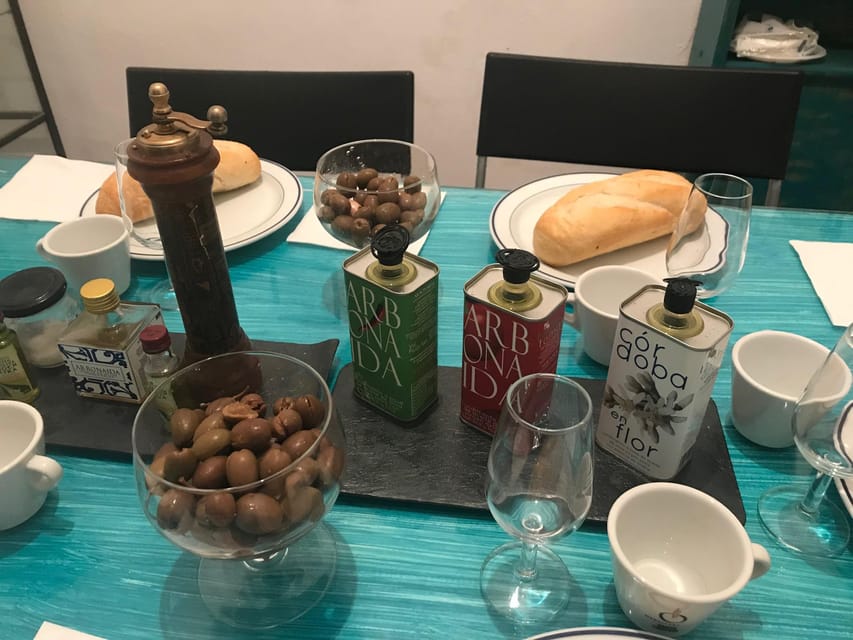
- Six Cordoba extra virgin oils sampled in a structured way, so you can actually compare flavors
- Variety-by-variety learning using local grapes equivalents, but for olive trees (picual, arbequino, picudo, hojiblanca)
- Desayuno molinero with traditional bread pan del vacar and the ancient habit of eating bread with the oil
- Arabic coffee and tea included to help you reset between tastings
- Learn the tree-to-bottle process, from olives and harvesting to the finished extra virgin product
- Buy the oil you like on the spot through an in situ shop, so you don’t guess later
Why Córdoba’s Olive Oil Tasting Feels Like a Real Food Lesson

Cordoba is one of the heavyweights of olive oil production in Spain, so this tasting has a sense of place right from the start. You’re not just sampling oils; you’re learning how olive oil is shaped by the olives used, the production choices, and the way people traditionally eat it.
I like that the experience treats olive oil like food, not an afterthought. You’ll be guided through the sensory side too (how to notice aroma and flavor differences) and the practical side (how production methods lead to those differences).
You can also read our reviews of more tours and experiences in Cordoba.


Finding the Meeting Point at Corredera’s Market Clock
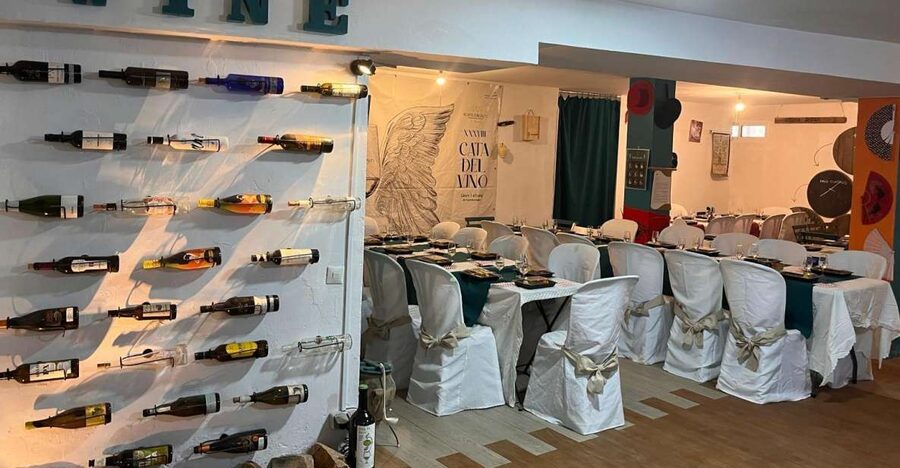
You meet at a very specific landmark: the big clock under the main entry to the Corredera square market. It’s the kind of meeting point that helps you get there without stress, especially if you’re already wandering around Córdoba’s center.
Aim to arrive a few minutes early so you can get oriented before the session starts. If you’re in a rush to squeeze in sights, this is still worth protecting your time for, because the format depends on starting together.
The Start in the Market: Getting Oriented Before the First Taste
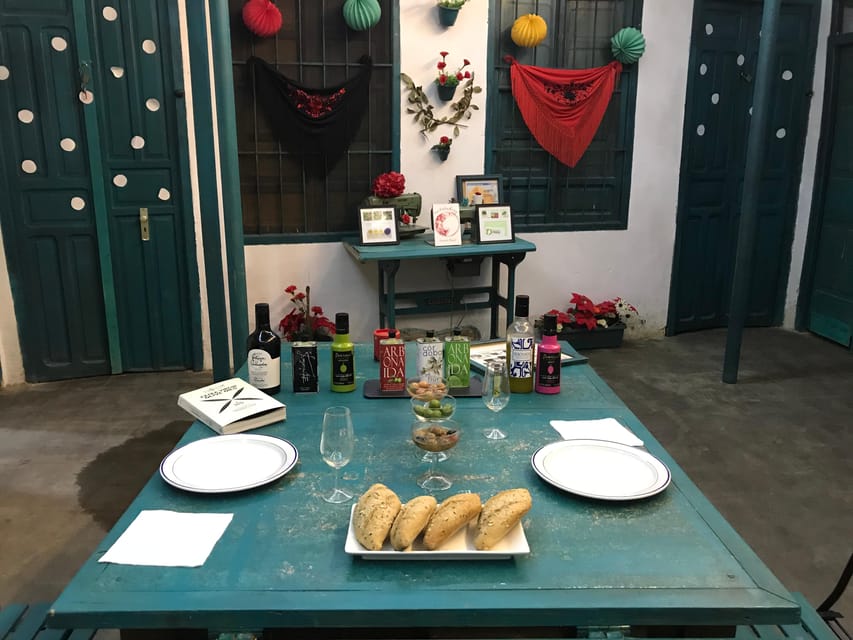
The experience begins around the market area, and that first stretch matters. You get a quick local context for what Córdoba’s food culture looks like day-to-day, and it helps you understand that olive oil isn’t isolated. It’s part of a wider ecosystem of bread, produce, and pantry staples.
It’s also a good way to calibrate your expectations. Before you taste, you’ll learn the basic terms and standards that separate regular olive oil from extra virgin olive oil, and what those standards aim to protect.
The Tasting Room Setup: How You Compare Oils in 75 Minutes
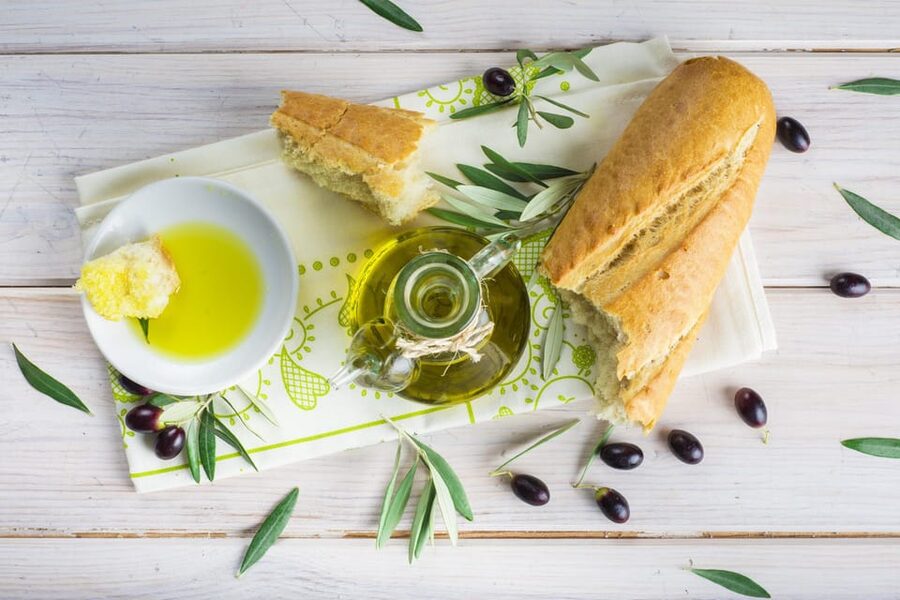
Once you’re in the tasting room, the pacing shifts from browsing to focused sampling. The session is designed around comparing oils from one to the next, rather than giving you one pour and letting you “figure it out.”
You can expect an expert guide leading you through the olive varieties and the organoleptic characteristics (how it shows up to your senses). That’s the big value for first-timers: you’ll leave with a vocabulary you can actually use when you see bottles back in your hotel room or in a grocery store.
The Olive Oil Production Story: Tree to Bottle, Explained Clearly
A good olive oil tasting teaches you what’s behind the bottle, not just what’s inside it. Here, you’ll learn how each oil is made—covering the olives used, how the process runs from start to finish, and why that matters to the final product.
That production explanation is useful even if you don’t go deep into the science. It helps you understand why one oil tastes fruitier, another feels more peppery, and another leans into different bitterness or balance. You’ll also hear about ancient habits and olive oil properties, tied to how people in the region traditionally use it.

The Four Olive Varieties You’ll Taste (and How They Differ)
The tasting centers on key local varieties—picual, arbequino, picudo, and hojiblanca—so you can taste the difference variety-by-variety. This is the part I’d call the “click moment” for many people: once you’ve tasted different varieties back-to-back, the labels on bottles suddenly make more sense.
Here’s the practical takeaway for your next bottle purchase: you’re training your palate to recognize categories, not just guessing based on price or brand. You’ll learn about where the olives are grown, how they’re harvested and processed, and what that leads to in the glass.
Also, the structure is built for comparison. You’re not tasting everything at once. You sample in sequence, and you get guidance on what to focus on so you can keep track of what you liked and why.
Desayuno Molinero: Pan del Vacar, Olive Oil, and Arabic Coffee
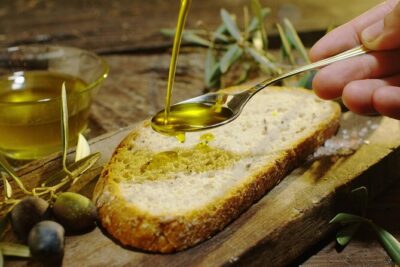
This experience has a breakfast logic to it, and that’s what makes it feel more authentic than a simple “sip-and-smile” event. You’ll learn the ancient way of consuming olive oil called desayuno molinero, using the typical bread pan del vacar.
That bread part is more important than it sounds. Oil can taste one way on its own, and another way when you eat it with bread, because the salt and texture change how the flavors land. You’ll also be offered coffee and tea during the session, and you’ll have a chance to reset between tastings.
Arabic coffee from a local top-quality producer is included, which adds a Cordoba flavor note beyond the olive theme. It’s a nice rhythm change too: sip, taste, compare, then sip again.
If You Want to Buy Oil: How the In Situ Store Helps You Choose
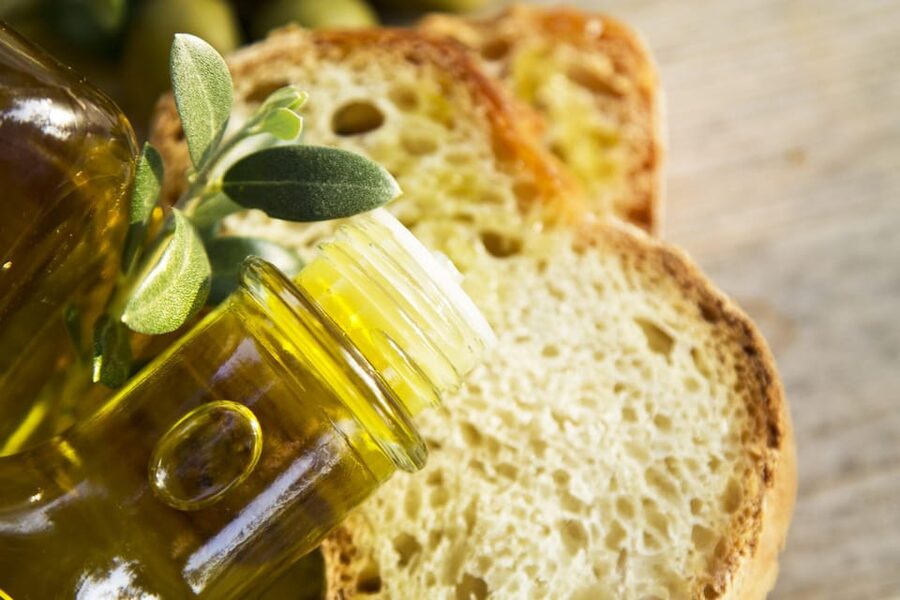
A lot of tastings end with you loving an oil and then wandering home unsure what to buy. Here, you can buy the olive oil you liked directly through an in situ store on the spot.
That matters for value. You’re paying for education and guided comparison up front, and the purchase becomes a follow-through step instead of a gamble. If you’re bringing something back as a gift, this is also easier: you can choose based on your actual taste memory rather than packaging claims.
Price and Value: What $15 Really Covers
At $15 per person for about 75 minutes, you’re paying for a structured tasting of six Cordoba oils, plus bread and coffee/tea. That’s not just samples; it’s guided interpretation—learning the varieties, the organoleptic traits, and the production story behind what you’re tasting.
If you’ve ever stood in front of olive oil shelves and felt overwhelmed, this format answers the question quickly. You get a baseline for what different varieties taste like, and you can leave knowing what you actually prefer.
Who This Tour Is Best For (and Who Might Skip It)
This tour is a great match for olive oil lovers, food curious travelers, and anyone who wants a hands-on way to understand Córdoba beyond monuments and viewpoints. If you enjoy comparing flavors like you would in a wine tasting, you’ll likely feel right at home here.
You might want to skip it if olive oil isn’t your thing, or if you want a slower, longer meal. It’s designed for learning through tasting, and the time is set for that purpose.
One more consideration: it’s not suitable for wheelchair users. If mobility is an issue, plan on skipping this one or confirming the ground-level route with the operator before you commit.
A Few Practical Tips So You Get More From the Tasting
Bring your appetite, but keep it light before you arrive. The session includes bread and coffee/tea, and the tasting sequence is meant to be clear, not confused by a heavy meal.
When you taste, don’t rush. Use the guide’s structure to focus on one oil at a time, and track what you liked. If you’re shopping afterward, this helps you pick the right bottles with confidence.
If you’re a souvenir shopper, decide in your head whether you’re buying for yourself, for gifts, or both. The in situ store makes it easy to buy what you liked, so you’ll save time once you taste your favorites.
Should You Book This Córdoba Olive Oil Breakfast Tasting?
Book this if you want a short, high-impact food experience in Córdoba. You get six extra virgin oils, guided learning about varieties and production, and an actual breakfast-style format with pan del vacar and coffee. At $15 for roughly 75 minutes, it’s good value when you consider you’re buying palate training, not just a few tastes.
Skip it if you need a fully accessible format, want a long sit-down lunch, or you’re not interested in comparing olive oil flavors. If your idea of a great trip includes learning through taste, this is one of the more satisfying ways to do Córdoba in under two hours.
FAQ
How much does the extra virgin olive oil tasting cost?
It costs $15 per person.
How long is the experience?
The duration is 75 minutes.
Where is the meeting point in Córdoba?
You meet at the big clock under the main entry to the Corredera’s square market.
What’s included in the tasting?
You’ll get 6 olive oils from Córdoba, coffee and tea, and bread for the desayuno molinero.
Which olive oil varieties are included?
The tasting focuses on picual, arbequino, picudo, and hojiblanca varieties.
What is the breakfast part called?
The traditional way to consume olive oil included in the experience is called desayuno molinero, using typical bread pan del vacar.
What languages are offered?
The instructor speaks Spanish and English.
Is it suitable for wheelchair users?
No, it is not suitable for wheelchair users.
Can I cancel for a refund?
Yes. You can cancel up to 24 hours in advance for a full refund.
Can I pay later?
Yes. The experience offers reserve now & pay later.